
Recipe archive
Loading
Setting the table...
Fetching the latest recipes from the archive.
Loading
Fetching the latest recipes from the archive.
Recipe archive
America's Melting Pot
BBQ Meatballs hero image coming soon
1946-1969 - Midcentury party hosts and potluck cooks adapting cocktail meatballs
BBQ meatballs are a descendant of midcentury cocktail meatballs, especially the grape-jelly-and-chili-sauce party formula that kept showing up at buffets and church gatherings. Swapping in barbecue sauce made the dish feel at home on game-day tables: easy to spear with toothpicks, easy to keep warm, and unapologetically sweet-savory.
No featured photo yet. Upload a photo with your review. The highest-rated community photo may become this recipe's hero image.
Difficulty
Easy
Prep time
15 minutes
Cook time
25 minutes
Total time
40 minutes
Servings
8 to 10 servings
Region
Midwestern slow-cooker, church-basement, and potluck appetizer kitchens
Era introduced
1946-1969
Introduced by
Midcentury party hosts and potluck cooks adapting cocktail meatballs
Recipe tools
Log in to save this recipe to a collection.
The classic cocktail meatball is one of the most durable American party foods: small meatballs held in a glossy, sweet-tangy sauce and served from a chafing dish or slow cooker. BBQ meatballs move that format toward tailgate flavor, combining barbecue sauce with jelly or preserves for shine and sweetness. The result is not pit barbecue, but it is absolutely part of American barbecue-season eating.
Share family changes, regional twists, or pantry-friendly adaptations as full community recipes.
Log in to submit a community recipe.
No community recipes yet. Submitted recipes are published right away.
Rate this recipe and share how it worked at your table.
Log in to review this recipe.
No reviews yet. Be the first to rate this recipe.
Recipes matched by era, region, occasion, ingredients, and cultural roots from the archive.
Same era
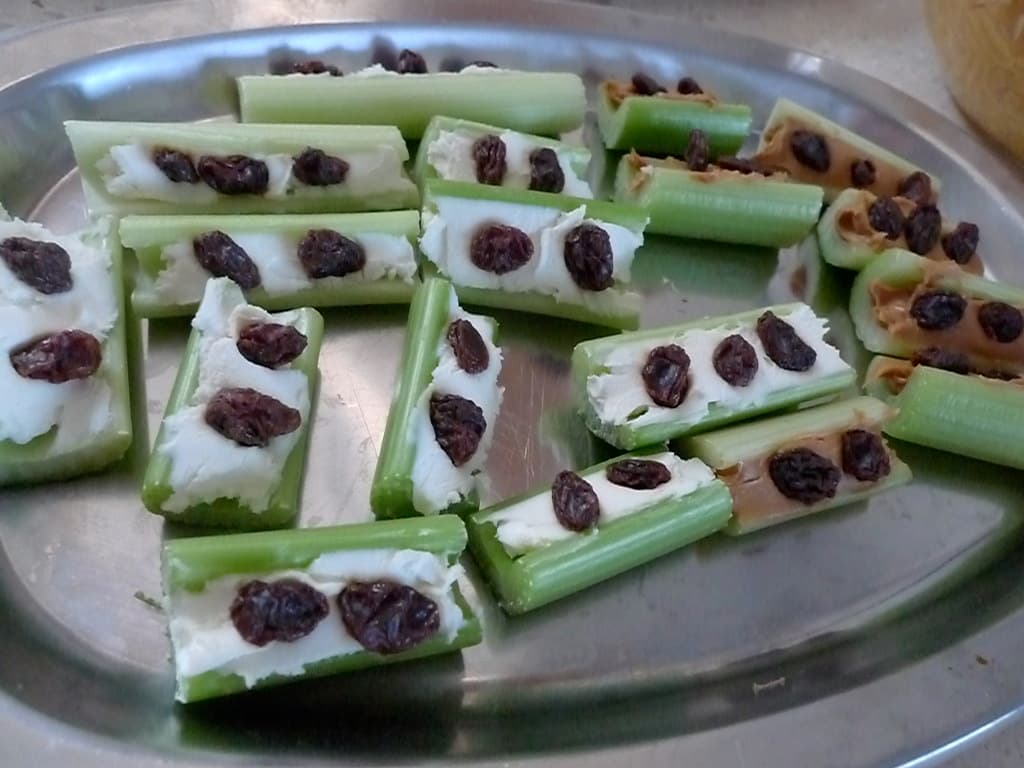
1950s-present
Celery sticks filled with peanut butter and topped with raisins, the classic American kid snack.
America's Melting Pot
Arby's-Style Horsey Sauce photo coming soon
1964-1970s
Arby's-Style Horsey Sauce is a sandwich sauce with real American table personality: Fast-food horseradish mayo tradition. It brings flavor from coast-to-coast American tables to cookouts, counters, lunch plates, potlucks, and weeknight suppers.
America's Melting Pot
Bacon-Wrapped Water Chestnuts photo coming soon
1946-1969
Crunchy water chestnuts wrapped in bacon, baked until crisp, and glazed with a brown sugar, soy, ketchup, and Worcestershire sauce.
Same region
America's Melting Pot
Air Fryer Cheese Curds photo coming soon
2010-2026
Fresh cheese curds coated in seasoned panko, chilled, and air-fried until crisp outside and molten inside.
America's Melting Pot
Air Fryer Tater Tots photo coming soon
2010-2026
Frozen potato tots cooked in the air fryer until deeply crisp outside and fluffy inside.
America's Melting Pot
Almond Chicken photo coming soon
1900s-present
Crisp boneless chicken served over lettuce with brown gravy, scallions, and toasted almonds.
Same table
America's Melting Pot
BBQ Beef Sandwiches photo coming soon
1970-2026
This sandwich turns pot roast into crowd food: cook beef until it pulls apart, simmer it in barbecue sauce, and serve it from a slow cooker or Dutch oven. It fits the late-20th-century world of booster clubs, church suppers, and game-day tables, where economical roasts could feed a line of hungry fans.
America's Melting Pot
Cheese Ball photo coming soon
1950-2026
A midcentury-style cheese ball made with cream cheese, cheddar, green onion, Worcestershire, and a crunchy pecan coating.
America's Melting Pot
Cheese Logs photo coming soon
1960-2026
Retro party cheese logs made from cream cheese, cheddar or blue cheese, Worcestershire, hot sauce, and a nut or herb coating.