
Recipe archive
Loading
Setting the table...
Fetching the latest recipes from the archive.
Loading
Fetching the latest recipes from the archive.
Recipe archive
America's Melting Pot
Bosco Sticks hero image coming soon
1988-present - Mark Artinian, Michigan pizzeria operators, and school cafeteria buyers
Bosco Sticks are the kind of school-lunch food that became a regional memory: soft breadstick dough wrapped around mozzarella, baked in bulk, and served with warm marinara. The brand traces its roots to a Warren, Michigan pizzeria near a high school, then grew through cafeteria and concession channels.
No featured photo yet. Upload a photo with your review. The highest-rated community photo may become this recipe's hero image.
Difficulty
Easy
Prep time
20 minutes
Cook time
15 minutes
Total time
35 minutes
Servings
8 sticks
Region
Midwestern school cafeterias and concessions
Era introduced
1988-present
Introduced by
Mark Artinian, Michigan pizzeria operators, and school cafeteria buyers
Recipe tools
Log in to save this recipe to a collection.
Bosco Sticks sit at the intersection of pizza, breadsticks, and cafeteria logistics. They were built to be familiar, handheld, and easy to serve by the tray, which helped them become a recurring school-lunch item in parts of the Midwest and beyond. A home version starts with pizza dough, wraps it around mozzarella, and finishes the baked sticks with garlic butter before dipping them in marinara.
Share family changes, regional twists, or pantry-friendly adaptations as full community recipes.
Log in to submit a community recipe.
No community recipes yet. Submitted recipes are published right away.
Rate this recipe and share how it worked at your table.
Log in to review this recipe.
No reviews yet. Be the first to rate this recipe.
Recipes matched by era, region, occasion, ingredients, and cultural roots from the archive.
Same era
America's Melting Pot
ABC Juice photo coming soon
1970s-present
ABC Juice brings juice-bar color and American smoothie-counter energy to the glass: Apple, beet, carrot.
America's Melting Pot
Acai Bowl Smoothie Base photo coming soon
1970s-present
Acai Bowl Smoothie Base brings juice-bar color and American smoothie-counter energy to the glass: California/Hawaii/fitness culture.
America's Melting Pot
Acai Smoothie photo coming soon
1990s-present
Acai Smoothie brings juice-bar color and American smoothie-counter energy to the glass: Brazilian-rooted ingredient adapted by U.S. smoothie bars.
Same region
America's Melting Pot
Air Fryer Cheese Curds photo coming soon
2010-2026
Fresh cheese curds coated in seasoned panko, chilled, and air-fried until crisp outside and molten inside.
America's Melting Pot
Air Fryer Tater Tots photo coming soon
2010-2026
Frozen potato tots cooked in the air fryer until deeply crisp outside and fluffy inside.
America's Melting Pot
Almond Chicken photo coming soon
1900s-present
Crisp boneless chicken served over lettuce with brown gravy, scallions, and toasted almonds.
Same table
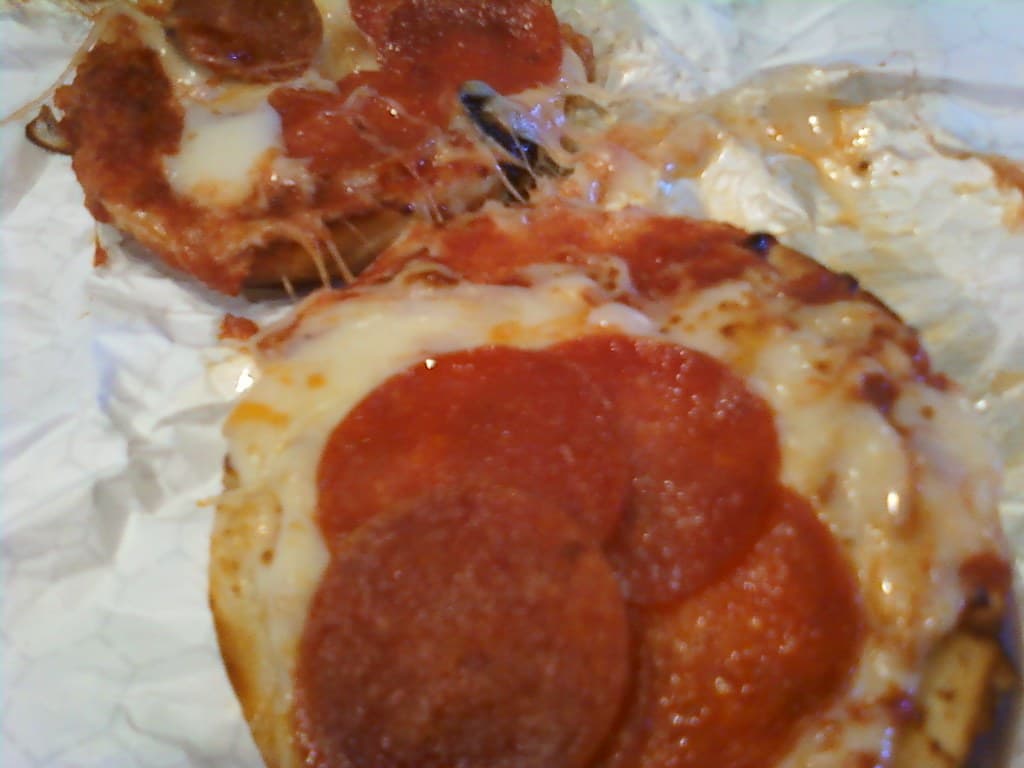
1970-1989
Split bagels topped with tomato sauce, mozzarella, oregano, and pepperoni or vegetables, baked until bubbly for a lunchbox and after-school classic.
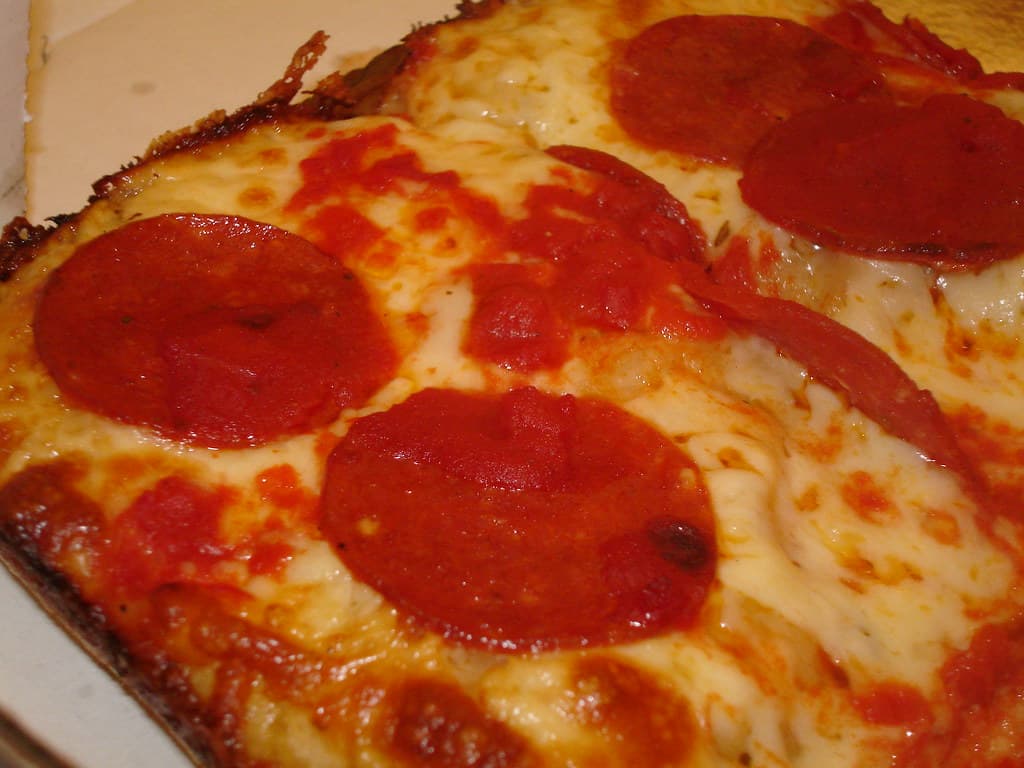
1946-1969
Detroit-style pizza originated post-World War II as a regional midwestern specialty distinguished by its rectangular shape, thick crust, crispy caramelized cheese edges, and layering of toppings. An Italian-American innovation aligned with suburban and industrial growth after 1946.
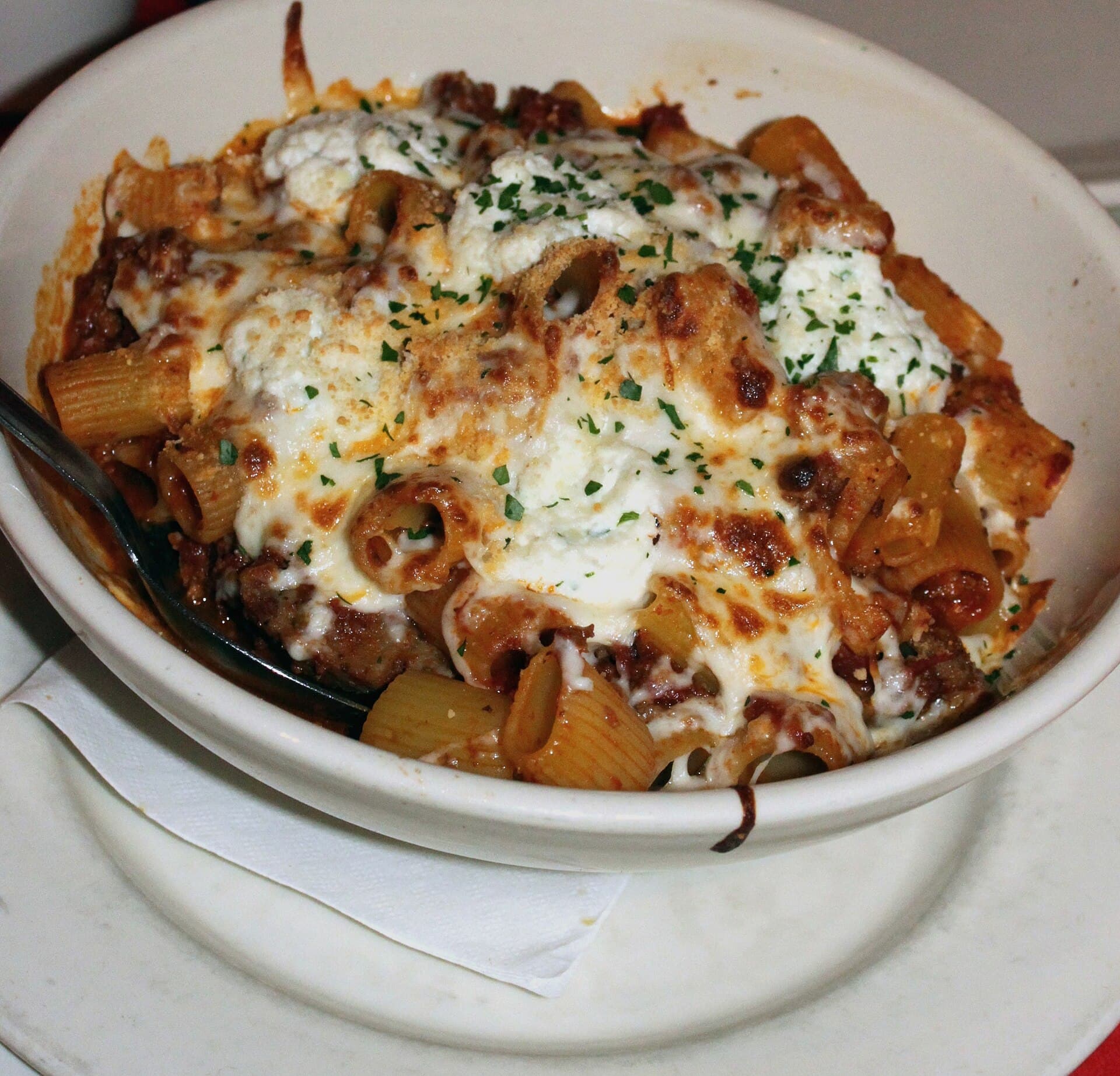
1900-2026
A crowd-friendly baked ziti casserole layered with marinara, ricotta, mozzarella, Parmesan, and optional Italian sausage.