
Recipe archive
Loading
Setting the table...
Fetching the latest recipes from the archive.
Loading
Fetching the latest recipes from the archive.
Recipe archive
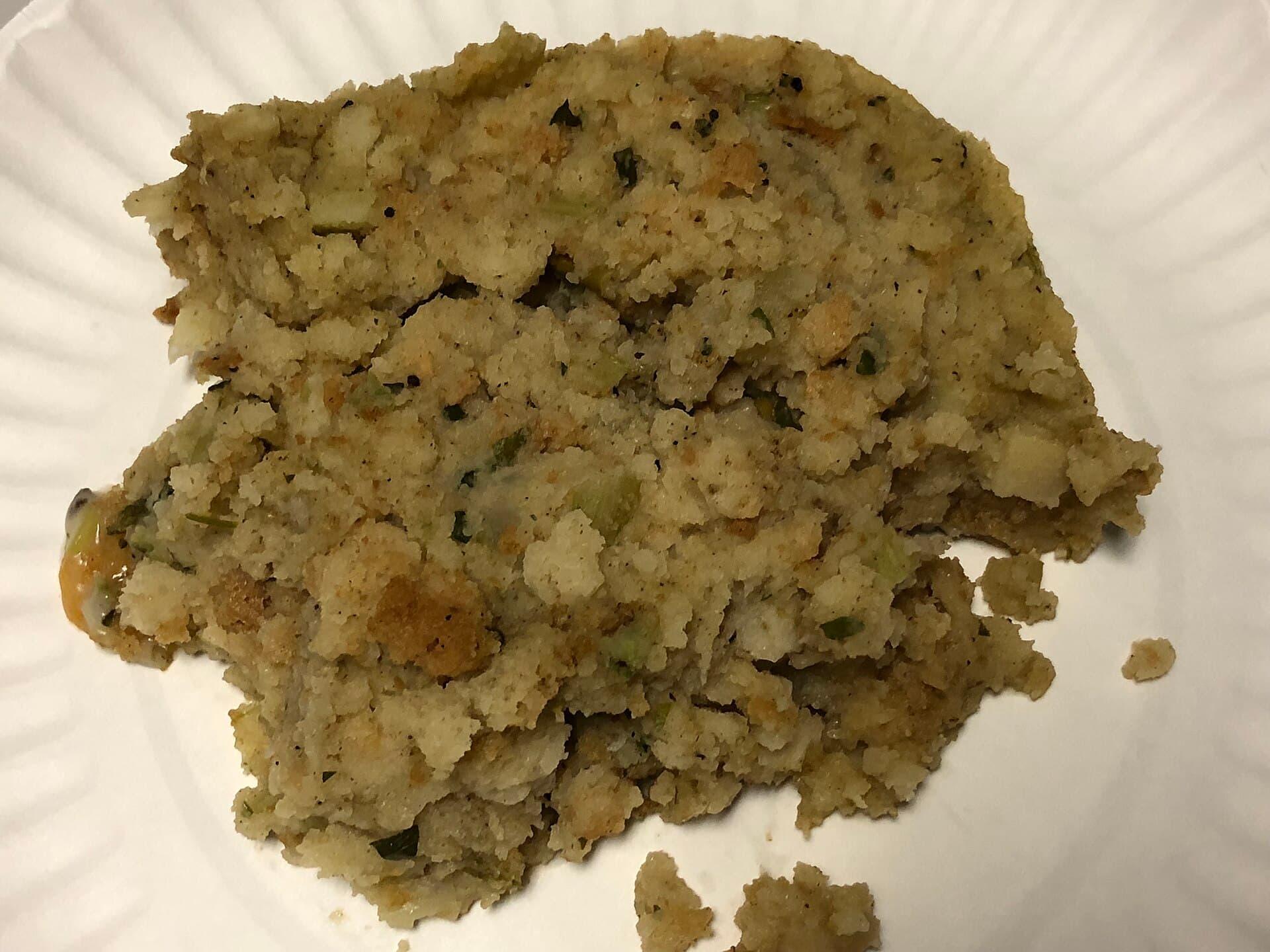
1700s-present - English colonists and American Thanksgiving cooks adapting seasoned bread stuffings
Bread stuffing is the Thanksgiving workhorse that turns stale bread into the part of the plate many people reach for first. Whether cooked inside the bird or baked separately as dressing, the core American formula is bread, aromatics, poultry herbs, and rich stock.
Community-powered photos. Reviewers can upload dish photos, and the highest-rated community image may be featured here.
Difficulty
Easy
Prep time
25 minutes
Cook time
45 minutes
Total time
1 hour 10 minutes
Servings
8 servings
Region
United States Thanksgiving tables
Era introduced
1700s-present
Introduced by
English colonists and American Thanksgiving cooks adapting seasoned bread stuffings
Recipe tools
Log in to save this recipe to a collection.
Stuffing and dressing names vary by region and cooking method, but the basic idea is the same: seasoned bread moistened with broth and baked until the edges crisp while the center stays tender. American Thanksgiving versions draw from European stuffed-roast traditions, local breads, and family preference. This version is baked in a dish for food safety and consistent texture.
Share family changes, regional twists, or pantry-friendly adaptations as full community recipes.
Log in to submit a community recipe.
No community recipes yet. Submitted recipes are published right away.
Rate this recipe and share how it worked at your table.
Log in to review this recipe.
No reviews yet. Be the first to rate this recipe.
Recipes matched by era, region, occasion, ingredients, and cultural roots from the archive.
Same era
1700s-present
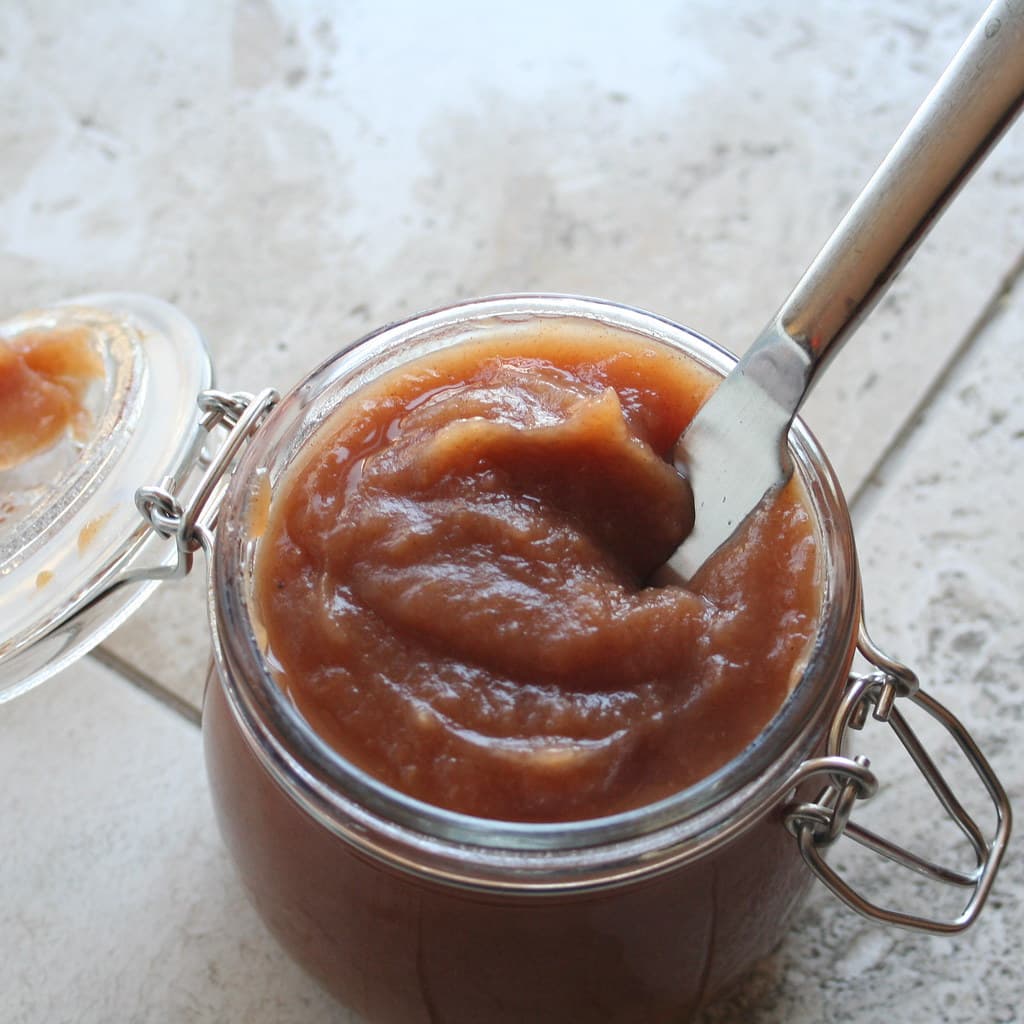
Apples cooked down with cider, sugar, and warm spices into a dark, spreadable fruit butter.
America's Melting Pot
Apple Butter on Biscuits photo coming soon
1700s-present
Warm buttermilk biscuits split and served with butter and spiced apple butter.
1700s-present
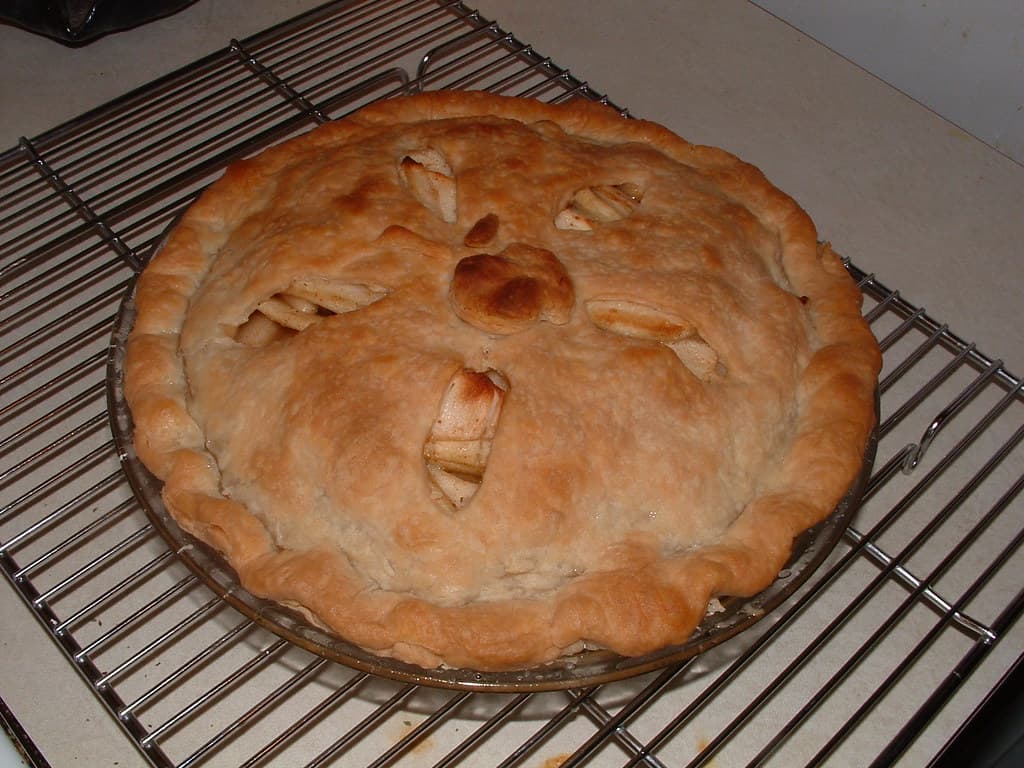
A double-crust apple pie with cinnamon-spiced apples and a flaky butter crust.
Same region
America's Melting Pot
Ambrosia Salad photo coming soon
1950s-present
A midcentury-style fruit salad with pineapple, mandarin oranges, coconut, marshmallows, and a creamy dressing.
America's Melting Pot
Boardinghouse Meatloaf photo coming soon
1861-1900
Boardinghouse meatloaf fits kitchens that had to feed many people from affordable ingredients. Ground meat, binders, vegetables, and a sweet-tangy glaze made a loaf that sliced neatly, stretched well, and reheated for leftovers.
1900-2026
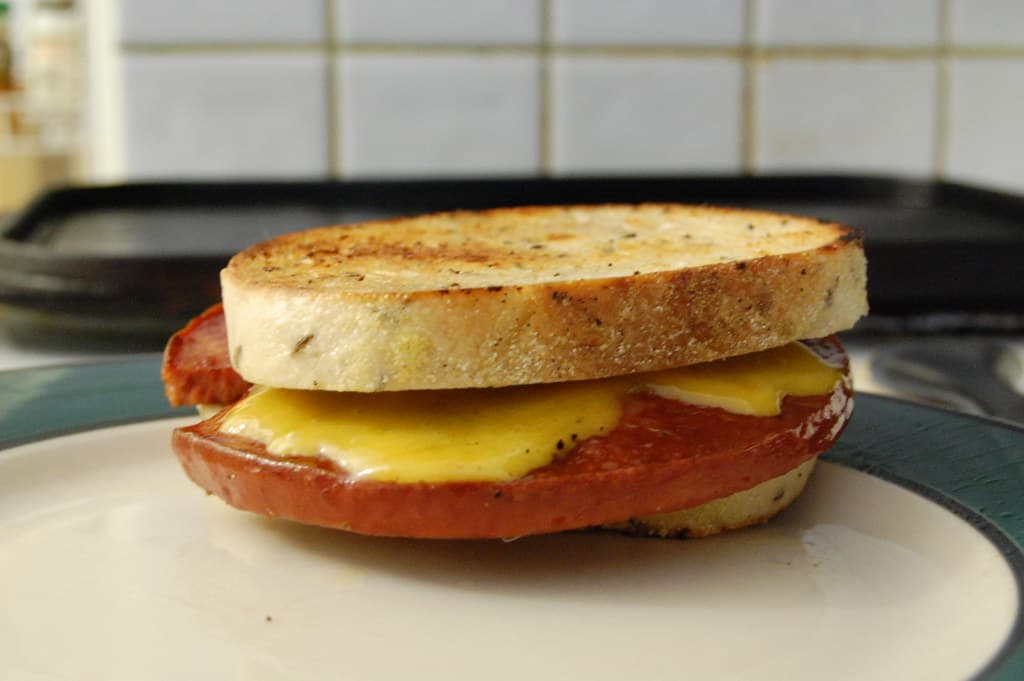
The bologna sandwich is lunchbox America: inexpensive sliced meat, soft bread, and a condiment. Fried bologna versions became especially beloved in Southern diners, Midwestern bars, and home kitchens where a quick skillet turned lunch meat into comfort food.
Same table
1800-1860
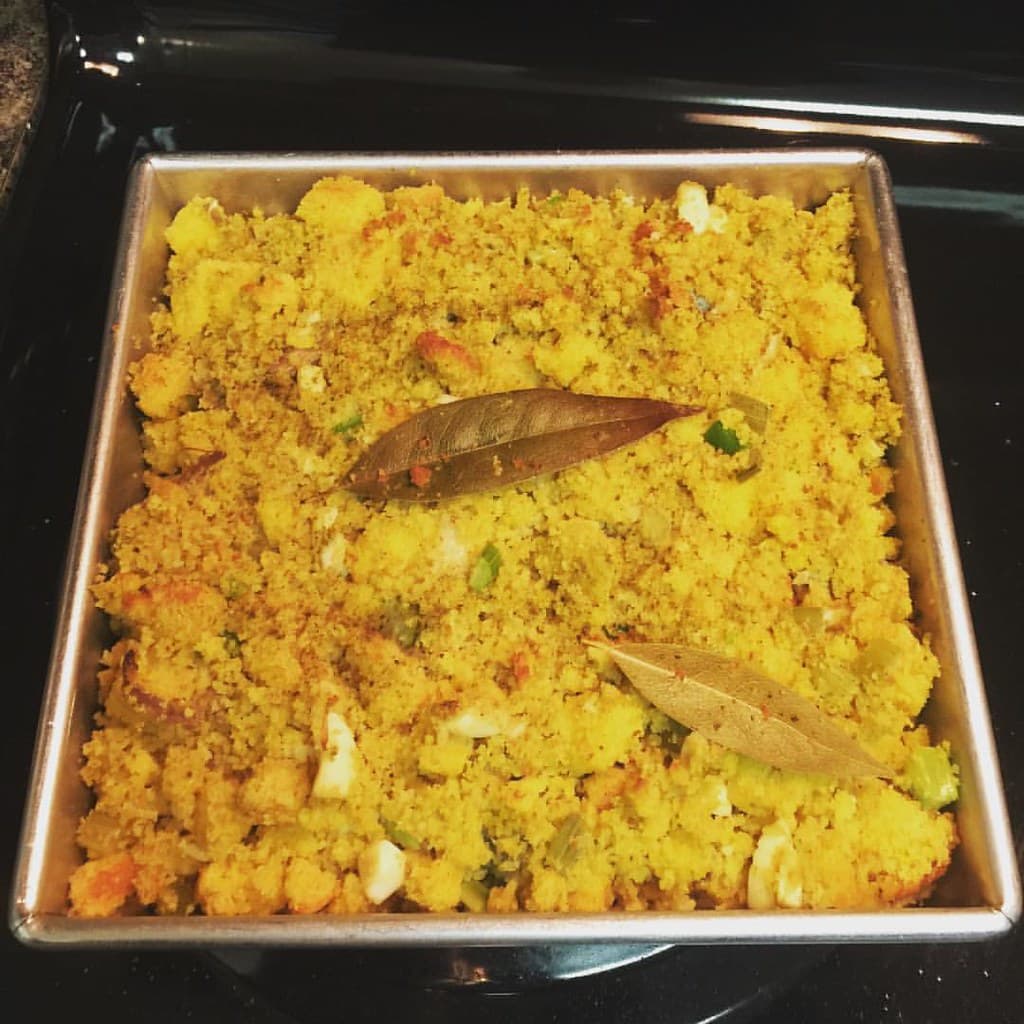
Cornbread dressing is a savory Southern side enjoyed especially during Thanksgiving, combining crumbled cornbread with herbs and often broth for moist stuffing.
America's Melting Pot
Wild Rice Dressing photo coming soon
precontact-present
Wild Rice Dressing is a traditional American Thanksgiving side combining wild rice with aromatic vegetables, herbs, and often nuts or sausage. It reflects regional Midwestern and Native American influences and features prominently at holiday tables across the United States.
1700s-present
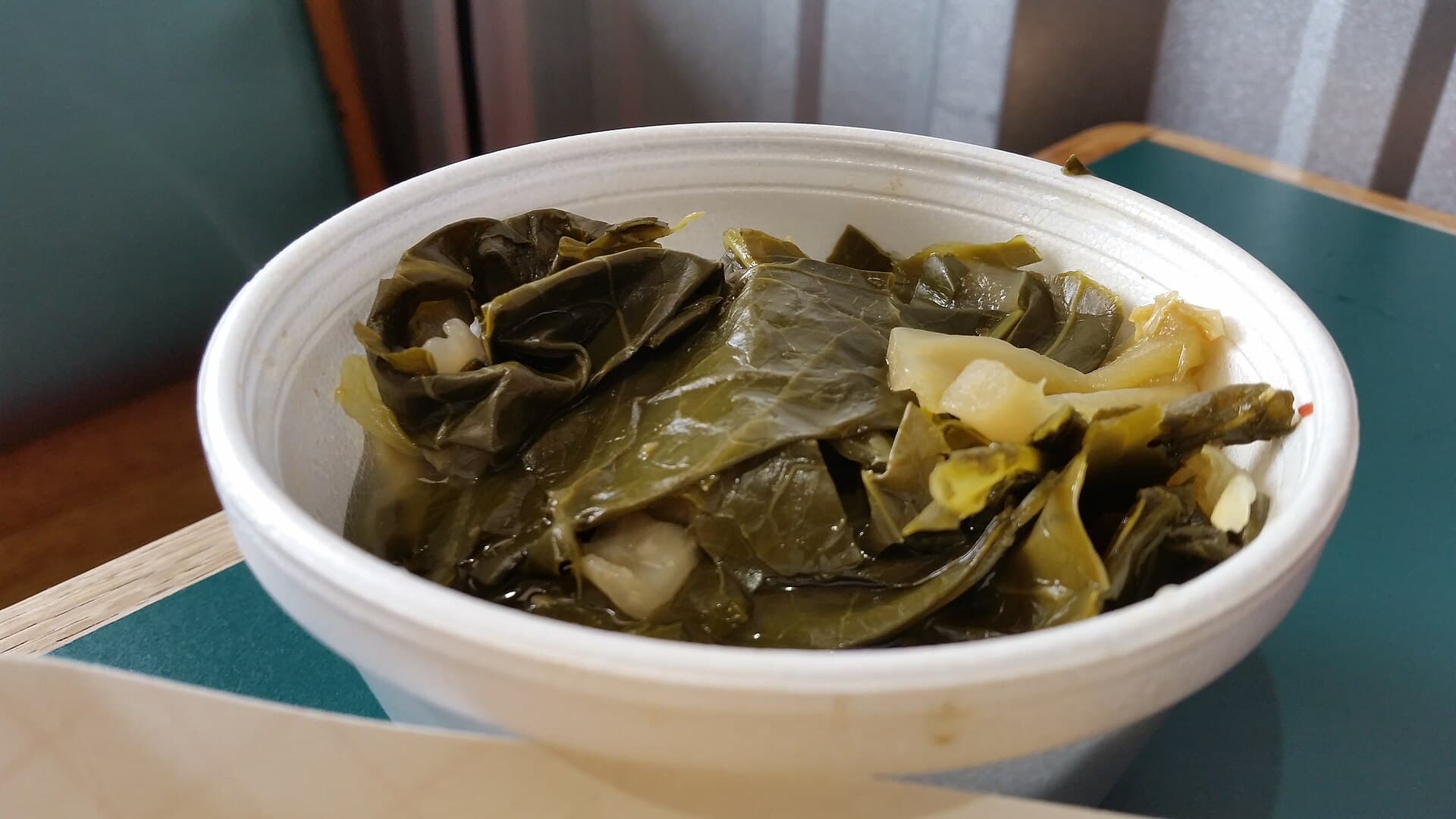
Collard greens are a Southern staple of slow-cooked leafy greens, often simmered with smoked meats and seasonings. Served frequently at Thanksgiving and other holidays, they reflect African American and Southern culinary traditions blending native and immigrant foodways. This versatile side dish is a symbol of Southern hospitality and cultural heritage.