
Recipe archive
Loading
Setting the table...
Fetching the latest recipes from the archive.
Loading
Fetching the latest recipes from the archive.
Recipe archive
America's Melting Pot
Confederate Cornbread hero image coming soon
1861-1900 - Southern households and military messes during the American Civil War era.
Confederate cornbread is a straightforward Southern cornmeal bread commonly prepared during the Civil War period, using simple pantry ingredients and often cooked in a cast-iron skillet over open flames. This cornbread reflects the resourcefulness and culinary adaptation of Southern households during wartime, forming an iconic accompaniment to meals in 19th-century America.
No featured photo yet. Upload a photo with your review. The highest-rated community photo may become this recipe's hero image.
Difficulty
Easy
Prep time
10 minutes
Cook time
20 minutes
Total time
30 minutes
Servings
8
Region
The American South
Era introduced
1861-1900
Introduced by
Southern households and military messes during the American Civil War era.
Recipe tools
Log in to save this recipe to a collection.
During the American Civil War (1861-1865), cornbread was a staple food in Southern households and military camps due to its inexpensive ingredients and ease of preparation. Often made in cast-iron skillets over open fires or simple ranges, this bread provided reliable sustenance in times of scarcity. Its simple recipe endures as an emblem of Southern culinary tradition and resilience amid hardship during the war and Reconstruction period.
Share family changes, regional twists, or pantry-friendly adaptations as full community recipes.
Log in to submit a community recipe.
No community recipes yet. Submitted recipes are published right away.
Rate this recipe and share how it worked at your table.
Log in to review this recipe.
No reviews yet. Be the first to rate this recipe.
Recipes matched by era, region, occasion, ingredients, and cultural roots from the archive.
Same era
America's Melting Pot
Army Bean Soup photo coming soon
1861-1900
A hearty military-style bean soup built on navy beans, smoked ham hock, onion, celery, carrot, and bay leaf, adapted for a home pot from large-batch service traditions.
1861-1900
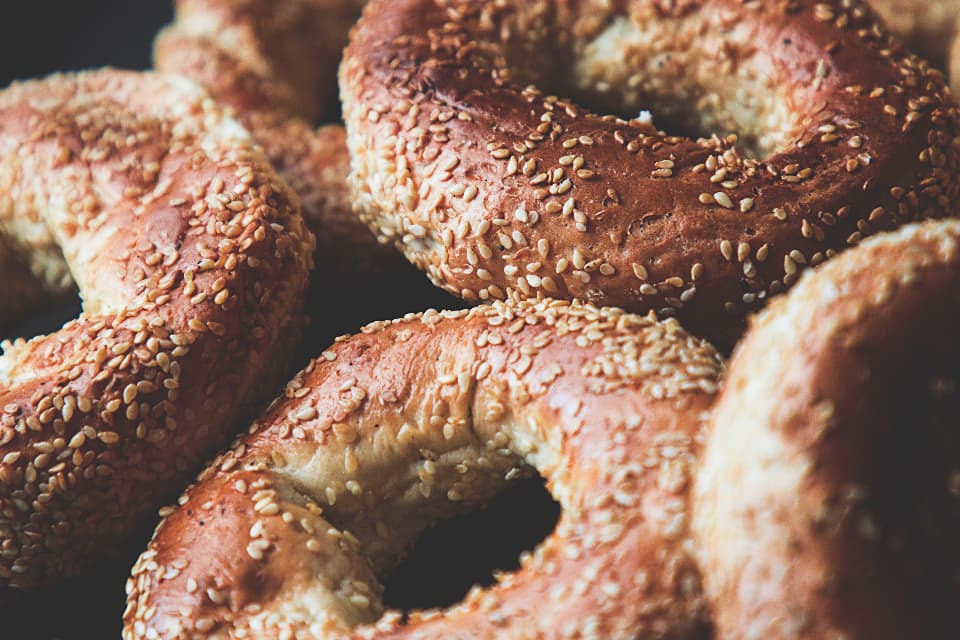
A basic homemade bagel recipe using high-protein flour, malt or brown sugar, a short boil, and a hot bake for chewy New York-style results.
America's Melting Pot
Bagels with Schmear photo coming soon
1861-1900
A deli-style bagel with a thick schmear of plain or scallion cream cheese, with optional onion, capers, tomato, and cucumber.
Same region
America's Melting Pot
Corn Pone photo coming soon
1776-1800
Corn pone is a simple, unleavened corn bread originating in early American Southern kitchens. Made with basic ingredients, it was a staple food for families from the Revolutionary period onward, often baked in a skillet or hearth oven.
America's Melting Pot
Alabama White Sauce photo coming soon
1700s-present
Alabama White Sauce is a barbecue sauce with real American table personality: Mayonnaise-based sauce strongly associated with Big Bob Gibson Bar-B-Q and northern Alabama chicken barbecue. It brings flavor from the American South to cookouts, counters, lunch plates, potlucks, and weeknight suppers.
America's Melting Pot
Ambrosia Dressing photo coming soon
1940s-1970s
Ambrosia Dressing is a spread with real American table personality: Southern/midcentury fruit salad dressing. It brings flavor from the American South to cookouts, counters, lunch plates, potlucks, and weeknight suppers.
Same table
America's Melting Pot
Cornbread photo coming soon
1930-1945
Cornbread is a versatile quick bread made primarily from cornmeal, commonly baked or fried in the South and Appalachia during the Great Depression and World War II eras. It was a dietary staple in military mess halls and home kitchens, valued for economical ingredients and satisfying flavor. Often served alongside barbecue and holiday meals, this cornbread represents resilience and regional culinary heritage in trying times.
1600s-present
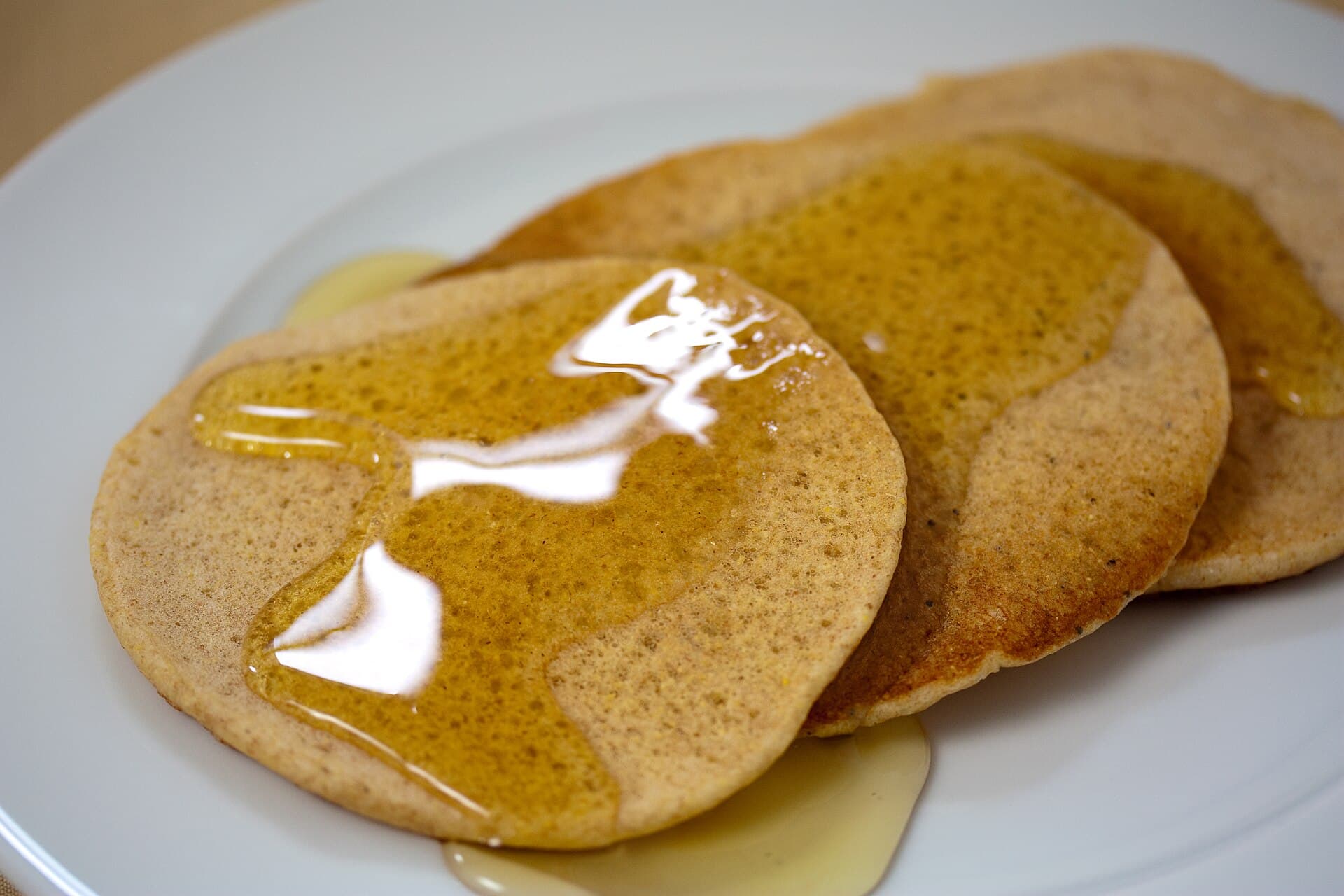
Cornmeal pancakes were a practical and hearty breakfast staple during the Depression and Dust Bowl years, offering an affordable, nourishing start to the day in rural and urban kitchens alike. Using simple pantry staples like cornmeal and flour, these pancakes sustained families through hard economic times and food shortages.
1776-1800
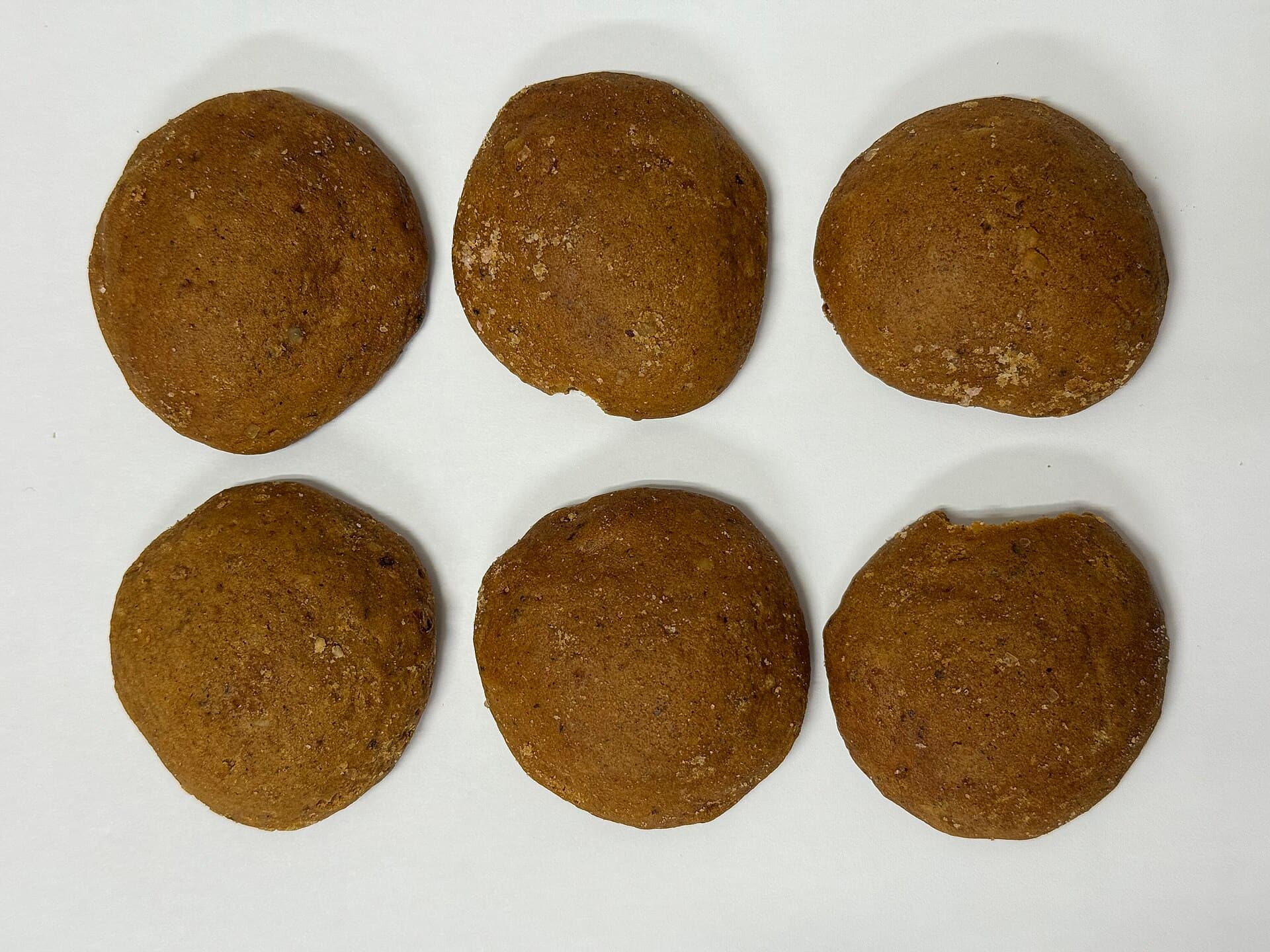
Molasses Cookies are chewy, spiced gingerbread-style cookies sweetened with rich molasses, reflecting early Appalachian and Revolutionary-era American baking traditions. These cookies were popular among settlers who used molasses as an affordable sweetener and incorporated warming spices for flavor. They became a staple of military rations and domestic kitchens during the Civil War era, offering comfort and energy.