
Recipe archive
Loading
Setting the table...
Fetching the latest recipes from the archive.
Loading
Fetching the latest recipes from the archive.
Recipe archive
America's Melting Pot
Cornbread and Beans hero image coming soon
1930-1945 - American home cooks during the Great Depression era focusing on economical sustenance.
Cornbread and beans was a nutritional and affordable meal staple during the Great Depression, combining inexpensive ingredients to create a filling dish. Beans, often pinto or kidney varieties, provided protein and fiber, while cornbread offered a comforting starch. This pairing sustained many American families through economic hardship and is now a symbolic representation of depression-era resourcefulness in foodways.
No featured photo yet. Upload a photo with your review. The highest-rated community photo may become this recipe's hero image.
Difficulty
Easy
Prep time
15 minutes
Cook time
1 hour 15 minutes
Total time
1 hour 30 minutes
Servings
6
Region
Appalachian and Ozark Depression-era farm kitchens
Era introduced
1930-1945
Introduced by
American home cooks during the Great Depression era focusing on economical sustenance.
Recipe tools
Log in to save this recipe to a collection.
During the Great Depression (1930-1945), American families often relied on simple, inexpensive food combinations like cornbread and beans to meet nutritional needs. Beans provided essential protein, while cornbread was a hearty, easy-to-make accompaniment. This meal typifies depression-era cooking strategies emphasizing economy, sustenance, and practicality, often prepared in rural and urban households alike. This pairing became embedded in regional and national food culture as a symbol of resilience.
Share family changes, regional twists, or pantry-friendly adaptations as full community recipes.
Log in to submit a community recipe.
No community recipes yet. Submitted recipes are published right away.
Rate this recipe and share how it worked at your table.
Log in to review this recipe.
No reviews yet. Be the first to rate this recipe.
Recipes matched by era, region, occasion, ingredients, and cultural roots from the archive.
Same era
America's Melting Pot
Army Chili photo coming soon
1930-1945
A practical ground-beef chili with beans, tomatoes, onion, chili powder, cumin, and paprika, adapted from Armed Forces chili con carne formulas for a family pot.
America's Melting Pot
Chicken Noodle Soup photo coming soon
1934-present
Chicken Noodle Soup is a comforting one-pot dish made by simmering chicken, vegetables, broth, and egg noodles into a nourishing soup. A staple across American kitchens for generations, it highlights simplicity, warmth, and adaptability in soups and stews throughout the country's culinary evolution.
America's Melting Pot
Chocolate Cake for a Crowd photo coming soon
1930s-1945
Chocolate Cake for a Crowd is a dessert designed to serve many people economically during the Depression and World War II eras (1930-1945). This cake reflects military and mess hall kitchens' need for practical, filling, and easily produced sweets using limited ingredients. Its simple yet rich chocolate flavor made it a favorite for community events, schools, and military gatherings where feeding large numbers was essential.
Same region
America's Melting Pot
Dandelion Salad photo coming soon
1930s-present
During the Great Depression era, home cooks turned to foraging and victory gardens for nutritious ingredients. The dandelion salad utilizes wild dandelion greens, dressed simply to provide a fresh, slightly bitter salad reflecting the resourcefulness of 1930s and 1940s American kitchens.
America's Melting Pot
Farmhouse Hash photo coming soon
1930s-present
Farmhouse Hash is a resourceful, filling dish combining potatoes, root vegetables, and available proteins cooked together, typical of Depression-era and Dust Bowl survival cooking. It reflects home cooks' adaptability during austerity, utilizing garden and pantry staples in one-pan meals.
America's Melting Pot
Foraged Greens photo coming soon
1930s-present
Foraged greens include a variety of wild edible plants collected from fields and forests, used as food during the Civil War due to scarcity and nutritional need. These hardy greens were often boiled or fried to supplement diets in difficult times.
Same table
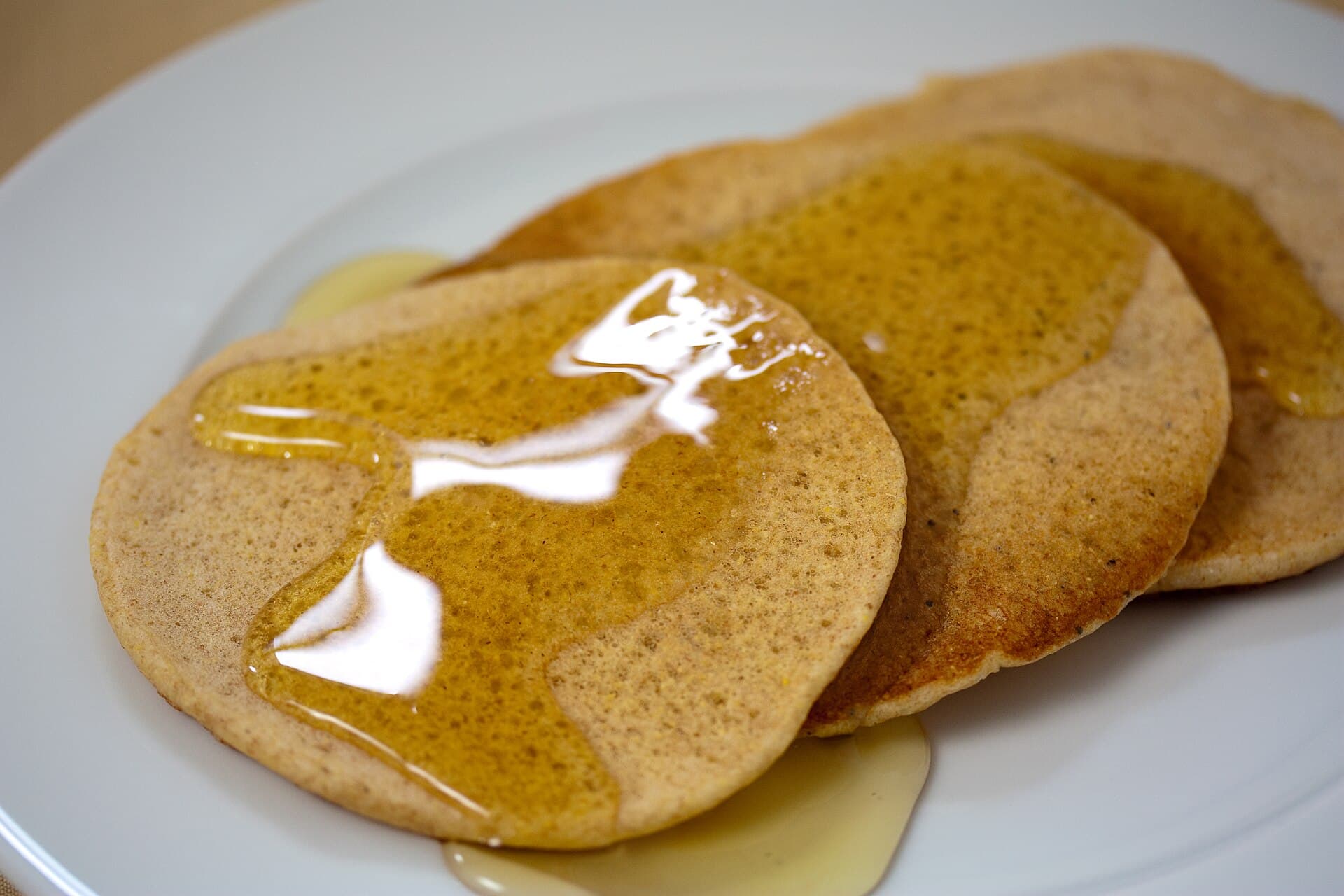
1600s-present
Cornmeal pancakes were a practical and hearty breakfast staple during the Depression and Dust Bowl years, offering an affordable, nourishing start to the day in rural and urban kitchens alike. Using simple pantry staples like cornmeal and flour, these pancakes sustained families through hard economic times and food shortages.
America's Melting Pot
Cornbread photo coming soon
1930-1945
Cornbread is a versatile quick bread made primarily from cornmeal, commonly baked or fried in the South and Appalachia during the Great Depression and World War II eras. It was a dietary staple in military mess halls and home kitchens, valued for economical ingredients and satisfying flavor. Often served alongside barbecue and holiday meals, this cornbread represents resilience and regional culinary heritage in trying times.
America's Melting Pot
Cornbread and Milk photo coming soon
1800-1860
Cornbread and milk represent a modest, nourishing staple from Appalachian frontier kitchens between 1800 and 1860. This pairing reflects the daily diets of settlers who relied on readily available cornmeal and dairy.