
Recipe archive
Loading
Setting the table...
Fetching the latest recipes from the archive.
Loading
Fetching the latest recipes from the archive.
Recipe archive
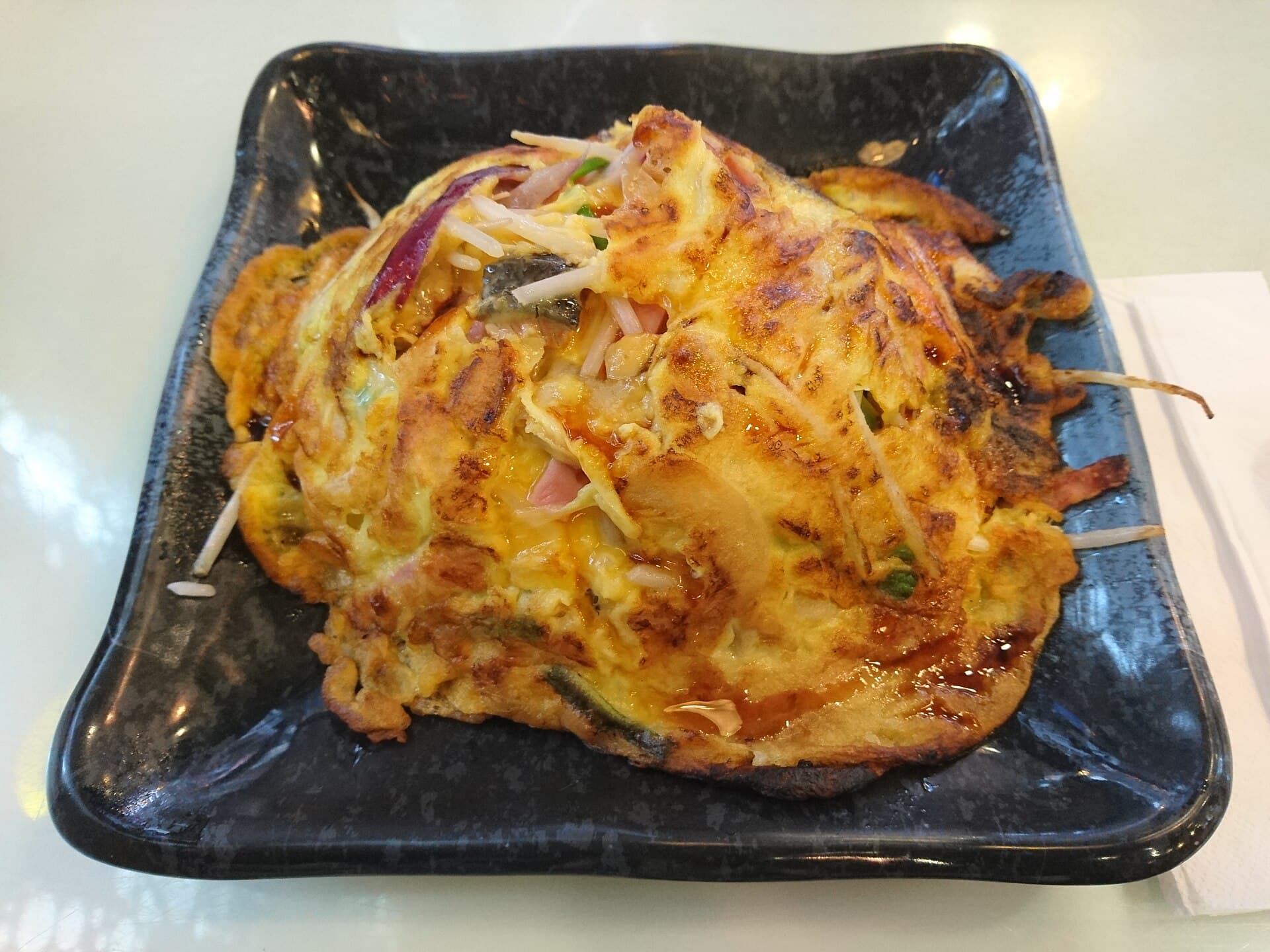
1861-1900 - Chinese-American restaurant cooks in immigrant cities.
Egg Foo Young is a omelette dish with roots in Chinese-American cuisine, featuring beaten eggs mixed with vegetables, meats, or seafood, then fried and topped with a savory brown gravy. Adapted by Chinese immigrants for American tastes, it has become a diner and lunch counter favorite.
Community-powered photos. Reviewers can upload dish photos, and the highest-rated community image may be featured here.
Difficulty
Medium
Prep time
15 minutes
Cook time
15 minutes
Total time
30 minutes
Servings
2
Region
San Francisco and Cantonese American restaurant kitchens
Era introduced
1861-1900
Introduced by
Chinese-American restaurant cooks in immigrant cities.
Recipe tools
Log in to save this recipe to a collection.
Egg Foo Young originated with Chinese immigrants adapting traditional Cantonese egg dishes to American diner-style serving. The dish consists of an egg-based omelette mixed with meat or seafood and vegetables, fried until golden, and served with rich brown gravy. This adaptation helped popularize Chinese-American cuisine in early 20th century immigrant cities, bridging familiar ingredients and new tastes in lunch counters and restaurants.
Share family changes, regional twists, or pantry-friendly adaptations as full community recipes.
Log in to submit a community recipe.
No community recipes yet. Submitted recipes are published right away.
Rate this recipe and share how it worked at your table.
Log in to review this recipe.
No reviews yet. Be the first to rate this recipe.
Recipes matched by era, region, occasion, ingredients, and cultural roots from the archive.
Same era
America's Melting Pot
Army Bean Soup photo coming soon
1861-1900
A hearty military-style bean soup built on navy beans, smoked ham hock, onion, celery, carrot, and bay leaf, adapted for a home pot from large-batch service traditions.
1861-1900
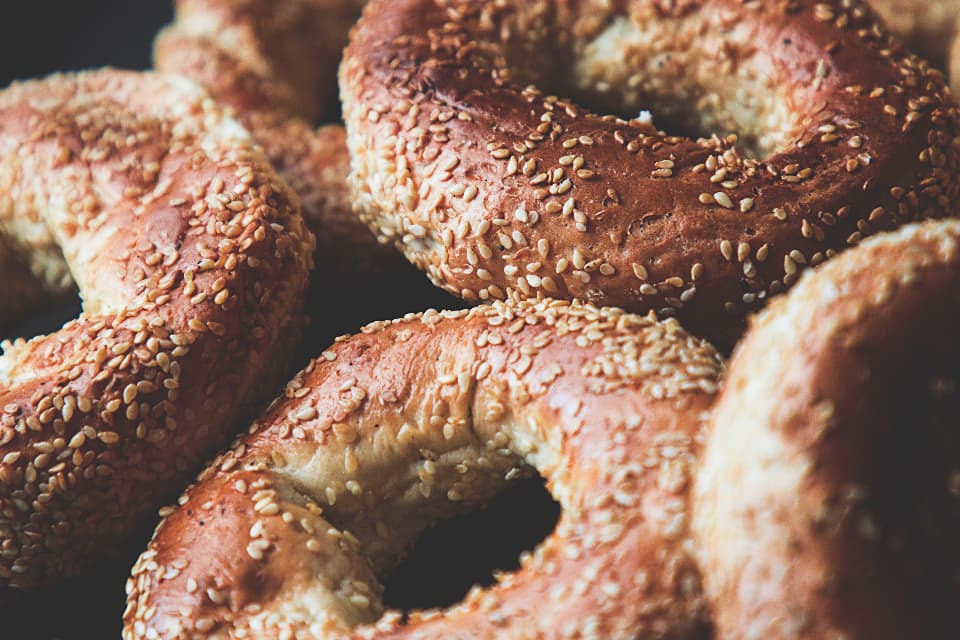
A basic homemade bagel recipe using high-protein flour, malt or brown sugar, a short boil, and a hot bake for chewy New York-style results.
America's Melting Pot
Bagels with Schmear photo coming soon
1861-1900
A deli-style bagel with a thick schmear of plain or scallion cream cheese, with optional onion, capers, tomato, and cucumber.
Same region
America's Melting Pot
Chinese Chicken Salad photo coming soon
1960s-1980s
Chinese Chicken Salad is an early Chinese-American creation blending crisp greens, shredded chicken, and crunchy elements with a tangy dressing influenced by Asian flavors. Gaining popularity in immigrant-rich urban diners and lunch counters during the early 20th century, particularly from 1900 to 1929, this salad represents the adaptation of Chinese ingredients to American salad formats, often served at city diners and state fairs as a fresh, portable dish.
America's Melting Pot
Chop Suey photo coming soon
1870s-1890s
Chop Suey is a stir-fried dish made with meat, vegetables, and a savory sauce, developed by Chinese-American cooks. It became a popular dish in American Chinese restaurants and diners during the early 1900s, adapting Chinese techniques and ingredients to American tastes and locally available produce.
1850s-1920s
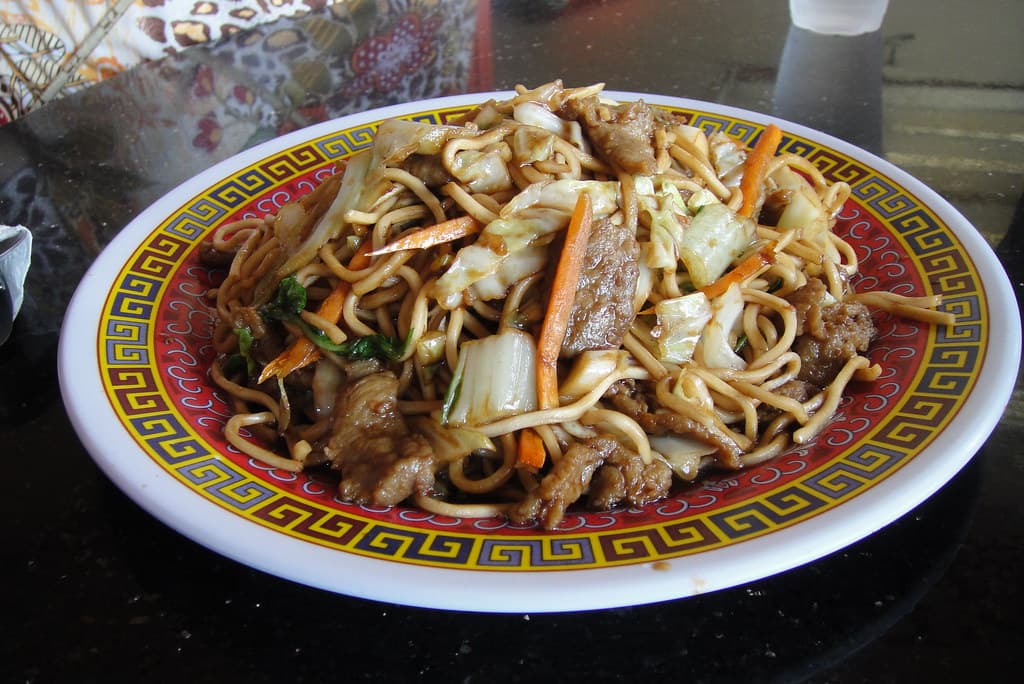
Chow Mein is a Chinese-American stir-fried noodle dish that became a fixture in early 20th-century immigrant cities and diners. Featuring crispy or soft egg noodles tossed with meat, vegetables, and a savory sauce, it was adapted to local tastes and ingredients, quickly becoming a diner and state fair favorite across the United States.
Same table
America's Melting Pot
Egg Rolls photo coming soon
1930s-present
Egg Rolls are deep-fried rolls filled with a mixture of meats, vegetables, and noodles, popularized in Chinese-American cuisine during the early 20th century. Adapted for American tastes, they are a staple appetizer at diners and takeout venues across the U.S.
1890s-present
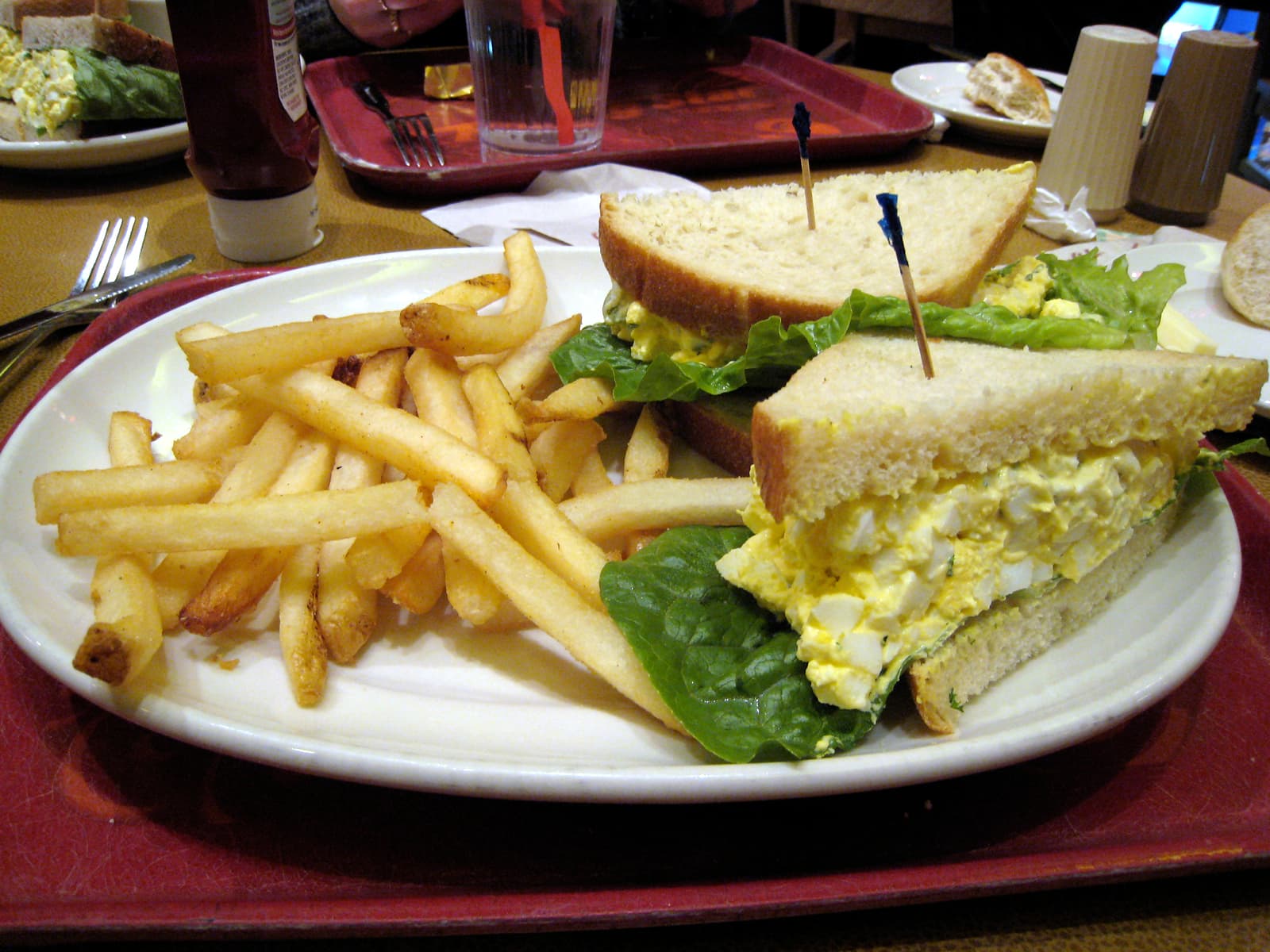
The Egg Salad Sandwich features chopped hard-boiled eggs mixed with mayonnaise and seasonings, served between slices of bread. A staple of American diners and lunch counters since the early 20th century, simple yet satisfying with variations in add-ins and bread choice.
America's Melting Pot
Moo Goo Gai Pan photo coming soon
1800s-1900s
Moo Goo Gai Pan is a staple Chinese-American dish featuring sliced chicken, mushrooms, and vegetables quickly cooked in a mild, savory sauce. It became established in American immigrant cities and diners from the early 20th century, catering to changing local tastes while retaining familiar Cantonese influences. The dish exemplifies the immigrant city culinary adaptations to American palates during early 1900s.