
Recipe archive
Loading
Setting the table...
Fetching the latest recipes from the archive.
Loading
Fetching the latest recipes from the archive.
Recipe archive
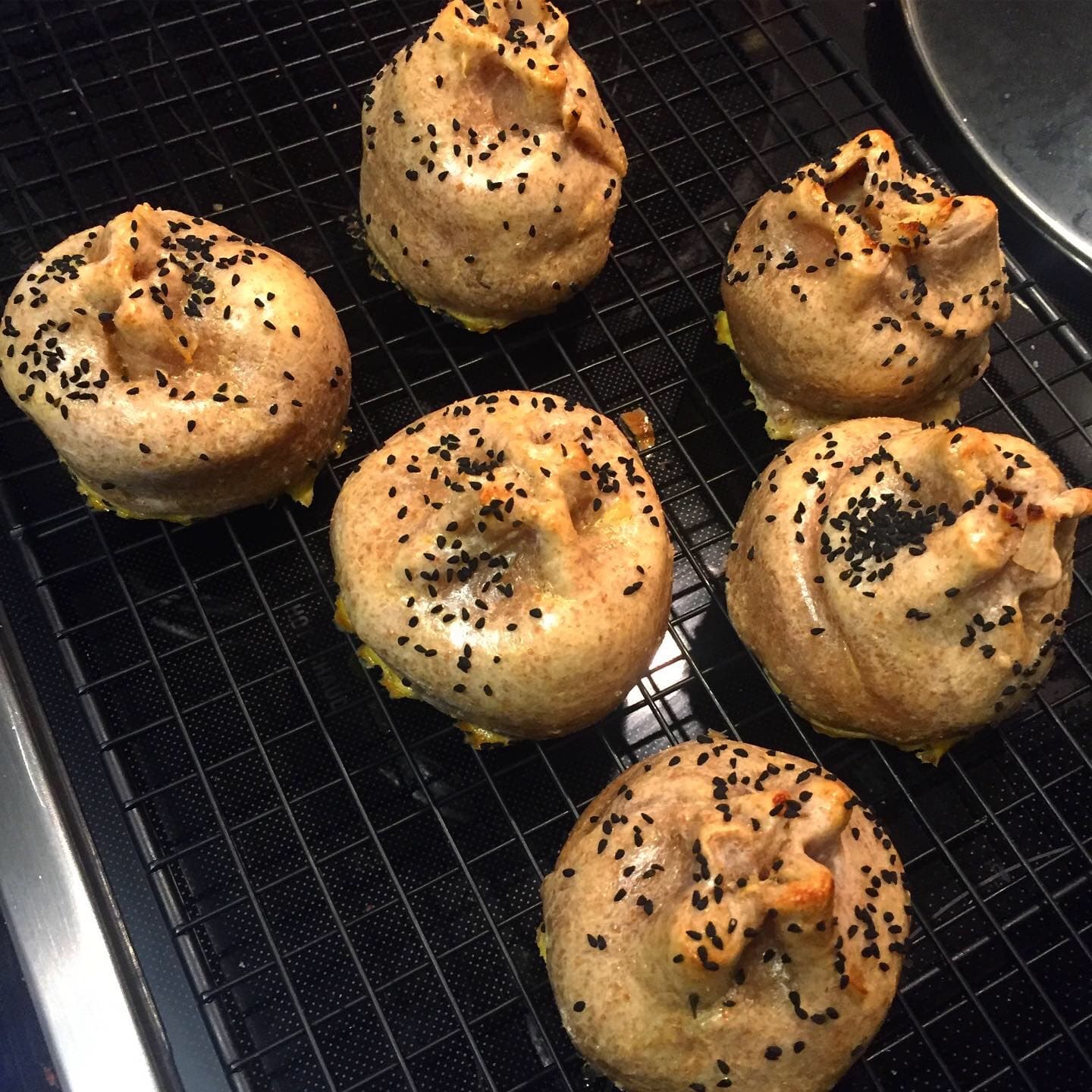
1861-1900 - Eastern European Jewish Immigrant Communities
Knishes are baked or fried dough pockets traditionally filled with mashed potatoes, meat, or kasha, brought to America by Eastern European Jewish immigrants during the late 19th century. These portable snacks became popular in urban centers, symbolizing cultural heritage and adaptation in new environments.
Community-powered photos. Reviewers can upload dish photos, and the highest-rated community image may be featured here.
Difficulty
Medium
Prep time
45 minutes
Cook time
30 minutes
Total time
1 hour 15 minutes
Servings
8
Region
New York and the Mid-Atlantic
Era introduced
1861-1900
Introduced by
Eastern European Jewish Immigrant Communities
Recipe tools
Log in to save this recipe to a collection.
Arriving in the United States between 1861 and 1900, knishes carried Eastern European Jewish culinary traditions to American urban landscapes. These filled pastries offered affordable, portable sustenance for working-class families and became iconic street foods in cities like New York, representing immigrant resilience and culinary contribution to American food culture.
Share family changes, regional twists, or pantry-friendly adaptations as full community recipes.
Log in to submit a community recipe.
No community recipes yet. Submitted recipes are published right away.
Rate this recipe and share how it worked at your table.
Log in to review this recipe.
No reviews yet. Be the first to rate this recipe.
Recipes matched by era, region, occasion, ingredients, and cultural roots from the archive.
Same era
America's Melting Pot
Army Bean Soup photo coming soon
1861-1900
A hearty military-style bean soup built on navy beans, smoked ham hock, onion, celery, carrot, and bay leaf, adapted for a home pot from large-batch service traditions.

1861-1900
A basic homemade bagel recipe using high-protein flour, malt or brown sugar, a short boil, and a hot bake for chewy New York-style results.
America's Melting Pot
Bagels with Schmear photo coming soon
1861-1900
A deli-style bagel with a thick schmear of plain or scallion cream cheese, with optional onion, capers, tomato, and cucumber.
Same region
America's Melting Pot
Black and White Shake photo coming soon
1940s-present
Black and White Shake pours old-school malt-shop cheer into a cold glass: Vanilla ice cream with chocolate syrup, especially New York diner style.
America's Melting Pot
Frozen Hot Chocolate photo coming soon
1970s-present
Frozen Hot Chocolate brings juice-bar color and American smoothie-counter energy to the glass: New York dessert-drink icon.
America's Melting Pot
Garbage Plate photo coming soon
1946-1969
The Garbage Plate is a well-known comfort food originating in Rochester, New York, combining multiple protein and starch components on one plate. Typically featuring cheeseburgers or hot dogs accompanied by home fries, macaroni salad, and beans, it is a regional specialty that exemplifies postwar American working-class cuisine with practical, plentiful ingredients.
Same table
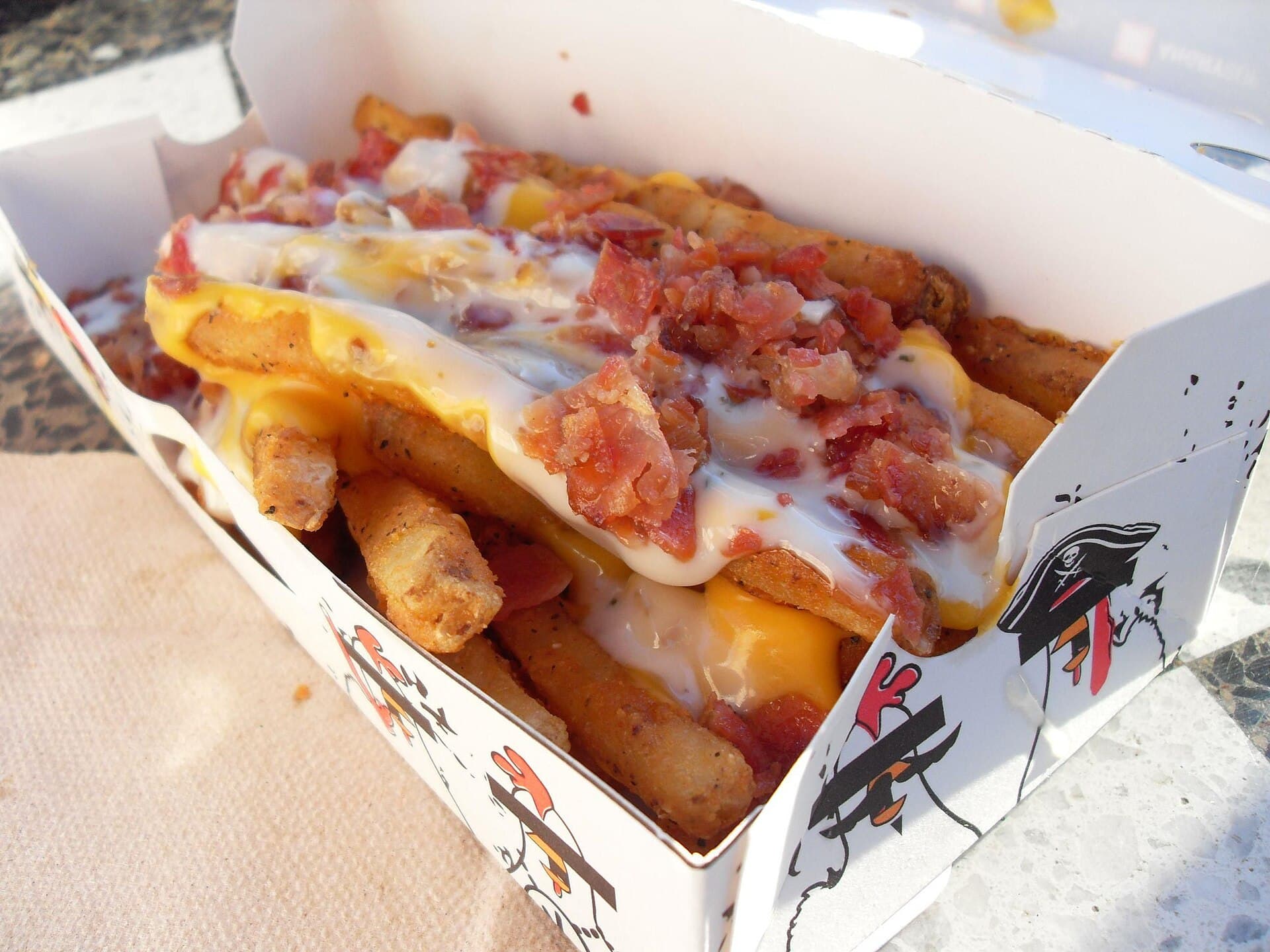
1970s-present
Loaded fries are a street food staple consisting of crispy French fries topped with a variety of ingredients such as cheese, bacon, sauces, and vegetables. They have become a popular savory snack and appetizer in American food trucks and farmers markets since the 2010s.
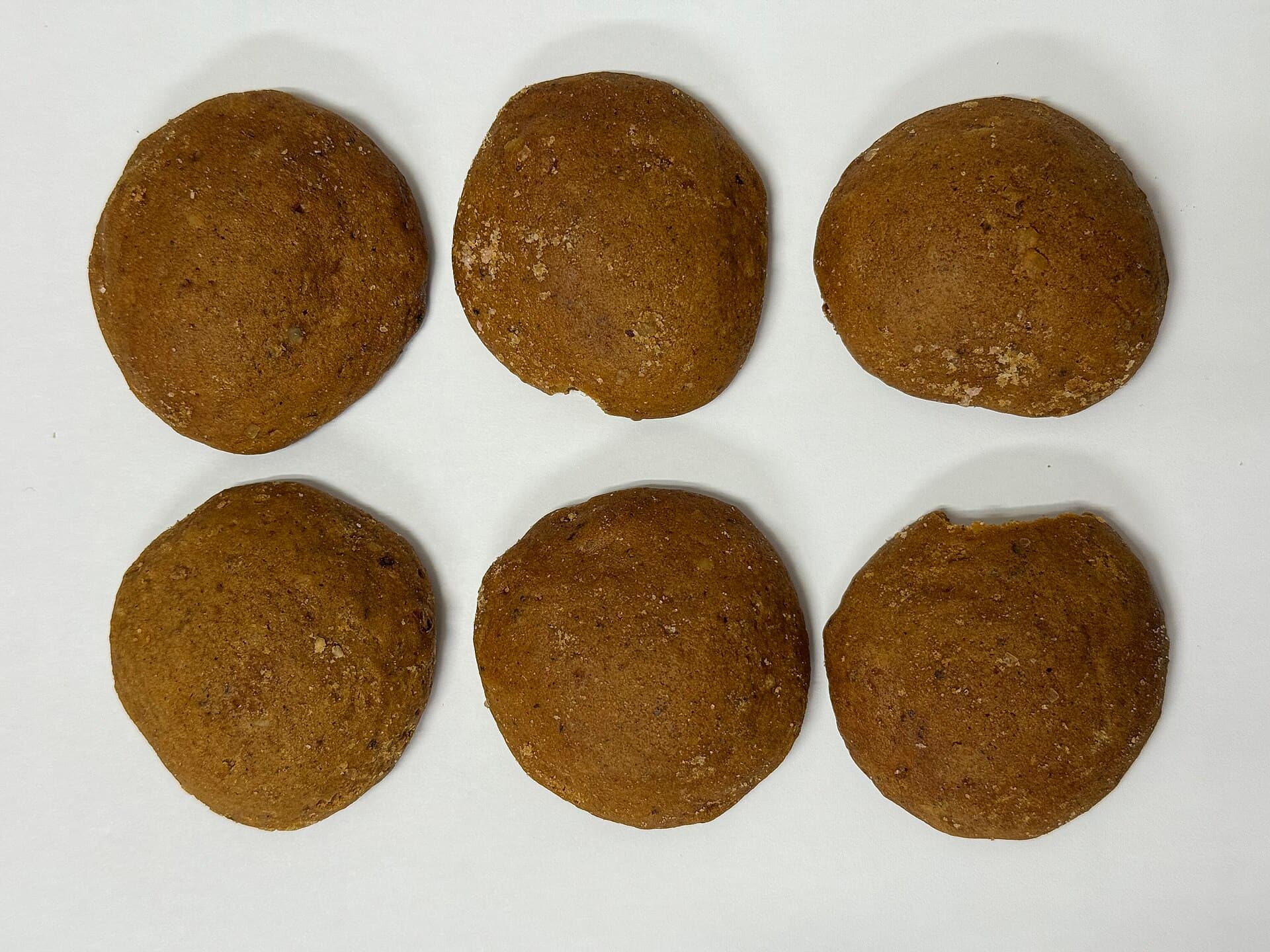
1776-1800
Molasses Cookies are chewy, spiced gingerbread-style cookies sweetened with rich molasses, reflecting early Appalachian and Revolutionary-era American baking traditions. These cookies were popular among settlers who used molasses as an affordable sweetener and incorporated warming spices for flavor. They became a staple of military rations and domestic kitchens during the Civil War era, offering comfort and energy.
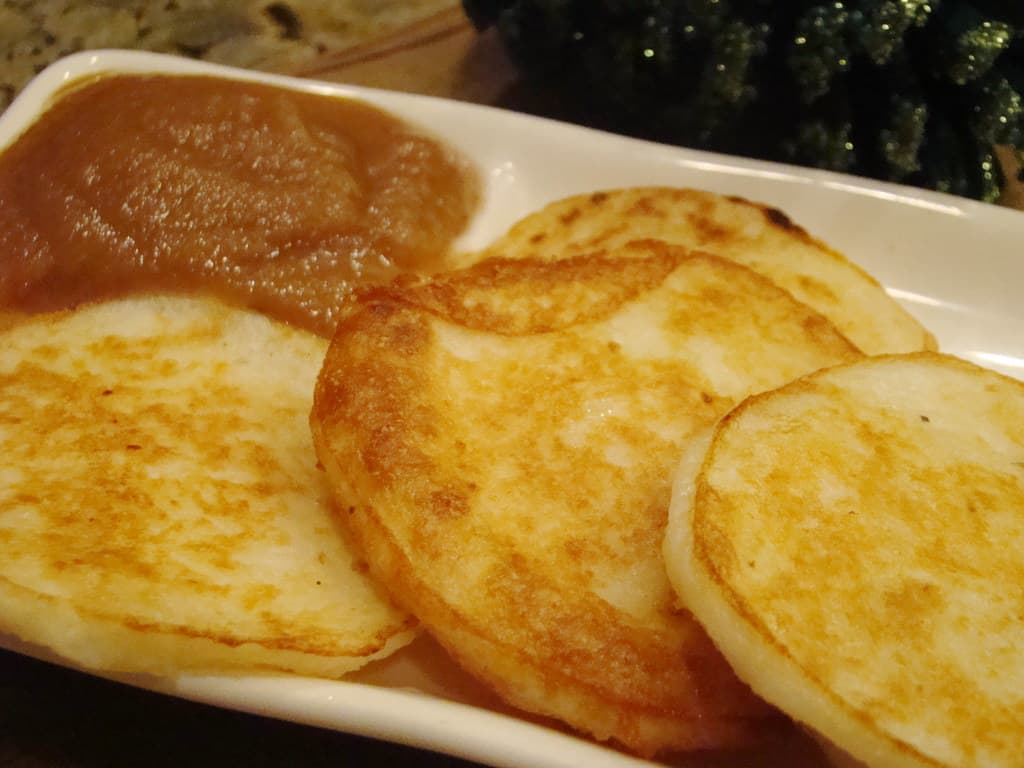
1880s-present
Latkes are fried potato pancakes traditionally served during Hanukkah, tracing back to Jewish communities of Eastern Europe. Brought to America by Jewish immigrants in the late 19th century, latkes symbolize cultural resilience and holiday observance, made from grated potatoes, onions, and eggs, fried to golden crispness and served with applesauce or sour cream.