
Recipe archive
Loading
Setting the table...
Fetching the latest recipes from the archive.
Loading
Fetching the latest recipes from the archive.
Recipe archive
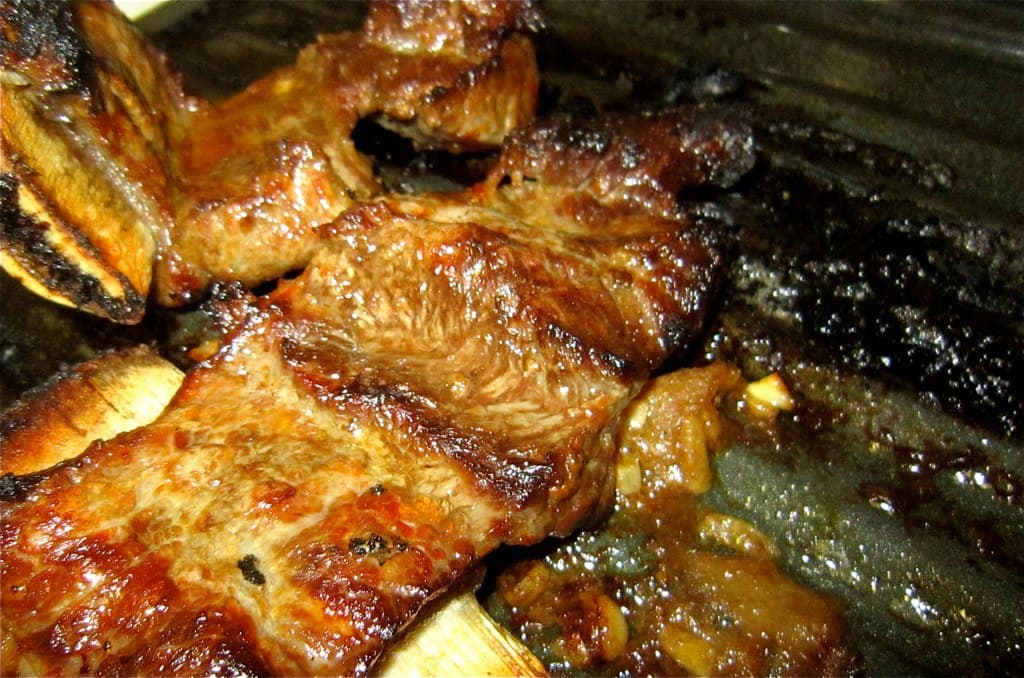
1970-1989 - Korean-American immigrant communities and suburban American barbecue culture.
Korean BBQ short ribs, known as galbi, have been adapted into American barbecue culture particularly in suburban areas from the 1990s onward. Marinated in a flavorful blend of soy sauce, garlic, sugar, and sesame oil, these ribs bring a global fusion touch to backyard grills and are featured prominently at gatherings and sports events.
Community-powered photos. Reviewers can upload dish photos, and the highest-rated community image may be featured here.
Difficulty
Medium
Prep time
30 minutes
Cook time
15 minutes
Total time
45 minutes
Servings
4-6 servings
Region
Los Angeles Koreatown Korean American barbecue kitchens
Era introduced
1970-1989
Introduced by
Korean-American immigrant communities and suburban American barbecue culture.
Recipe tools
Log in to save this recipe to a collection.
Korean BBQ short ribs became a popular suburban American dish during the 1990s and 2000s as Korean immigrant influences grew and barbecue culture embraced global flavors. Known traditionally as galbi, the dish was adapted for American grills, marrying Korean marinade techniques with local beef availability. This dish represents cross-cultural culinary exchange and the expanding palate of contemporary American barbecue.
Share family changes, regional twists, or pantry-friendly adaptations as full community recipes.
Log in to submit a community recipe.
No community recipes yet. Submitted recipes are published right away.
Rate this recipe and share how it worked at your table.
Log in to review this recipe.
No reviews yet. Be the first to rate this recipe.
Recipes matched by era, region, occasion, ingredients, and cultural roots from the archive.
Same era
America's Melting Pot
ABC Juice photo coming soon
1970s-present
ABC Juice brings juice-bar color and American smoothie-counter energy to the glass: Apple, beet, carrot.
America's Melting Pot
Auntie Anne's-Style Pretzel Bites photo coming soon
1970-1989
A homemade mall-style pretzel bite recipe with yeast dough, a baking-soda dip, coarse salt, and a generous butter finish.
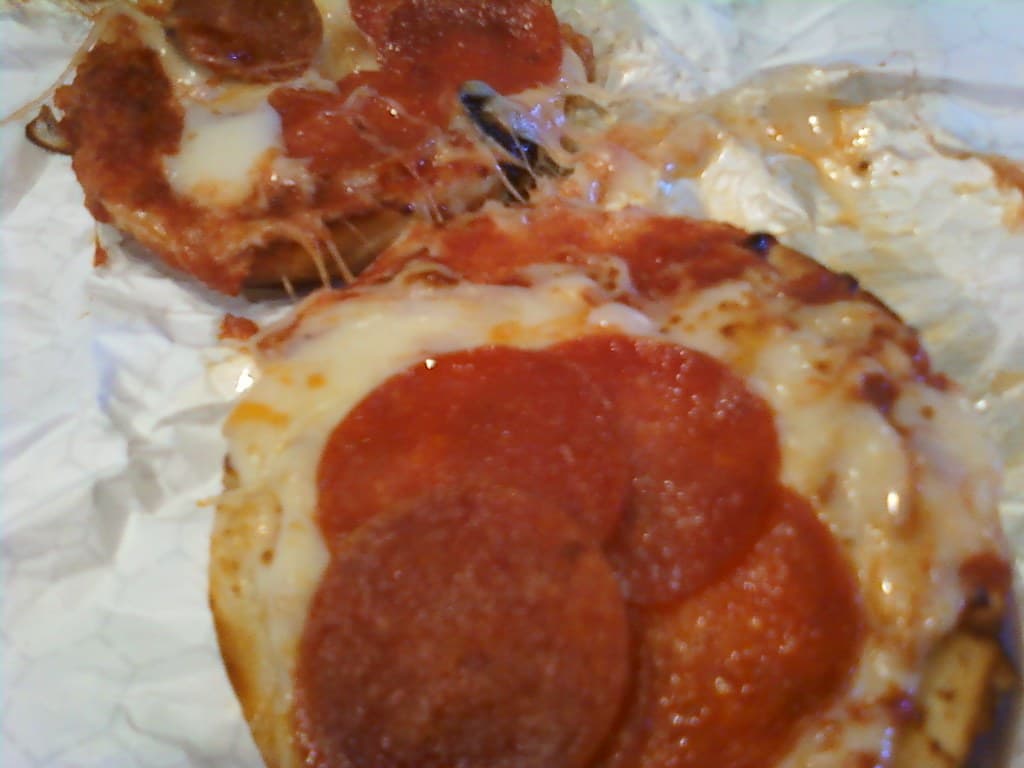
1970-1989
Split bagels topped with tomato sauce, mozzarella, oregano, and pepperoni or vegetables, baked until bubbly for a lunchbox and after-school classic.
Same region
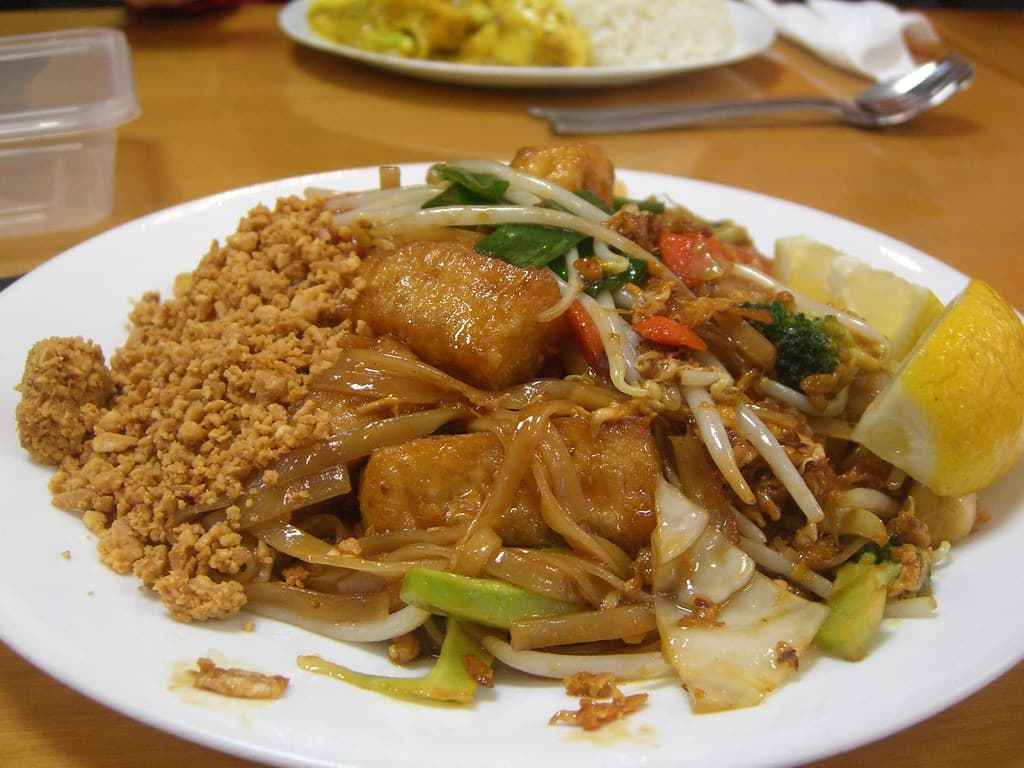
1970s-present
Pad Thai is a stir-fried rice noodle dish combining tangy, sweet, and savory flavors, adapted by immigrant and suburban American cooks. It incorporates rice noodles, peanuts, eggs, bean sprouts, and a special sauce, reflecting a fusion of Thai origins and American tastes.
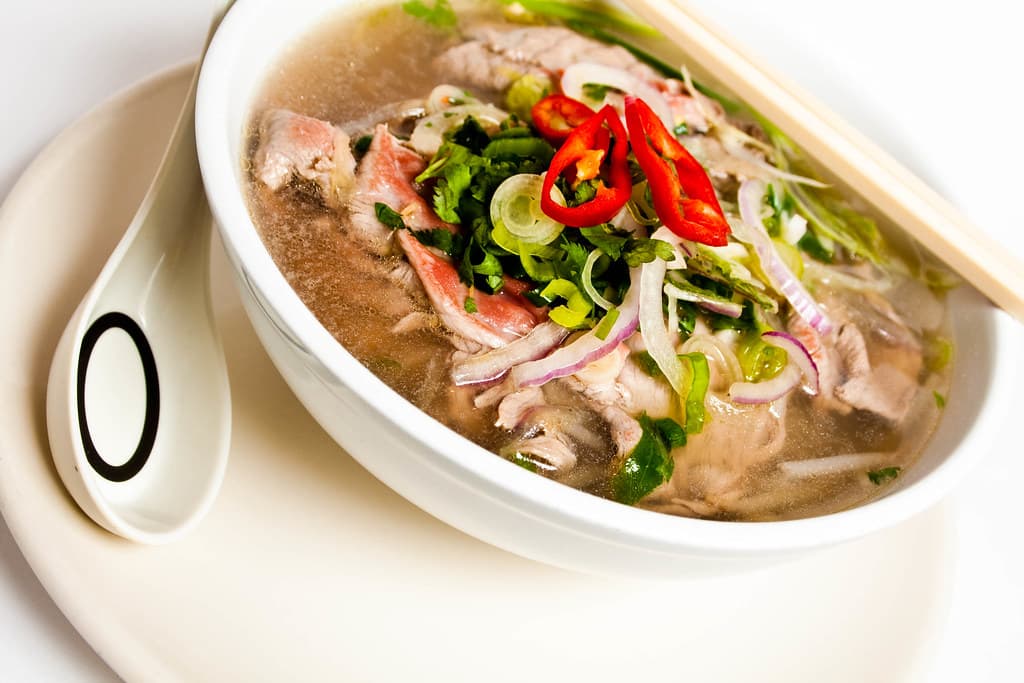
1975-present
Pho is a fragrant Vietnamese soup consisting of clear beef broth, rice noodles, herbs, and thinly sliced meat. Popularized in the United States especially in the 1990s and 2000s suburbs, it represents immigrant culinary influence blended into American food culture.
America's Melting Pot
Pupusas photo coming soon
1980s-present
Pupusas are thick Salvadoran corn masa tortillas filled with cheese, beans, or meat, then pan-fried until golden and served with curtido and salsa. This dish gained suburban American popularity in the 1990s as immigrant communities enhanced local food culture, becoming a beloved on-the-go comfort food.
Same table
2010-2026
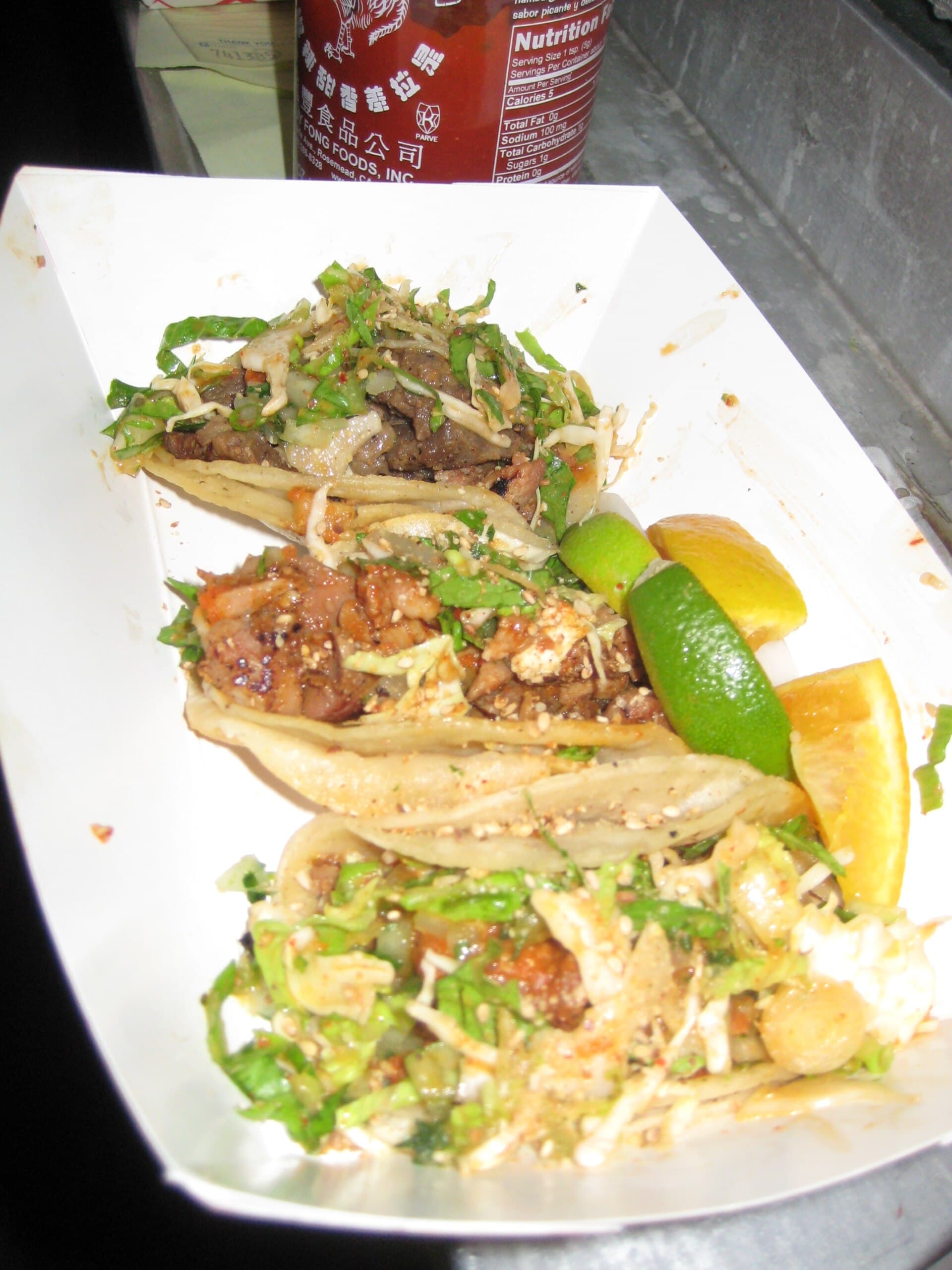
Korean BBQ tacos originated as a culinary fusion in the 2010s blending Korean marinated meats with traditional Mexican taco elements. Popularized in food trucks and markets, these tacos feature grilled Korean-style beef or pork topped with fresh slaw, kimchi, and spicy sauces, reflecting dynamic cultural intersections in American street food.
2008-present
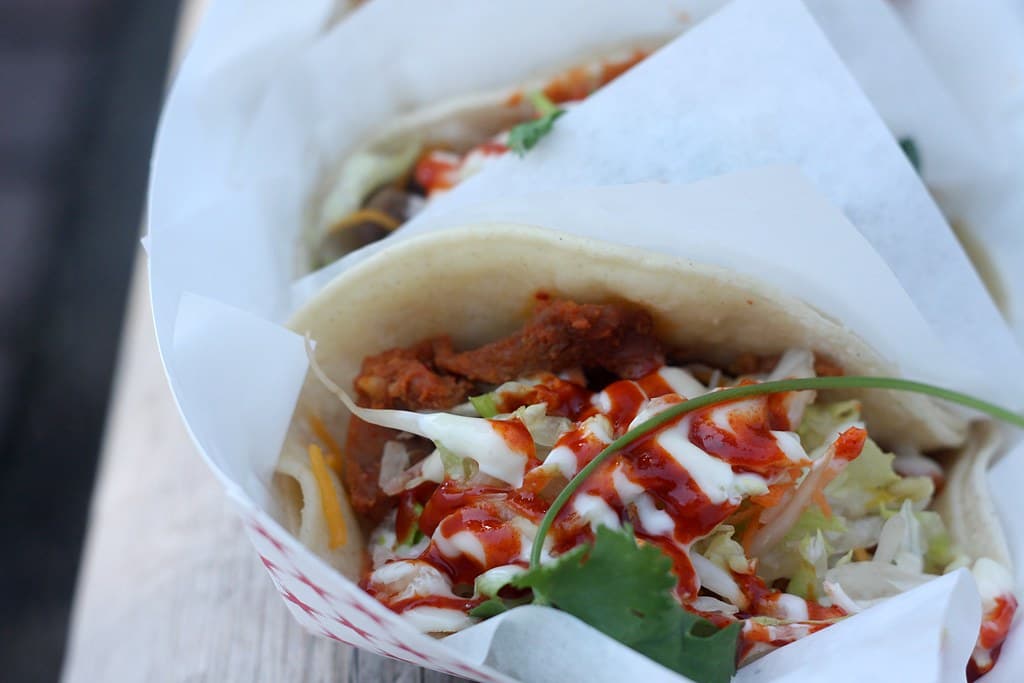
Korean tacos blend traditional Mexican taco basics with Korean flavors and ingredients, reflecting fusion trends on the U.S. West Coast. Using marinated meats, pickled vegetables, and spicy sauces, this dish showcases regional adaptation and cultural exchange in American food history.
1920-2026
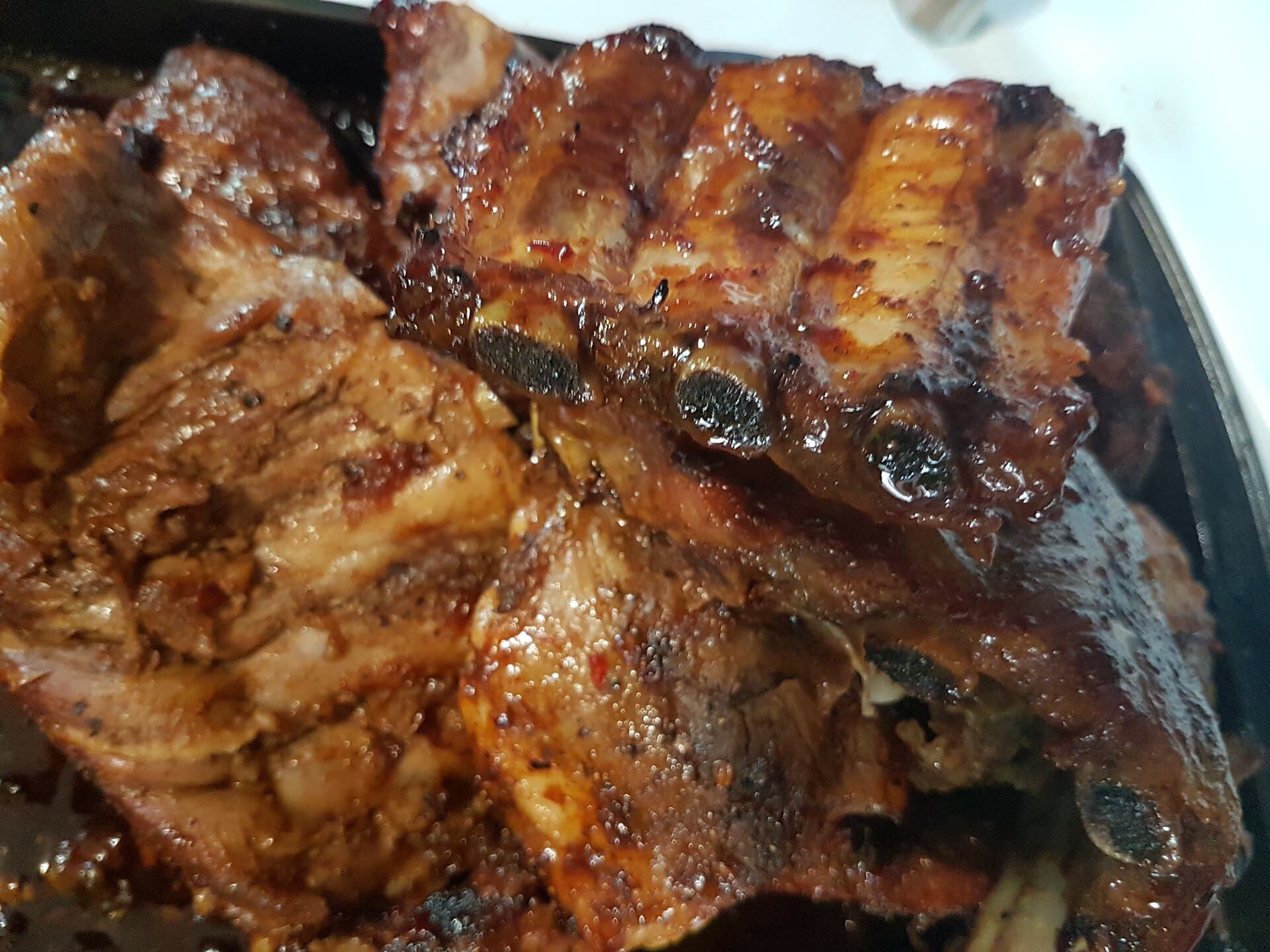
Modern barbecued ribs are newer than their old-fashioned reputation suggests. They rose with commercial meatpacking, refrigeration, barbecue stands, and postwar backyard grilling. Today ribs are a holiday and cookout centerpiece, especially when cooked gently and sauced near the end so the glaze sets instead of scorches.