
Recipe archive
Loading
Setting the table...
Fetching the latest recipes from the archive.
Loading
Fetching the latest recipes from the archive.
Recipe archive

1861-1900 - Italian immigrant families in American urban communities
Minestrone is a thick Italian-style soup combining vegetables, beans, and pasta or rice in a savory broth. In the United States post-Civil War period, it became emblematic of Italian-American immigrant food, adapted with regional ingredients to nourish families in new communities.
Community-powered photos. Reviewers can upload dish photos, and the highest-rated community image may be featured here.
Difficulty
Medium
Prep time
20 minutes
Cook time
1 hour
Total time
1 hour 20 minutes
Servings
6 servings
Region
New York City Italian immigrant tenement and red-sauce restaurant kitchens
Era introduced
1861-1900
Introduced by
Italian immigrant families in American urban communities
Recipe tools
Log in to save this recipe to a collection.
Minestrone entered American kitchens during the late 19th century as Italian immigrants brought their culinary traditions to new settlements. The hearty soup, filled with seasonal vegetables, beans, and grains or pasta, served as an economical and nutritious meal for immigrant families adapting to life in the U.S. Its flexible recipe reflects local produce and pantry availability.
Share family changes, regional twists, or pantry-friendly adaptations as full community recipes.
Log in to submit a community recipe.
No community recipes yet. Submitted recipes are published right away.
Rate this recipe and share how it worked at your table.
Log in to review this recipe.
No reviews yet. Be the first to rate this recipe.
Recipes matched by era, region, occasion, ingredients, and cultural roots from the archive.
Same era
America's Melting Pot
Army Bean Soup photo coming soon
1861-1900
A hearty military-style bean soup built on navy beans, smoked ham hock, onion, celery, carrot, and bay leaf, adapted for a home pot from large-batch service traditions.

1861-1900
A basic homemade bagel recipe using high-protein flour, malt or brown sugar, a short boil, and a hot bake for chewy New York-style results.
America's Melting Pot
Bagels with Schmear photo coming soon
1861-1900
A deli-style bagel with a thick schmear of plain or scallion cream cheese, with optional onion, capers, tomato, and cucumber.
Same region
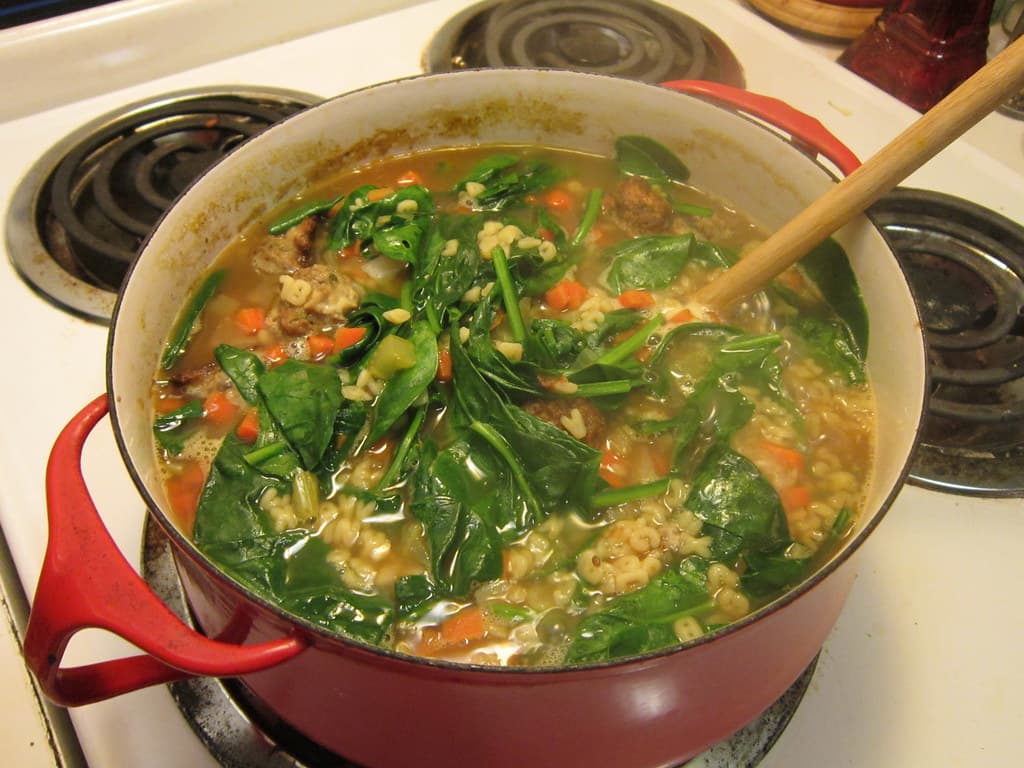
1880s-present
This Italian wedding soup combines flavorful meatballs, leafy greens, and small pasta in a savory broth, a comforting dish rooted in Italian-American tradition from the late 19th century.
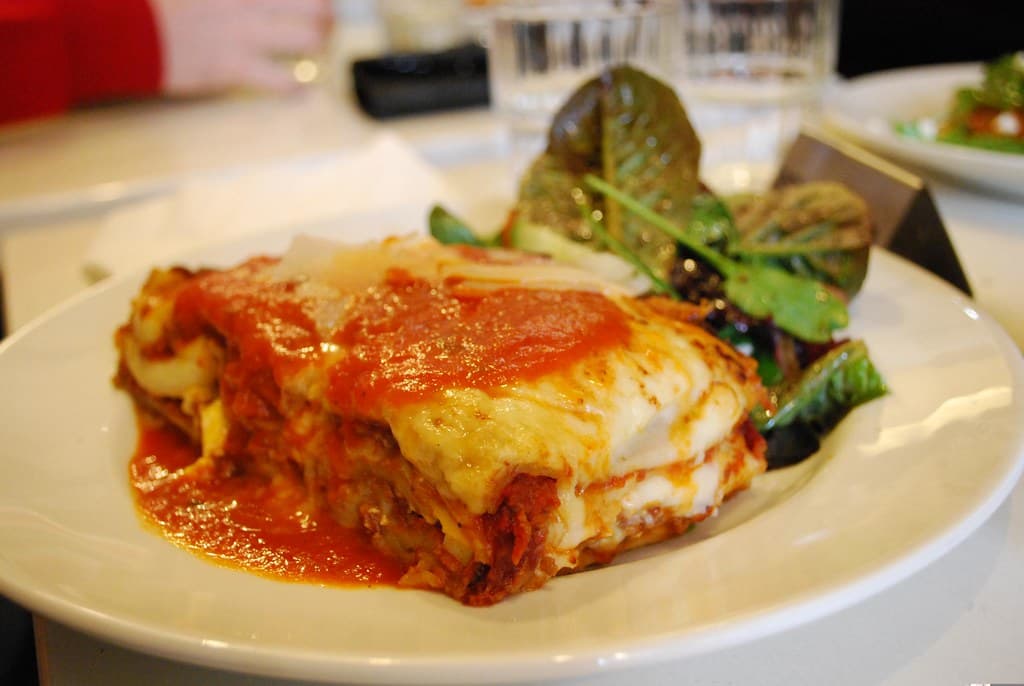
1880s-present
Lasagna is a layered baked casserole with pasta sheets, meat sauce, cheese, and often tomato and herbs. Italian immigrants introduced it to the U.S., where it became a holiday tradition and staple comfort food, especially during Christmas. Its layered nature symbolizes family and richness in American Italian cooking heritage.
America's Melting Pot
Meatballs photo coming soon
1880s-present
Hearty meatballs made of ground beef, pork, or a blend, mixed with breadcrumbs, herbs, and seasonings. Popularized in Italian-American communities during the late 19th century, often served with tomato sauce and pasta or bread.
Same table
America's Melting Pot
Cranberry Bean Stew photo coming soon
1800-1860
A robust stew featuring cranberry beans slow-cooked with vegetables and herbs, inspired by Indigenous American foodways of New England and early colonial adaptations.
America's Melting Pot
Meal Prep Burrito Bowls photo coming soon
1993-present
A versatile and nutritious burrito bowl designed for meal prep and quick eating. This recipe incorporates fresh and cooked ingredients tailored for air fryer, Instant Pot, or basic stovetop use, reflecting contemporary quick-cuisine trends.
America's Melting Pot
Crockpot Chicken and Dumplings photo coming soon
1970-1989
Crockpot Chicken and Dumplings combines tender, slow-cooked chicken in a savory broth with soft dumplings cooked atop or within the crockpot. This adapts traditional Southern comfort food to a hands-off cooking method, popular in home kitchens from the 1970s onward.