
Recipe archive
Loading
Setting the table...
Fetching the latest recipes from the archive.
Loading
Fetching the latest recipes from the archive.
Recipe archive
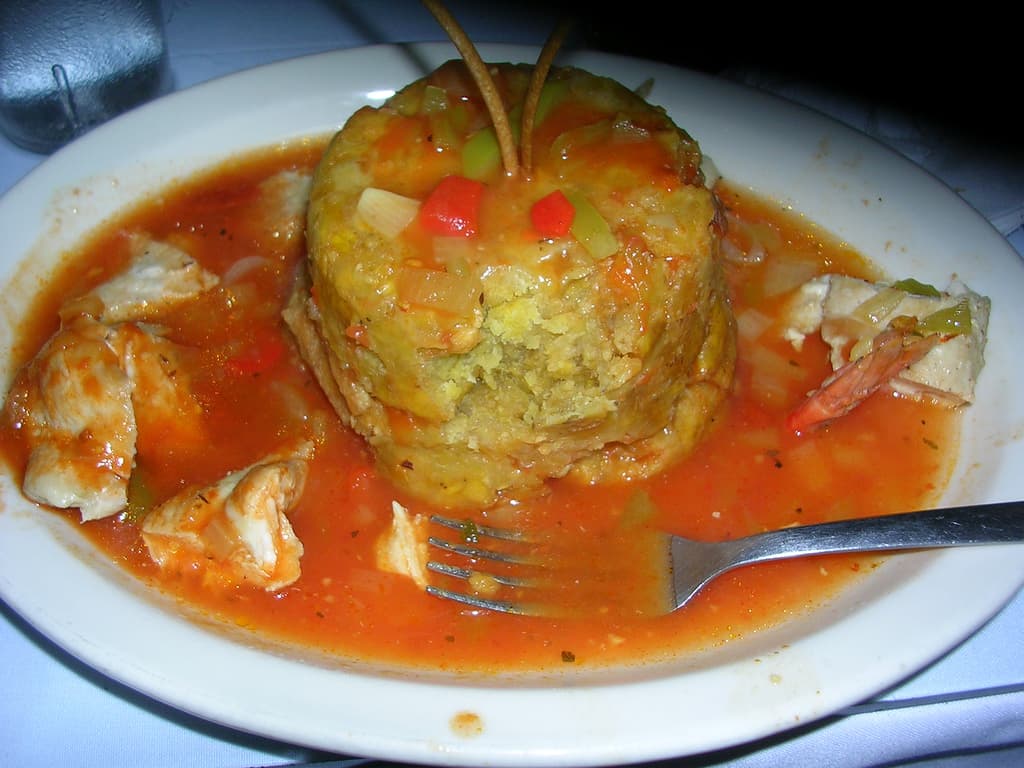
Before 1776 - Puerto Rican, Chamorro, Filipino-American, and US Virgin Islands communities
Mofongo is a traditional dish of mashed fried plantains combined with garlic, olive oil, and pork cracklings, originating from Puerto Rican and other Caribbean island communities. It holds a cross-era place in Territories and Island America foodways, blending African, Spanish, and indigenous influences. Mofongo is a staple in Puerto Rican, Chamorro, Filipino-American, and Virgin Islands kitchens, embodying diverse island cultural heritage.
Community-powered photos. Reviewers can upload dish photos, and the highest-rated community image may be featured here.
Difficulty
Medium
Prep time
20 minutes
Cook time
15 minutes
Total time
35 minutes
Servings
4 servings
Region
Puerto Rico
Era introduced
Before 1776
Introduced by
Puerto Rican, Chamorro, Filipino-American, and US Virgin Islands communities
Recipe tools
Log in to save this recipe to a collection.
Mofongo is a beloved Caribbean dish that originated in Puerto Rico and spread to other island communities such as Chamorro and Filipino-American groups, as well as the US Virgin Islands. The dish reflects centuries of cultural blending among African, Spanish, and indigenous traditions. Plantains are fried and mashed with garlic and chicharrones, creating a flavorful, starchy base often served with broth or meat. Mofongo represents the culinary resilience and cultural pride of island American territories, maintaining prominence across generations and locations.
Share family changes, regional twists, or pantry-friendly adaptations as full community recipes.
Log in to submit a community recipe.
No community recipes yet. Submitted recipes are published right away.
Rate this recipe and share how it worked at your table.
Log in to review this recipe.
No reviews yet. Be the first to rate this recipe.
Recipes matched by era, region, occasion, ingredients, and cultural roots from the archive.
Same era
1500s-present
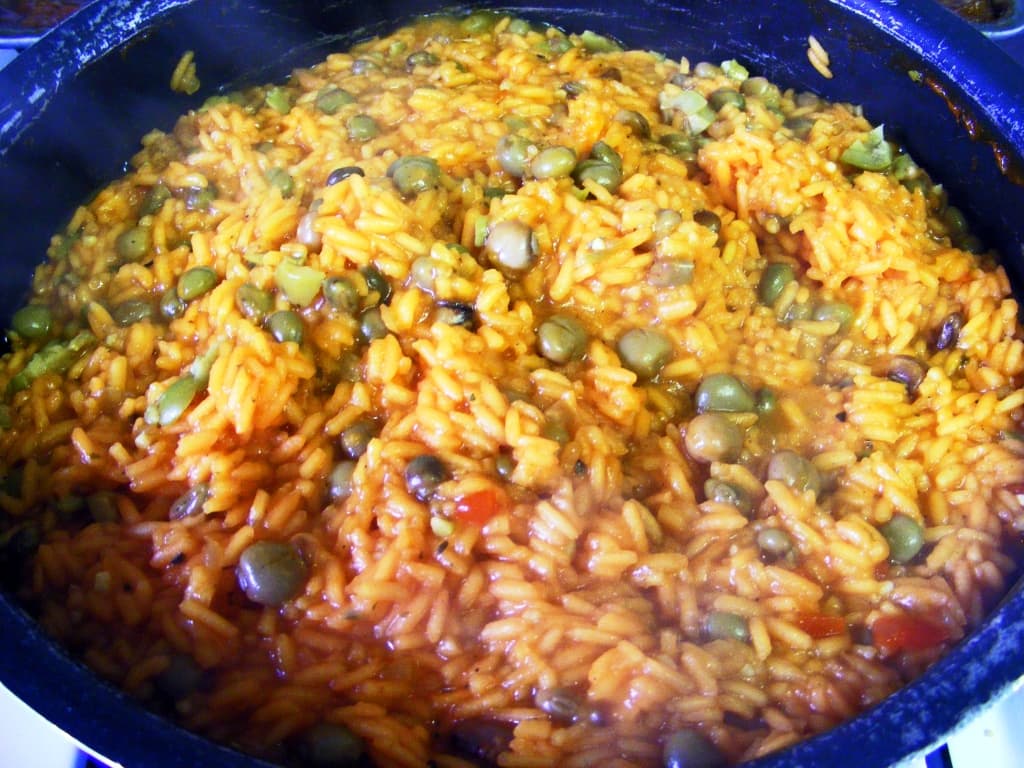
A Puerto Rican arroz con gandules made in one pot with medium-grain rice, pigeon peas, sofrito, sazon, pork, olives, and a patient steam for fluffy grains and coveted pegao.
America's Melting Pot
Chokecherry Sauce photo coming soon
pre-1776-present
Chokecherry Sauce is a tart and flavorful condiment made from the chokecherry fruit, historically prepared by Indigenous American peoples across the United States from the early 19th century. This sauce functions as an accompaniment to game meats and poultry, showcasing native foraging and preservation techniques during the Expansion and Young Republic period. It exemplifies Indigenous foodways adapted to settler tables while maintaining cultural culinary heritage.
pre-1776-present
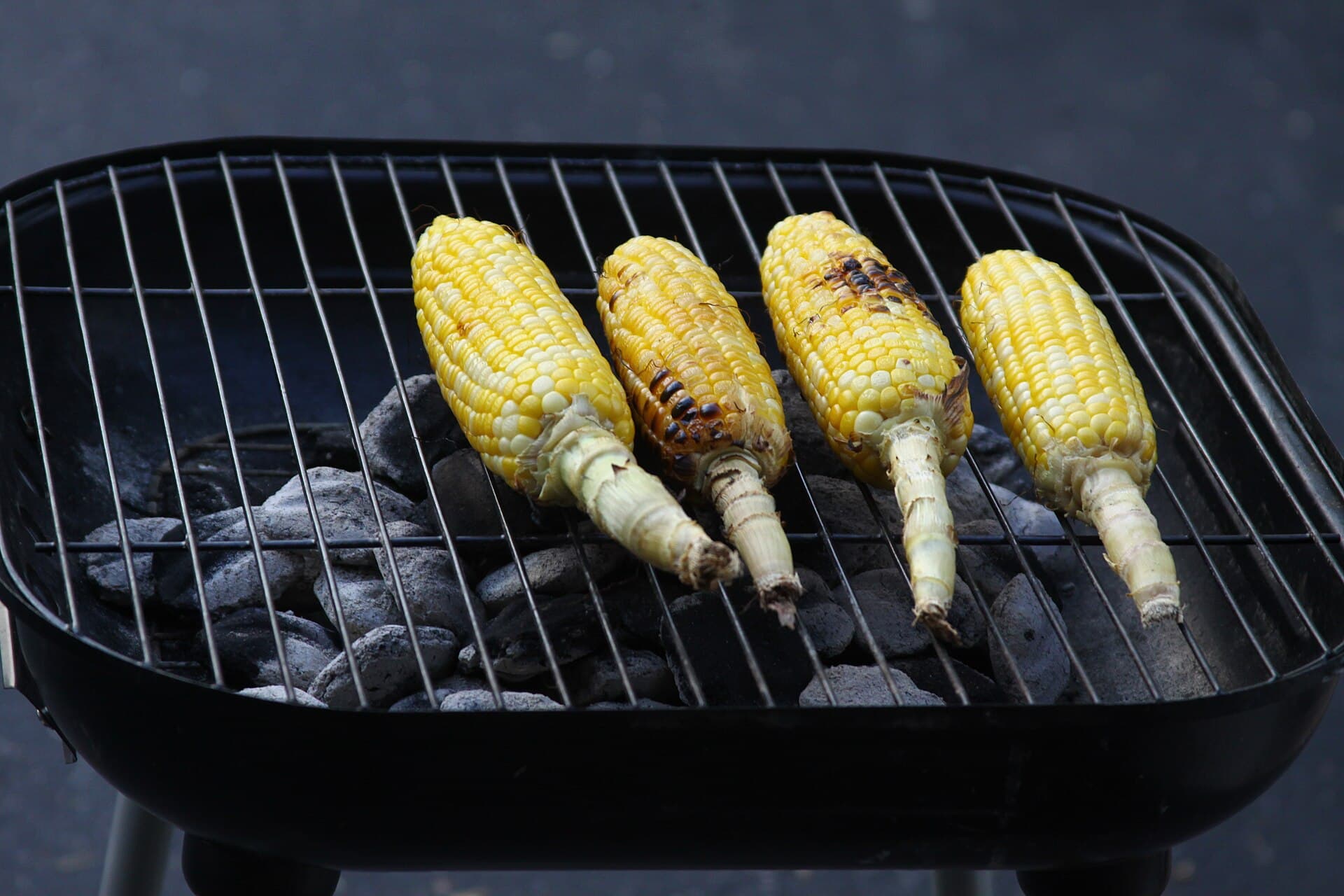
Corn on the cob is a simple, beloved summer side dish traditionally enjoyed at Fourth of July celebrations and backyard cookouts across the United States. Boiled or grilled fresh corn with butter and salt has long been a staple of American holiday tables.
Same region
1500s-present
A Puerto Rican arroz con gandules made in one pot with medium-grain rice, pigeon peas, sofrito, sazon, pork, olives, and a patient steam for fluffy grains and coveted pegao.
America's Melting Pot
Pasteles photo coming soon
pre-1843/20th century holiday staple-present
Pasteles are savory Puerto Rican and island-style tamale-like parcels made with green banana dough filled with seasoned meats and wrapped in banana leaves, then boiled. A cultural staple in island communities and diaspora celebrations.
America's Melting Pot
Puerto Rican Pernil photo coming soon
1500s-present
Puerto Rican Pernil is a flavorful marinated pork shoulder slow-roasted to tender perfection. It is an iconic dish in Puerto Rico and other island territories, deeply embedded in festive and family celebrations.
Same table
America's Melting Pot
Wild Rice Soup photo coming soon
1800-1860
Wild Rice Soup is a creamy, savory dish featuring indigenous wild rice combined with vegetables and broth, popular in the American Midwest since the early 19th century. It reflects Native American foodways adapted into settler cooking traditions with regional ingredients.
1861-1900
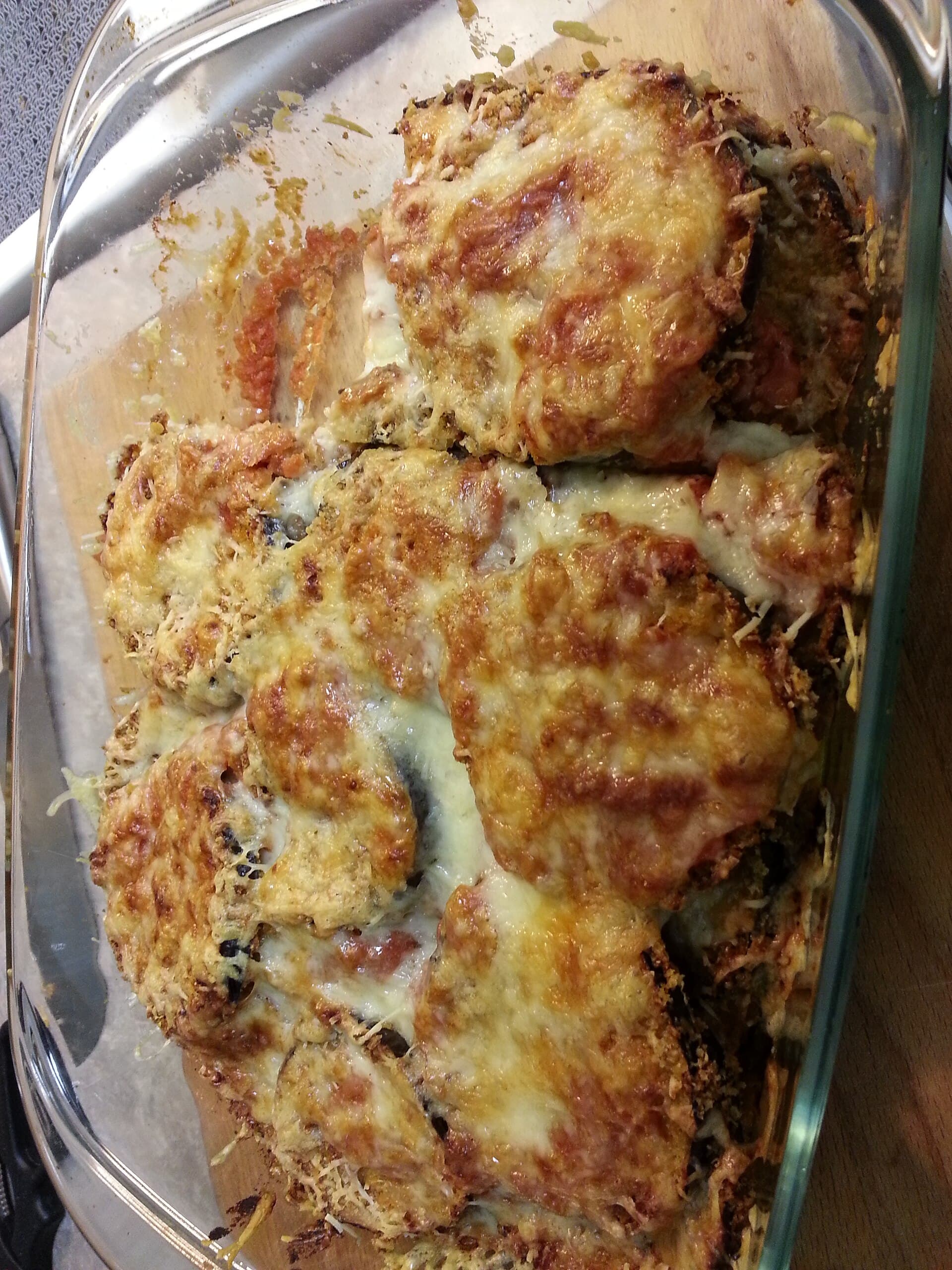
Eggplant Parmesan is an Italian-American casserole featuring breaded, fried eggplant slices layered with tomato sauce, mozzarella, and Parmesan cheese, baked until bubbly and golden. Popularized in Italian-American communities post-Civil War settlement era, it exemplifies adaptation of Italian culinary traditions in America.
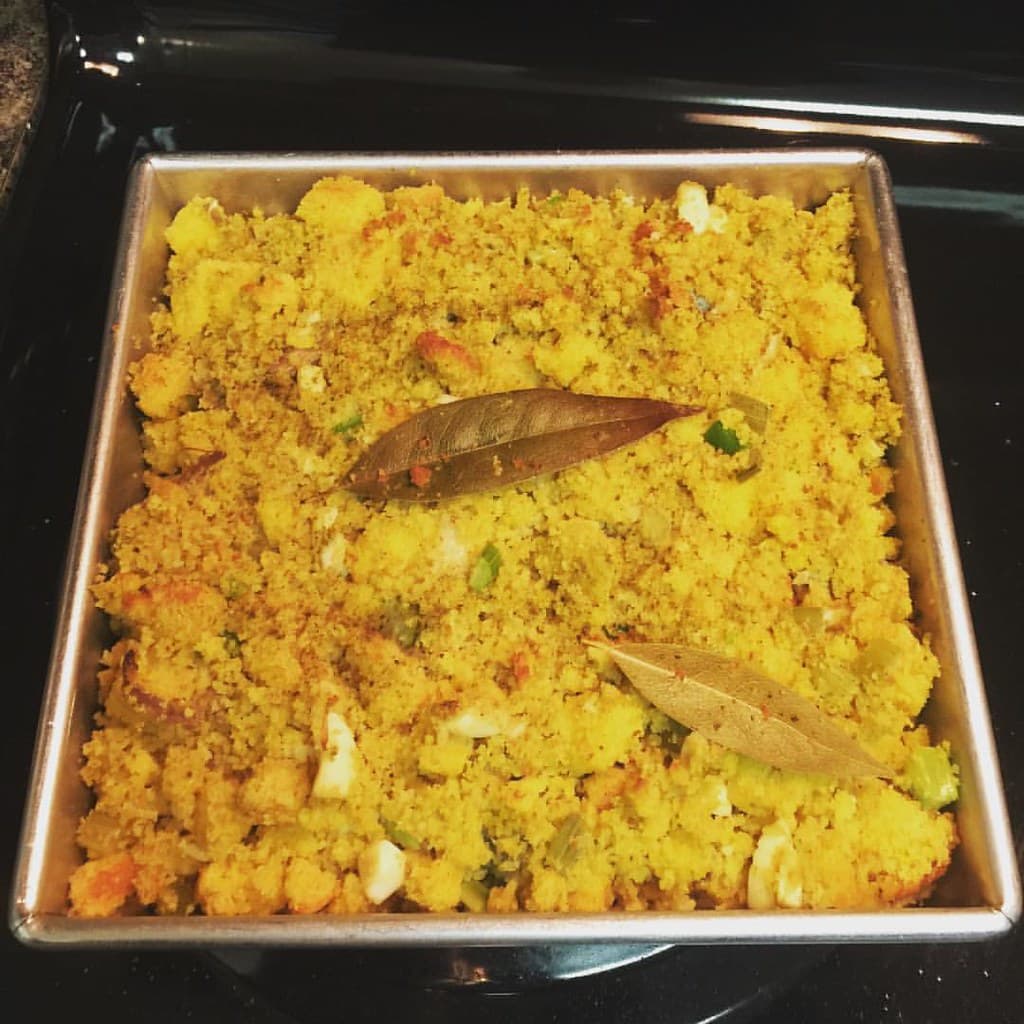
1800-1860
Cornbread dressing is a savory Southern side enjoyed especially during Thanksgiving, combining crumbled cornbread with herbs and often broth for moist stuffing.