
Recipe archive
Loading
Setting the table...
Fetching the latest recipes from the archive.
Loading
Fetching the latest recipes from the archive.
Recipe archive

1861-1900 - Modern American home cooks and food bloggers influenced by viral internet culinary trends.
Overnight Oats are a convenient, no-cook breakfast preparation where oats soak overnight in liquid, resulting in creamy, ready-to-eat oatmeal. Popularized via social media and internet food trends since 2010, this dish represents modern American preferences for quick, healthy, customizable breakfasts.
Community-powered photos. Reviewers can upload dish photos, and the highest-rated community image may be featured here.
Difficulty
Easy
Prep time
5 minutes (plus overnight soak)
Cook time
0 minutes
Total time
8 hours plus active time
Servings
1
Region
Ravenna and Akron, Ohio oat-milling kitchens
Era introduced
1861-1900
Introduced by
Modern American home cooks and food bloggers influenced by viral internet culinary trends.
Recipe tools
Log in to save this recipe to a collection.
Emerging from the early 2010s internet food trends and promoted for its convenience and nutritional benefits, Overnight Oats provide a quick, no-cook breakfast option. Soaking oats in milk or yogurt softens them for creamy texture ready when woken up. This dish exemplifies modern American adaptations to busy lifestyles, wellness trends, and social media-driven culinary innovation.
Share family changes, regional twists, or pantry-friendly adaptations as full community recipes.
Log in to submit a community recipe.
No community recipes yet. Submitted recipes are published right away.
Rate this recipe and share how it worked at your table.
Log in to review this recipe.
No reviews yet. Be the first to rate this recipe.
Recipes matched by era, region, occasion, ingredients, and cultural roots from the archive.
Same era
America's Melting Pot
Army Bean Soup photo coming soon
1861-1900
A hearty military-style bean soup built on navy beans, smoked ham hock, onion, celery, carrot, and bay leaf, adapted for a home pot from large-batch service traditions.

1861-1900
A basic homemade bagel recipe using high-protein flour, malt or brown sugar, a short boil, and a hot bake for chewy New York-style results.
America's Melting Pot
Bagels with Schmear photo coming soon
1861-1900
A deli-style bagel with a thick schmear of plain or scallion cream cheese, with optional onion, capers, tomato, and cucumber.
Same region
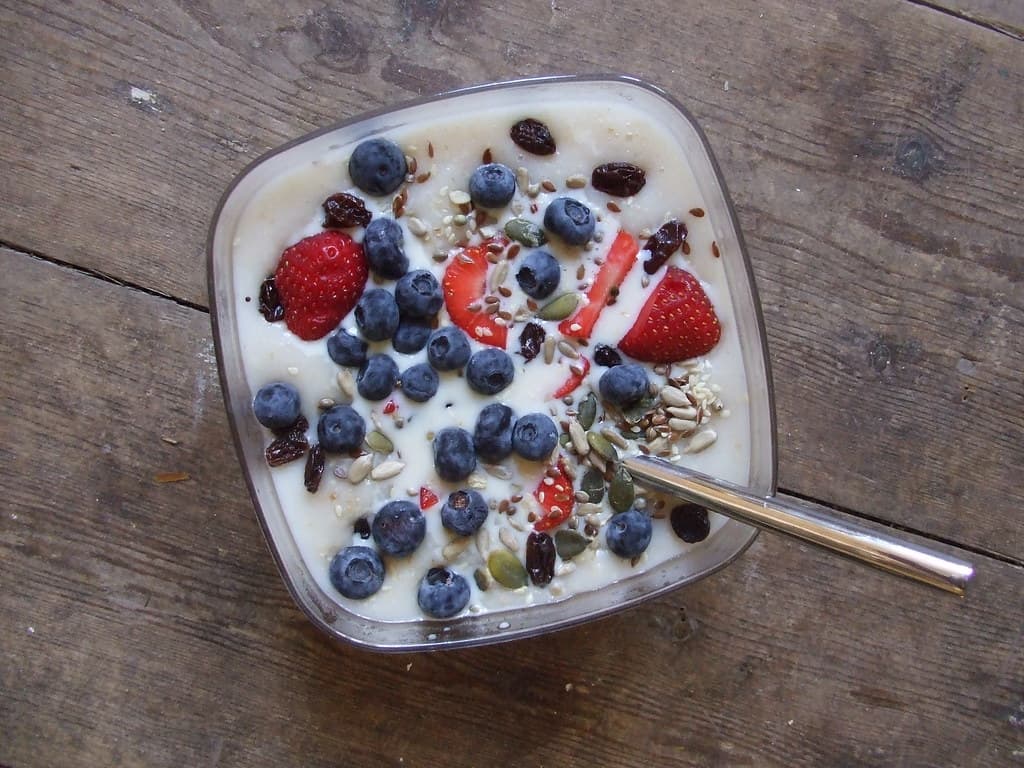
1870s-present
Oatmeal is a traditional, hearty breakfast cereal made by cooking oats in water or milk until creamy. Known across American households for its versatility and nutritional value, oatmeal has long been a staple on breakfast tables, celebrated for warmth and comfort.
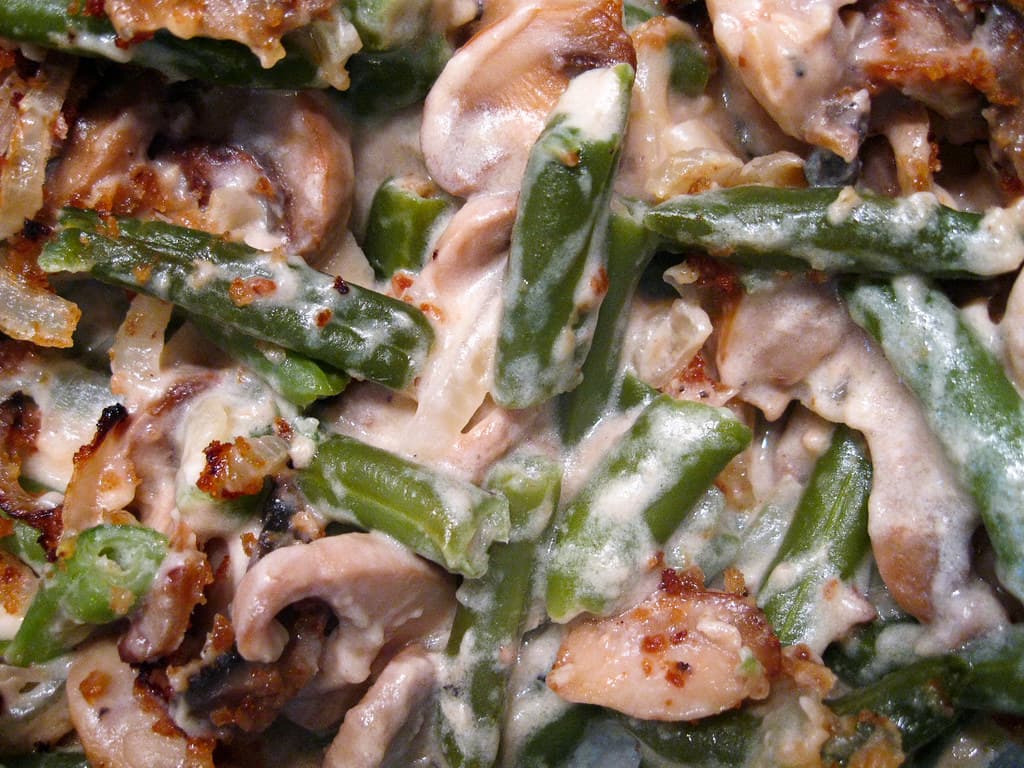
1900-1929
Green Bean Casserole is a staple side dish in Midwestern American holiday tables, church suppers, and school gatherings. Combining green beans, cream of mushroom soup, and crispy fried onions, it became widely popular in the early 20th century and remains a comforting, familiar casserole.
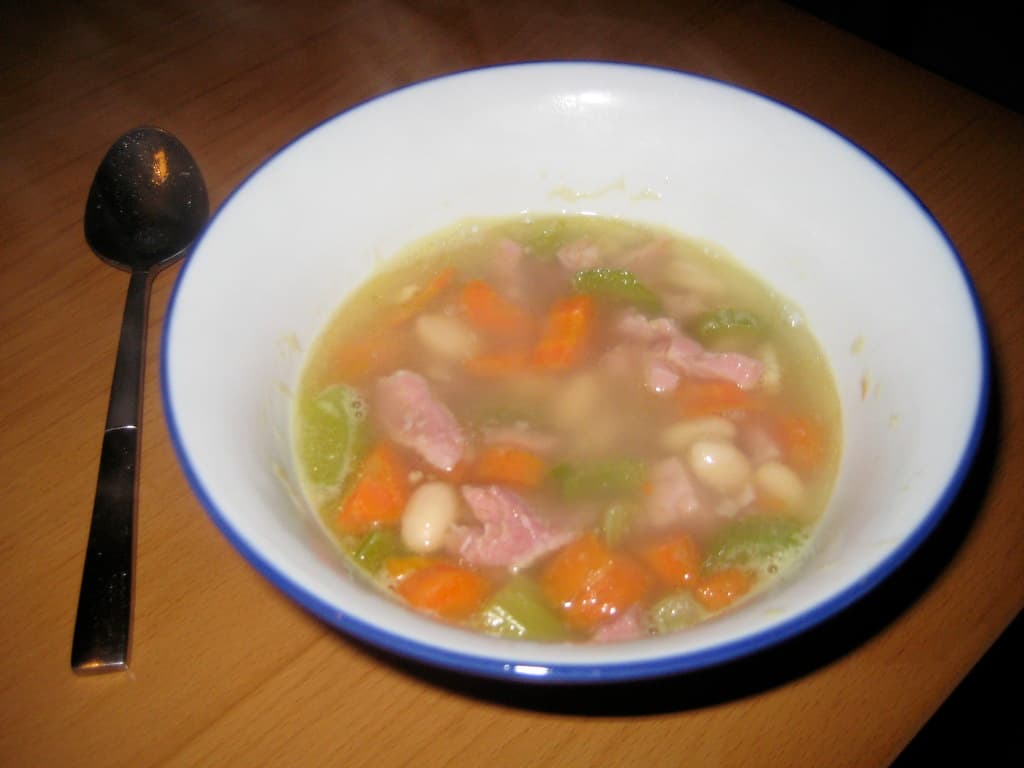
1800s-present
Ham and bean soup is a hearty, economical stew that sustained workers in American railroads, mining camps, and boardinghouses during the late 19th century. Utilizing leftover ham and dried beans, it embodies practical, resourceful cooking of the Reconstruction and settlement era.
Same table
America's Melting Pot
Whipped Coffee photo coming soon
2020-present
Whipped Coffee, a creamy, airy coffee drink made by whipping instant coffee with sugar and water then adding milk, gained viral popularity via social media in the 2010s and 2020s. Its easy preparation and visually appealing layers made it a sensation among home baristas and younger consumers.
America's Melting Pot
Corn Pone photo coming soon
1776-1800
Corn pone is a simple, unleavened corn bread originating in early American Southern kitchens. Made with basic ingredients, it was a staple food for families from the Revolutionary period onward, often baked in a skillet or hearth oven.
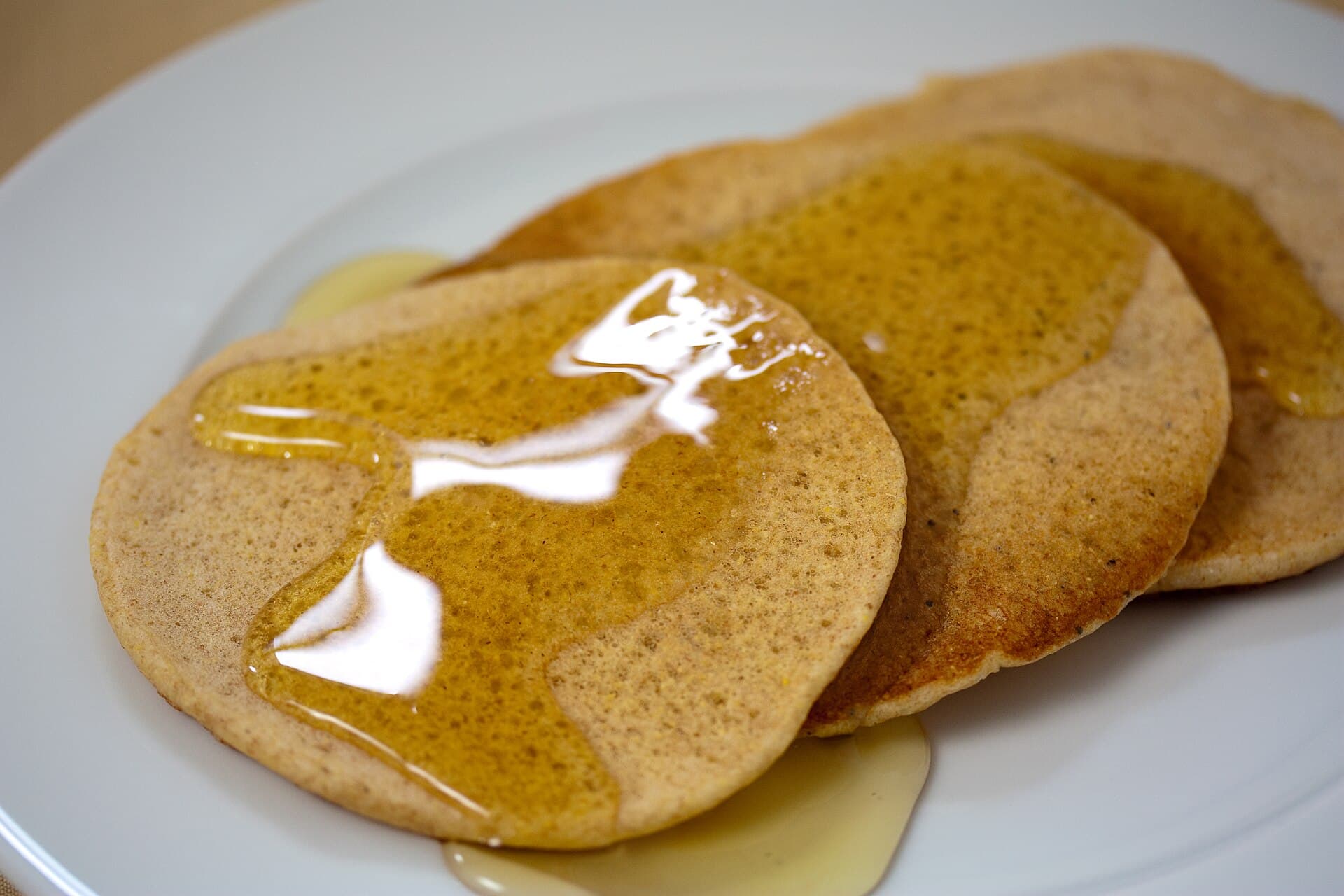
1600s-present
Cornmeal pancakes were a practical and hearty breakfast staple during the Depression and Dust Bowl years, offering an affordable, nourishing start to the day in rural and urban kitchens alike. Using simple pantry staples like cornmeal and flour, these pancakes sustained families through hard economic times and food shortages.