
Recipe archive
Loading
Setting the table...
Fetching the latest recipes from the archive.
Loading
Fetching the latest recipes from the archive.
Recipe archive
America's Melting Pot
Peanut Butter Bread hero image coming soon
1861-1900 - Depression-era American home bakers adapting recipes for nutrition and economy.
Peanut butter bread emerged during the Great Depression as a practical way to enrich simple bread dough with added protein and flavor. This bread combines pantry staples to create a satisfying loaf ideal for stretching limited resources affordably.
No featured photo yet. Upload a photo with your review. The highest-rated community photo may become this recipe's hero image.
Difficulty
Medium
Prep time
20 minutes
Cook time
30 minutes
Total time
1 hour 10 minutes (including rising)
Servings
1 loaf (10 slices)
Region
Battle Creek, Michigan sanitarium food laboratories
Era introduced
1861-1900
Introduced by
Depression-era American home bakers adapting recipes for nutrition and economy.
Recipe tools
Log in to save this recipe to a collection.
During the economic hardships of the 1930s and early 1940s, home cooks often incorporated peanut butter into breads to boost protein content and flavor without costly ingredients. This bread reflects adaptive cooking in wartime and Depression-era kitchens where thrift and nutrition were balanced. Peanut butter bread represents resilience and innovation in American home baking traditions of the period.
Share family changes, regional twists, or pantry-friendly adaptations as full community recipes.
Log in to submit a community recipe.
No community recipes yet. Submitted recipes are published right away.
Rate this recipe and share how it worked at your table.
Log in to review this recipe.
No reviews yet. Be the first to rate this recipe.
Recipes matched by era, region, occasion, ingredients, and cultural roots from the archive.
Same era
America's Melting Pot
Army Bean Soup photo coming soon
1861-1900
A hearty military-style bean soup built on navy beans, smoked ham hock, onion, celery, carrot, and bay leaf, adapted for a home pot from large-batch service traditions.

1861-1900
A basic homemade bagel recipe using high-protein flour, malt or brown sugar, a short boil, and a hot bake for chewy New York-style results.
America's Melting Pot
Bagels with Schmear photo coming soon
1861-1900
A deli-style bagel with a thick schmear of plain or scallion cream cheese, with optional onion, capers, tomato, and cucumber.
Same region
America's Melting Pot
Lunchroom Peanut Butter Cookies photo coming soon
1895-present
These peanut butter cookies were a staple dessert in American school lunchrooms and concession stands, offering a simple, sweet treat accessible to children across many decades. Known for their distinctive crisscross fork marks and soft, chewy texture, they reflect modest, budget-friendly baking typical of institutional kitchens.
1895-present
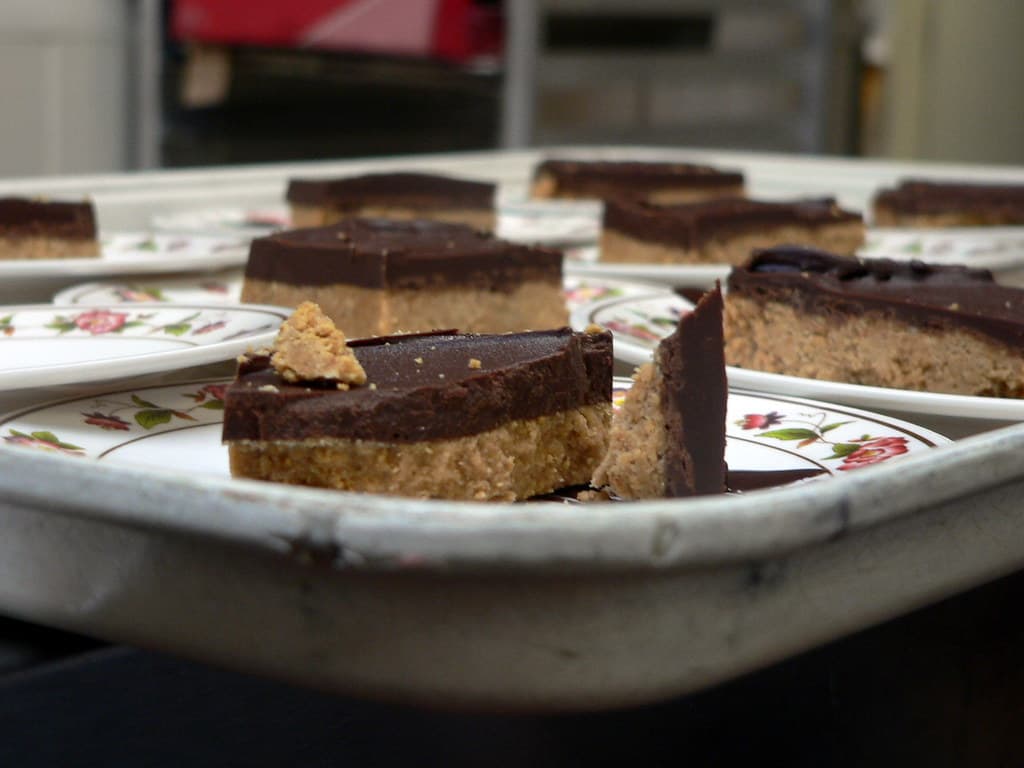
These peanut butter bars are a favorite treat served in American school cafeterias and concession stands, combining simple pantry ingredients into a sweet, chewy dessert. Enjoyed across various schools and events, their easy preparation and satisfying flavor make them a nostalgic and popular snack.

1895-present
Peanut butter cookies became popular during World War II when sugar and butter were rationed. These cookies offer a simple treat using pantry staples, providing comforting sweetness and energy in challenging times.
Same table
1895-present
Peanut butter cookies became popular during World War II when sugar and butter were rationed. These cookies offer a simple treat using pantry staples, providing comforting sweetness and energy in challenging times.
America's Melting Pot
Creamed Peas on Toast photo coming soon
1930s-1940s
Creamed Peas on Toast was a frugal, filling dish common during the Great Depression era, making use of canned or fresh peas in a creamy sauce served over toasted bread. It provided an economical, nourishing meal when resources were scarce, and remains a nostalgic example of Depression-era cooking.
America's Melting Pot
Deviled Ham Sandwiches photo coming soon
1868-present
Deviled ham sandwiches emerged during the World War II home front era as an economical and flavorful way to stretch limited meat supplies. Ground cured ham mixed with spices created a spread ideal for sandwiches in Depression and wartime kitchens.