
Recipe archive
Loading
Setting the table...
Fetching the latest recipes from the archive.
Loading
Fetching the latest recipes from the archive.
Recipe archive
America's Melting Pot
Rumaki hero image coming soon
1946-1969 - American home cooks and cocktail party hosts in postwar America
Rumaki is an appetizer featuring water chestnuts and chicken liver wrapped in bacon, marinated and baked or fried. Popularized during the postwar suburban cocktail party era, rumaki reflects mid-20th century American tastes and fascination with exotic flavors.
No featured photo yet. Upload a photo with your review. The highest-rated community photo may become this recipe's hero image.
Difficulty
Easy
Prep time
20 minutes
Cook time
15 minutes
Total time
35 minutes
Servings
12 pieces
Region
California tiki-restaurant and mid-century cocktail-party kitchens
Era introduced
1946-1969
Introduced by
American home cooks and cocktail party hosts in postwar America
Recipe tools
Log in to save this recipe to a collection.
Rumaki emerged as a staple finger food during the postwar prosperity era, especially common at cocktail parties and backyard gatherings in the United States. Combining salty bacon with earthy chicken liver and crunchy water chestnuts, it exemplifies the fusion of American kitsch and curiosity about Asian-inspired flavors popular in mid-century social entertaining.
Share family changes, regional twists, or pantry-friendly adaptations as full community recipes.
Log in to submit a community recipe.
No community recipes yet. Submitted recipes are published right away.
Rate this recipe and share how it worked at your table.
Log in to review this recipe.
No reviews yet. Be the first to rate this recipe.
Recipes matched by era, region, occasion, ingredients, and cultural roots from the archive.
Same era
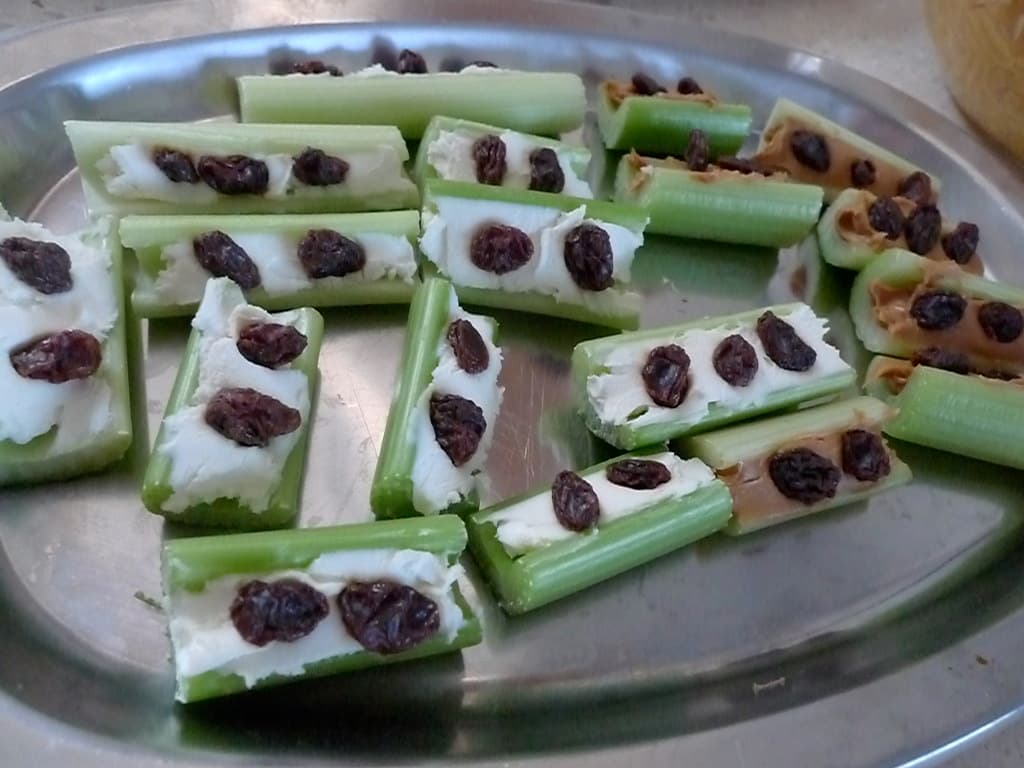
1950s-present
Celery sticks filled with peanut butter and topped with raisins, the classic American kid snack.
America's Melting Pot
Arby's-Style Horsey Sauce photo coming soon
1964-1970s
Arby's-Style Horsey Sauce is a sandwich sauce with real American table personality: Fast-food horseradish mayo tradition. It brings flavor from coast-to-coast American tables to cookouts, counters, lunch plates, potlucks, and weeknight suppers.
America's Melting Pot
Bacon-Wrapped Water Chestnuts photo coming soon
1946-1969
Crunchy water chestnuts wrapped in bacon, baked until crisp, and glazed with a brown sugar, soy, ketchup, and Worcestershire sauce.
Same region
America's Melting Pot
Acai Bowl Smoothie Base photo coming soon
1970s-present
Acai Bowl Smoothie Base brings juice-bar color and American smoothie-counter energy to the glass: California/Hawaii/fitness culture.
America's Melting Pot
Animal-Style Spread photo coming soon
1900s-present
Animal-Style Spread is a sandwich sauce with real American table personality: California drive-in burger culture. It brings flavor from California, Hawaii, and the West Coast to cookouts, counters, lunch plates, potlucks, and weeknight suppers.
America's Melting Pot
Artichoke Dip photo coming soon
1900s-present
Artichoke Dip is a party dip with real American table personality: California-to-suburban-party-table classic. It brings flavor from California, Hawaii, and the West Coast to cookouts, counters, lunch plates, potlucks, and weeknight suppers.
Same table
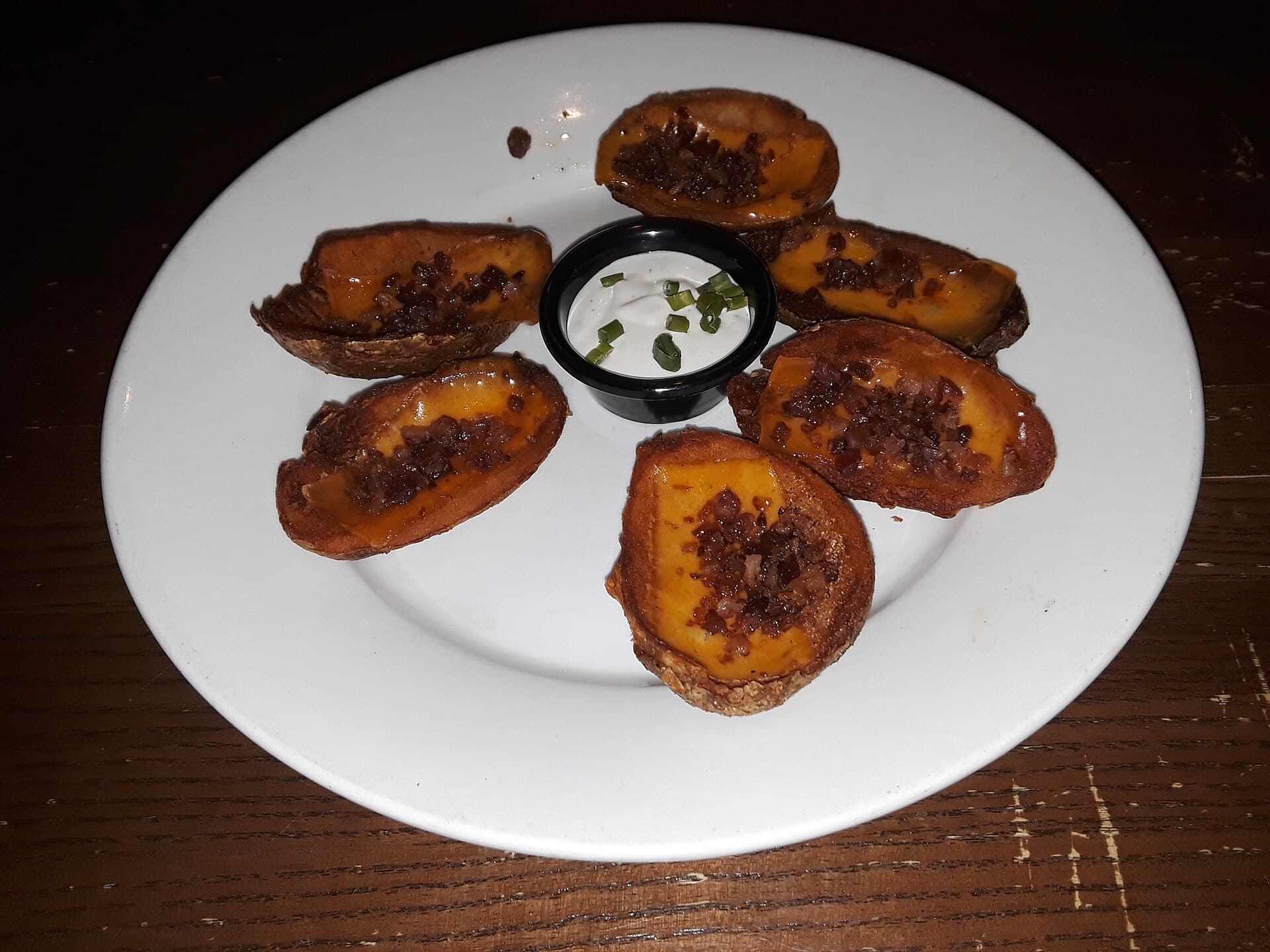
1970s-present
Loaded potato skins are hollowed baked potato halves filled with cheese, bacon, and other toppings, often served as appetizers. Popularized by American casual dining and game day menus in the 1990s and 2000s, they combine crispy textures with savory flavors.
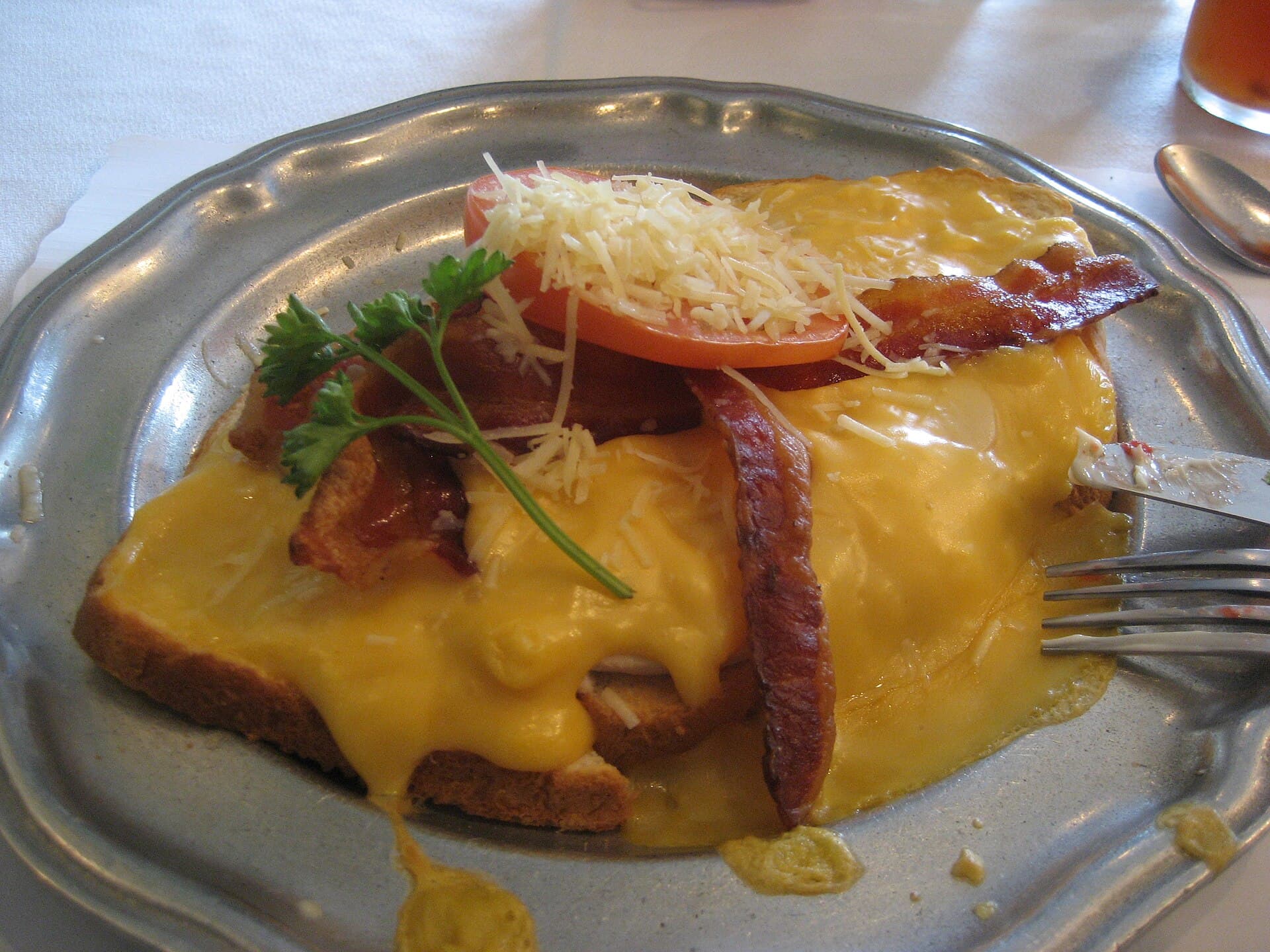
1946-1969
The Hot Brown is an open-faced sandwich developed in Louisville, Kentucky during the mid-20th century. Featuring turkey or chicken, bacon, tomato, and covered in Mornay (cheese) sauce, it became a regional icon in Southern postwar dining. This dish reflects the influences of European sauces blended with American diner-style comfort food between 1946 and 1969.
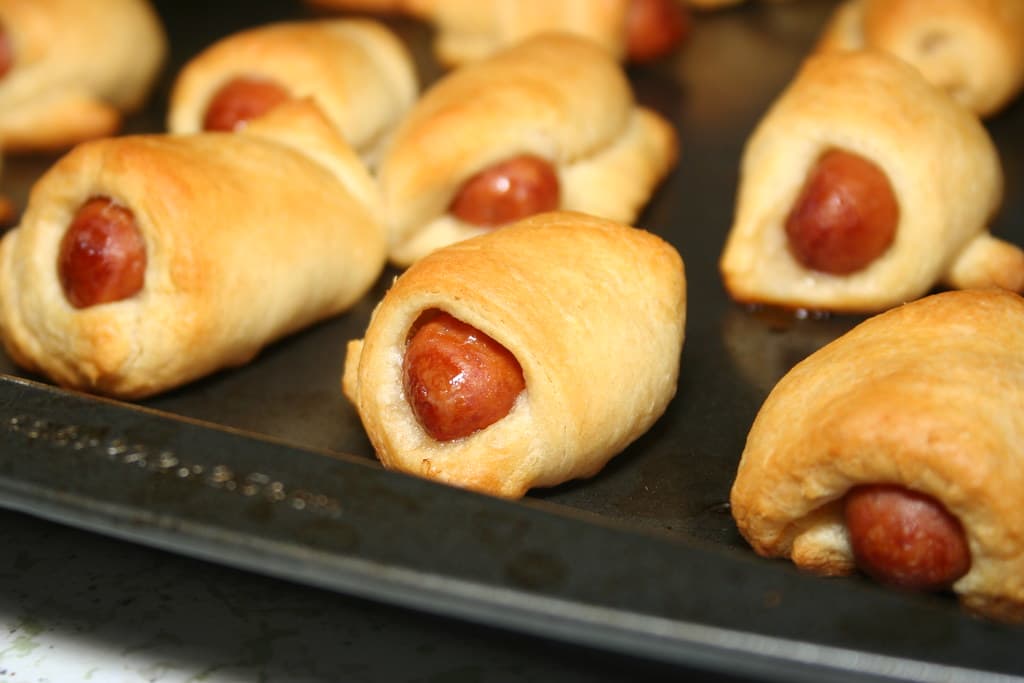
1940s-present
Pigs in a Blanket are bite-sized sausages or hot dogs wrapped in dough and baked until golden. Emerging prominently in mid-20th-century American cocktail parties and appetizer menus, they remain a nostalgic and favorite finger food in home and party settings across the country.