
Recipe archive
Loading
Setting the table...
Fetching the latest recipes from the archive.
Loading
Fetching the latest recipes from the archive.
Recipe archive
America's Melting Pot
Sweet and Sour Pork hero image coming soon
1946-1969 - Chinese-American immigrant communities and urban diners.
Sweet and Sour Pork became a defining dish of Chinese-American cuisine in the early 20th century, especially popular at immigrant city restaurants, diners, and state fairs. This recipe captures the blend of traditional Cantonese techniques with American adaptations to local tastes and ingredients.
No featured photo yet. Upload a photo with your review. The highest-rated community photo may become this recipe's hero image.
Difficulty
Medium
Prep time
20 minutes
Cook time
20 minutes
Total time
40 minutes
Servings
4
Region
New York and San Francisco Chinese American takeout kitchens
Era introduced
1946-1969
Introduced by
Chinese-American immigrant communities and urban diners.
Recipe tools
Log in to save this recipe to a collection.
Arriving with Chinese immigrants in America's growing urban centers after 1900, sweet and sour pork quickly became a signature dish at restaurants and food fairs. Adapted to American palates, the recipe features battered pork fried to a crisp and coated in a bright, tangy sauce often complemented with bell peppers and pineapple, reflecting a fusion of Chinese culinary technique and American ingredients.
Share family changes, regional twists, or pantry-friendly adaptations as full community recipes.
Log in to submit a community recipe.
No community recipes yet. Submitted recipes are published right away.
Rate this recipe and share how it worked at your table.
Log in to review this recipe.
No reviews yet. Be the first to rate this recipe.
Recipes matched by era, region, occasion, ingredients, and cultural roots from the archive.
Same era
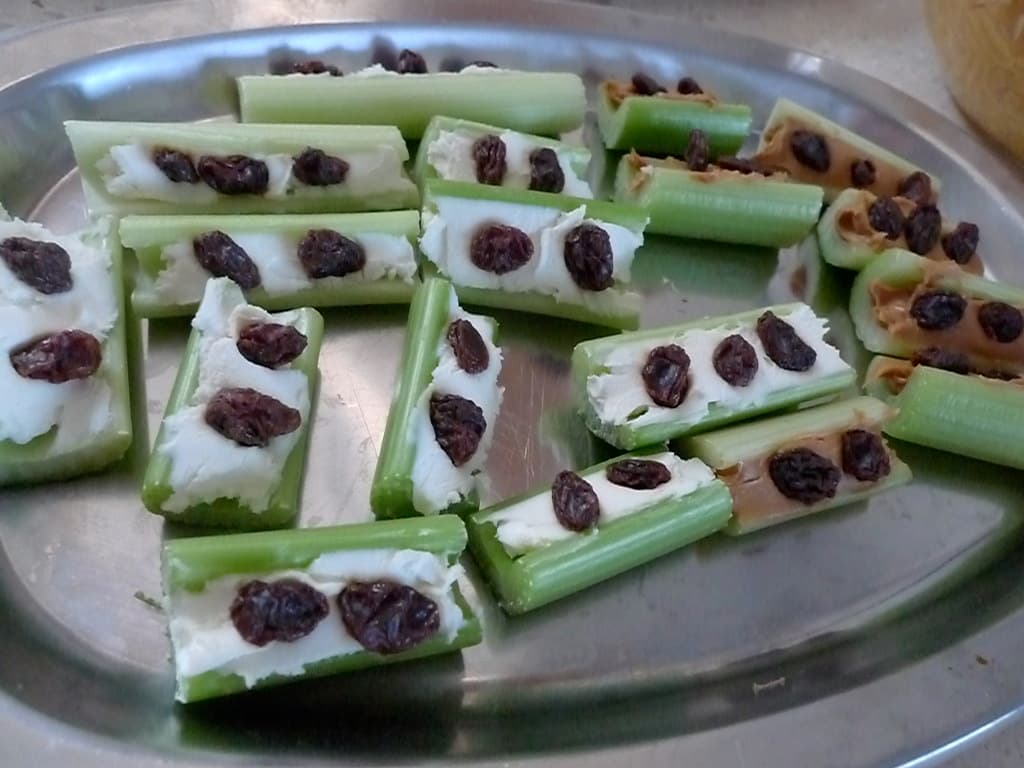
1950s-present
Celery sticks filled with peanut butter and topped with raisins, the classic American kid snack.
America's Melting Pot
Arby's-Style Horsey Sauce photo coming soon
1964-1970s
Arby's-Style Horsey Sauce is a sandwich sauce with real American table personality: Fast-food horseradish mayo tradition. It brings flavor from coast-to-coast American tables to cookouts, counters, lunch plates, potlucks, and weeknight suppers.
America's Melting Pot
Bacon-Wrapped Water Chestnuts photo coming soon
1946-1969
Crunchy water chestnuts wrapped in bacon, baked until crisp, and glazed with a brown sugar, soy, ketchup, and Worcestershire sauce.
Same region
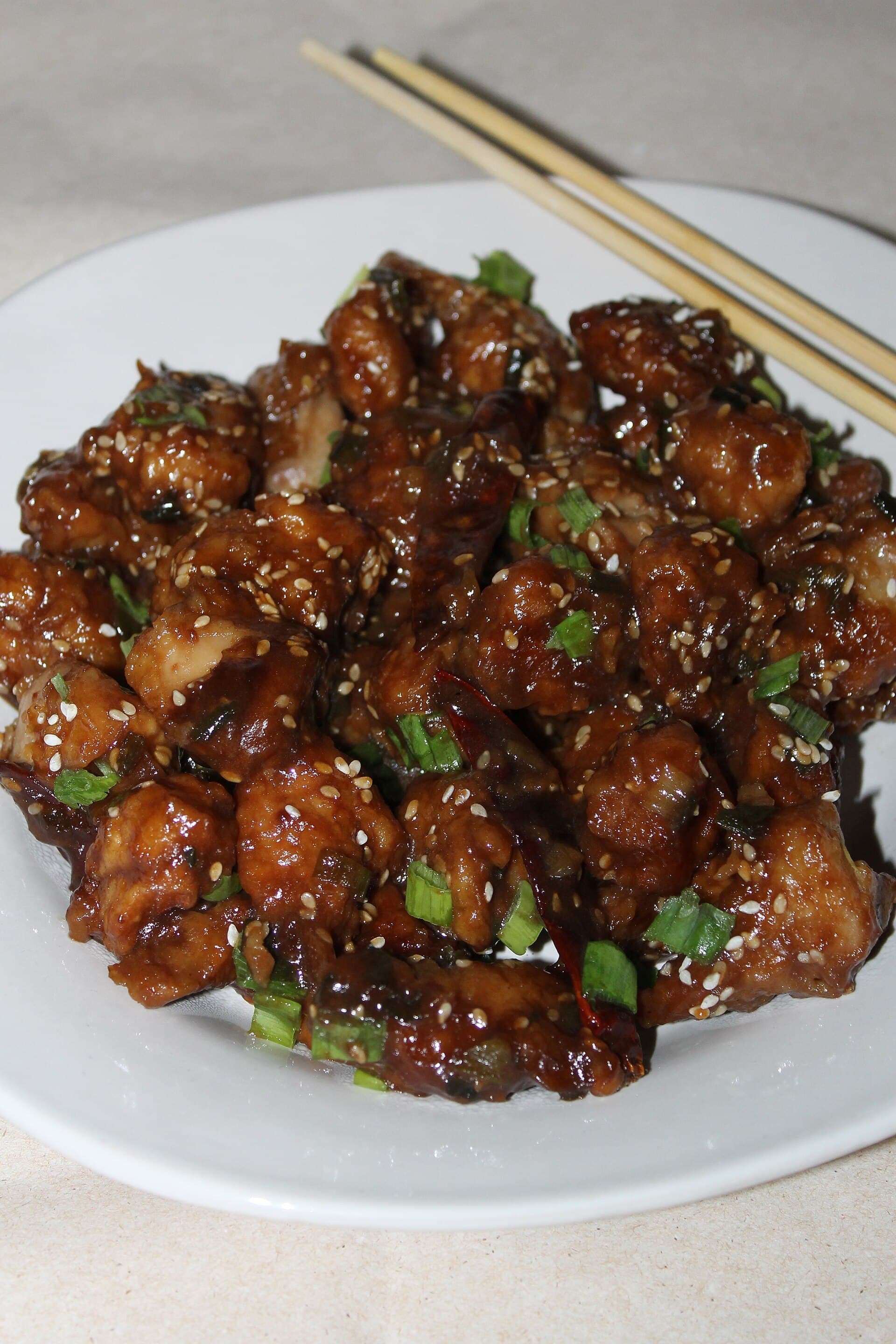
1950s-present
Sesame Chicken is a popular Chinese-American dish known for its crispy battered chicken pieces coated in a sweet, sticky sesame sauce. It rose to prominence in American Chinese restaurants and diners during the early 20th century and became a common feature at state fairs.
America's Melting Pot
Chop Suey photo coming soon
1870s-1890s
Chop Suey is a stir-fried dish made with meat, vegetables, and a savory sauce, developed by Chinese-American cooks. It became a popular dish in American Chinese restaurants and diners during the early 1900s, adapting Chinese techniques and ingredients to American tastes and locally available produce.
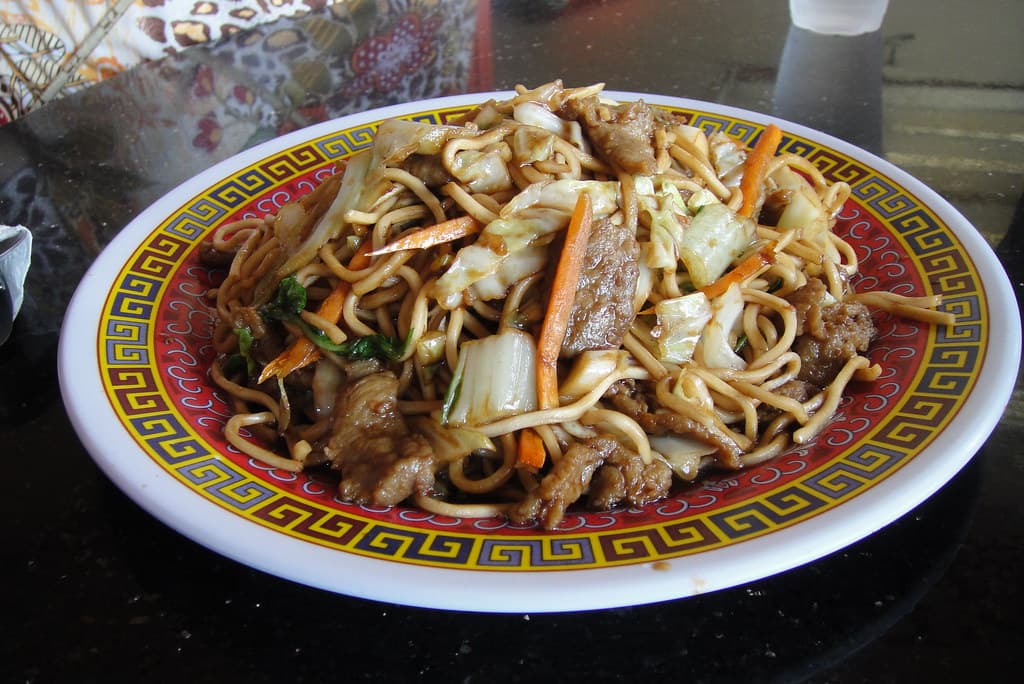
1850s-1920s
Chow Mein is a Chinese-American stir-fried noodle dish that became a fixture in early 20th-century immigrant cities and diners. Featuring crispy or soft egg noodles tossed with meat, vegetables, and a savory sauce, it was adapted to local tastes and ingredients, quickly becoming a diner and state fair favorite across the United States.
Same table
America's Melting Pot
Walking Pork Chop photo coming soon
1999-present
A breaded and fried pork chop served on a stick for easy eating at diners, fairs, and carnivals. This portable main dish exemplifies early 20th-century American street and fair foods.
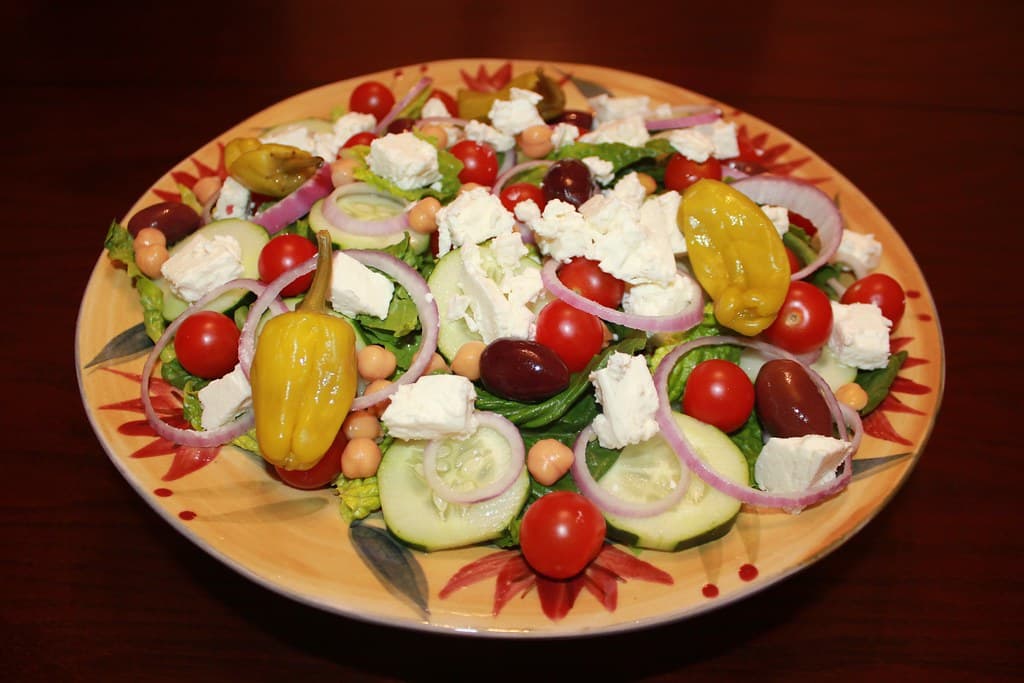
1900s-present
Greek Salad became a popular side dish in American diners and lunch counters during the early 20th century. Reflecting Greek immigrant influence, it features fresh vegetables and traditional ingredients adapted for American tastes. Often served chilled, it is customary in Greek-American communities and state fairs.
1950s-present
Sesame Chicken is a popular Chinese-American dish known for its crispy battered chicken pieces coated in a sweet, sticky sesame sauce. It rose to prominence in American Chinese restaurants and diners during the early 20th century and became a common feature at state fairs.