
Recipe archive
Loading
Setting the table...
Fetching the latest recipes from the archive.
Loading
Fetching the latest recipes from the archive.
Recipe archive
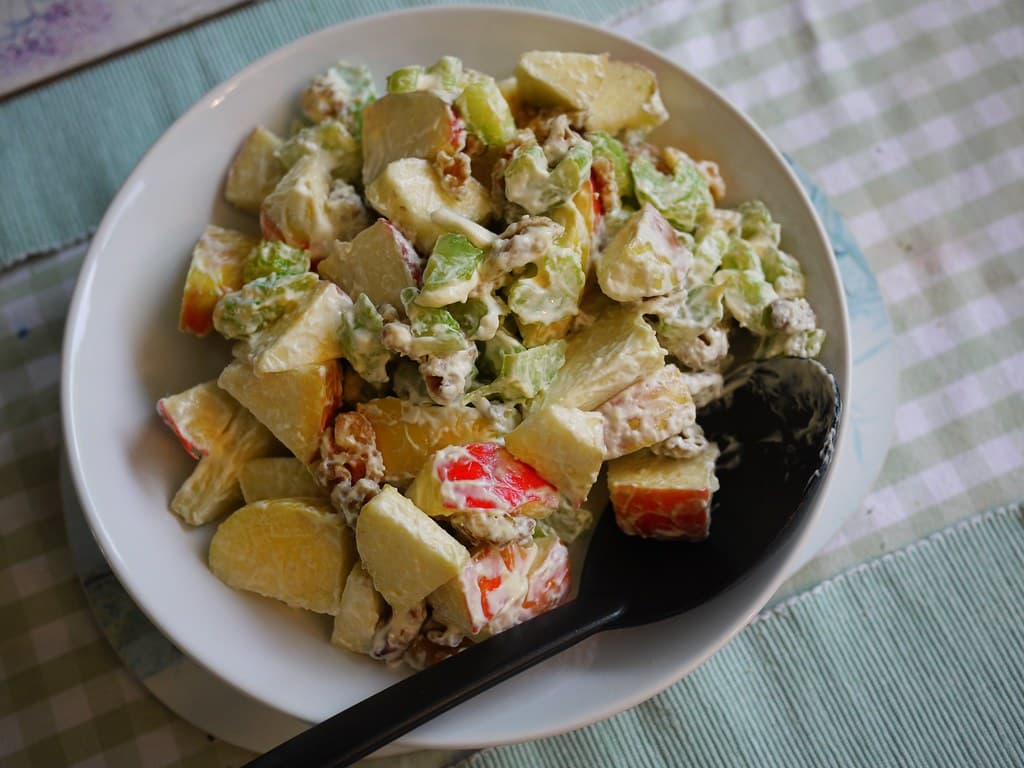
1946-1969 - American cooks and hotels popularizing the Waldorf Salad in postwar decades.
A fresh side dish combining crisp apples, celery, walnuts, and mayonnaise dressing. Originating in the early 20th century, Waldorf Salad became popular during the postwar prosperity era as a simple yet elegant accompaniment.
Community-powered photos. Reviewers can upload dish photos, and the highest-rated community image may be featured here.
Difficulty
Easy
Prep time
15 minutes
Cook time
0 minutes
Total time
15 minutes
Servings
6 servings
Region
New York and the Mid-Atlantic
Era introduced
1946-1969
Introduced by
American cooks and hotels popularizing the Waldorf Salad in postwar decades.
Recipe tools
Log in to save this recipe to a collection.
Waldorf Salad was first created in New York's Waldorf Hotel in the late 19th century but gained widespread popularity in postwar America, featured in suburban cookbooks and home entertaining. The combination of fruit, nuts, and creamy dressing reflects the era's growing interest in fresh, lighter dishes amid increasing prosperity and changing tastes. This salad exemplifies mid-20th-century American culinary trends balancing simplicity and elegance.
Share family changes, regional twists, or pantry-friendly adaptations as full community recipes.
Log in to submit a community recipe.
No community recipes yet. Submitted recipes are published right away.
Rate this recipe and share how it worked at your table.
Log in to review this recipe.
No reviews yet. Be the first to rate this recipe.
Recipes matched by era, region, occasion, ingredients, and cultural roots from the archive.
Same era
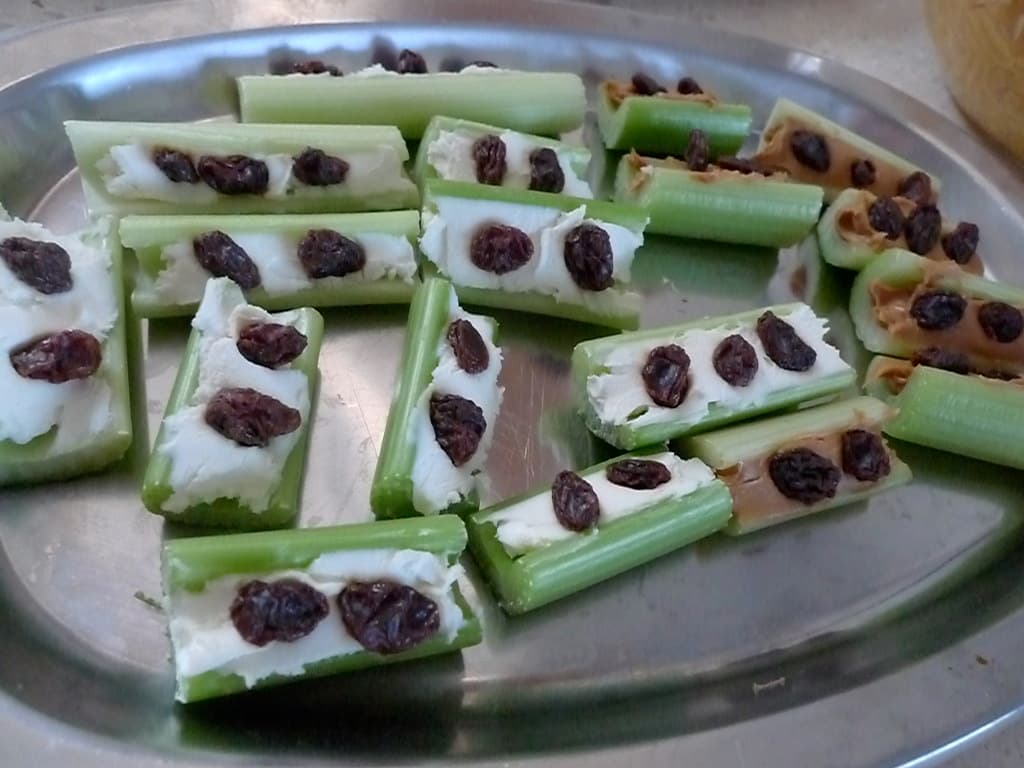
1950s-present
Celery sticks filled with peanut butter and topped with raisins, the classic American kid snack.
America's Melting Pot
Arby's-Style Horsey Sauce photo coming soon
1964-1970s
Arby's-Style Horsey Sauce is a sandwich sauce with real American table personality: Fast-food horseradish mayo tradition. It brings flavor from coast-to-coast American tables to cookouts, counters, lunch plates, potlucks, and weeknight suppers.
America's Melting Pot
Bacon-Wrapped Water Chestnuts photo coming soon
1946-1969
Crunchy water chestnuts wrapped in bacon, baked until crisp, and glazed with a brown sugar, soy, ketchup, and Worcestershire sauce.
Same region
America's Melting Pot
Black and White Shake photo coming soon
1940s-present
Black and White Shake pours old-school malt-shop cheer into a cold glass: Vanilla ice cream with chocolate syrup, especially New York diner style.
America's Melting Pot
Frozen Hot Chocolate photo coming soon
1970s-present
Frozen Hot Chocolate brings juice-bar color and American smoothie-counter energy to the glass: New York dessert-drink icon.
America's Melting Pot
Garbage Plate photo coming soon
1946-1969
The Garbage Plate is a well-known comfort food originating in Rochester, New York, combining multiple protein and starch components on one plate. Typically featuring cheeseburgers or hot dogs accompanied by home fries, macaroni salad, and beans, it is a regional specialty that exemplifies postwar American working-class cuisine with practical, plentiful ingredients.
Same table
America's Melting Pot
Frog Eye Salad photo coming soon
1960s-1970s
Frog eye salad is a sweet side dish made with acini di pepe pasta, fruit, and a creamy marshmallow-based dressing. Popular in mid-20th century suburban America, it exemplifies the era's love of Jell-O salads and freezer convenience foods.
America's Melting Pot
Seafoam Salad photo coming soon
1897-present
Seafoam Salad is a light, frothy gelatin salad featuring lime Jell-O, crushed pineapple, marshmallows, and cottage cheese or whipped topping. Popular in mid-20th century American suburbs, especially during 1946-1969, it was a fixture of potlucks and holiday dinners symbolizing postwar convenience foods adapted into celebratory menus.
America's Melting Pot
Spinach Salad with Strawberries photo coming soon
1970s-present
Spinach salad with strawberries is a fresh American salad that gained popularity in suburban and casual dining settings between 1990 and 2009, emphasizing healthy, colorful ingredients often dressed with sweet vinaigrette.