
Recipe archive
Loading
Setting the table...
Fetching the latest recipes from the archive.
Loading
Fetching the latest recipes from the archive.
Recipe archive
America's Melting Pot
Walking Tacos hero image coming soon
1970-1989 - Midwestern tailgate communities and school booster clubs.
Walking Tacos are a convenient handheld meal combining taco ingredients served directly in a bag of chips, popular at tailgates, school events, and booster clubs in the Midwest from the 1970s onward. This recipe reflects Mexican-American flavors adapted into American fast and convenience food traditions for outdoor gatherings.
No featured photo yet. Upload a photo with your review. The highest-rated community photo may become this recipe's hero image.
Difficulty
Easy
Prep time
15 minutes
Cook time
10 minutes
Total time
25 minutes
Servings
4
Region
Midwest
Era introduced
1970-1989
Introduced by
Midwestern tailgate communities and school booster clubs.
Recipe tools
Log in to save this recipe to a collection.
Walking Tacos emerged as a popular convenience food in Midwestern tailgates and school events during the 1970s and 1980s. This dish uses readily available ingredients to create a portable taco experience served inside a bag of chips-often Fritos or tortilla chips-making it ideal for eating on the go. Its origins reflect Mexican-American culinary influence blended with American fast-food innovations, becoming a regional comfort food that adapts traditional taco elements into an accessible, informal meal.
Share family changes, regional twists, or pantry-friendly adaptations as full community recipes.
Log in to submit a community recipe.
No community recipes yet. Submitted recipes are published right away.
Rate this recipe and share how it worked at your table.
Log in to review this recipe.
No reviews yet. Be the first to rate this recipe.
Recipes matched by era, region, occasion, ingredients, and cultural roots from the archive.
Same era
America's Melting Pot
ABC Juice photo coming soon
1970s-present
ABC Juice brings juice-bar color and American smoothie-counter energy to the glass: Apple, beet, carrot.
America's Melting Pot
Auntie Anne's-Style Pretzel Bites photo coming soon
1970-1989
A homemade mall-style pretzel bite recipe with yeast dough, a baking-soda dip, coarse salt, and a generous butter finish.

1970-1989
Split bagels topped with tomato sauce, mozzarella, oregano, and pepperoni or vegetables, baked until bubbly for a lunchbox and after-school classic.
Same region
America's Melting Pot
Oof-da Tacos photo coming soon
1900-1929
Oof-da Tacos are a unique fusion dish blending Mexican-American taco concepts with Scandinavian-American influences in the Midwest. Known from state fair and carnival food scenes, these tacos typically feature distinctive toppings and flavors that celebrate immigrant cultural mixing and regional reinterpretation.
America's Melting Pot
Taco Hotdish photo coming soon
1970-1989
Taco hotdish originated in the Midwest during the 1970s as a convenient casserole blending American and Mexican flavors. It combined ground beef, taco seasoning, and various toppings baked into a one-dish meal favored for tailgates and family dinners.
America's Melting Pot
Tacos in a Bag photo coming soon
1970-1989
Tacos in a bag originated in the Midwest during the 1970s and 1980s as a convenient, shareable snack combining tortilla chips with ground beef, cheese, and taco flavors directly in a bag. It became popular at schools, tailgates, and food trucks, reflecting regional adaptation and street food culture.
Same table
America's Melting Pot
Walking Tacos photo coming soon
1970-1989
Walking Tacos, also known as Tacos in a Bag, blend traditional taco ingredients served inside a bag of chips for a portable, easy-to-eat meal popular at tailgates and sports events in the Midwest during the late 20th century. This recipe reflects Tex-Mex origins combined with American convenience food culture.
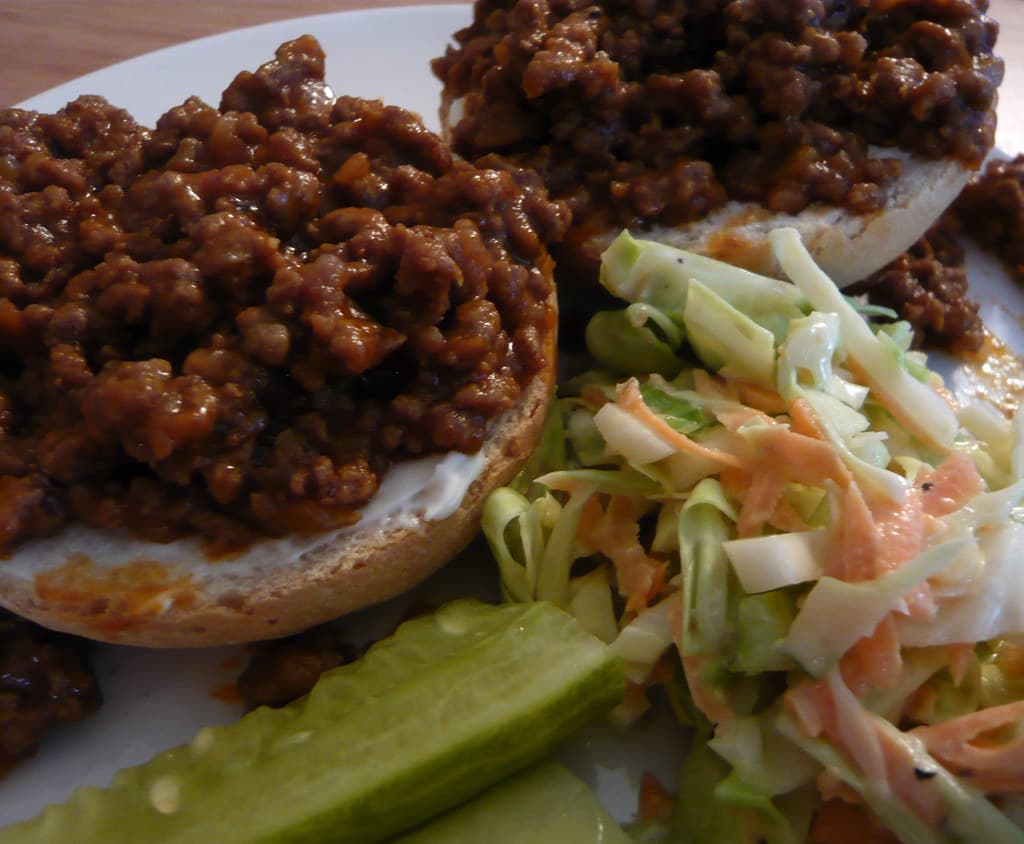
1920s-present
Sloppy Joes are ground beef sandwiches served in a savory tomato sauce on hamburger buns. Popular from the early 20th century in diners, schools, and community gatherings, they became a staple of affordable American social dining, especially at state fairs and church suppers.
America's Melting Pot
Tacos in a Bag photo coming soon
1970-1989
Tacos in a bag originated in the Midwest during the 1970s and 1980s as a convenient, shareable snack combining tortilla chips with ground beef, cheese, and taco flavors directly in a bag. It became popular at schools, tailgates, and food trucks, reflecting regional adaptation and street food culture.