
Recipe archive
Loading
Setting the table...
Fetching the latest recipes from the archive.
Loading
Fetching the latest recipes from the archive.
Recipe archive
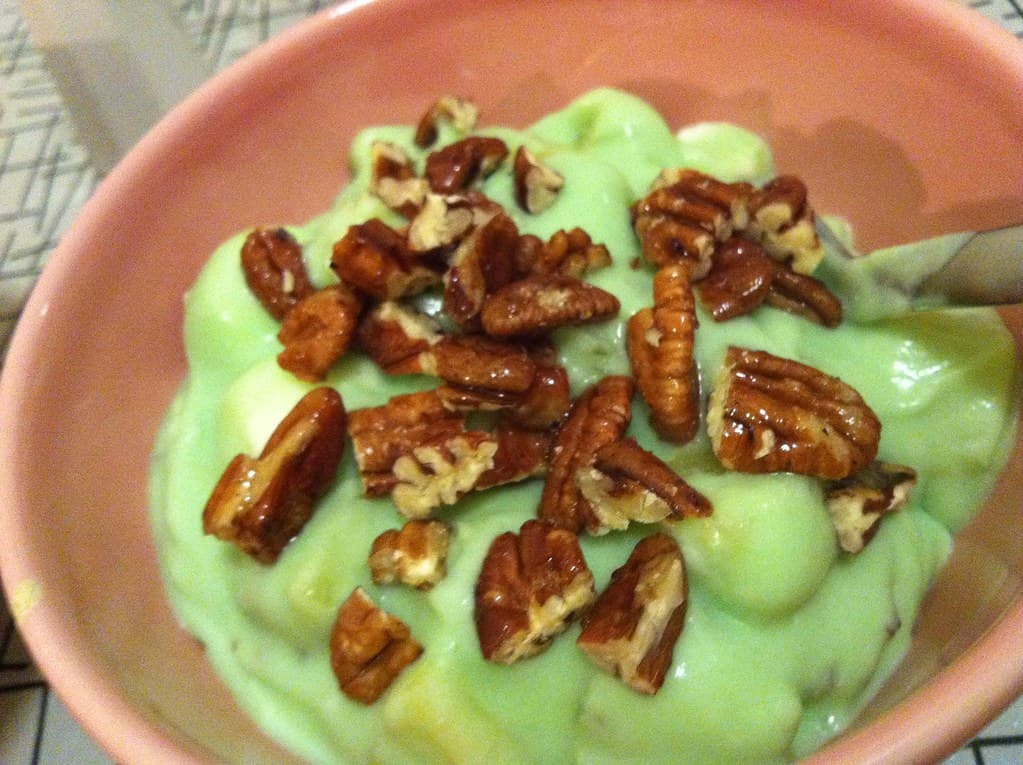
1970-1989 - American school cafeterias, church groups, and state fair concession stands.
Watergate Salad is a sweet, creamy side dish popular in American schools, churches, and potlucks, especially from the early 20th century. Made with pistachio pudding, canned pineapple, whipped topping, and marshmallows, it represents accessible, crowd-pleasing food often served at communal gatherings.
Community-powered photos. Reviewers can upload dish photos, and the highest-rated community image may be featured here.
Difficulty
Easy
Prep time
10 minutes
Cook time
0 minutes
Total time
10 minutes
Servings
6
Region
Kraft/General Foods test kitchens and Chicago newspaper food sections
Era introduced
1970-1989
Introduced by
American school cafeterias, church groups, and state fair concession stands.
Recipe tools
Log in to save this recipe to a collection.
Watergate Salad became a favored dish in American church socials, school lunches, and state fairs during the early 1900s, offering an easy-to-make, sweet side perfect for communal dining. Combining pistachio pudding, canned pineapple, marshmallows, and whipped topping, it captures the mid-century convenience food trend and the desire for colorful, festive dishes at social events and potlucks.
Share family changes, regional twists, or pantry-friendly adaptations as full community recipes.
Log in to submit a community recipe.
No community recipes yet. Submitted recipes are published right away.
Rate this recipe and share how it worked at your table.
Log in to review this recipe.
No reviews yet. Be the first to rate this recipe.
Recipes matched by era, region, occasion, ingredients, and cultural roots from the archive.
Same era
America's Melting Pot
ABC Juice photo coming soon
1970s-present
ABC Juice brings juice-bar color and American smoothie-counter energy to the glass: Apple, beet, carrot.
America's Melting Pot
Auntie Anne's-Style Pretzel Bites photo coming soon
1970-1989
A homemade mall-style pretzel bite recipe with yeast dough, a baking-soda dip, coarse salt, and a generous butter finish.
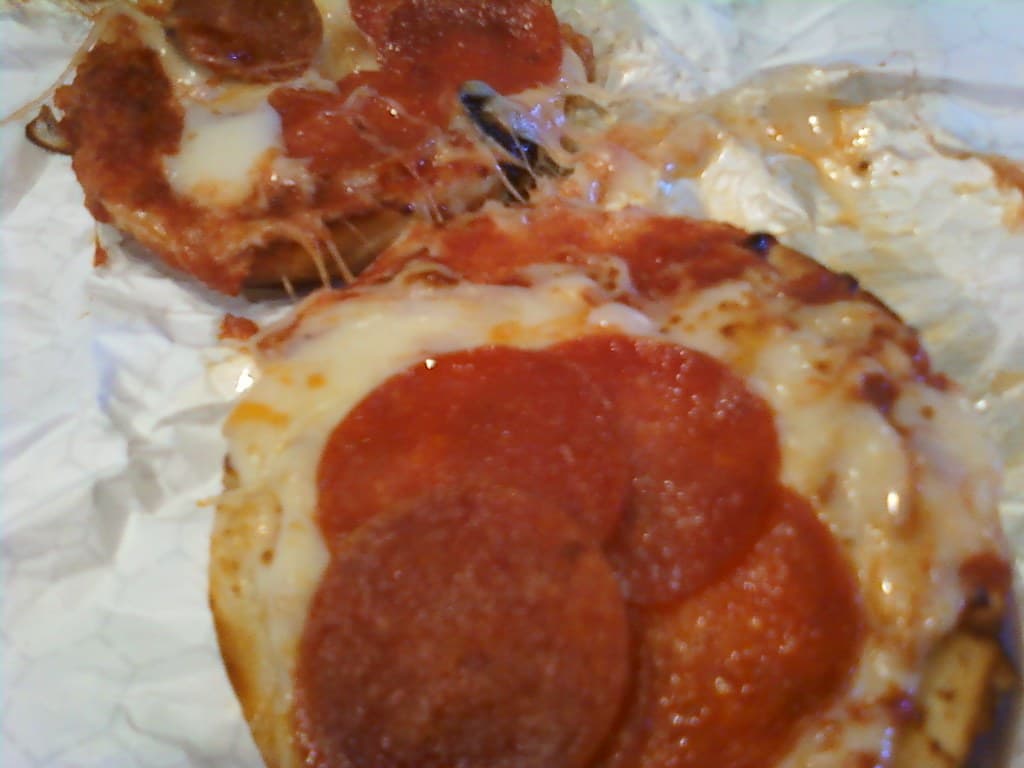
1970-1989
Split bagels topped with tomato sauce, mozzarella, oregano, and pepperoni or vegetables, baked until bubbly for a lunchbox and after-school classic.
Same region
America's Melting Pot
Pistachio Salad photo coming soon
1975-present
Pistachio Salad is a mid-20th-century American salad made with pistachio-flavored gelatin, whipped topping, crushed pineapple, and marshmallows. Popular in suburban dinner parties and potlucks from the 1940s to 1960s, it exemplifies the era's fascination with Jell-O salads combining sweet, creamy, and fruity textures.
America's Melting Pot
Watergate Salad Base photo coming soon
1975-present
Watergate Salad Base is a spread with real American table personality: Pistachio pudding, whipped topping, pineapple, marshmallows. It brings flavor from coast-to-coast American tables to cookouts, counters, lunch plates, potlucks, and weeknight suppers.
America's Melting Pot
Air Fryer Brussels Sprouts photo coming soon
2010s-present
Trimmed Brussels sprouts air-fried with a little oil until crisp at the edges and tender in the center.
Same table
America's Melting Pot
Hotdish photo coming soon
1900-1929
Hotdish is a type of casserole popular in the American Midwest, especially associated with community gatherings, church suppers, and state fairs during the early 20th century. Combining a starch, protein (often ground meat or tuna), canned soup, and vegetables, it exemplifies economical, filling cuisine typical of immigrant and rural communities from 1900 to 1929.
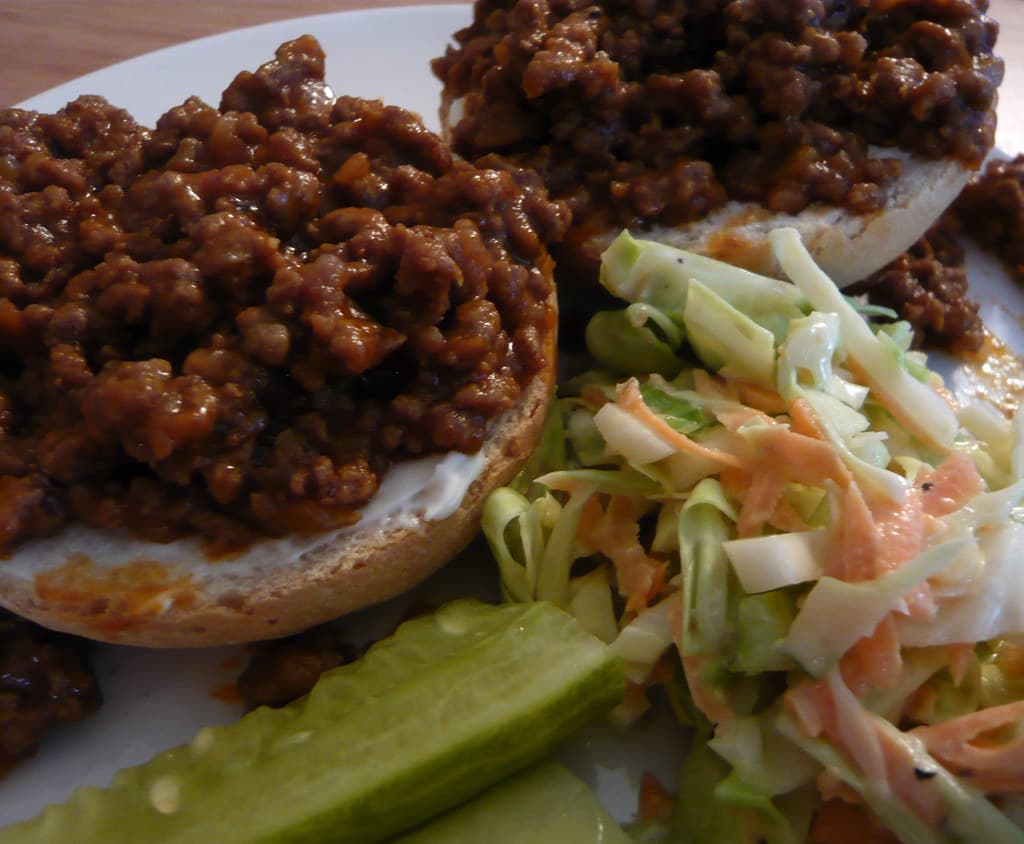
1920s-present
Sloppy Joes are ground beef sandwiches served in a savory tomato sauce on hamburger buns. Popular from the early 20th century in diners, schools, and community gatherings, they became a staple of affordable American social dining, especially at state fairs and church suppers.
America's Melting Pot
Jell-O Salad photo coming soon
1897-present
Jell-O salad, popular in early 20th-century American school, church, and community gatherings, is a molded gelatin dish incorporating fruit, nuts, and sometimes vegetables. It became a festive side or dessert during the 1900-1929 period, reflecting innovation in convenience foods and the era's fondness for bright, decorative dishes.