
Recipe archive
Loading
Setting the table...
Fetching the latest recipes from the archive.
Loading
Fetching the latest recipes from the archive.
Recipe archive
America's Melting Pot
Avgolemono Soup hero image coming soon
1900-1929 - Greek immigrants and Greek American diner cooks
A silky Greek-American chicken, rice, egg, and lemon soup made by tempering eggs into hot broth for a creamy dairy-free finish.
No featured photo yet. Upload a photo with your review. The highest-rated community photo may become this recipe's hero image.
Difficulty
Medium
Prep time
15 minutes
Cook time
35 minutes
Total time
50 minutes
Servings
6
Region
Greek-American diners and home kitchens
Era introduced
1900-1929
Introduced by
Greek immigrants and Greek American diner cooks
Recipe tools
Log in to save this recipe to a collection.
Avgolemono is both a Greek egg-lemon sauce and the name many Americans know for the chicken soup enriched with it. Greek immigrants carried versions into home kitchens, church suppers, lunch counters, and diners, where lemony chicken soup became a recognizable Greek-American comfort dish. The key is technique: hot broth must be slowly whisked into eggs and lemon before the mixture returns to the pot, creating a silky soup without cream.
Share family changes, regional twists, or pantry-friendly adaptations as full community recipes.
Log in to submit a community recipe.
No community recipes yet. Submitted recipes are published right away.
Rate this recipe and share how it worked at your table.
Log in to review this recipe.
No reviews yet. Be the first to rate this recipe.
Recipes matched by era, region, occasion, ingredients, and cultural roots from the archive.
Same era
America's Melting Pot
American French Dressing photo coming soon
1900s-present
American French Dressing is a dressing with real American table personality: The bright orange-red, sweet, tomatoey bottled dressing Americans call "French." Not very French, very American. It brings flavor from coast-to-coast American tables to cookouts, counters, lunch plates, potlucks, and weeknight suppers.
America's Melting Pot
Apple Pie Shake photo coming soon
1922-present
Apple Pie Shake brings drive-in, carhop, and fast-food dessert-counter energy to the table: Diner pie a la mode in a cup.
America's Melting Pot
Bacon Maple Shake photo coming soon
1922-present
Bacon Maple Shake brings drive-in, carhop, and fast-food dessert-counter energy to the table: 2010s novelty diner/chain flavor.
Same region
America's Melting Pot
Apple Cake photo coming soon
1800s-present
A tender apple-studded cake with cinnamon, butter, and a simple crumb topping.
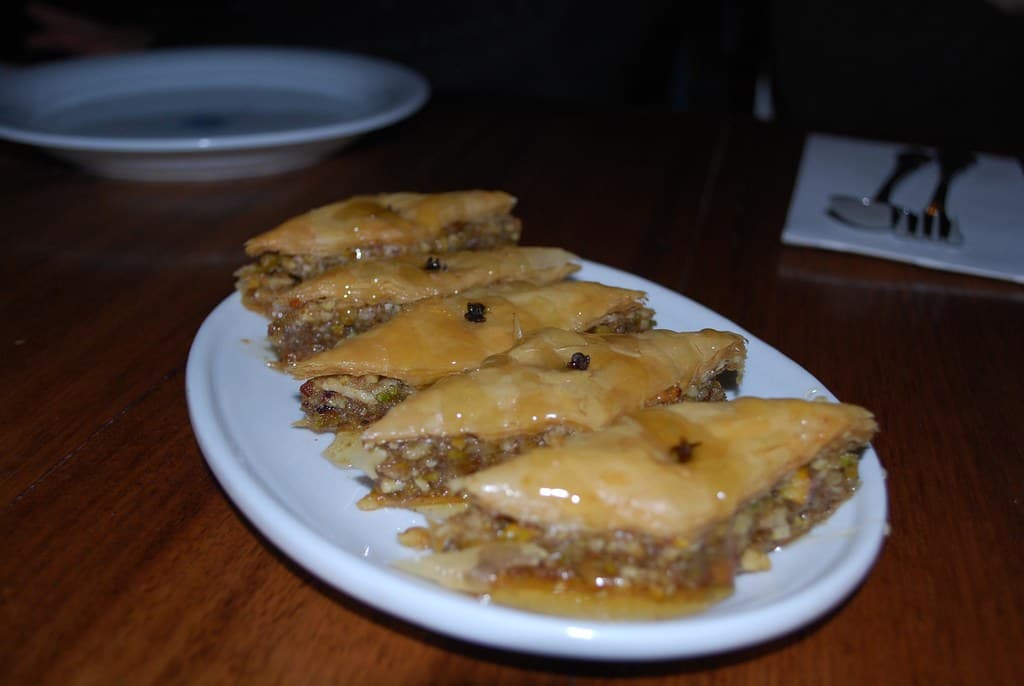
1900-2026
A Greek American-style baklava made with buttered phyllo, walnuts and pistachios, cinnamon, honey syrup, and lemon.
America's Melting Pot
Boxty photo coming soon
1800-2026
Boxty is a traditional Irish potato pancake especially associated with north Connacht, the north Midlands, and Ulster. Irish immigrants brought potato cookery with them to America, where boxty fits naturally beside other Irish American breakfast and supper dishes.
Same table
America's Melting Pot
Chicken and Dumplings, Early Style photo coming soon
1776-1800
A historic-style chicken broth with simple flour dumplings, inspired by early American meat-dumpling and pottage traditions.
America's Melting Pot
Matzo Ball Soup photo coming soon
1880s-present
A traditional Jewish-American soup featuring flavorful chicken broth and light matzo ball dumplings. This dish became an integral part of Jewish communities in the United States from the late 19th century onward.
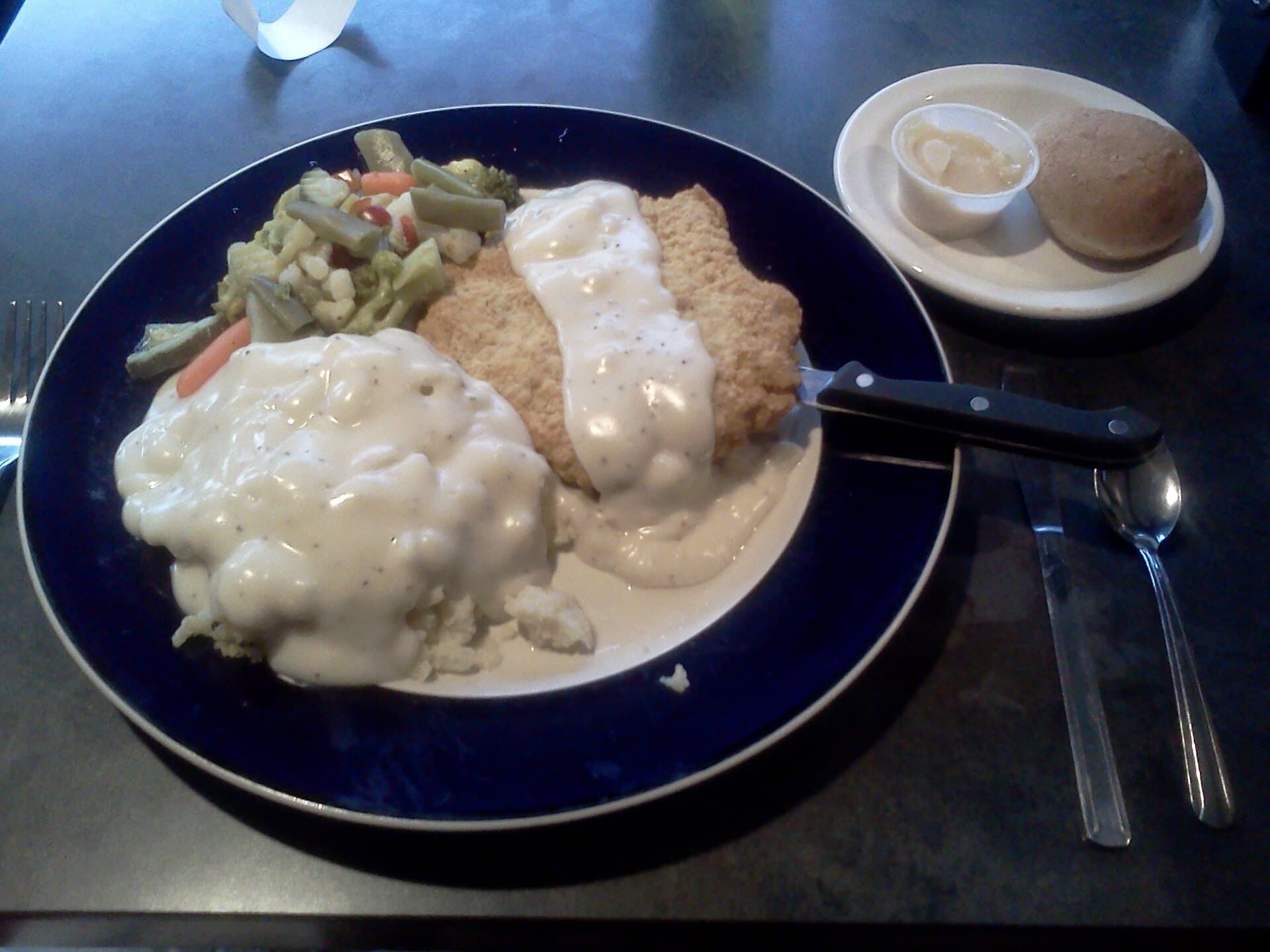
1910-2026
The blue plate special became shorthand for the everyday American diner meal: filling, inexpensive, and quick to order. The phrase was common by the 1920s and 1930s, tied to lunch counters, railroad restaurants, and diners serving one daily set plate.