
Recipe archive
Loading
Setting the table...
Fetching the latest recipes from the archive.
Loading
Fetching the latest recipes from the archive.
Recipe archive
1900s-present - Greek and Ottoman-region immigrants and bakeries
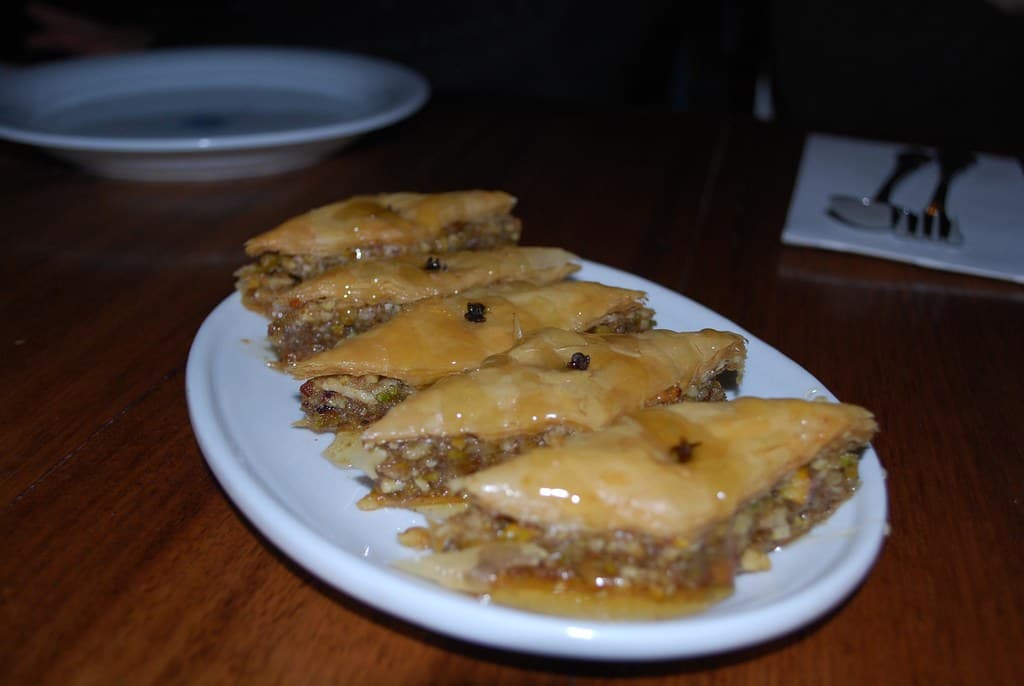
A Greek American-style baklava made with buttered phyllo, walnuts and pistachios, cinnamon, honey syrup, and lemon.
Community-powered photos. Reviewers can upload dish photos, and the highest-rated community image may be featured here.
Difficulty
Moderate
Prep time
35 minutes
Cook time
45 minutes
Total time
1 hour 20 minutes plus cooling
Servings
24 pieces
Region
Greek American bakeries, diners, and festival tables
Era introduced
1900s-present
Introduced by
Greek and Ottoman-region immigrants and bakeries
Recipe tools
Log in to save this recipe to a collection.
Baklava is shared across Greek, Turkish, Armenian, Arab, Persian, and broader Ottoman-region foodways, so an American archive treats it with care. In the United States, Greek American bakeries, diners, church festivals, and immigrant families helped make phyllo, nuts, and honey syrup familiar to many non-Mediterranean diners. This version leans Greek American in flavor, with walnuts, pistachios, cinnamon, buttered phyllo, and honey-lemon syrup.
Share family changes, regional twists, or pantry-friendly adaptations as full community recipes.
Log in to submit a community recipe.
No community recipes yet. Submitted recipes are published right away.
Rate this recipe and share how it worked at your table.
Log in to review this recipe.
No reviews yet. Be the first to rate this recipe.
Recipes matched by era, region, occasion, ingredients, and cultural roots from the archive.
Same era
America's Melting Pot
Almond Chicken photo coming soon
1900s-present
Crisp boneless chicken served over lettuce with brown gravy, scallions, and toasted almonds.
1900s-present
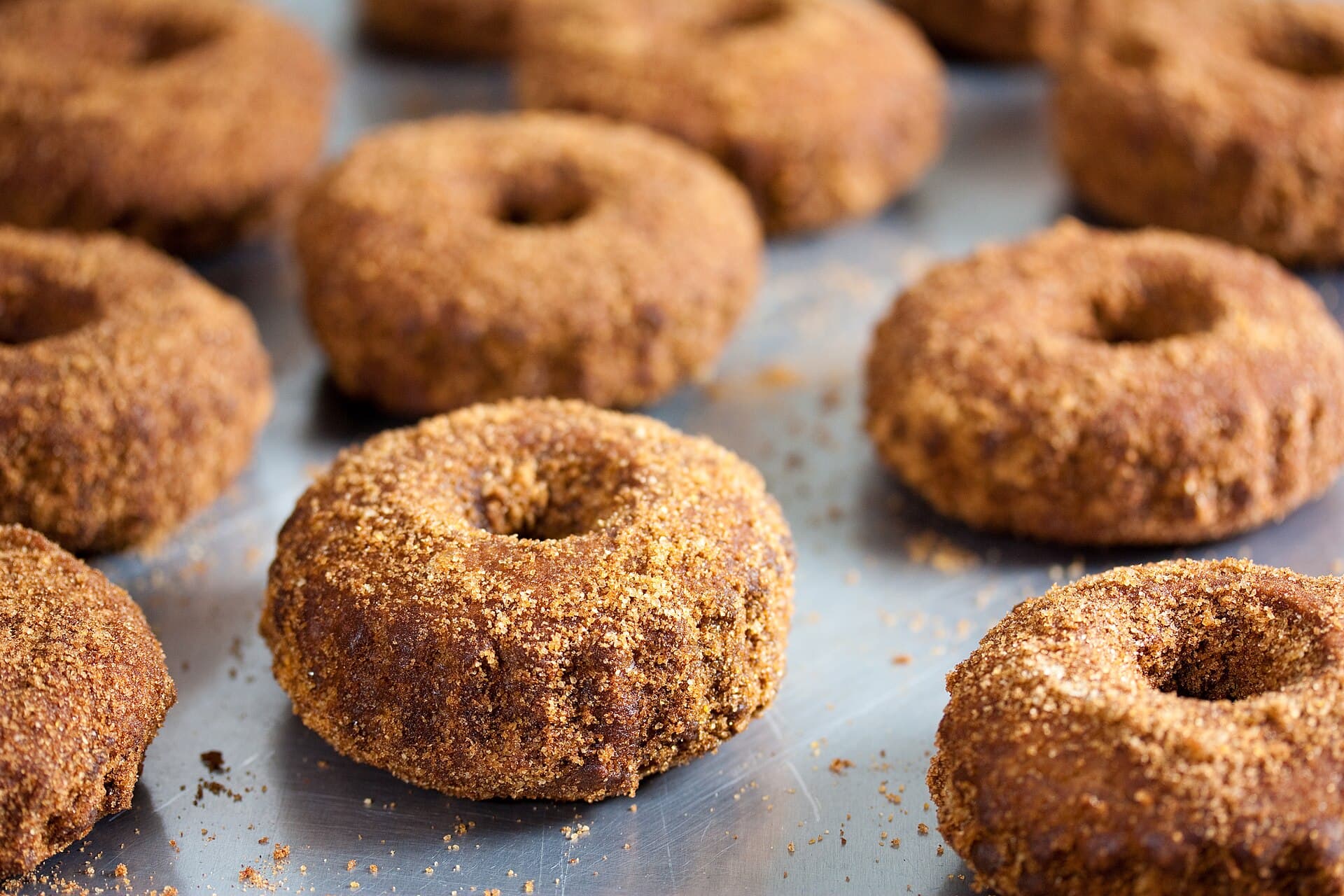
Cake doughnuts flavored with reduced apple cider and rolled in cinnamon sugar.
1900s-present
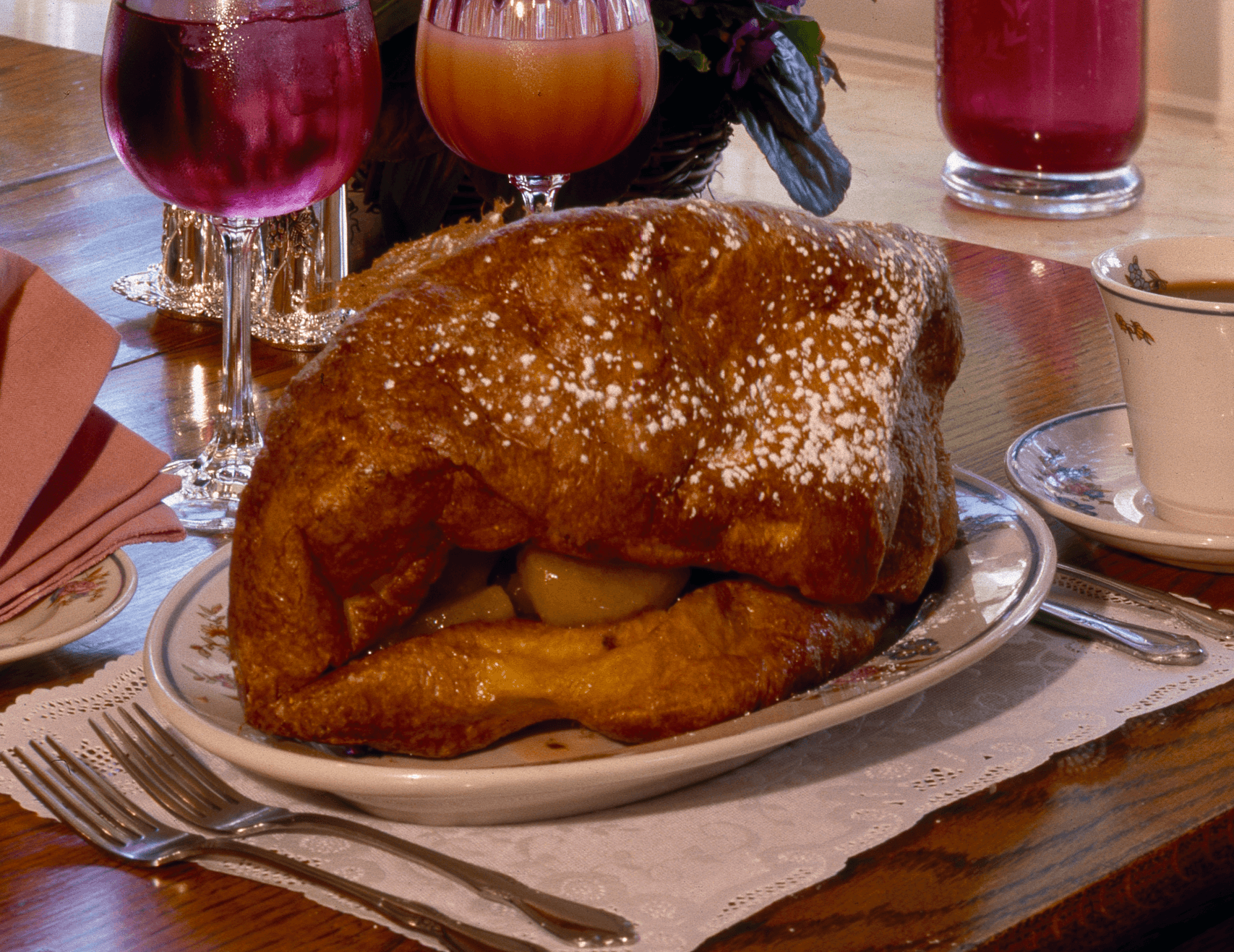
A German-American Dutch baby-style pancake baked over cinnamon apples in a hot skillet.
Same region
1900s-present
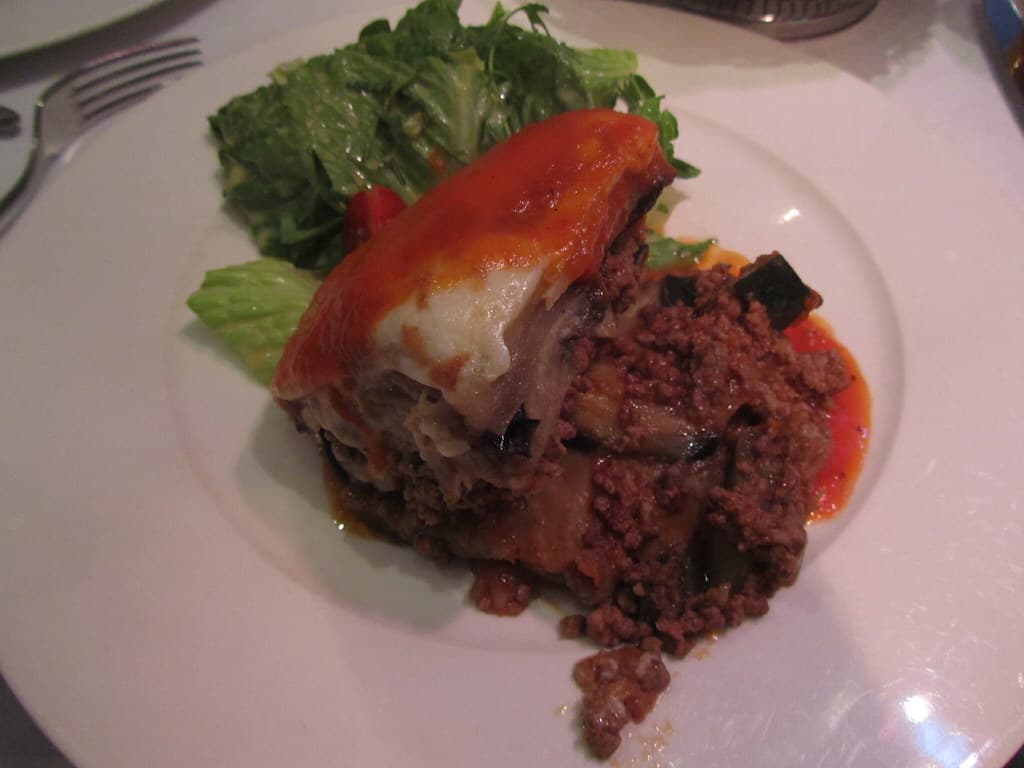
Moussaka is a layered casserole combining eggplant, ground meat, tomato sauce, and creamy bechamel, introduced to American diners by Greek immigrants in the early 20th century. It became popular in immigrant cities and lunch counters, blending Mediterranean traditions with American comfort food culture. This hearty dish is a hallmark of Greek-American cuisine and diner fare.
1900s-present
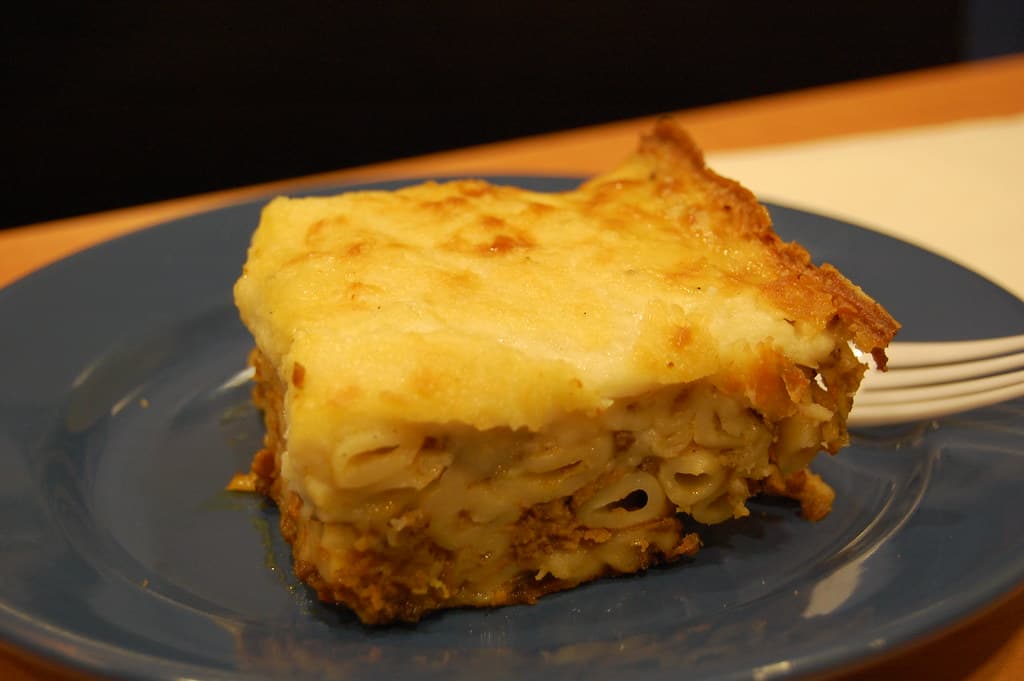
Pastitsio is a Greek-American comfort casserole featuring layers of pasta, seasoned ground meat, and bechamel sauce baked until golden. Popular in Greek immigrant communities, it reflects traditional Greek cuisine adapted in American diners and lunch counters.
1900s-present
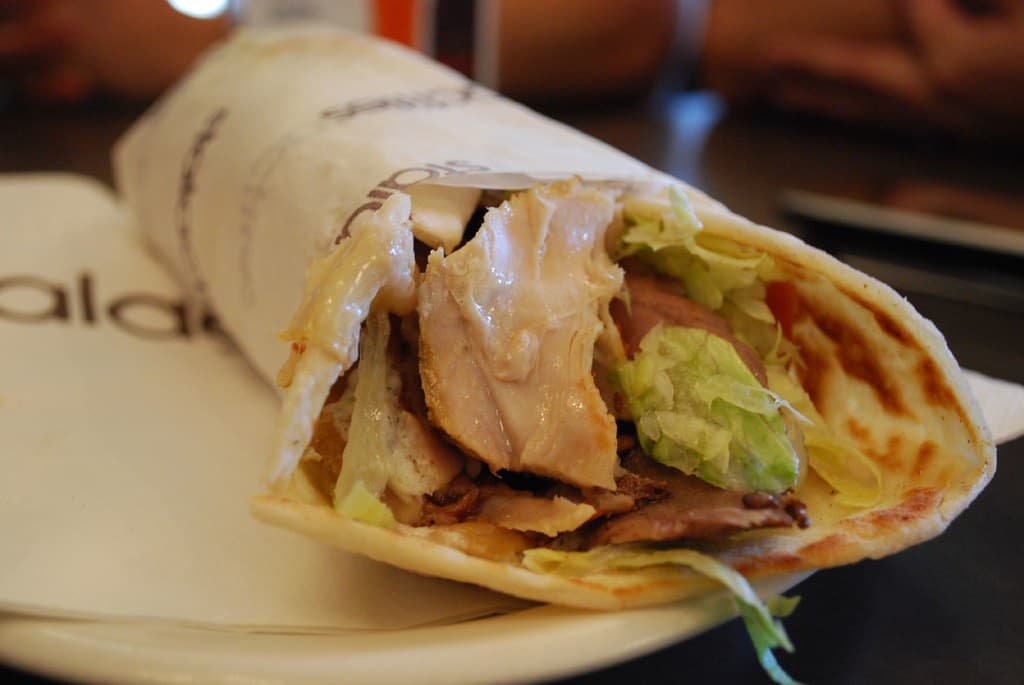
Souvlaki, a traditional Greek grilled meat skewer, became a popular American lunchtime dish during Greek immigration waves in the early 1900s. Commonly served in diners and food stands, it embodies both immigrant culinary traditions and American street food culture.
Same table
1960-2026
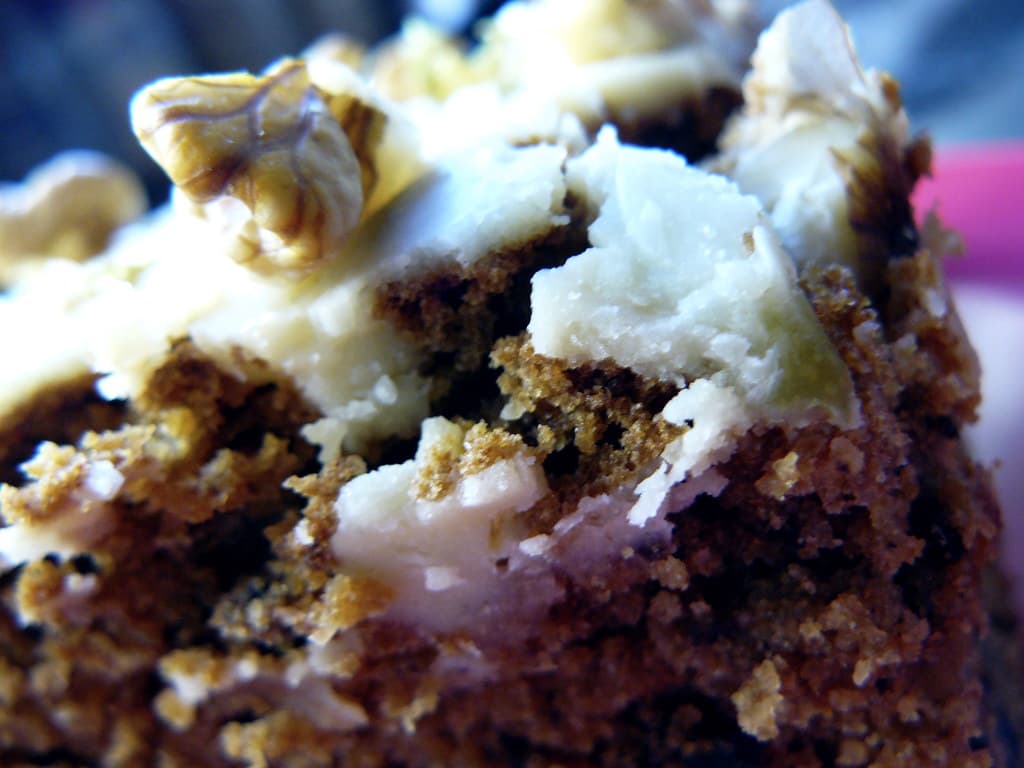
Carrot cake has older European roots in carrot puddings and cakes, but the American layer cake with oil, warm spices, nuts, and cream cheese frosting surged in the 1960s and 1970s. It became a party, bakery, and Easter-table classic.
1900s-present
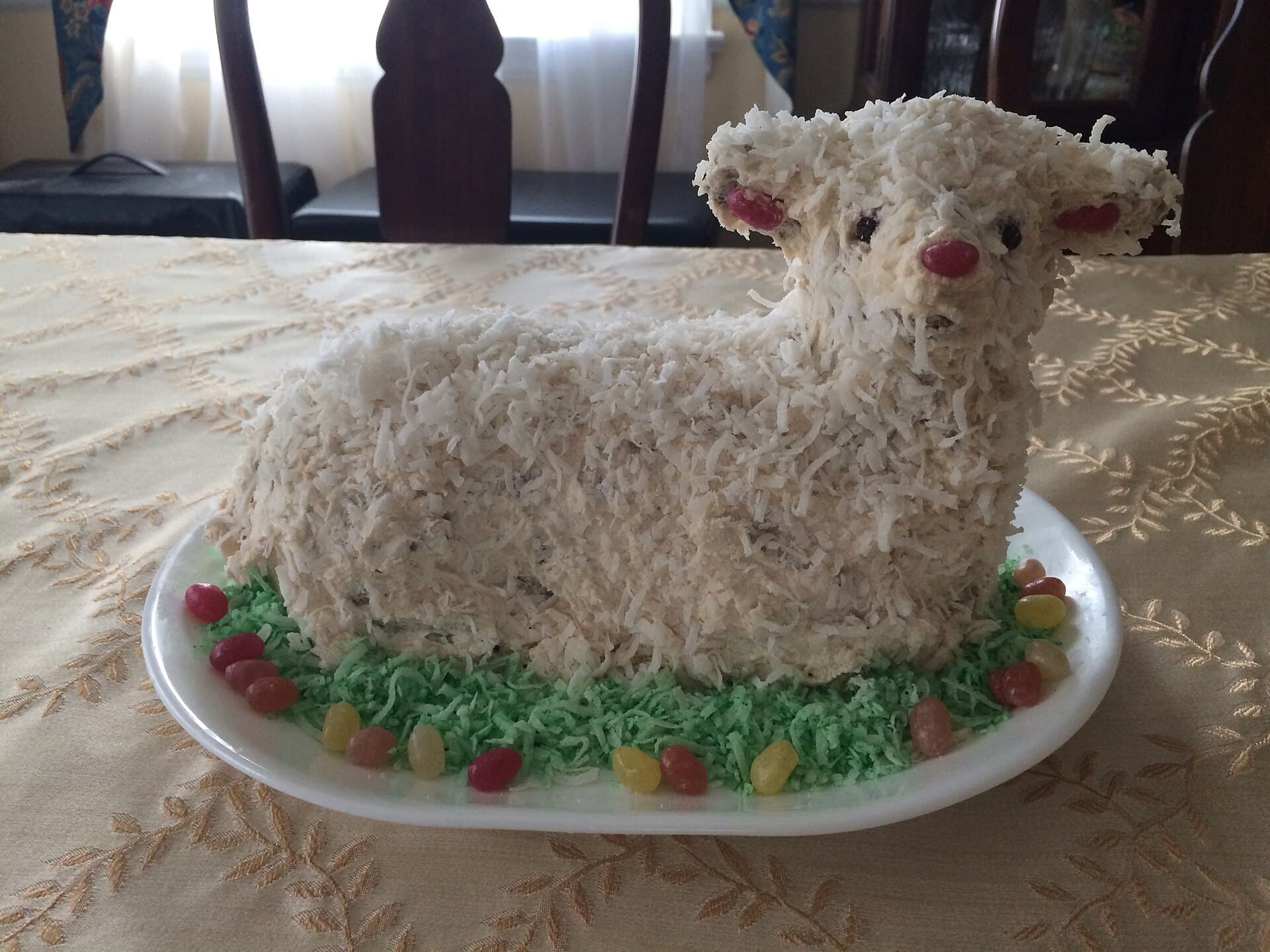
Lamb cake is a dessert shaped into a lamb, traditionally served at Easter celebrations in various American communities. The cake symbolizes purity and resurrection, often made using a molded pan and decorated with frosting to resemble wool. Its cross-era presence illustrates the blending of European Easter customs with American holiday traditions.
America's Melting Pot
Asparagus photo coming soon
1800s/early 1900s-present
A bright American Easter asparagus side, quickly cooked and dressed with lemon butter, herbs, and hard-cooked egg in the spirit of old spring-table recipes.