
Recipe archive
Loading
Setting the table...
Fetching the latest recipes from the archive.
Loading
Fetching the latest recipes from the archive.
Recipe archive
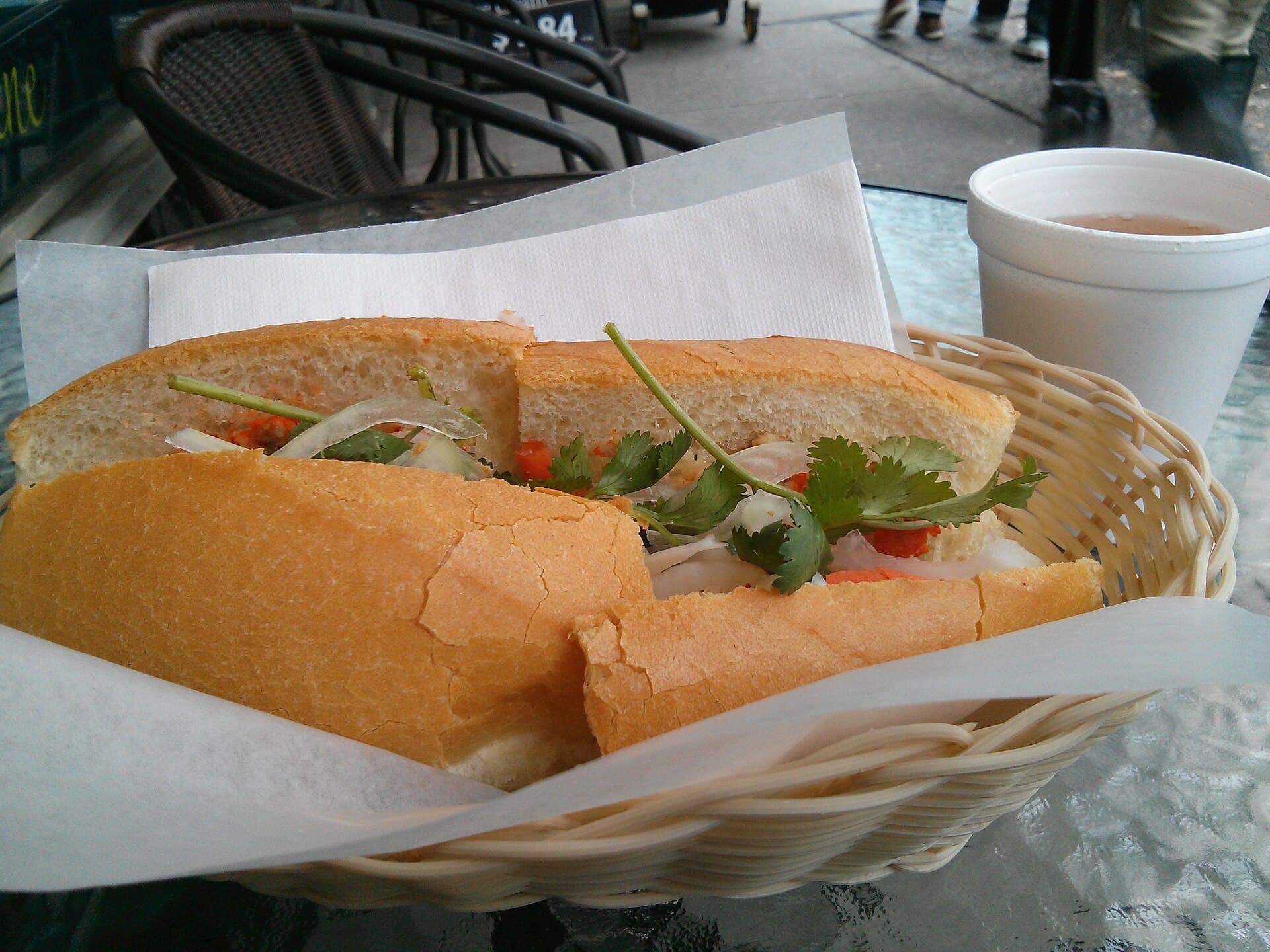
1970s-present - Vietnamese refugees and Vietnamese American sandwich shops
A Vietnamese American banh mi sandwich with crisp baguette, mayonnaise, pate, pork or tofu, pickled carrot and daikon, cucumber, jalapeno, and cilantro.
Community-powered photos. Reviewers can upload dish photos, and the highest-rated community image may be featured here.
Difficulty
Medium
Prep time
30 minutes plus pickling
Cook time
10 minutes
Total time
40 minutes plus pickling
Servings
4 sandwiches
Region
Vietnamese American communities and suburbs
Era introduced
1970s-present
Introduced by
Vietnamese refugees and Vietnamese American sandwich shops
Recipe tools
Log in to save this recipe to a collection.
Banh mi begins with Vietnam, where French-introduced bread met Vietnamese fillings, pickles, herbs, chiles, and pate. In the United States, Vietnamese refugees and immigrants after 1975 built bakeries, delis, and sandwich shops that made banh mi a fixture in California, Texas, Louisiana, Virginia, and beyond. This version is a respectful home adaptation of the sandwich-shop style, with crisp bread, rich spread, pickles, herbs, and a savory filling.
Share family changes, regional twists, or pantry-friendly adaptations as full community recipes.
Log in to submit a community recipe.
No community recipes yet. Submitted recipes are published right away.
Rate this recipe and share how it worked at your table.
Log in to review this recipe.
No reviews yet. Be the first to rate this recipe.
Recipes matched by era, region, occasion, ingredients, and cultural roots from the archive.
Same era
America's Melting Pot
Baked Potato Bar photo coming soon
1970-2026
Fluffy baked russet potatoes served with chili, cheese sauce, broccoli, bacon, sour cream, scallions, and other toppings for a crowd-friendly bar.
America's Melting Pot
BBQ Beef Sandwiches photo coming soon
1970-2026
This sandwich turns pot roast into crowd food: cook beef until it pulls apart, simmer it in barbecue sauce, and serve it from a slow cooker or Dutch oven. It fits the late-20th-century world of booster clubs, church suppers, and game-day tables, where economical roasts could feed a line of hungry fans.
America's Melting Pot
Booster Club Brats photo coming soon
1970-2026
Brats are Midwestern event food: easy to scale, easy to hold warm, and strongly tied to Wisconsin football and German American sausage culture. Booster clubs and tailgaters use beer, onions, and grills to feed a crowd without much fuss.
Same region
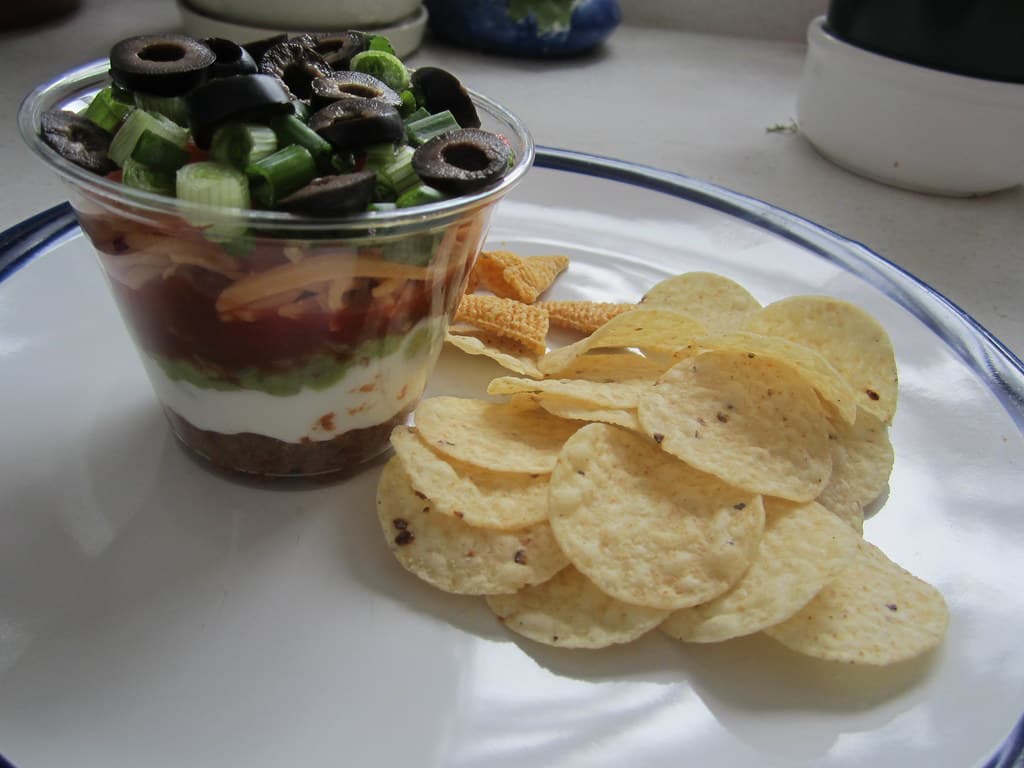
1900s-present
7-Layer Dip is a party dip with real American table personality: Tex-Mex party dish. It brings flavor from Texas and the Southwest to cookouts, counters, lunch plates, potlucks, and weeknight suppers.
America's Melting Pot
American Cocktail Sauce photo coming soon
1900s-present
American Cocktail Sauce is a seafood sauce with real American table personality: Ketchup/chili sauce plus horseradish; shrimp cocktail, oysters, crab claws. It brings flavor from Texas and the Southwest to cookouts, counters, lunch plates, potlucks, and weeknight suppers.
America's Melting Pot
Avocado Ranch photo coming soon
1980s-present
Avocado Ranch is a dressing with real American table personality: Modern Southwest-American variation. It brings flavor from the American South to cookouts, counters, lunch plates, potlucks, and weeknight suppers.
Same table
America's Melting Pot
Arepa Sandwiches photo coming soon
2010-2026
A street-food arepa sandwich filled with avocado chicken salad, black beans, cheese, and bright lime, built for the American food-truck table while respecting its Venezuelan and Colombian roots.
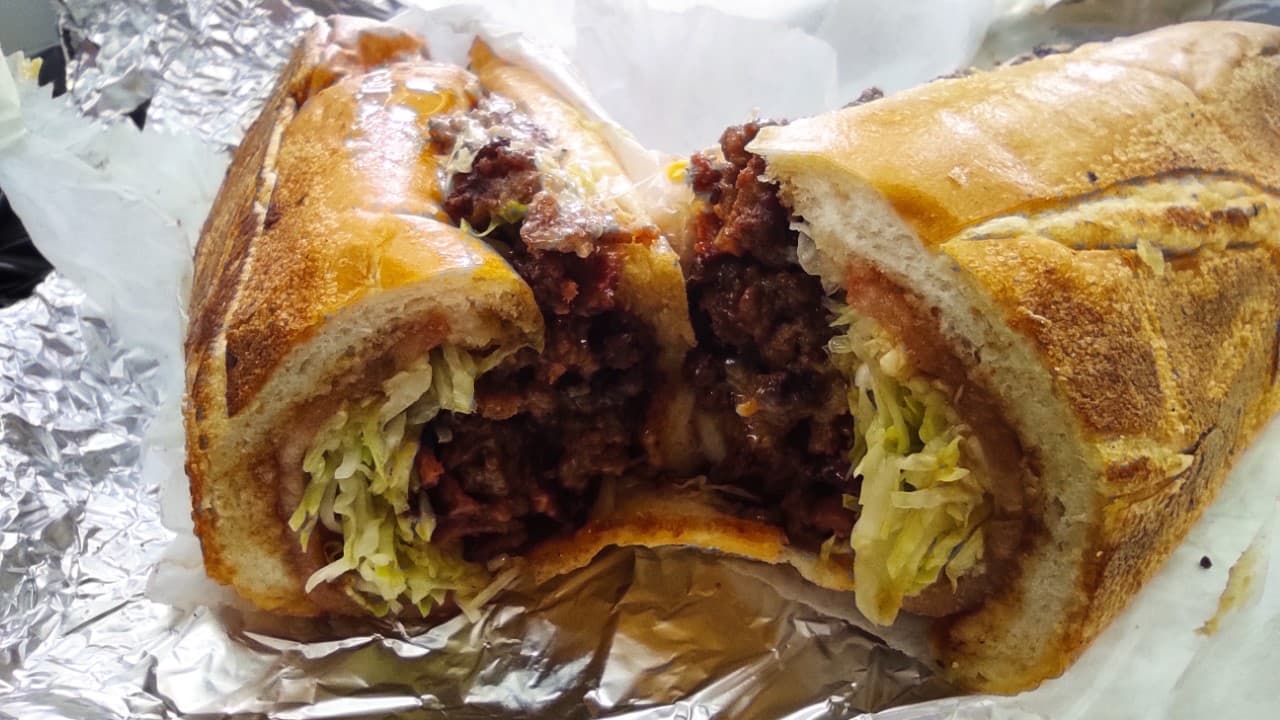
1990s/2000s-present
Chopped Cheese is a popular sandwich that originated in New York City bodegas. It features ground beef, onions, peppers, and melted cheese chopped together on a grill and served on a hero roll with usual sandwich fixings. This hearty sandwich reflects the vibrant street food culture and the influence of diverse immigrant communities in urban America.
America's Melting Pot
Cottage Cheese Pizza Bowl photo coming soon
2024-present
Cottage cheese stands in for the crust in this protein-rich pizza bowl, giving home cooks pizza flavor without a flour base.