
Recipe archive
Loading
Setting the table...
Fetching the latest recipes from the archive.
Loading
Fetching the latest recipes from the archive.
Recipe archive
America's Melting Pot
Baked Potato Bar hero image coming soon
1970s-present - Restaurant and cafeteria cooks turning baked potatoes into self-serve meals
Fluffy baked russet potatoes served with chili, cheese sauce, broccoli, bacon, sour cream, scallions, and other toppings for a crowd-friendly bar.
No featured photo yet. Upload a photo with your review. The highest-rated community photo may become this recipe's hero image.
Difficulty
Easy
Prep time
25 minutes
Cook time
1 hour 10 minutes
Total time
1 hour 35 minutes
Servings
8
Region
American cafeterias, family restaurants, and home buffets
Era introduced
1970s-present
Introduced by
Restaurant and cafeteria cooks turning baked potatoes into self-serve meals
Recipe tools
Log in to save this recipe to a collection.
The baked potato bar belongs to the age of family restaurants, cafeterias, salad bars, and budget-friendly entertaining. Big russet potatoes already had American restaurant history through railroad dining cars and Western potato agriculture; the self-serve toppings bar turned them into a full meal. For home cooks, the appeal is practical: bake a tray of potatoes, set out hot and cold toppings, and let everyone build dinner.
Share family changes, regional twists, or pantry-friendly adaptations as full community recipes.
Log in to submit a community recipe.
No community recipes yet. Submitted recipes are published right away.
Rate this recipe and share how it worked at your table.
Log in to review this recipe.
No reviews yet. Be the first to rate this recipe.
Recipes matched by era, region, occasion, ingredients, and cultural roots from the archive.
Same era
1975-2026
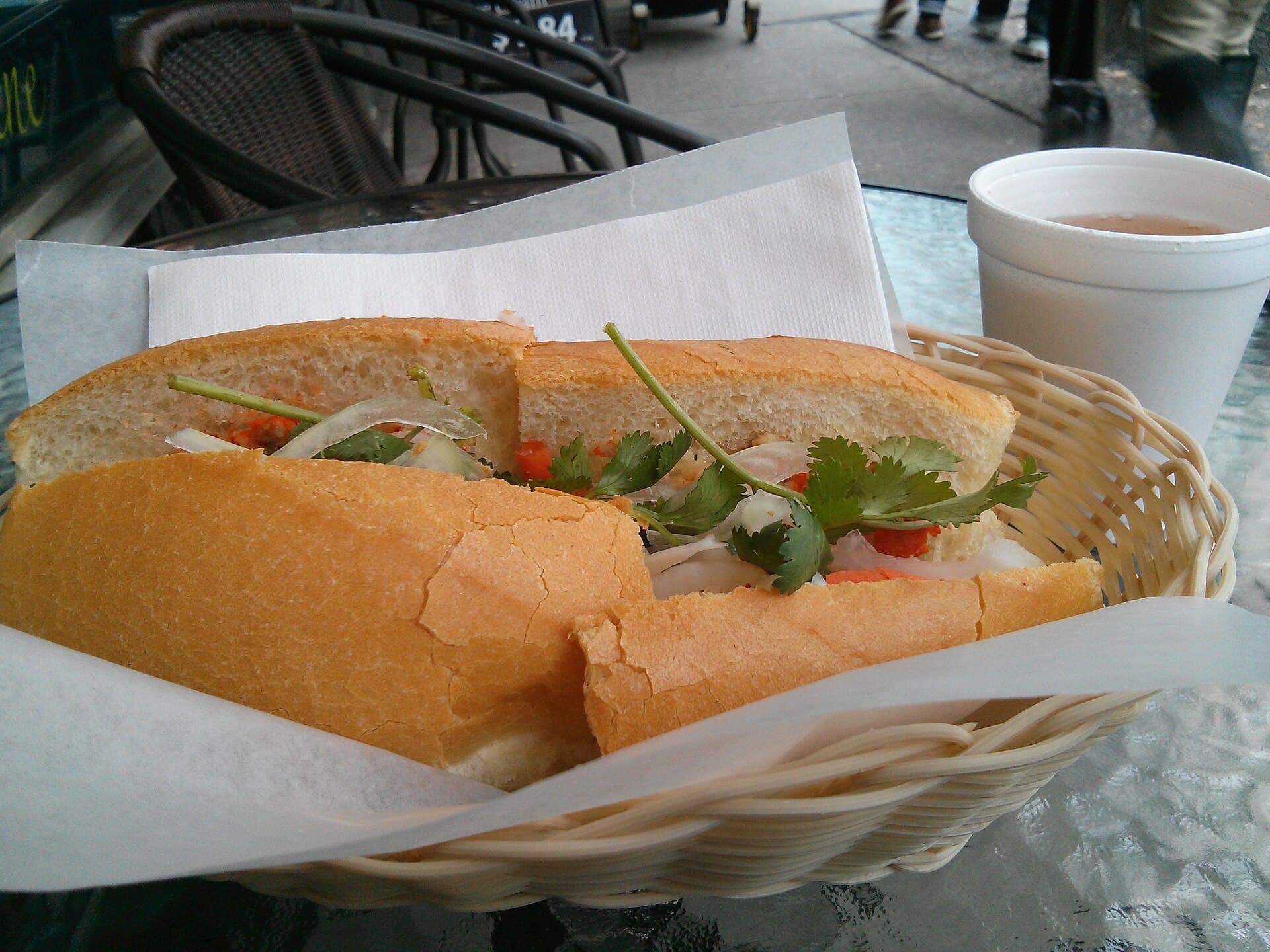
A Vietnamese American banh mi sandwich with crisp baguette, mayonnaise, pate, pork or tofu, pickled carrot and daikon, cucumber, jalapeno, and cilantro.
America's Melting Pot
BBQ Beef Sandwiches photo coming soon
1970-2026
This sandwich turns pot roast into crowd food: cook beef until it pulls apart, simmer it in barbecue sauce, and serve it from a slow cooker or Dutch oven. It fits the late-20th-century world of booster clubs, church suppers, and game-day tables, where economical roasts could feed a line of hungry fans.
America's Melting Pot
Booster Club Brats photo coming soon
1970-2026
Brats are Midwestern event food: easy to scale, easy to hold warm, and strongly tied to Wisconsin football and German American sausage culture. Booster clubs and tailgaters use beer, onions, and grills to feed a crowd without much fuss.
Same region
America's Melting Pot
Air Fryer Salmon photo coming soon
2010-2026
Salmon fillets seasoned simply and air-fried until browned outside and flaky within.
1800s-present
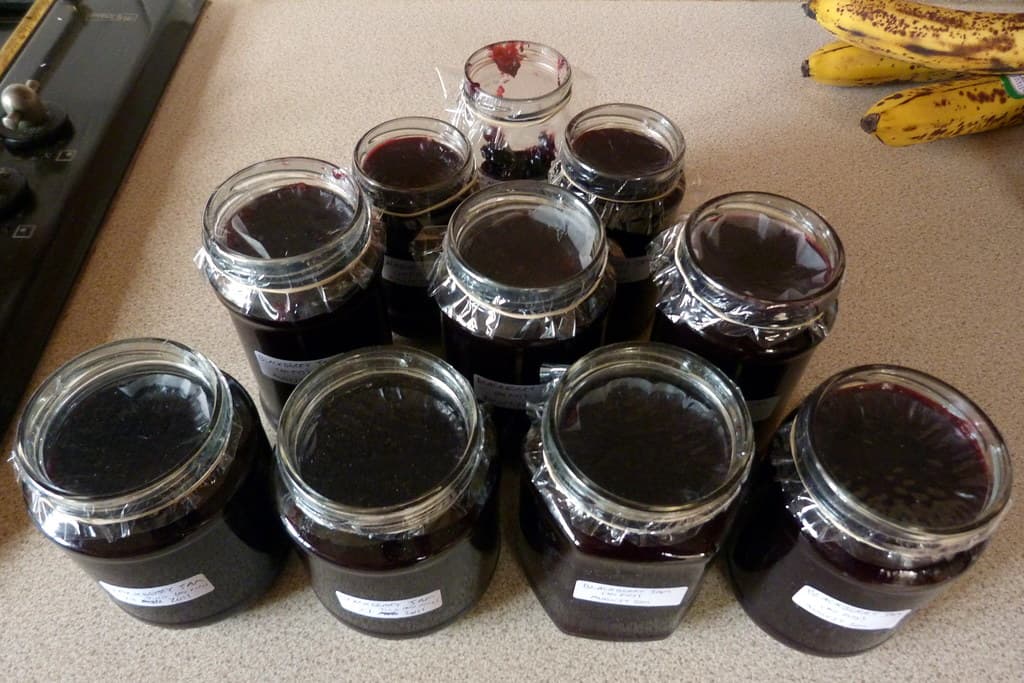
Blackberry Jam is a preserve with real American table personality: Southern, Appalachian, Ozark, and Pacific Northwest tradition. It brings flavor from Appalachia and Pennsylvania Dutch country to cookouts, counters, lunch plates, potlucks, and weeknight suppers.
America's Melting Pot
Cherry Barbecue Sauce photo coming soon
1980s-present
Cherry Barbecue Sauce is a barbecue sauce with real American table personality: Michigan, Pacific Northwest, and modern smoked-meat applications. It brings flavor from the Midwest and Great Lakes to cookouts, counters, lunch plates, potlucks, and weeknight suppers.
Same table
1990-2026
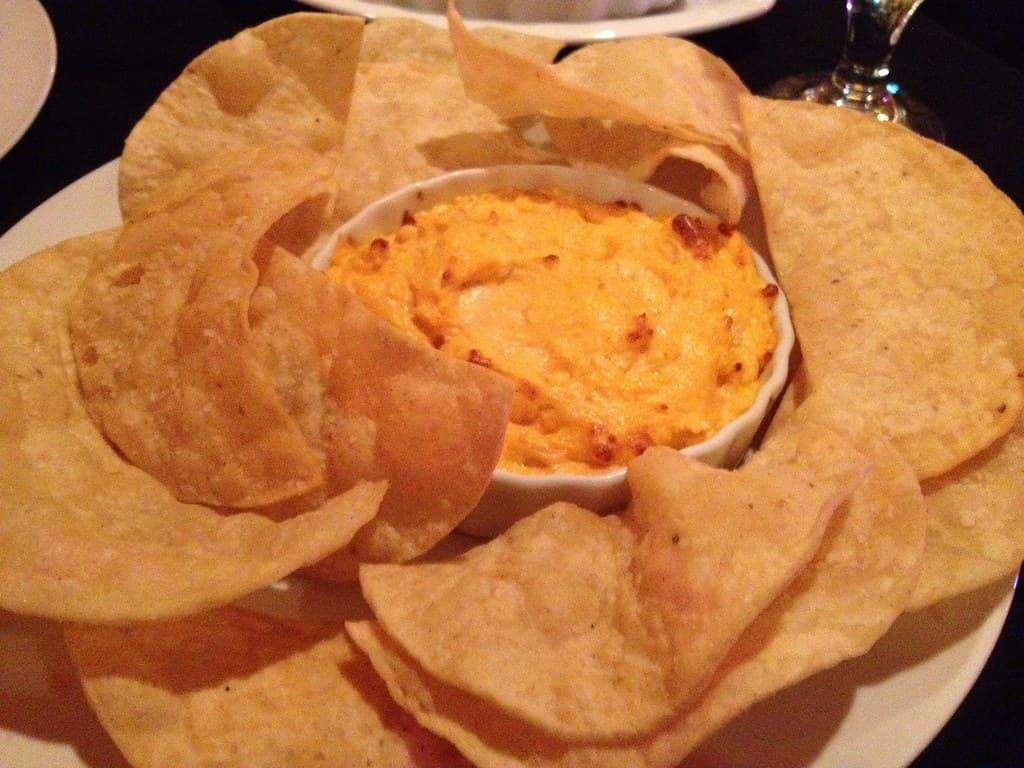
Buffalo chicken dip turns Buffalo wing flavors into a scoopable party dish. It belongs to the Super Bowl and tailgate era of American entertaining, with Frank's RedHot, cream cheese, shredded chicken, and ranch or blue cheese becoming the familiar formula.
America's Melting Pot
Charcuterie Boards photo coming soon
2010-2026
A modern American party board arranging cured meats, cheeses, crackers, fruit, nuts, pickles, and spreads for casual grazing.
1990-2009
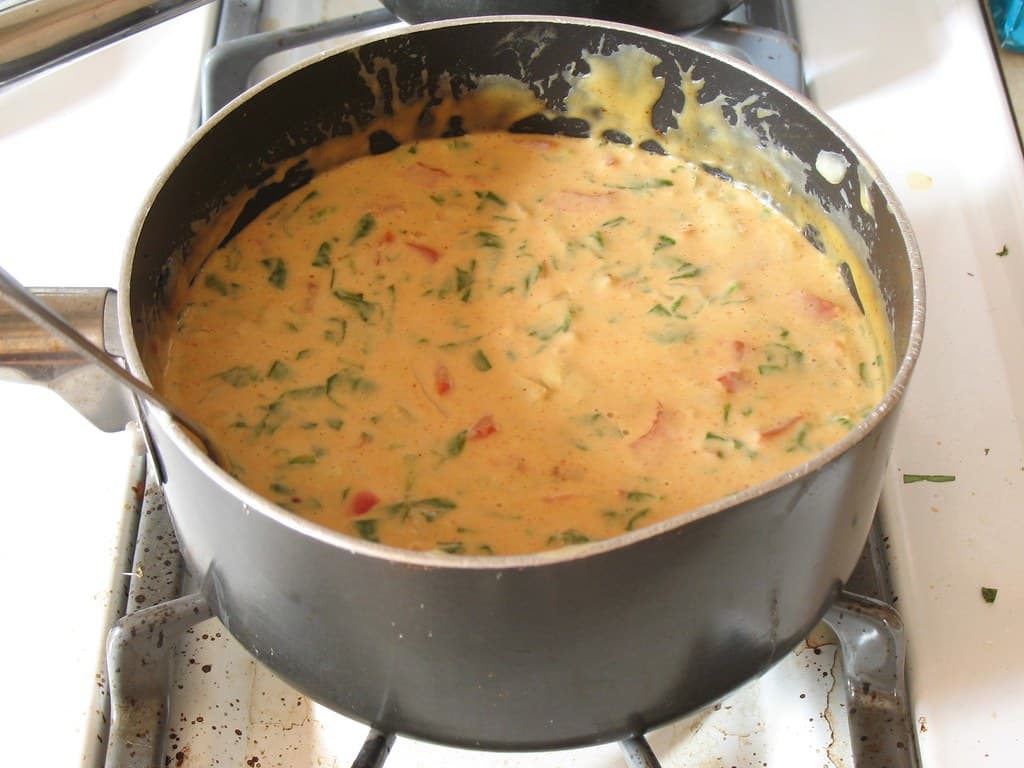
Queso is a warm melted cheese dip often enhanced with chili peppers, tomatoes, and spices, traditionally served alongside tortilla chips at games and parties. Rising in American popularity during the 1990s, it exemplifies comfort food blending Tex-Mex flavors suited for sharing during casual gatherings.