
Recipe archive
Loading
Setting the table...
Fetching the latest recipes from the archive.
Loading
Fetching the latest recipes from the archive.
Recipe archive
America's Melting Pot
Carrot Marmalade hero image coming soon
1910s-1940s - Home-front cooks and victory gardeners stretching citrus with carrots during wartime rationing
Carrot marmalade became useful in wartime kitchens because carrots were available, productive in victory gardens, and naturally sweet. Recipes appeared during World War I and returned during World War II as cooks stretched scarce citrus and sugar.
No featured photo yet. Upload a photo with your review. The highest-rated community photo may become this recipe's hero image.
Difficulty
Moderate
Prep time
25 minutes
Cook time
1 hour
Total time
1 hour 25 minutes
Servings
about 5 half-pints
Region
United States and Allied home-front kitchens
Era introduced
1910s-1940s
Introduced by
Home-front cooks and victory gardeners stretching citrus with carrots during wartime rationing
Recipe tools
Log in to save this recipe to a collection.
Carrot marmalade is a make-do preserve. It does not pretend carrots are oranges; instead, grated carrot adds body, color, and sweetness while lemon and orange provide the sharp peel-and-juice profile of marmalade. The recipe fits the archive because it shows home-front ingenuity: gardens, rationing, and thrift reshaping breakfast toast.
Share family changes, regional twists, or pantry-friendly adaptations as full community recipes.
Log in to submit a community recipe.
No community recipes yet. Submitted recipes are published right away.
Rate this recipe and share how it worked at your table.
Log in to review this recipe.
No reviews yet. Be the first to rate this recipe.
Recipes matched by era, region, occasion, ingredients, and cultural roots from the archive.
Same era
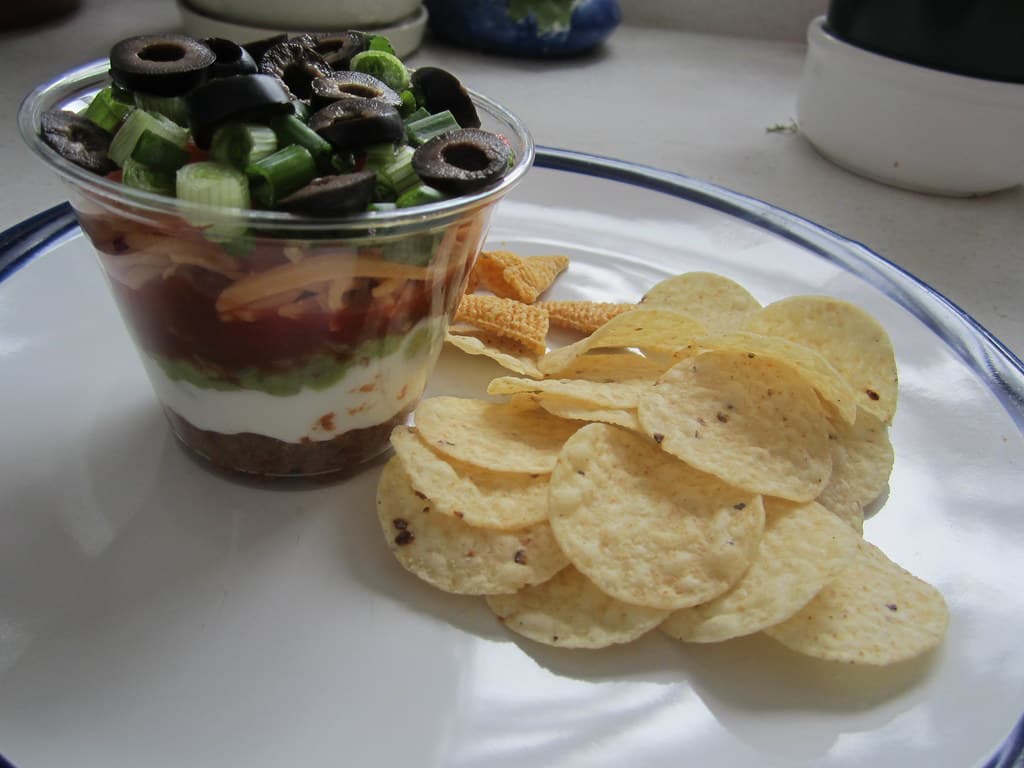
1900s-present
7-Layer Dip is a party dip with real American table personality: Tex-Mex party dish. It brings flavor from Texas and the Southwest to cookouts, counters, lunch plates, potlucks, and weeknight suppers.
America's Melting Pot
Alabama White Sauce Chicken photo coming soon
1920s-present
Grilled or smoked chicken served with Alabama white barbecue sauce, a mayonnaise-and-vinegar sauce associated with Big Bob Gibson Bar-B-Q in Decatur.
America's Melting Pot
Almond Chicken photo coming soon
1900s-present
Crisp boneless chicken served over lettuce with brown gravy, scallions, and toasted almonds.
Same region
America's Melting Pot
Canned Oyster Stew photo coming soon
1860-2026
Oyster stew has long been part of American coastal, holiday, and Lenten cooking. Canned oysters made the dish possible far from oyster beds and useful for military, railroad, boardinghouse, and pantry meals.
America's Melting Pot
Chicken and Dumplings, Early Style photo coming soon
1776-1800
A historic-style chicken broth with simple flour dumplings, inspired by early American meat-dumpling and pottage traditions.
America's Melting Pot
Coffee-Boiled Beef photo coming soon
1861-1865
Coffee-boiled beef is a unique stew-like dish from the Civil War era where beef is simmered slowly with brewed coffee, giving the meat a rich and slightly bitter flavor. This hearty preparation reflects military ingenuity in using available ingredients to tenderize tough cuts of meat.
Same table
America's Melting Pot
Orange Carrot Ginger Smoothie photo coming soon
1973-present
Orange Carrot Ginger Smoothie brings juice-bar color and American smoothie-counter energy to the glass: Juice bar staple.
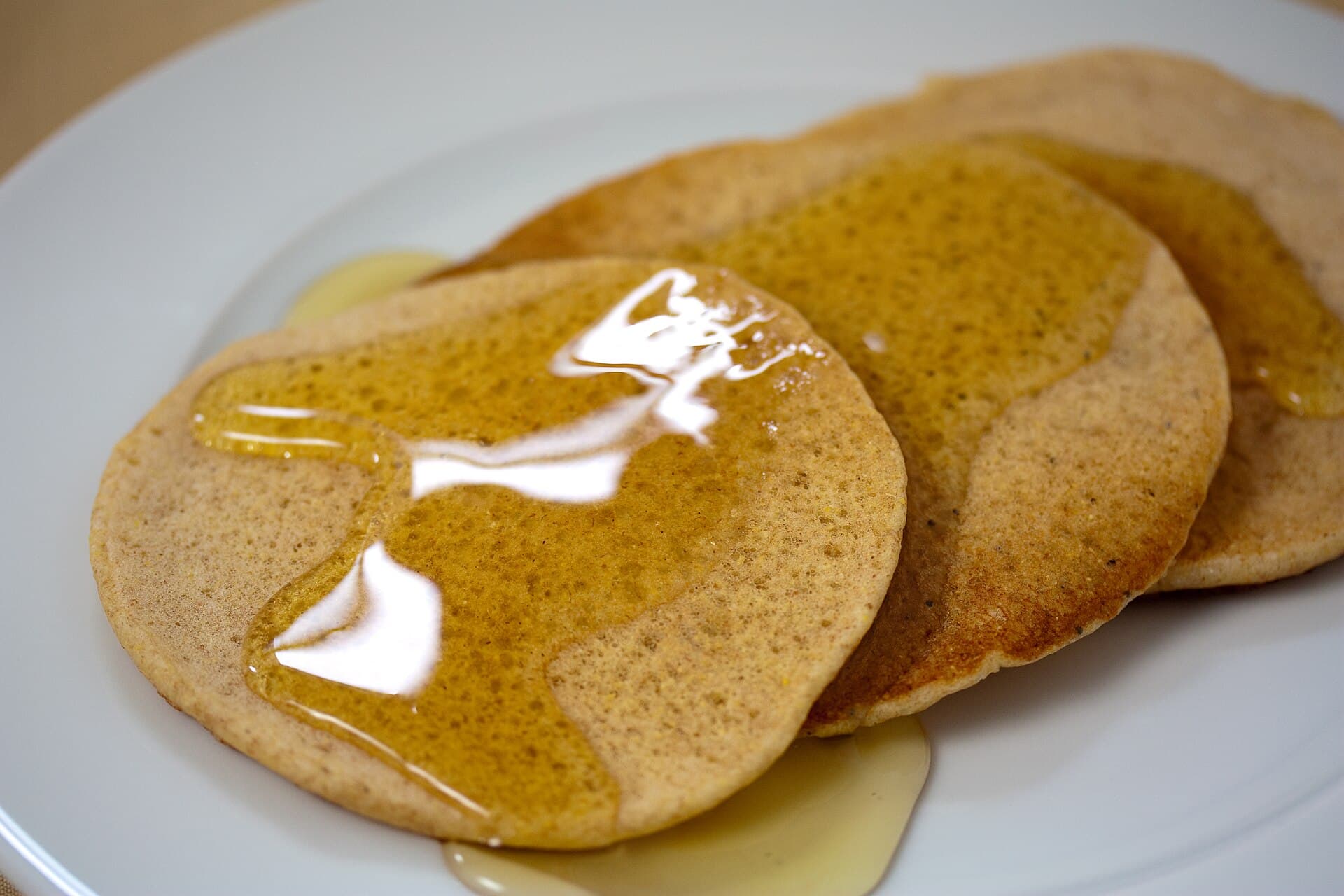
1600s-present
Cornmeal pancakes were a practical and hearty breakfast staple during the Depression and Dust Bowl years, offering an affordable, nourishing start to the day in rural and urban kitchens alike. Using simple pantry staples like cornmeal and flour, these pancakes sustained families through hard economic times and food shortages.
America's Melting Pot
Bacon Jam photo coming soon
2007-present
Bacon Jam is a preserve with real American table personality: Modern American burger/brunch condiment. It brings flavor from coast-to-coast American tables to cookouts, counters, lunch plates, potlucks, and weeknight suppers.