
Recipe archive
Loading
Setting the table...
Fetching the latest recipes from the archive.
Loading
Fetching the latest recipes from the archive.
Recipe archive
America's Melting Pot
Canned Oyster Stew hero image coming soon
1800s-present - American oyster canners, military cooks, and pantry cooks adapting oyster stew inland
Oyster stew has long been part of American coastal, holiday, and Lenten cooking. Canned oysters made the dish possible far from oyster beds and useful for military, railroad, boardinghouse, and pantry meals.
No featured photo yet. Upload a photo with your review. The highest-rated community photo may become this recipe's hero image.
Difficulty
Easy
Prep time
5 minutes
Cook time
15 minutes
Total time
20 minutes
Servings
4 servings
Region
United States pantry kitchens and coastal traditions
Era introduced
1800s-present
Introduced by
American oyster canners, military cooks, and pantry cooks adapting oyster stew inland
Recipe tools
Log in to save this recipe to a collection.
Fresh oyster stew is famously simple: oysters, milk or cream, butter, salt, and pepper. Canned oysters made that simplicity portable. In the 19th and 20th centuries, canned seafood could travel to inland kitchens, camps, and military contexts where fresh shellfish was impossible. The trick is gentle heat; boiling milk or overcooking oysters makes the stew tough or curdled.
Share family changes, regional twists, or pantry-friendly adaptations as full community recipes.
Log in to submit a community recipe.
No community recipes yet. Submitted recipes are published right away.
Rate this recipe and share how it worked at your table.
Log in to review this recipe.
No reviews yet. Be the first to rate this recipe.
Recipes matched by era, region, occasion, ingredients, and cultural roots from the archive.
Same era
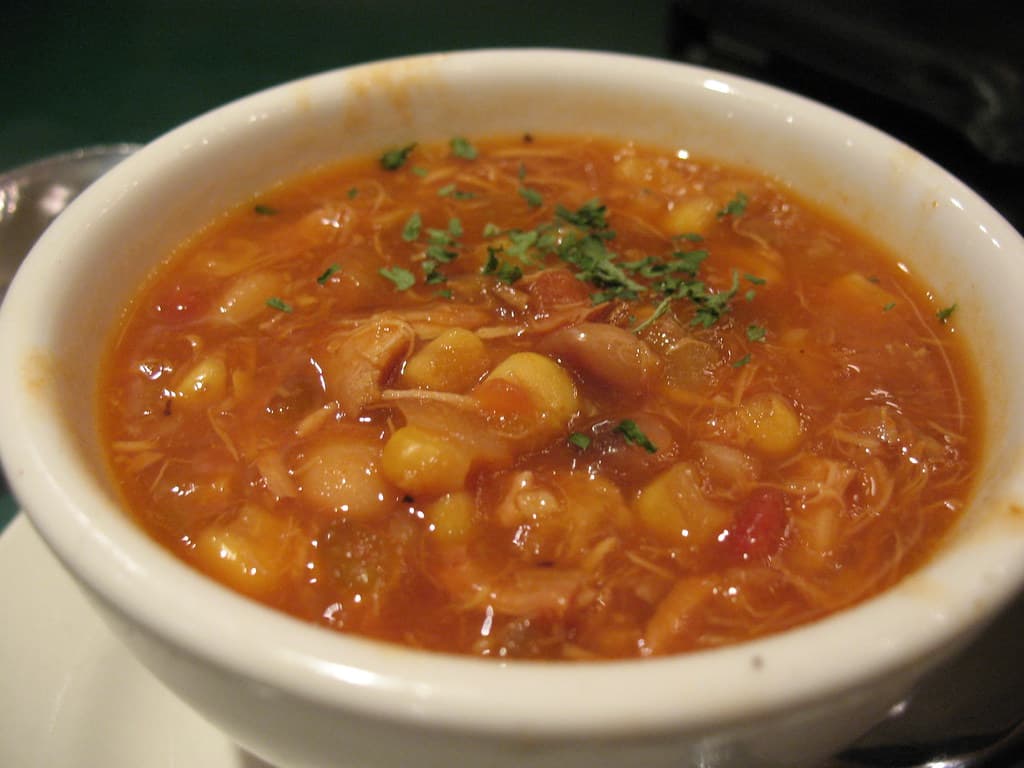
1828-2026
Brunswick stew has competing origin claims in Virginia and Georgia, and older roots in Southeastern stews that combined meat and corn. Modern versions are often linked to barbecue restaurants, church fundraisers, hunting camps, and community kettles.
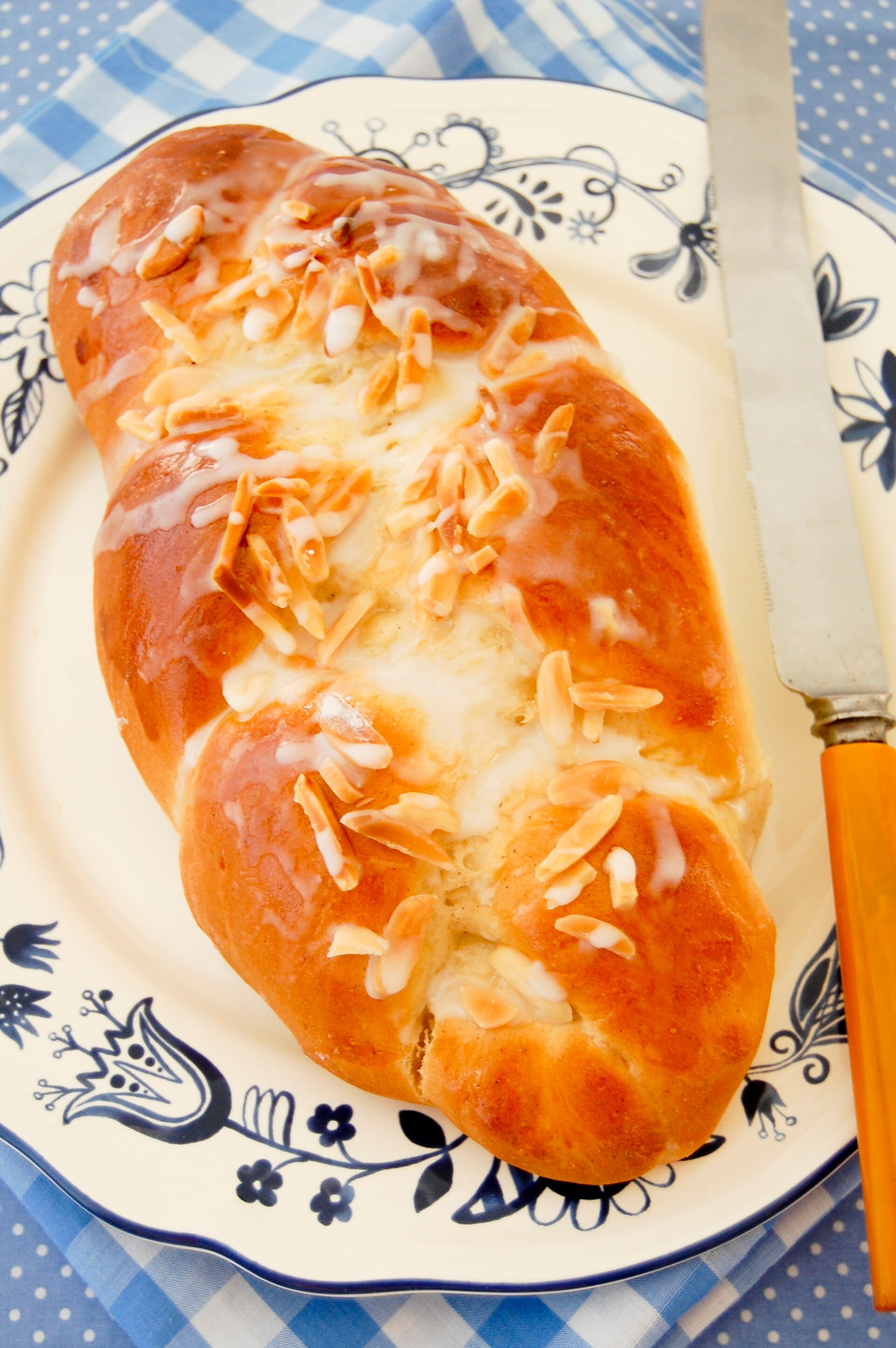
1860-2026
Cardamom bread came into Upper Midwest kitchens with Finnish, Swedish, Norwegian, and other Scandinavian immigrants. Finnish pulla and Swedish cardamom breads became coffee-table, holiday, and family celebration loaves in Scandinavian American communities.
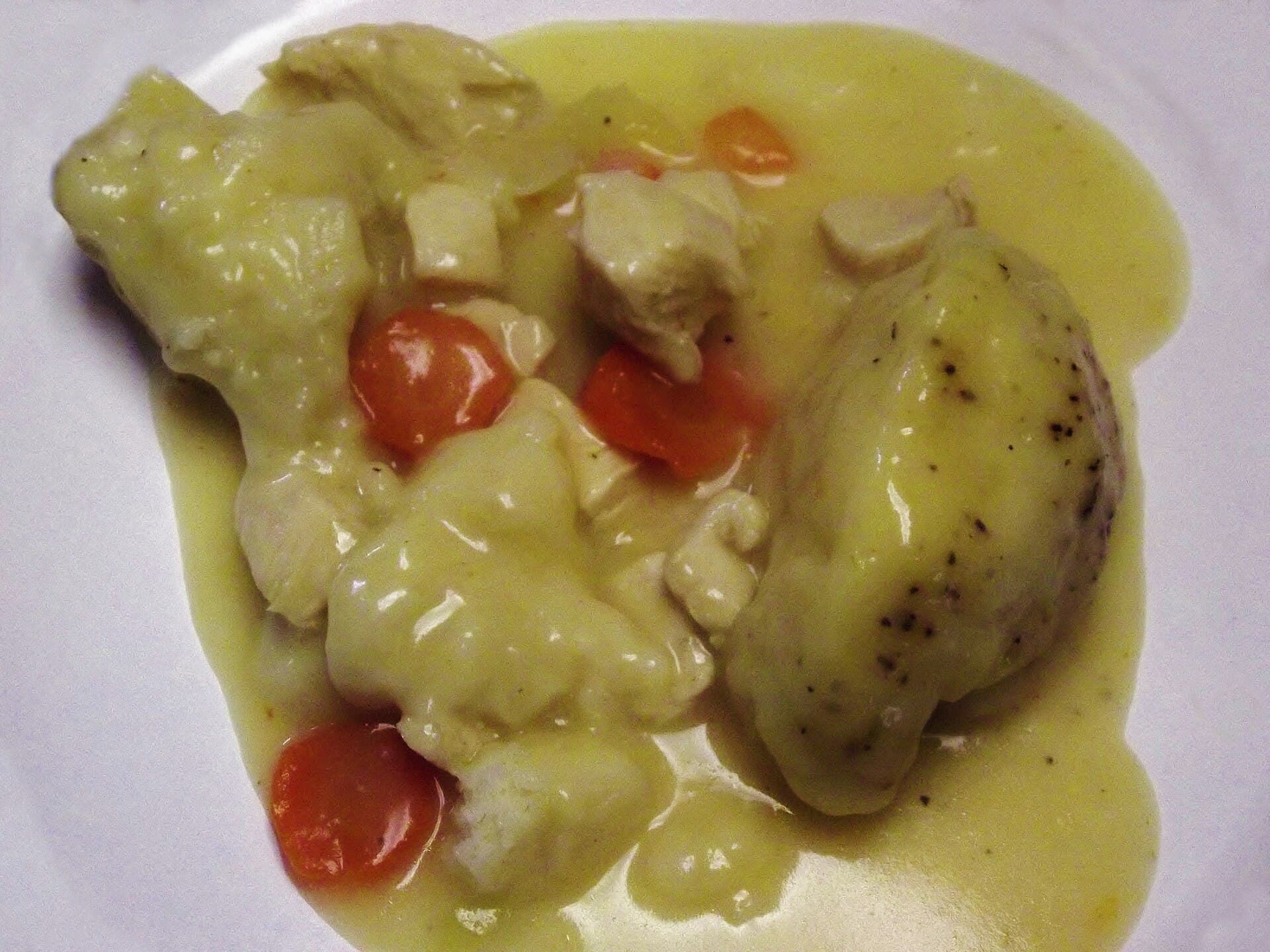
1879-2026
Tender chicken in rich broth with soft dumplings, finished as a thick, comforting Southern and Appalachian main dish.
Same region
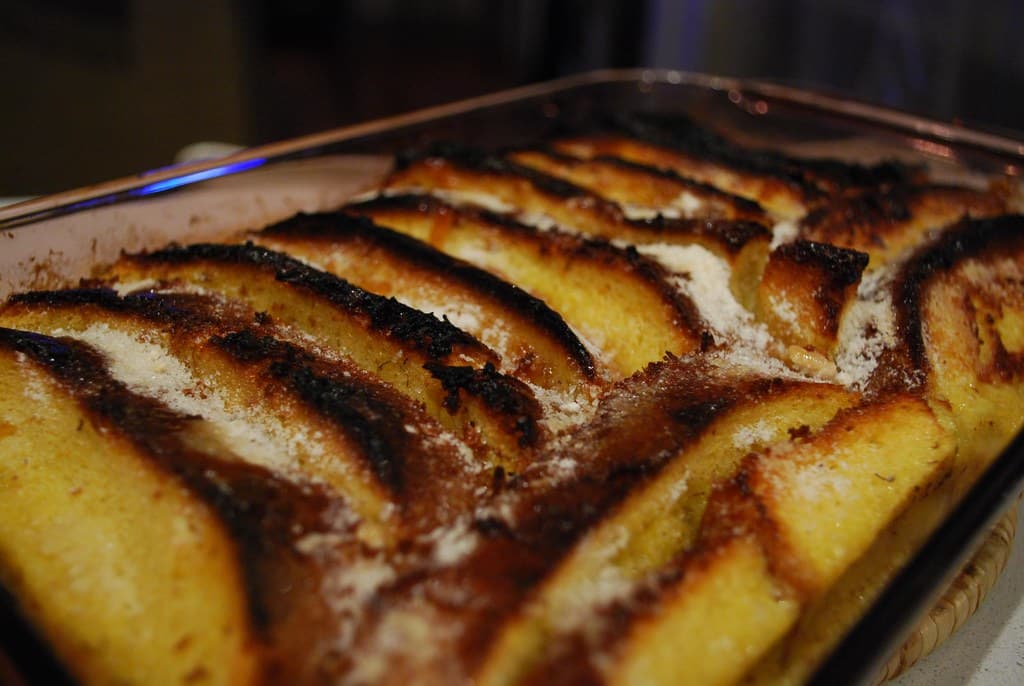
1700-2026
Bread pudding is one of the clearest examples of kitchen thrift becoming comfort food. English colonists brought bread-and-custard pudding habits to America, where cooks used stale bread, milk, eggs, sugar, and spices to make a dessert from leftovers.
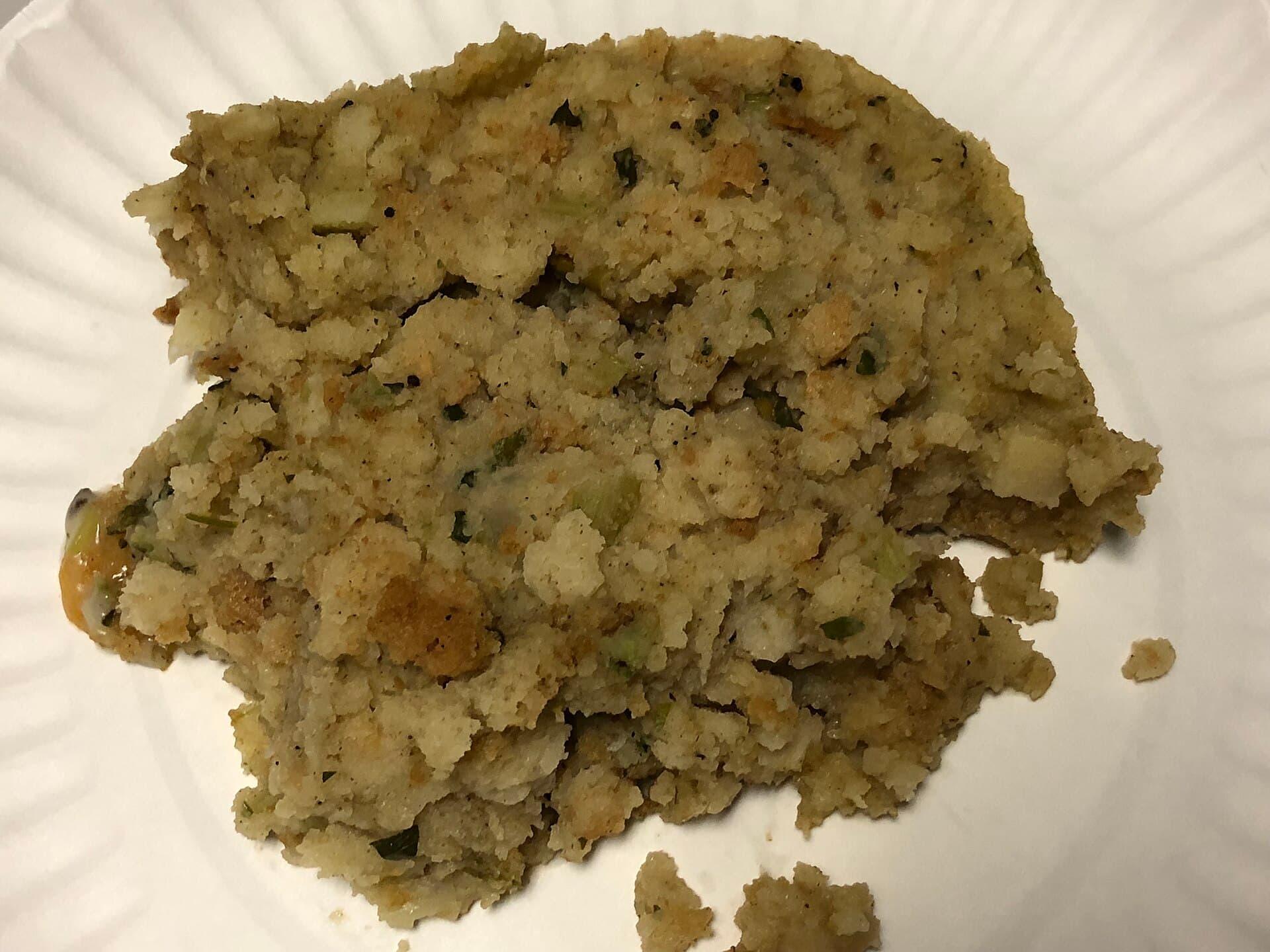
1700-2026
Bread stuffing is the Thanksgiving workhorse that turns stale bread into the part of the plate many people reach for first. Whether cooked inside the bird or baked separately as dressing, the core American formula is bread, aromatics, poultry herbs, and rich stock.
America's Melting Pot
Acorn Bread photo coming soon
1800-1860
A nutty, lightly sweet quick bread made with properly leached acorn flour, cornmeal, and wheat flour.
Same table
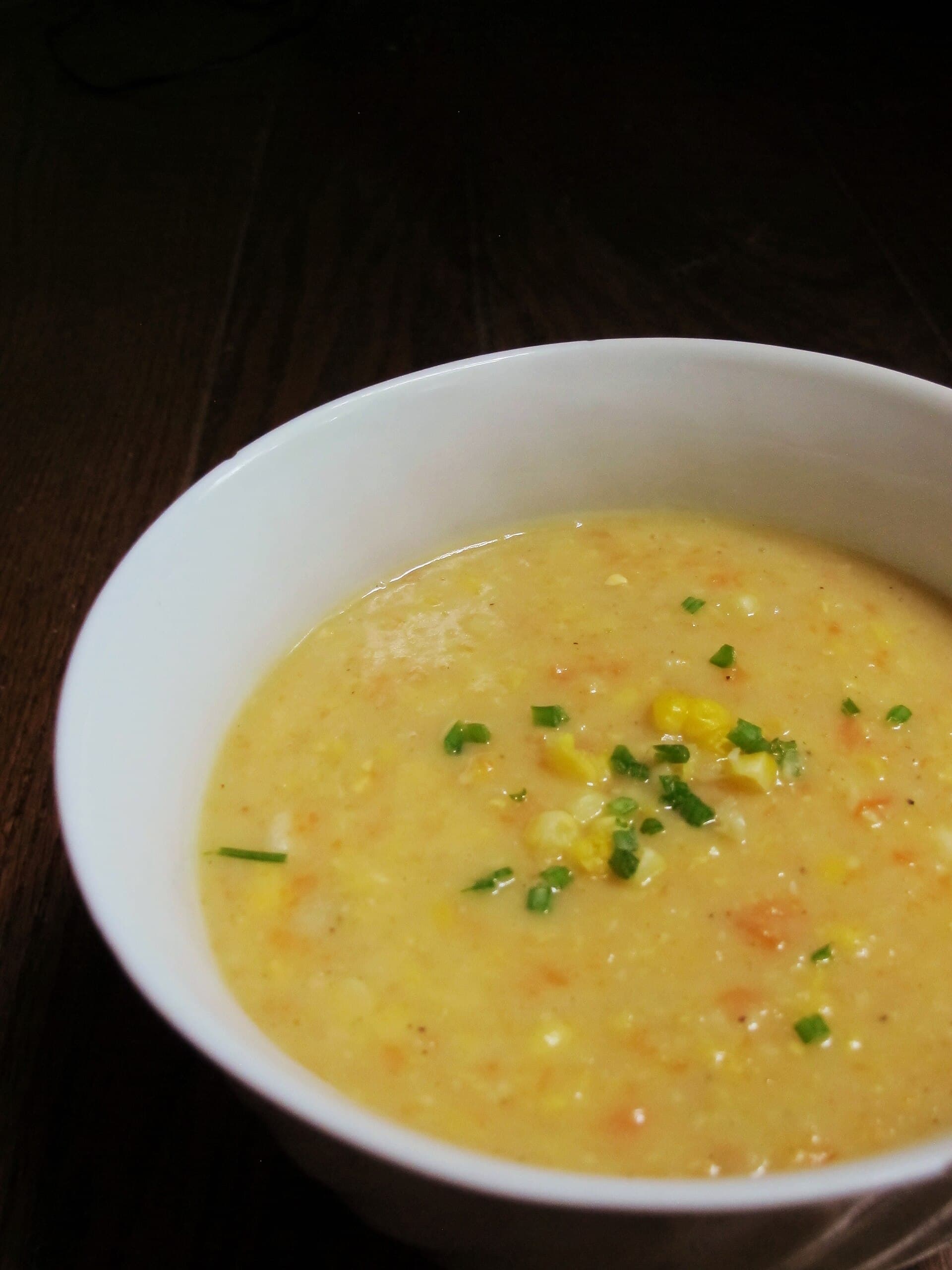
1700s-present
Corn chowder is a creamy and filling soup showcasing fresh or canned corn with potatoes, onions, and occasionally bacon or salt pork, enjoyed across the United States over multiple eras.
1860-2026
Cardamom bread came into Upper Midwest kitchens with Finnish, Swedish, Norwegian, and other Scandinavian immigrants. Finnish pulla and Swedish cardamom breads became coffee-table, holiday, and family celebration loaves in Scandinavian American communities.
America's Melting Pot
Field Biscuits photo coming soon
1917-1945
Field Biscuits are basic, hearty biscuits commonly prepared for military meals and mess halls during the Great Depression and World War II. They exemplify economical baking with minimal ingredients designed for mass production and nourishment.