
Recipe archive
Loading
Setting the table...
Fetching the latest recipes from the archive.
Loading
Fetching the latest recipes from the archive.
Recipe archive
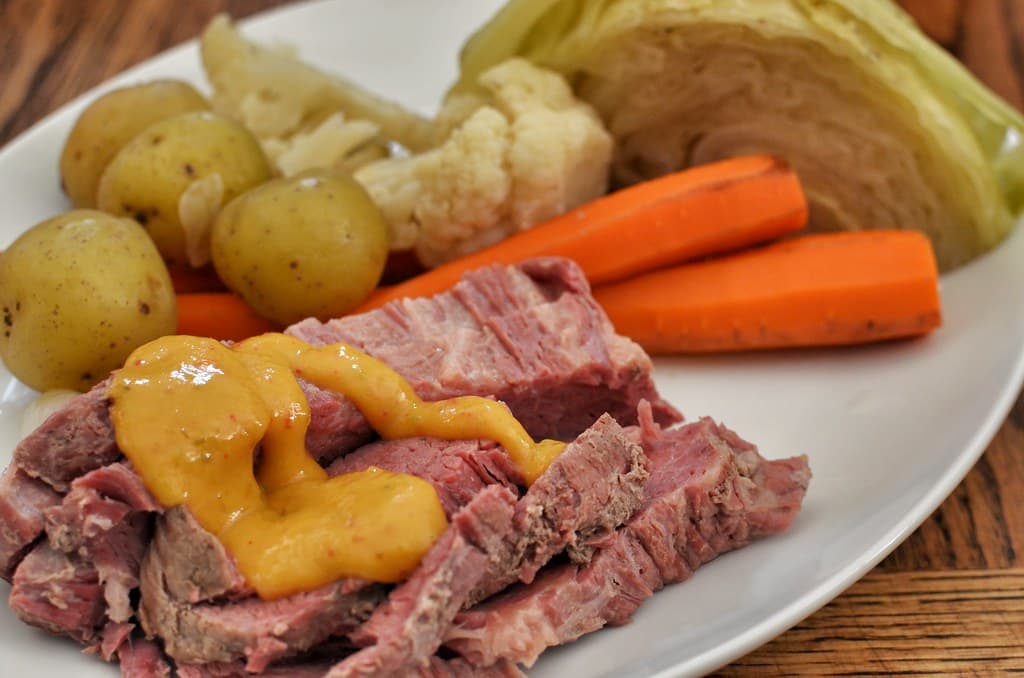
1861-1900 - Irish-American immigrant communities in 19th-century United States
Corned beef and cabbage is a staple Irish-American dish popularized in the United States during the early 19th century, especially among immigrant communities.
Community-powered photos. Reviewers can upload dish photos, and the highest-rated community image may be featured here.
Difficulty
Medium
Prep time
15 minutes
Cook time
3 hours
Total time
3 hours 15 minutes
Servings
6
Region
New York City Irish and Jewish immigrant neighborhood kitchens
Era introduced
1861-1900
Introduced by
Irish-American immigrant communities in 19th-century United States
Recipe tools
Log in to save this recipe to a collection.
Corned beef and cabbage became emblematic of Irish-American culinary identity during the 1800-1860 period, when Irish immigrants adapted traditional boiled dinners using more affordable corned beef in the United States. Though not a common Irish meal in Ireland itself, this dish symbolized cultural preservation and adaptation in immigrant neighborhoods, especially during St. Patrick's Day celebrations and family meals.
Share family changes, regional twists, or pantry-friendly adaptations as full community recipes.
Log in to submit a community recipe.
No community recipes yet. Submitted recipes are published right away.
Rate this recipe and share how it worked at your table.
Log in to review this recipe.
No reviews yet. Be the first to rate this recipe.
Recipes matched by era, region, occasion, ingredients, and cultural roots from the archive.
Same era
America's Melting Pot
Army Bean Soup photo coming soon
1861-1900
A hearty military-style bean soup built on navy beans, smoked ham hock, onion, celery, carrot, and bay leaf, adapted for a home pot from large-batch service traditions.

1861-1900
A basic homemade bagel recipe using high-protein flour, malt or brown sugar, a short boil, and a hot bake for chewy New York-style results.
America's Melting Pot
Bagels with Schmear photo coming soon
1861-1900
A deli-style bagel with a thick schmear of plain or scallion cream cheese, with optional onion, capers, tomato, and cucumber.
Same region
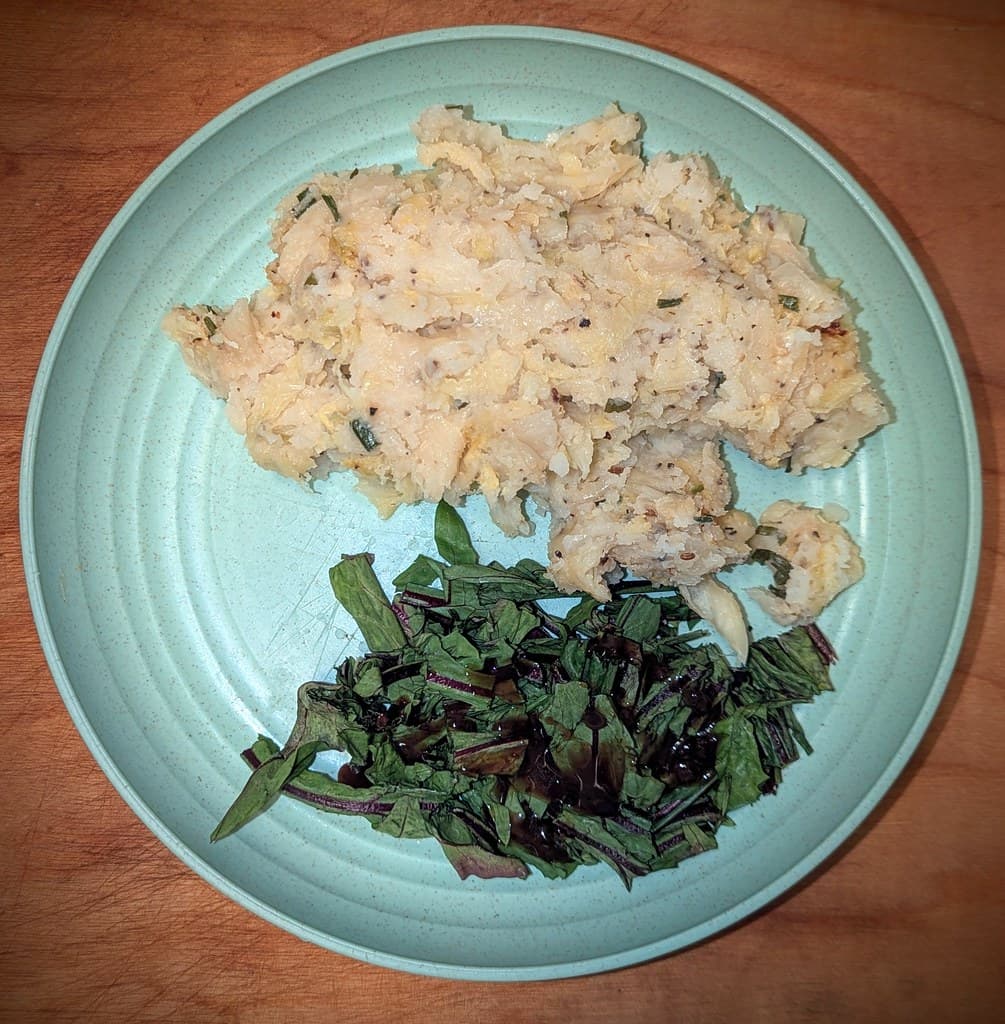
1840s-present
Colcannon is a hearty Irish-American side dish blending mashed potatoes with cabbage or kale, butter, and scallions. Popular among Irish immigrants in the United States during the 19th century, it reflects adaptations of traditional Irish cooking to available American ingredients. This rustic dish remains a comforting staple in Irish-American households and celebrations.
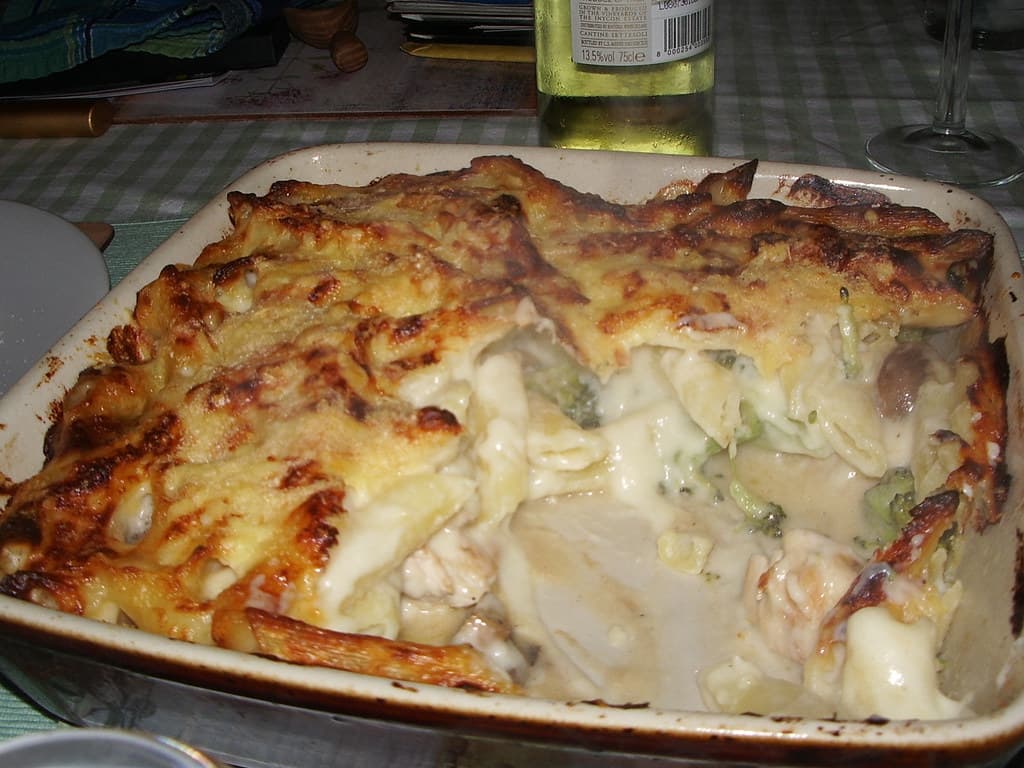
1840s-present
Fish Pie combines cooked fish and creamy sauce topped with mashed potatoes, baked into a savory pie. Brought by Irish immigrants to America during the 19th century, it represents adaptation of traditional Irish comfort foods using available seafood and pantry staples.
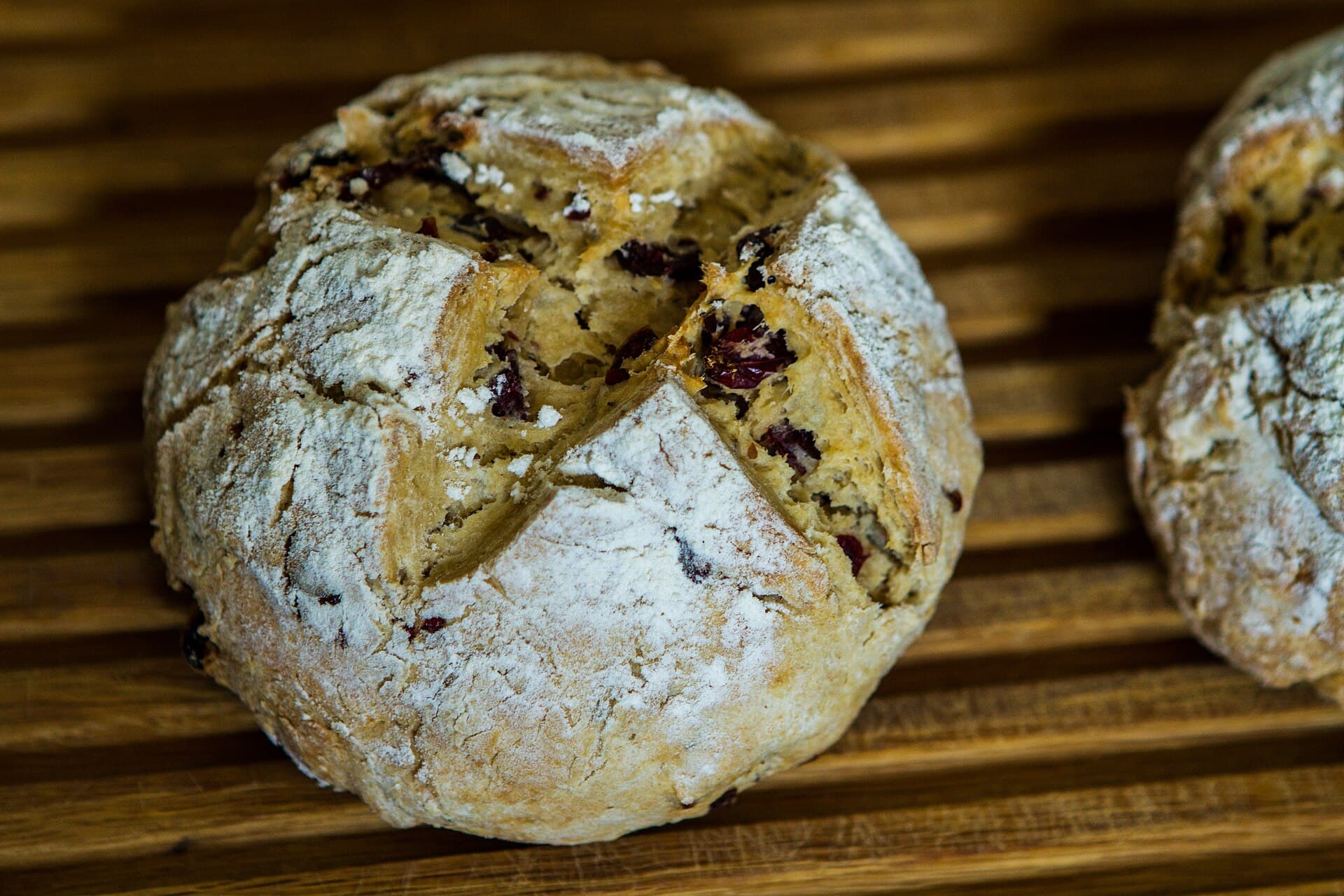
1840s-present
This Irish soda bread recipe uses baking soda as a leavening agent, reflecting a practical bread-making tradition brought by Irish immigrants to America in the 19th century, adapted for home kitchens today.
Same table
1840s-present
Colcannon is a hearty Irish-American side dish blending mashed potatoes with cabbage or kale, butter, and scallions. Popular among Irish immigrants in the United States during the 19th century, it reflects adaptations of traditional Irish cooking to available American ingredients. This rustic dish remains a comforting staple in Irish-American households and celebrations.
America's Melting Pot
Cabbage Soup photo coming soon
1800-2026
Cabbage soup is old-world thrift cooking that fit American boardinghouses, mining camps, immigrant kitchens, and wartime tables. Cabbage stored well, stretched broth, and could become a light vegetable soup or a heartier meal with potatoes, beans, or meat.
America's Melting Pot
Boiled Dinner photo coming soon
1800-2026
New England boiled dinner is practical one-pot cooking shaped by salt meat, root cellars, cabbage, and later Irish American corned beef traditions. It remains strongly tied to St. Patrick Day in the United States but is older and broader than the holiday plate.