
Recipe archive
Loading
Setting the table...
Fetching the latest recipes from the archive.
Loading
Fetching the latest recipes from the archive.
Recipe archive
America's Melting Pot
Cabbage Soup hero image coming soon
1800s-present - European immigrant cooks, boardinghouse cooks, and budget-minded American families
Cabbage soup is old-world thrift cooking that fit American boardinghouses, mining camps, immigrant kitchens, and wartime tables. Cabbage stored well, stretched broth, and could become a light vegetable soup or a heartier meal with potatoes, beans, or meat.
No featured photo yet. Upload a photo with your review. The highest-rated community photo may become this recipe's hero image.
Difficulty
Easy
Prep time
15 minutes
Cook time
45 minutes
Total time
1 hour
Servings
6 servings
Region
United States boardinghouses and immigrant kitchens
Era introduced
1800s-present
Introduced by
European immigrant cooks, boardinghouse cooks, and budget-minded American families
Recipe tools
Log in to save this recipe to a collection.
Cabbage Soup is humble, but it has earned its place at the American table. Cabbage stored well, stretched broth, and helped feed railroad workers, boarders, miners, farm families, immigrant kitchens, and wartime households when thrift mattered. This version keeps that practical spirit while giving the pot real comfort: tomato for brightness, potato for body, and broth or water depending on what the pantry can spare.
Share family changes, regional twists, or pantry-friendly adaptations as full community recipes.
Log in to submit a community recipe.
No community recipes yet. Submitted recipes are published right away.
Rate this recipe and share how it worked at your table.
Log in to review this recipe.
No reviews yet. Be the first to rate this recipe.
Recipes matched by era, region, occasion, ingredients, and cultural roots from the archive.
Same era
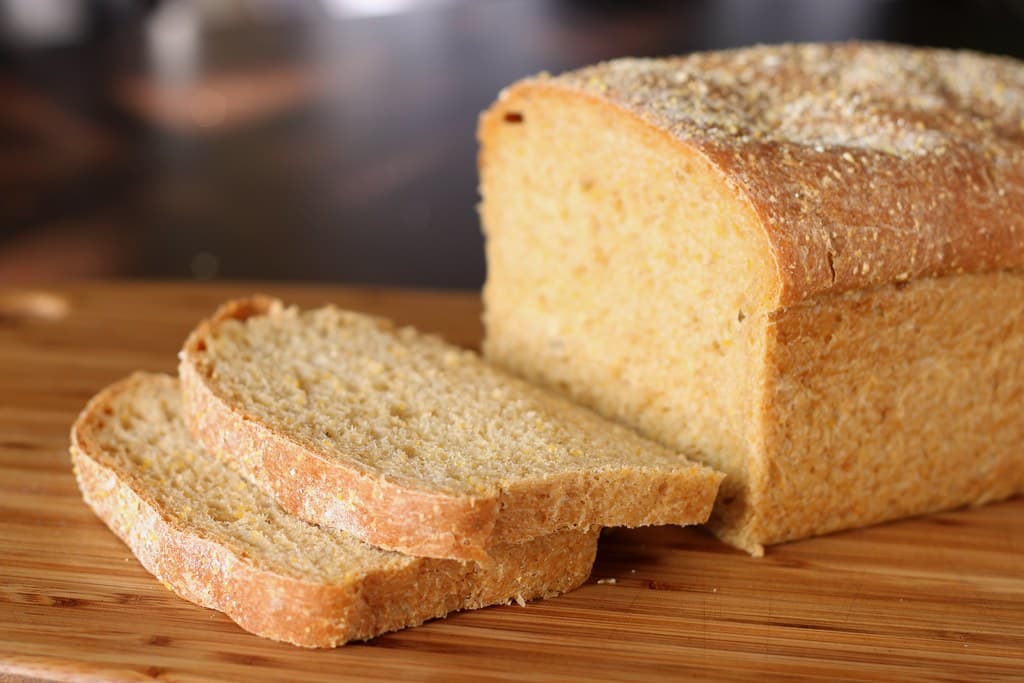
1800s-present
A lightly sweet New England loaf made with cornmeal, molasses, wheat flour, and yeast.
America's Melting Pot
Apple Cake photo coming soon
1800s-present
A tender apple-studded cake with cinnamon, butter, and a simple crumb topping.
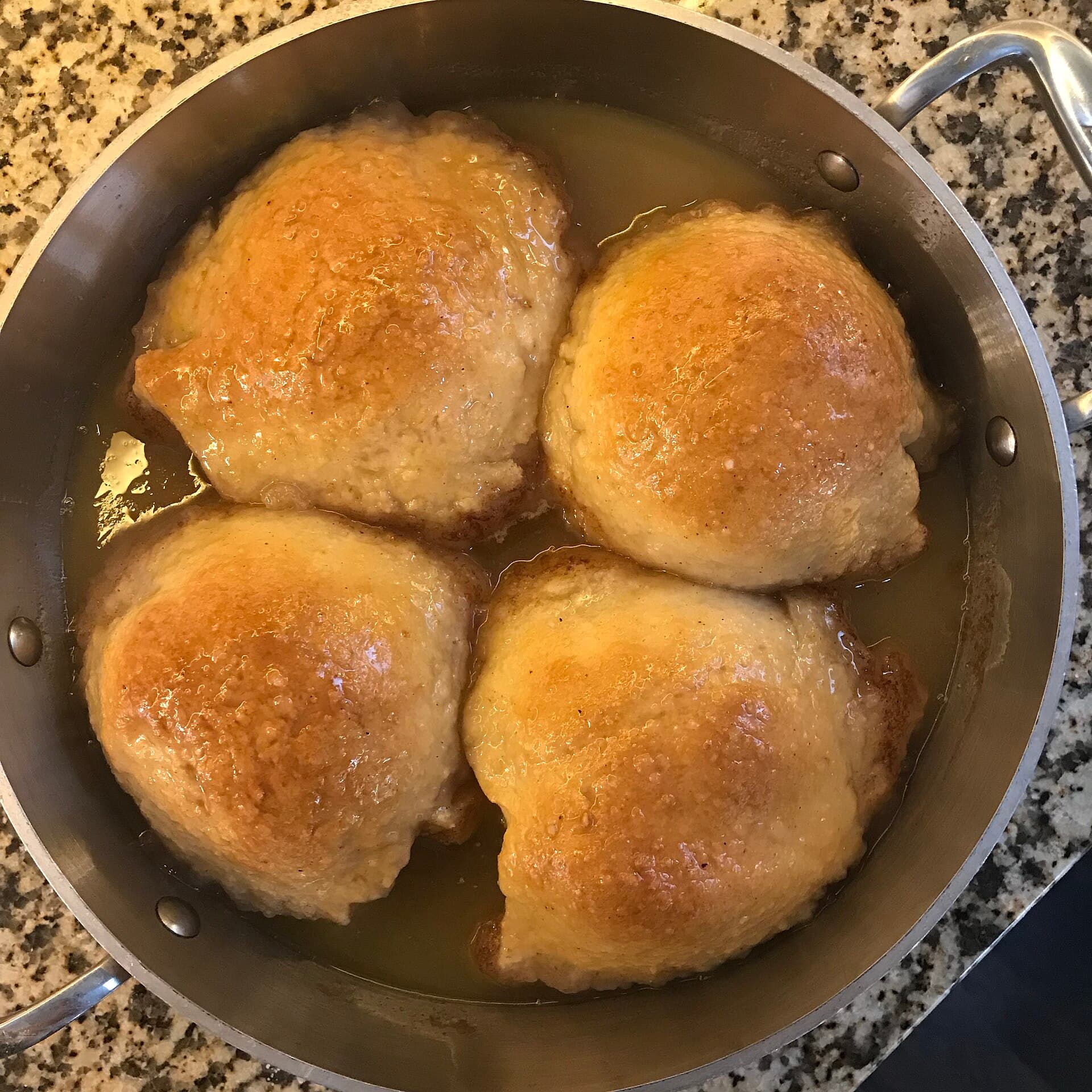
1800s-present
A Pennsylvania Dutch-style dessert of cored apples wrapped in dough and baked with brown sugar syrup.
Same region
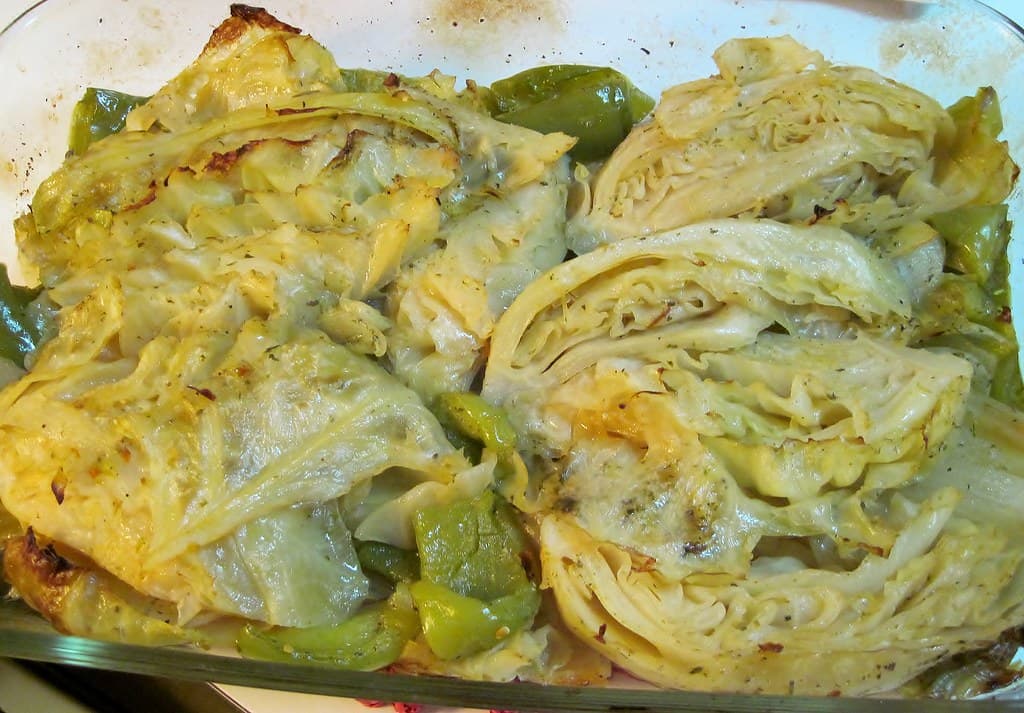
1700-2026
Braised cabbage is an old, practical side dish because cabbage stores well, feeds many, and softens beautifully with slow moist heat. American versions draw from British, German, Irish, and Eastern European cabbage cookery as well as plain farm-table thrift.
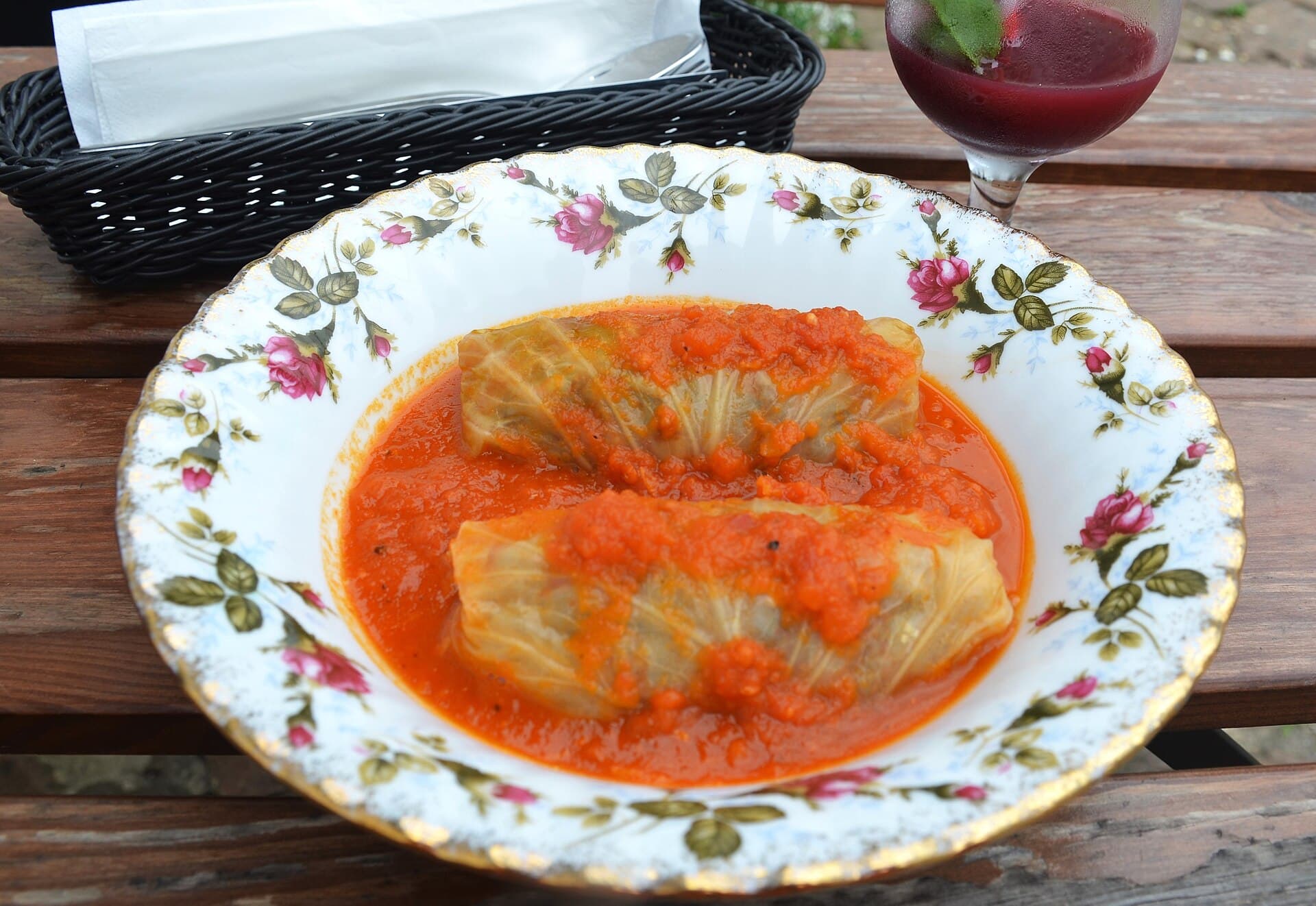
1900-2026
Cabbage rolls came to American tables through many Eastern European and Jewish immigrant communities. Polish golabki, Ukrainian holubtsi, Slovak holubky, Jewish holishkes, and related dishes all wrap humble cabbage around a filling that stretches meat with rice or grain.
1700-2026
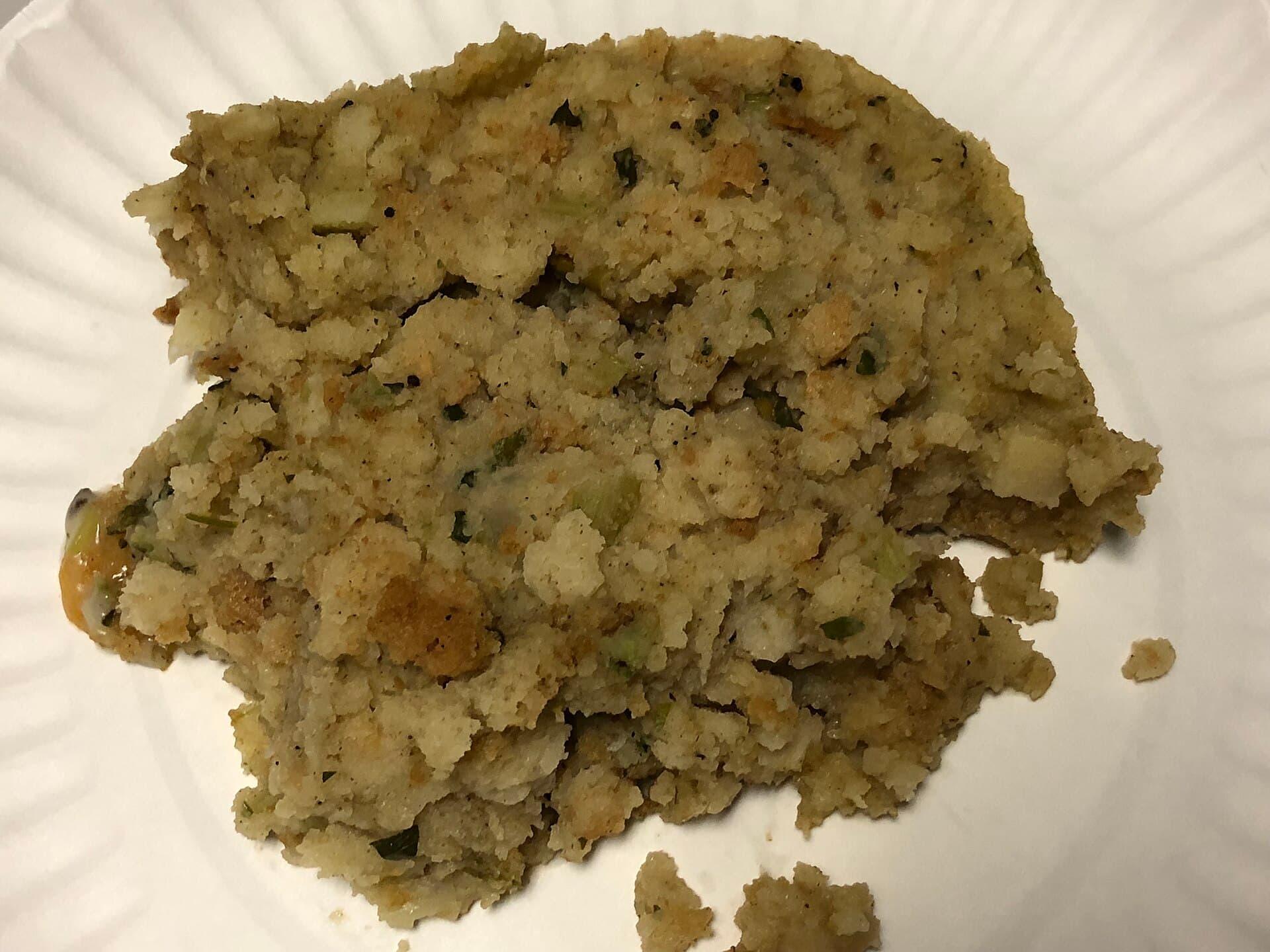
Bread stuffing is the Thanksgiving workhorse that turns stale bread into the part of the plate many people reach for first. Whether cooked inside the bird or baked separately as dressing, the core American formula is bread, aromatics, poultry herbs, and rich stock.
Same table
America's Melting Pot
Booyah photo coming soon
1850-2026
Booyah is more than soup in Green Bay and northeast Wisconsin. It is a community event food tied to Belgian American settlements, church picnics, fundraisers, and enormous kettles stirred for hours.
America's Melting Pot
Cabbage and Noodles photo coming soon
1900-2026
Cabbage and noodles is Depression-friendly comfort food with Central and Eastern European roots. In American Polish, Slovak, Czech, Hungarian, and Appalachian communities, buttered cabbage and noodles became a cheap dish that could feed many people.
1800s-present
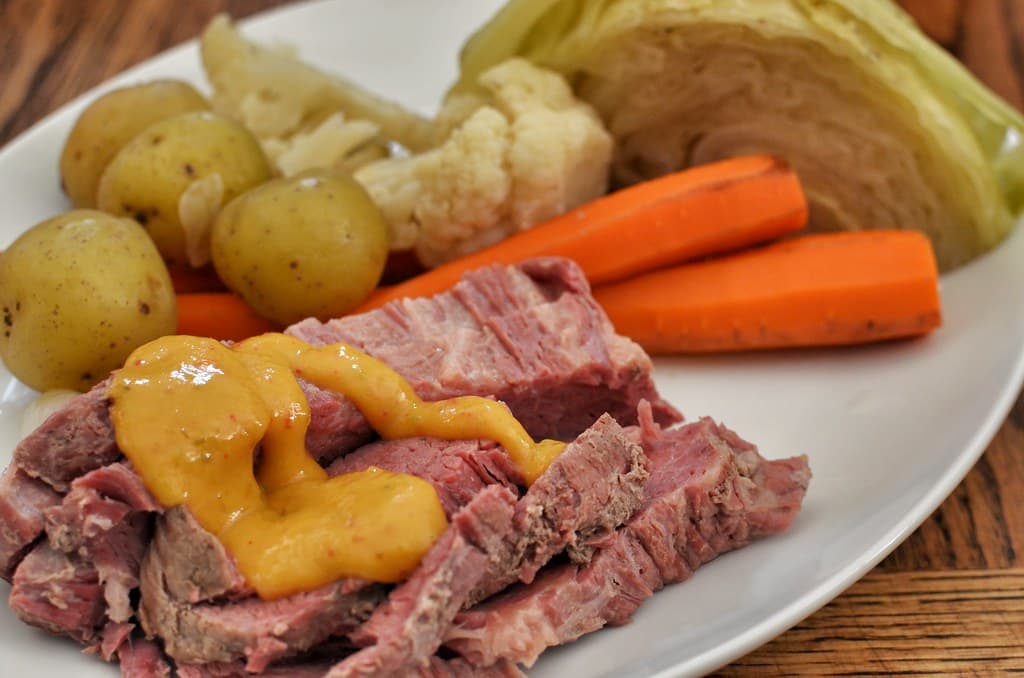
Corned beef and cabbage is a staple Irish-American dish popularized in the United States during the early 19th century, especially among immigrant communities.