
Recipe archive
Loading
Setting the table...
Fetching the latest recipes from the archive.
Loading
Fetching the latest recipes from the archive.
Recipe archive
America's Melting Pot
Country Ham and Eggs hero image coming soon
Before 1776 - Southern American home cooks and rural kitchen traditions.
A traditional Southern breakfast featuring salty country ham paired with perfectly cooked eggs. This dish reflects rural American morning fare, combining hearty protein with simple preparation for an energizing start to the day.
No featured photo yet. Upload a photo with your review. The highest-rated community photo may become this recipe's hero image.
Difficulty
Easy
Prep time
5 minutes
Cook time
10 minutes
Total time
15 minutes
Servings
2
Region
Virginia and North Carolina ham country
Era introduced
Before 1776
Introduced by
Southern American home cooks and rural kitchen traditions.
Recipe tools
Log in to save this recipe to a collection.
Country ham and eggs have been a staple of Southern American breakfasts for centuries, especially in rural communities where preserving pork through curing was a necessity. The salty, smoky ham pairs perfectly with eggs cooked any style, providing a satisfying protein-rich meal. This straightforward dish reflects practical cooking traditions handed down through generations, symbolizing the resourceful and hearty character of Southern rural cuisine.
Share family changes, regional twists, or pantry-friendly adaptations as full community recipes.
Log in to submit a community recipe.
No community recipes yet. Submitted recipes are published right away.
Rate this recipe and share how it worked at your table.
Log in to review this recipe.
No reviews yet. Be the first to rate this recipe.
Recipes matched by era, region, occasion, ingredients, and cultural roots from the archive.
Same era
America's Melting Pot
Coleslaw photo coming soon
1600s-present
Coleslaw is a popular American salad made from shredded cabbage and carrots tossed in a creamy mayonnaise-based dressing. It became widespread in the postwar period as a favorite side for barbecues, picnics, and holidays such as the Fourth of July. Refreshing and versatile, coleslaw complements grilled meats and sandwiches in American backyard dining traditions.
1600s-present
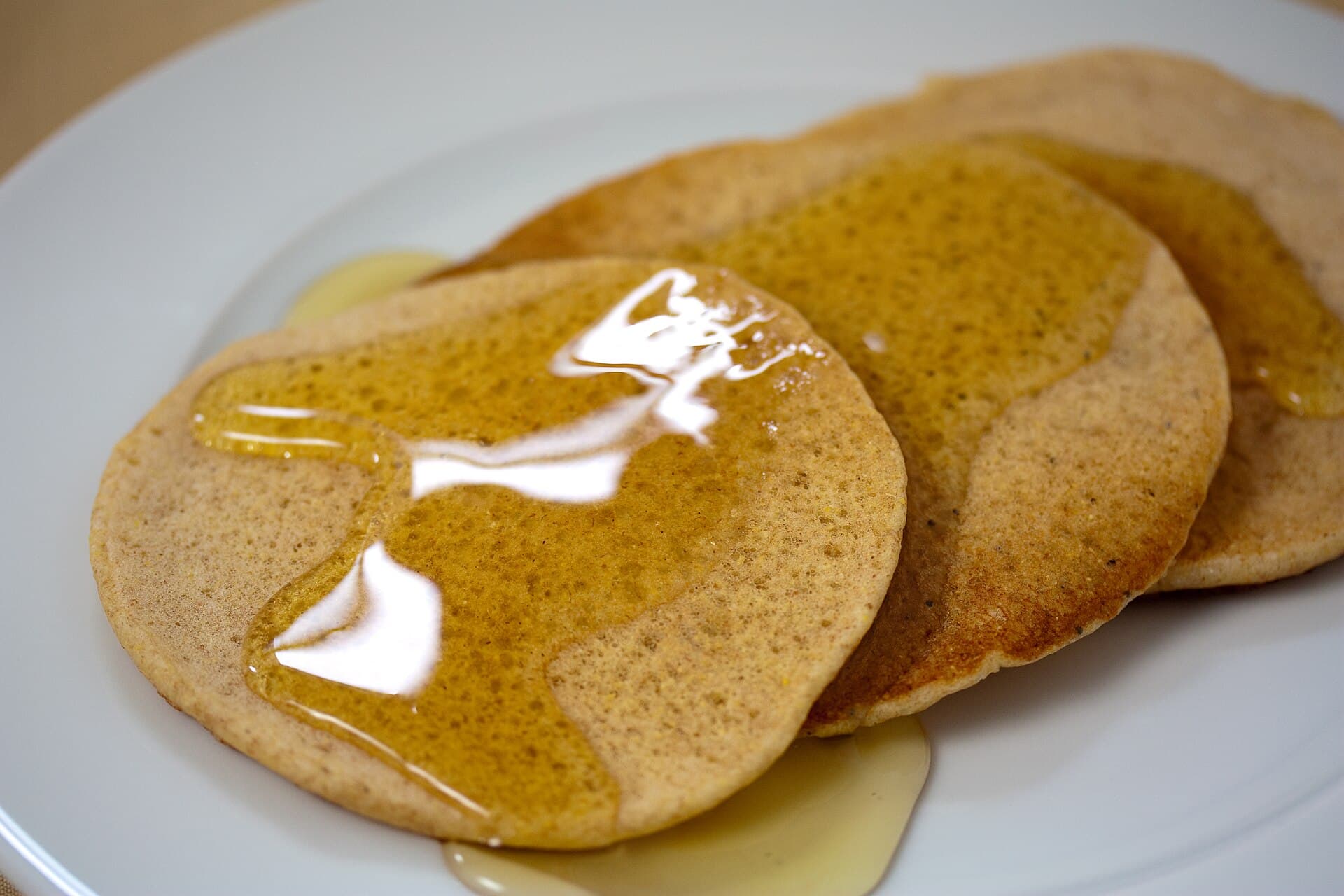
Cornmeal pancakes were a practical and hearty breakfast staple during the Depression and Dust Bowl years, offering an affordable, nourishing start to the day in rural and urban kitchens alike. Using simple pantry staples like cornmeal and flour, these pancakes sustained families through hard economic times and food shortages.
1600s-present
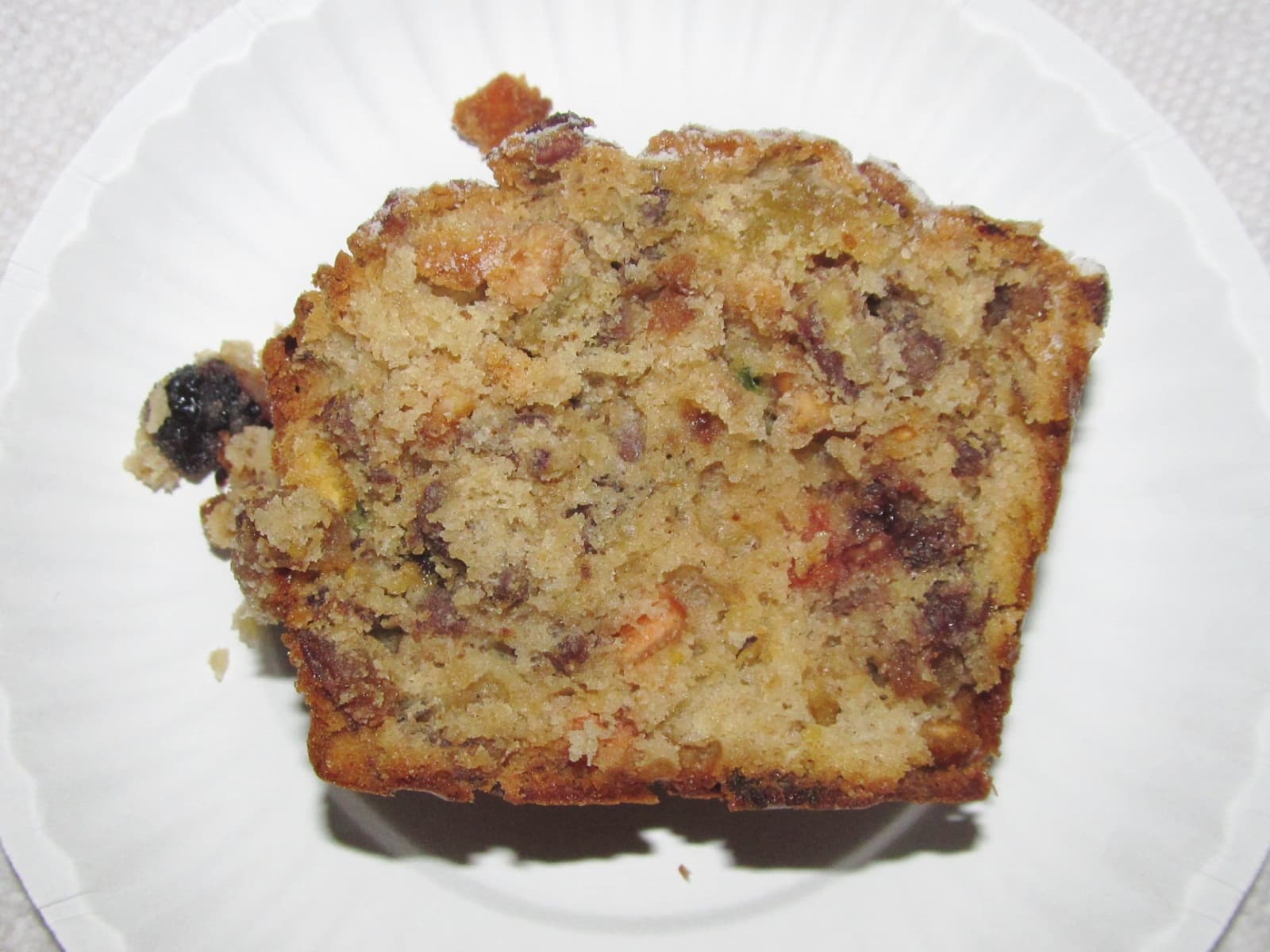
Fruitcake is a rich, dense cake loaded with dried fruits, nuts, and spices, often soaked in alcohol and served during Christmas holidays across America for centuries, rooted in European festive traditions.
Same region
1700s-present
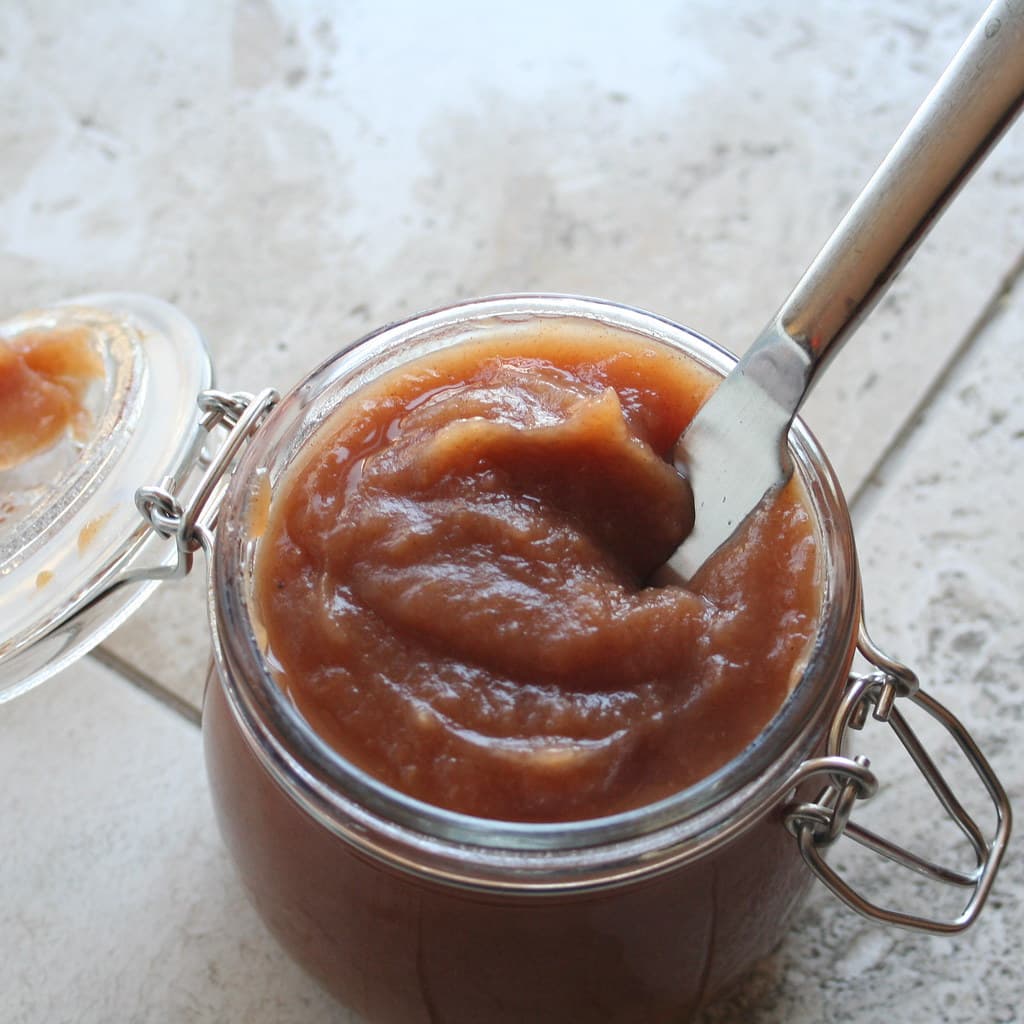
Apples cooked down with cider, sugar, and warm spices into a dark, spreadable fruit butter.
America's Melting Pot
Apple Butter on Biscuits photo coming soon
1700s-present
Warm buttermilk biscuits split and served with butter and spiced apple butter.
America's Melting Pot
Biscuits and Gravy photo coming soon
1800-2026
Biscuits and gravy grew from practical working food: cheap flour biscuits, pork drippings, milk, and enough richness to carry a hard morning. Modern sausage gravy is the familiar diner version, but older versions often used salt pork or any available pork fat.
Same table
1878/1900s-present
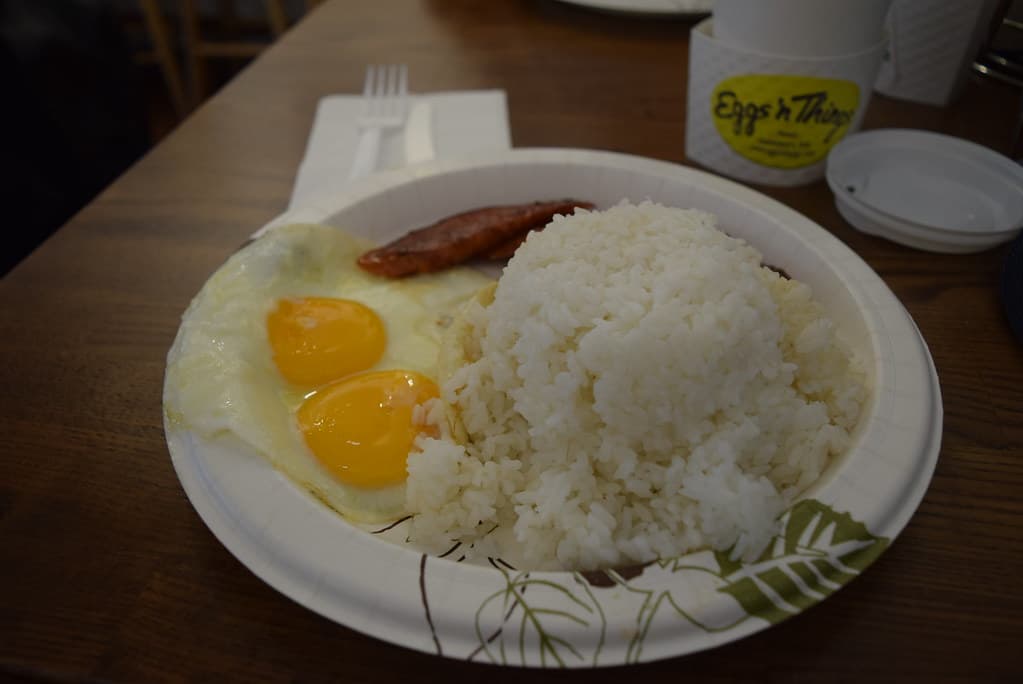
Portuguese Sausage and Eggs is a popular traditional breakfast in Hawaii combining savory Portuguese sausage with fried eggs to reflect immigrant influence on local food culture.
1800s-present
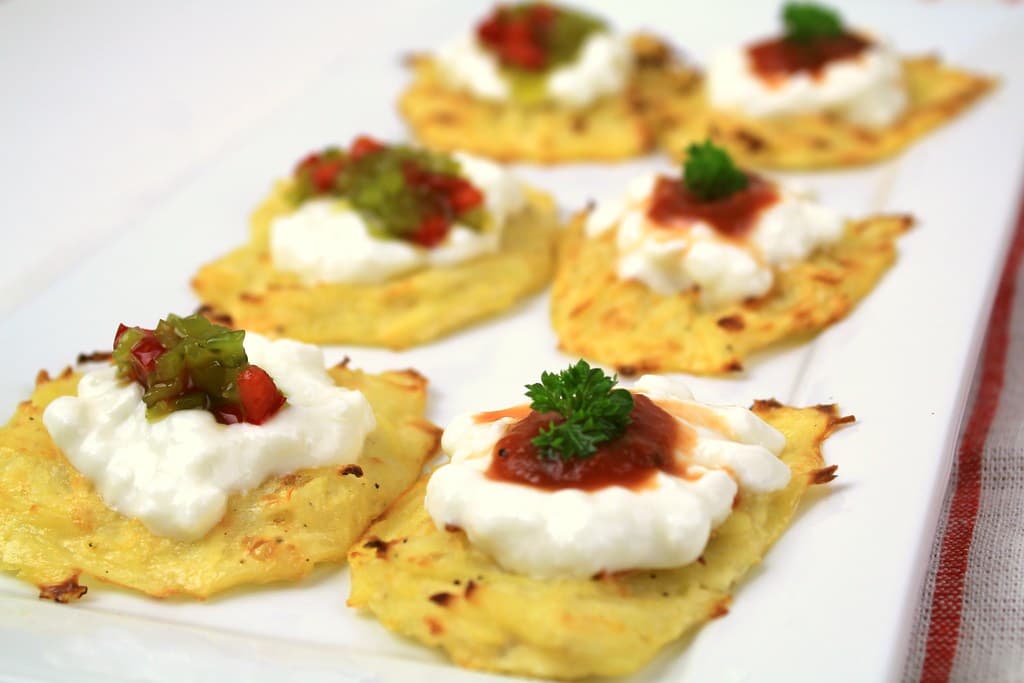
Potato Pancakes are a breakfast favorite among German-American communities, consisting of grated potatoes mixed with onions and eggs, fried to a crisp golden brown.
1940s-present
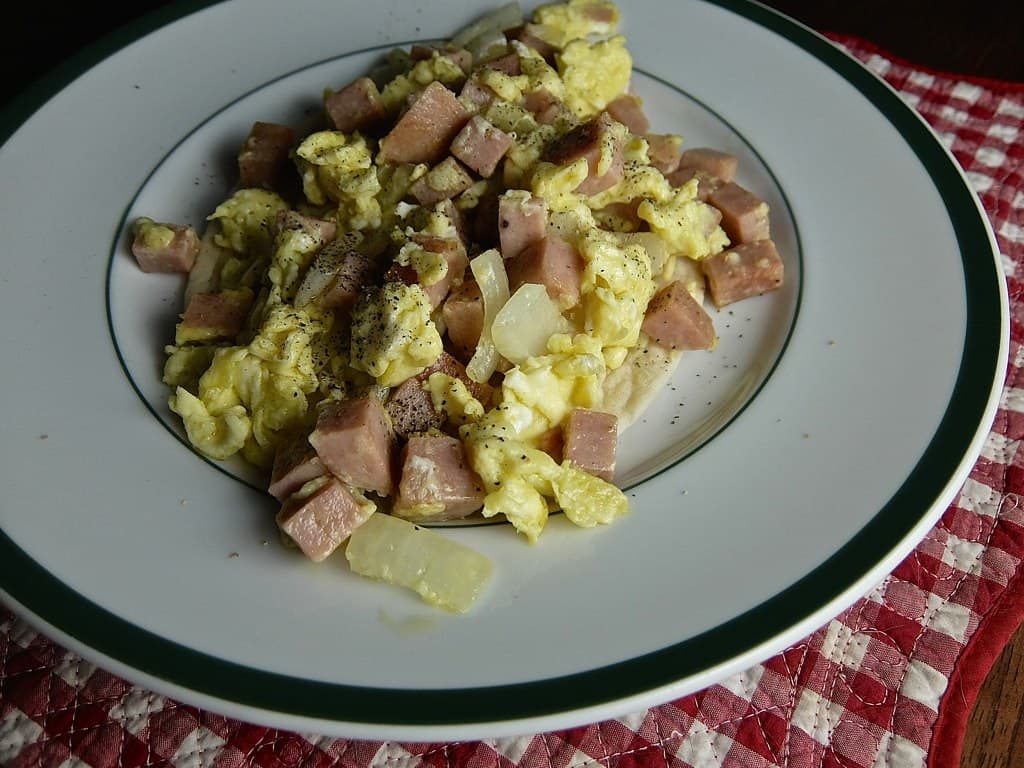
Spam and eggs became a practical breakfast during the 1930s-40s, when wartime rationing and economic hardship made canned meat a convenient protein source. It reflects American home front adaptations to food scarcity combined with comfort food ideas.