
Recipe archive
Loading
Setting the table...
Fetching the latest recipes from the archive.
Loading
Fetching the latest recipes from the archive.
Recipe archive
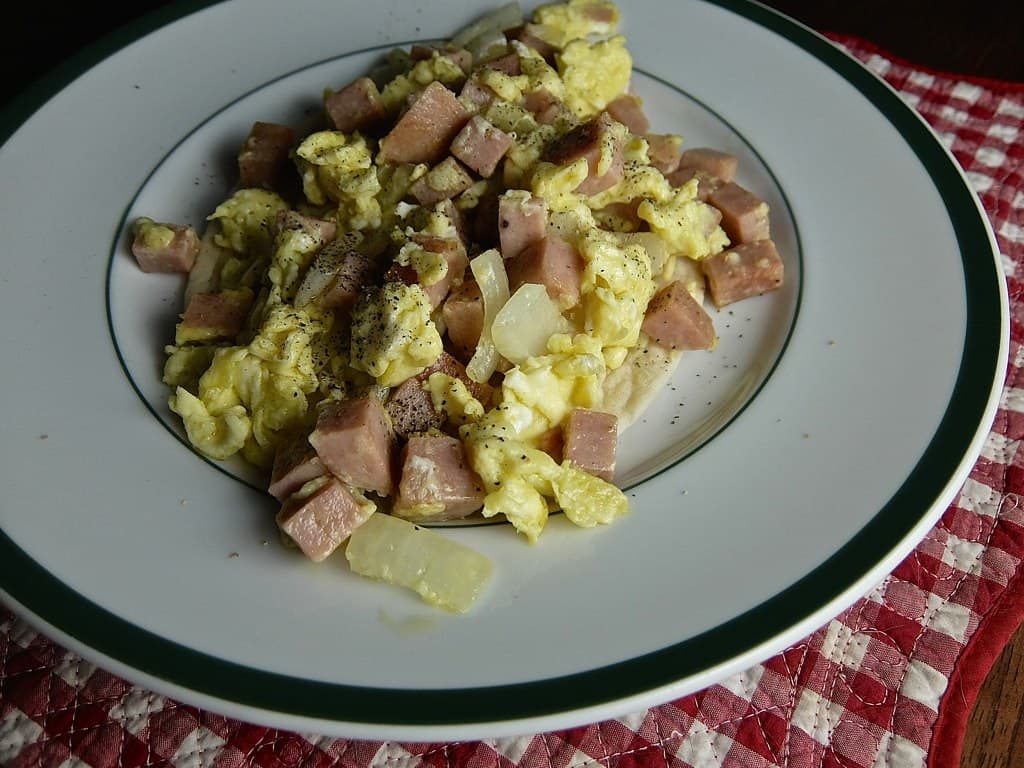
1930-1945 - American home cooks and military families during World War II
Spam and eggs became a practical breakfast during the 1930s-40s, when wartime rationing and economic hardship made canned meat a convenient protein source. It reflects American home front adaptations to food scarcity combined with comfort food ideas.
Community-powered photos. Reviewers can upload dish photos, and the highest-rated community image may be featured here.
Difficulty
Easy
Prep time
5 minutes
Cook time
10 minutes
Total time
15 minutes
Servings
2
Region
Hawaii wartime pantry and plantation-local kitchens
Era introduced
1930-1945
Introduced by
American home cooks and military families during World War II
Recipe tools
Log in to save this recipe to a collection.
During the Depression and World War II, foods like canned Spam became essential staples in many American kitchens due to their shelf stability and affordability. Spam paired with eggs offered a hearty, protein-rich breakfast that accommodated rationing and shortages, especially on the home front. This simple dish illustrates how Americans creatively adapted available ingredients for everyday sustenance under difficult conditions.
Share family changes, regional twists, or pantry-friendly adaptations as full community recipes.
Log in to submit a community recipe.
No community recipes yet. Submitted recipes are published right away.
Rate this recipe and share how it worked at your table.
Log in to review this recipe.
No reviews yet. Be the first to rate this recipe.
Recipes matched by era, region, occasion, ingredients, and cultural roots from the archive.
Same era
America's Melting Pot
Army Chili photo coming soon
1930-1945
A practical ground-beef chili with beans, tomatoes, onion, chili powder, cumin, and paprika, adapted from Armed Forces chili con carne formulas for a family pot.
America's Melting Pot
Chicken Noodle Soup photo coming soon
1934-present
Chicken Noodle Soup is a comforting one-pot dish made by simmering chicken, vegetables, broth, and egg noodles into a nourishing soup. A staple across American kitchens for generations, it highlights simplicity, warmth, and adaptability in soups and stews throughout the country's culinary evolution.
America's Melting Pot
Chocolate Cake for a Crowd photo coming soon
1930s-1945
Chocolate Cake for a Crowd is a dessert designed to serve many people economically during the Depression and World War II eras (1930-1945). This cake reflects military and mess hall kitchens' need for practical, filling, and easily produced sweets using limited ingredients. Its simple yet rich chocolate flavor made it a favorite for community events, schools, and military gatherings where feeding large numbers was essential.
Same region
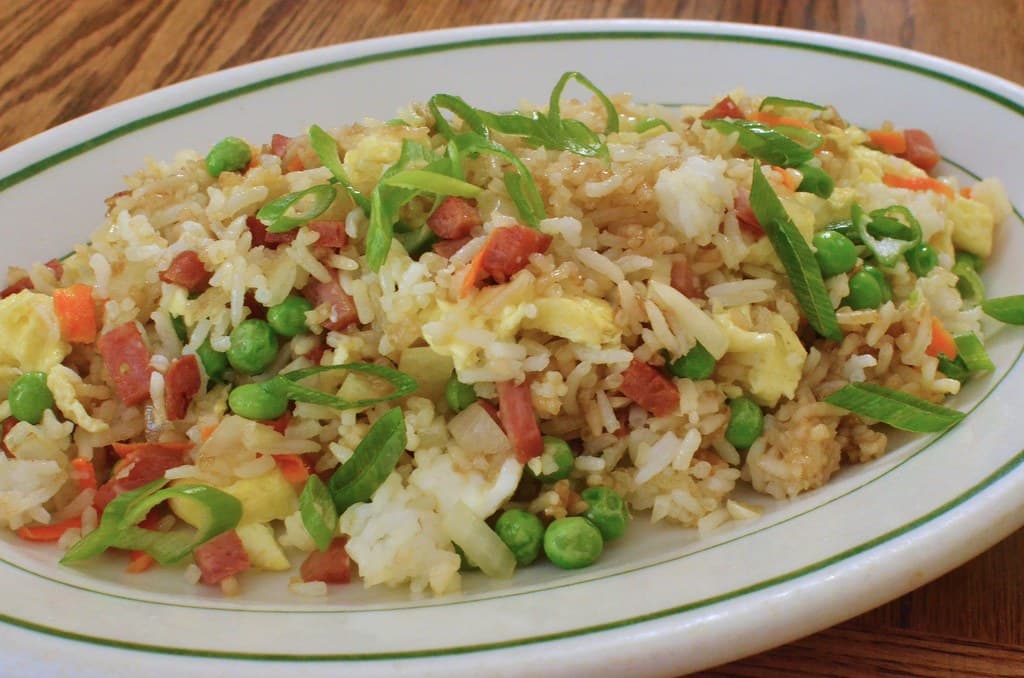
1940s-present
Spam fried rice arose during World War II when ingredients like fresh meat were scarce, especially in Pacific and Asian-American communities. The dish combines fried rice with Spam, reflecting resourcefulness and fusion during wartime kitchens.
America's Melting Pot
Acai Bowl Smoothie Base photo coming soon
1970s-present
Acai Bowl Smoothie Base brings juice-bar color and American smoothie-counter energy to the glass: California/Hawaii/fitness culture.
America's Melting Pot
Animal-Style Spread photo coming soon
1900s-present
Animal-Style Spread is a sandwich sauce with real American table personality: California drive-in burger culture. It brings flavor from California, Hawaii, and the West Coast to cookouts, counters, lunch plates, potlucks, and weeknight suppers.
Same table
America's Melting Pot
Country Ham and Eggs photo coming soon
1607/1700s-present
A traditional Southern breakfast featuring salty country ham paired with perfectly cooked eggs. This dish reflects rural American morning fare, combining hearty protein with simple preparation for an energizing start to the day.
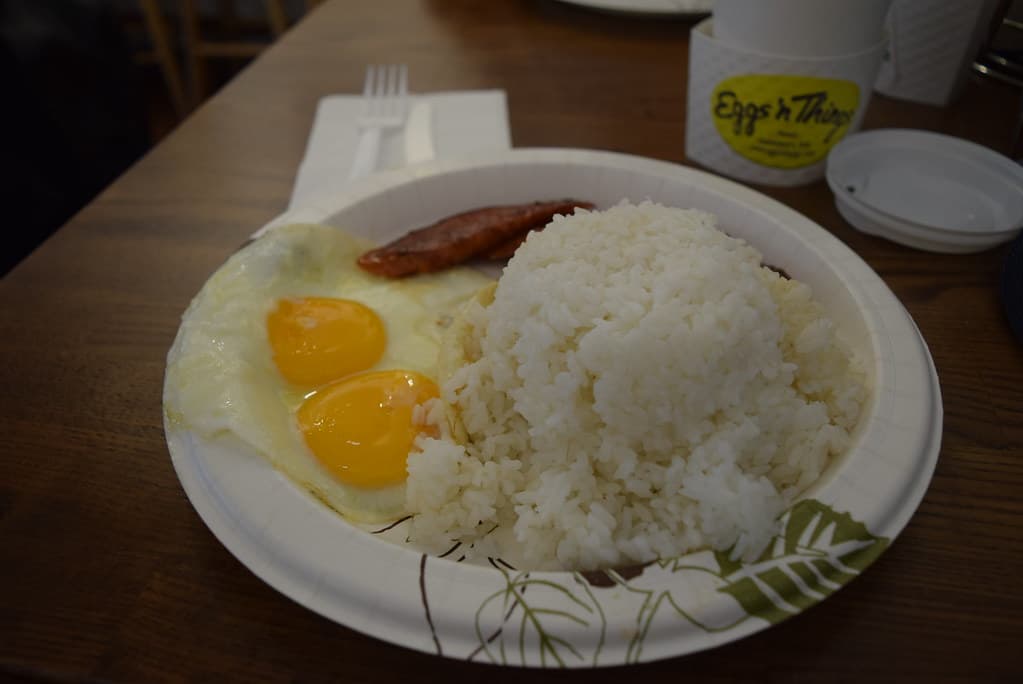
1878/1900s-present
Portuguese Sausage and Eggs is a popular traditional breakfast in Hawaii combining savory Portuguese sausage with fried eggs to reflect immigrant influence on local food culture.
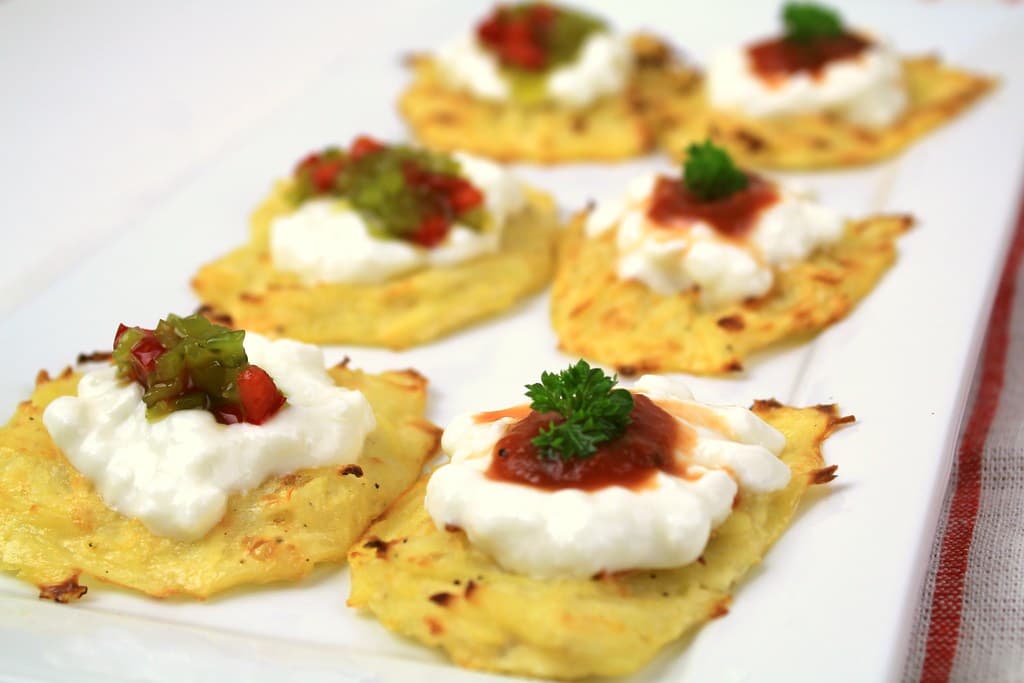
1800s-present
Potato Pancakes are a breakfast favorite among German-American communities, consisting of grated potatoes mixed with onions and eggs, fried to a crisp golden brown.