
Recipe archive
Loading
Setting the table...
Fetching the latest recipes from the archive.
Loading
Fetching the latest recipes from the archive.
Recipe archive
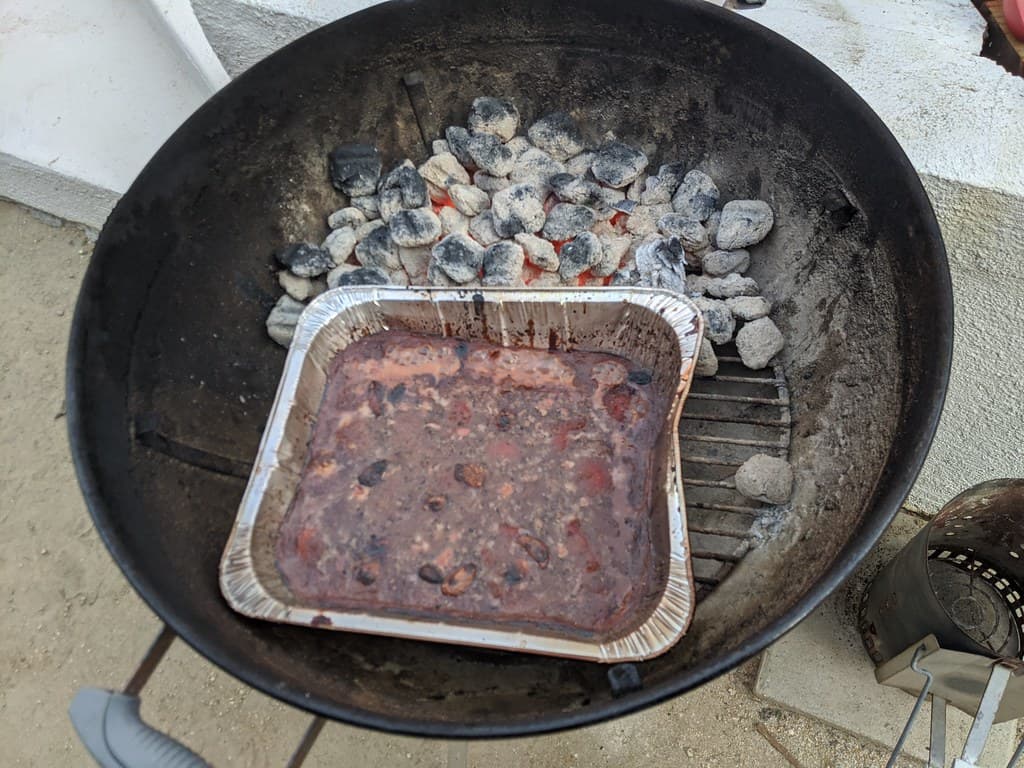
1861-1900 - Great Plains cattle ranchers and frontier cooks.
A hearty side of slow-cooked beans flavored with smoky bacon, onion, and a touch of sweetness. Cowboy beans reflect the practical meals of cattlemen and frontier cooks who needed filling, flavorful food that could be made over an open fire or stove.
Community-powered photos. Reviewers can upload dish photos, and the highest-rated community image may be featured here.
Difficulty
Easy
Prep time
10 minutes
Cook time
1 hour
Total time
1 hour 10 minutes
Servings
6
Region
Texas cattle trails and Great Plains chuckwagons
Era introduced
1861-1900
Introduced by
Great Plains cattle ranchers and frontier cooks.
Recipe tools
Log in to save this recipe to a collection.
Cowboy beans emerged as a practical dish among cattlemen and settlers of the Great Plains, who often cooked beans with smoked meats and simple seasonings over campfires and chuckwagons in the 19th and early 20th centuries. Beans provided sustenance and energy, while smoked bacon or salt pork added smoky depth. The slight sweetness from brown sugar or molasses balanced savory flavors, making this a classic American side.
Share family changes, regional twists, or pantry-friendly adaptations as full community recipes.
Log in to submit a community recipe.
No community recipes yet. Submitted recipes are published right away.
Rate this recipe and share how it worked at your table.
Log in to review this recipe.
No reviews yet. Be the first to rate this recipe.
Recipes matched by era, region, occasion, ingredients, and cultural roots from the archive.
Same era
America's Melting Pot
Army Bean Soup photo coming soon
1861-1900
A hearty military-style bean soup built on navy beans, smoked ham hock, onion, celery, carrot, and bay leaf, adapted for a home pot from large-batch service traditions.
1861-1900
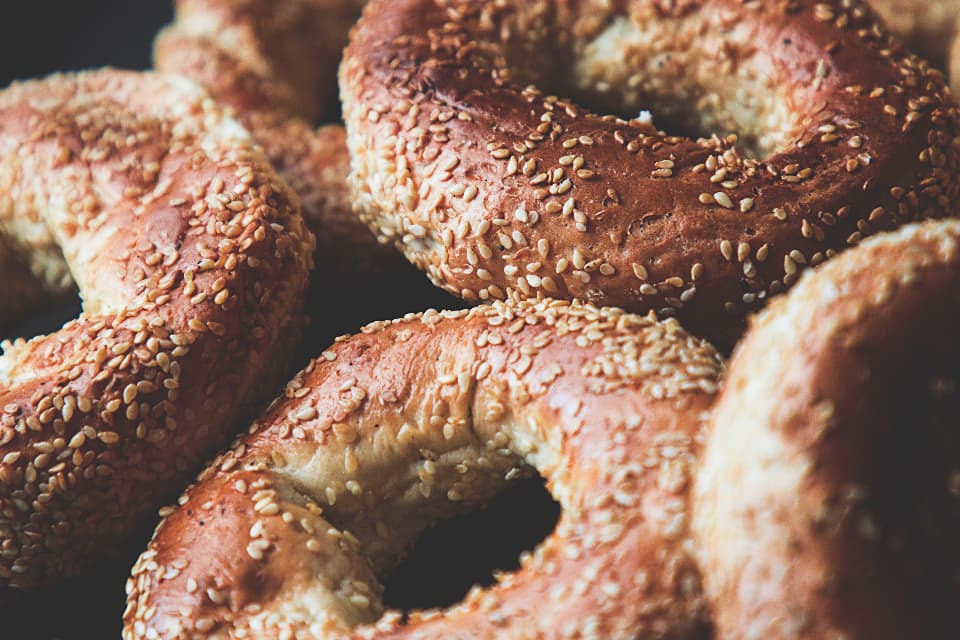
A basic homemade bagel recipe using high-protein flour, malt or brown sugar, a short boil, and a hot bake for chewy New York-style results.
America's Melting Pot
Bagels with Schmear photo coming soon
1861-1900
A deli-style bagel with a thick schmear of plain or scallion cream cheese, with optional onion, capers, tomato, and cucumber.
Same region
precontact-present
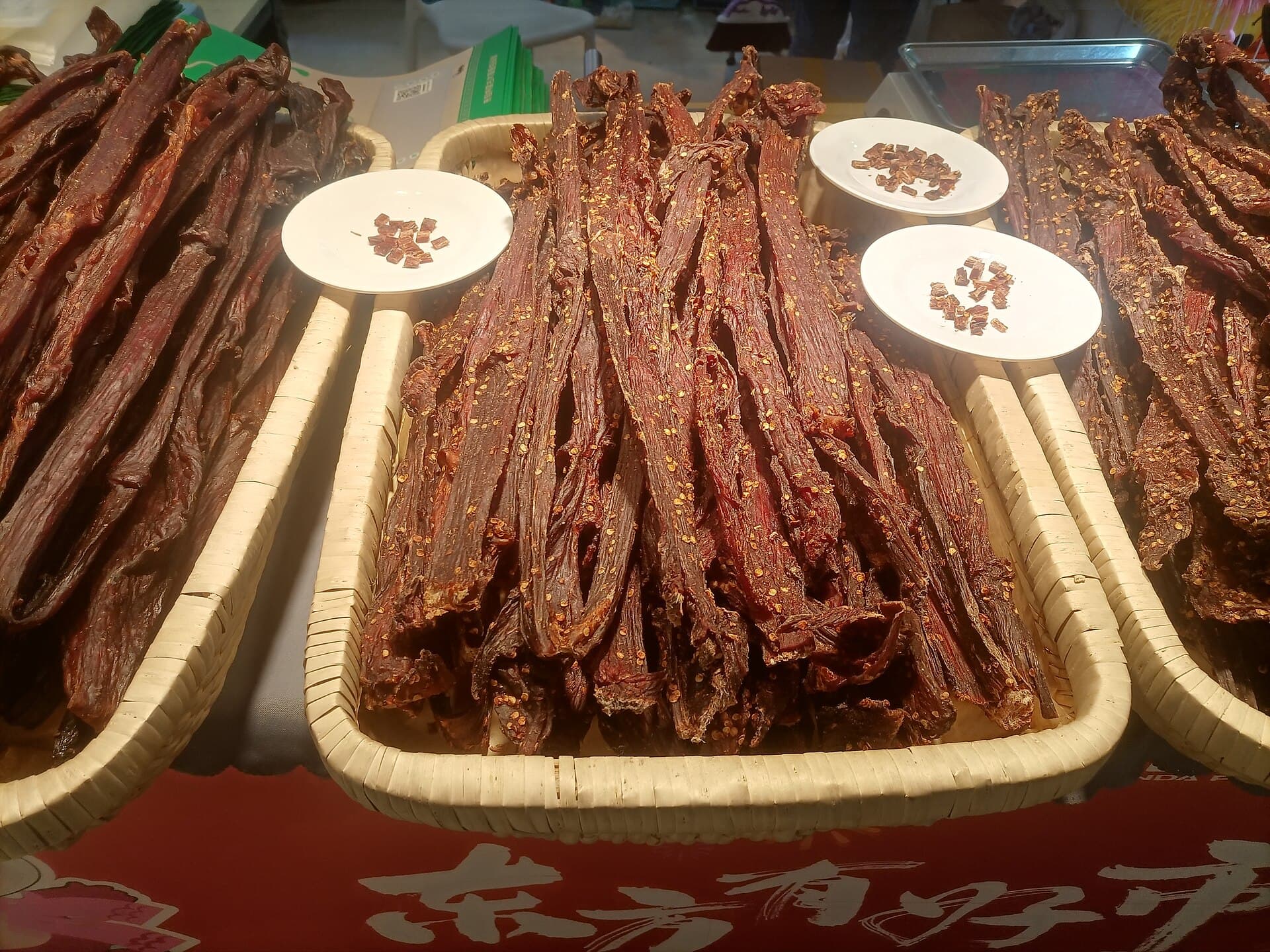
Jerky is preservation food before it is snack food. Indigenous drying traditions, pemmican, pioneer travel, soldiers, cowboys, and later road-trip convenience all helped make dried meat part of American food culture.
America's Melting Pot
Biscuits with Salt Pork Gravy photo coming soon
1861-1900
Before sausage gravy became the default, cooks could make a filling breakfast from salt pork, flour, and milk. The method fits chuckwagon, farm, and 19th-century working kitchens where cured pork traveled well and every bit of fat mattered.
America's Melting Pot
Sand Plum Jelly photo coming soon
1700s-present
Sand Plum Jelly is a preserve with real American table personality: Great Plains and Oklahoma/Texas tradition. It brings flavor from Texas and the Southwest to cookouts, counters, lunch plates, potlucks, and weeknight suppers.
Same table
1900-2026
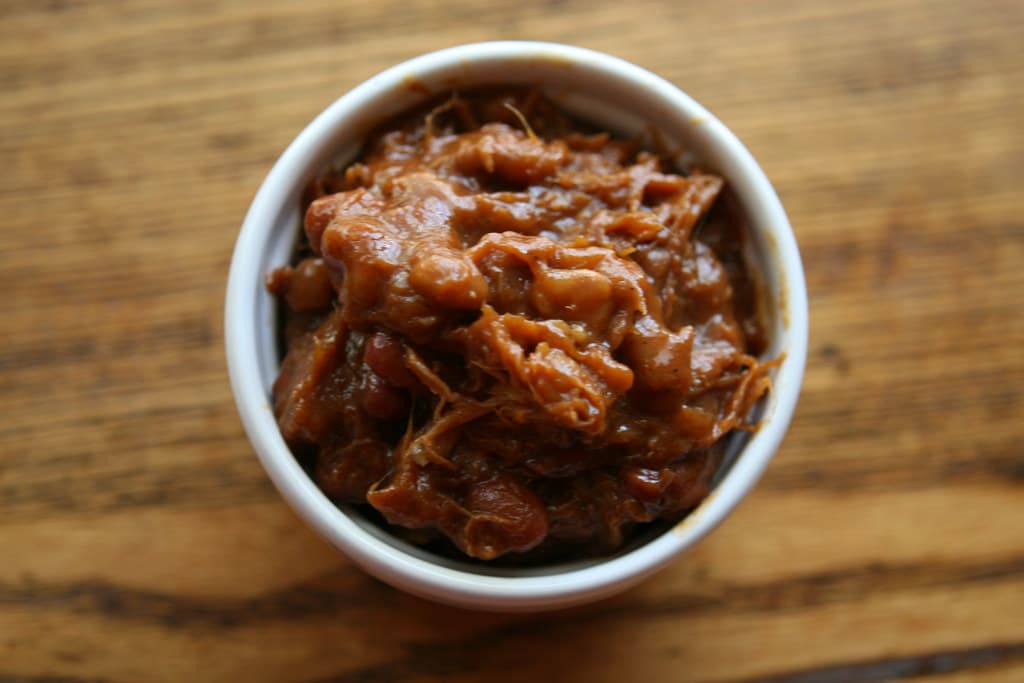
A barbecue side dish of beans baked with bacon, onion, molasses, tomato, brown sugar, mustard, and barbecue sauce until thick and smoky.
America's Melting Pot
Chuckwagon Beans photo coming soon
1861-1900
Chuckwagon Beans were a staple side dish for cattle drivers and settlers in the Great Plains during the late 19th century. Cooked slowly over open fires, these beans offered a nutritious, filling, and portable food suited to the long cattle drives and frontier life, combining simple pantry staples with smoked or cured pork.
America's Melting Pot
Cranberry Bean Stew photo coming soon
1800-1860
A robust stew featuring cranberry beans slow-cooked with vegetables and herbs, inspired by Indigenous American foodways of New England and early colonial adaptations.