
Recipe archive
Loading
Setting the table...
Fetching the latest recipes from the archive.
Loading
Fetching the latest recipes from the archive.
Recipe archive
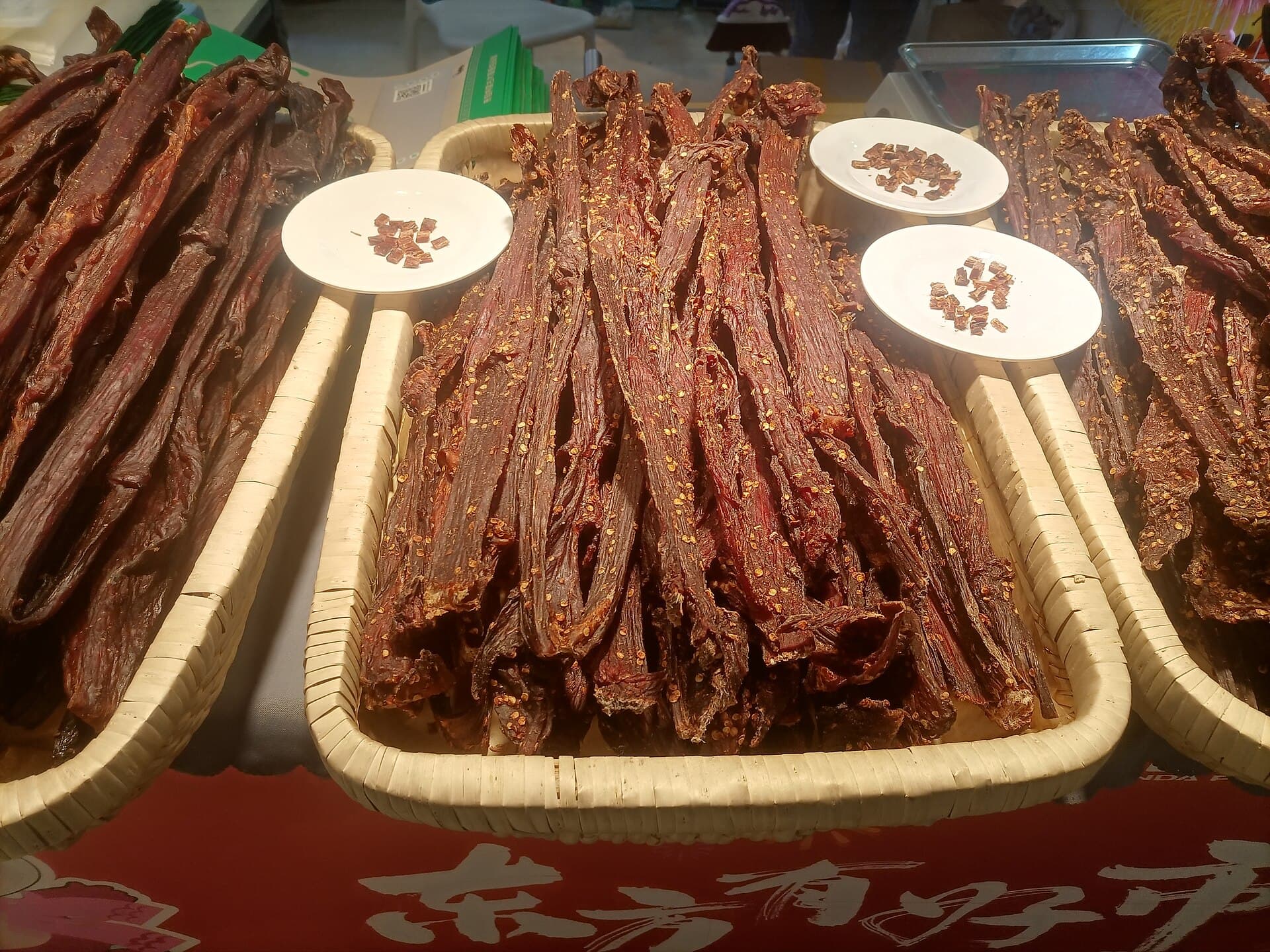
Native Foodways and Continuity - Indigenous North American cooks and later frontier travelers preserving meat for the trail
Jerky is preservation food before it is snack food. Indigenous drying traditions, pemmican, pioneer travel, soldiers, cowboys, and later road-trip convenience all helped make dried meat part of American food culture.
Community-powered photos. Reviewers can upload dish photos, and the highest-rated community image may be featured here.
Difficulty
Moderate
Prep time
30 minutes plus marinating
Cook time
4 hours
Total time
4 hours 30 minutes plus marinating
Servings
12 ounces
Region
Great Plains and American West
Era introduced
Native Foodways and Continuity
Introduced by
Indigenous North American cooks and later frontier travelers preserving meat for the trail
Recipe tools
Log in to save this recipe to a collection.
Beef jerky belongs to a broad North American preservation story. Indigenous communities dried meat for storage and travel, and pemmican or wasna combined dried meat with fat and sometimes berries for dense nourishment. Settlers, soldiers, cowboys, and hunters adopted dried meat because it was light, durable, and useful far from a kitchen. This modern recipe uses a home oven or dehydrator and a seasoned marinade while keeping the Indigenous roots visible.
Share family changes, regional twists, or pantry-friendly adaptations as full community recipes.
Log in to submit a community recipe.
No community recipes yet. Submitted recipes are published right away.
Rate this recipe and share how it worked at your table.
Log in to review this recipe.
No reviews yet. Be the first to rate this recipe.
Recipes matched by era, region, occasion, ingredients, and cultural roots from the archive.
Same era
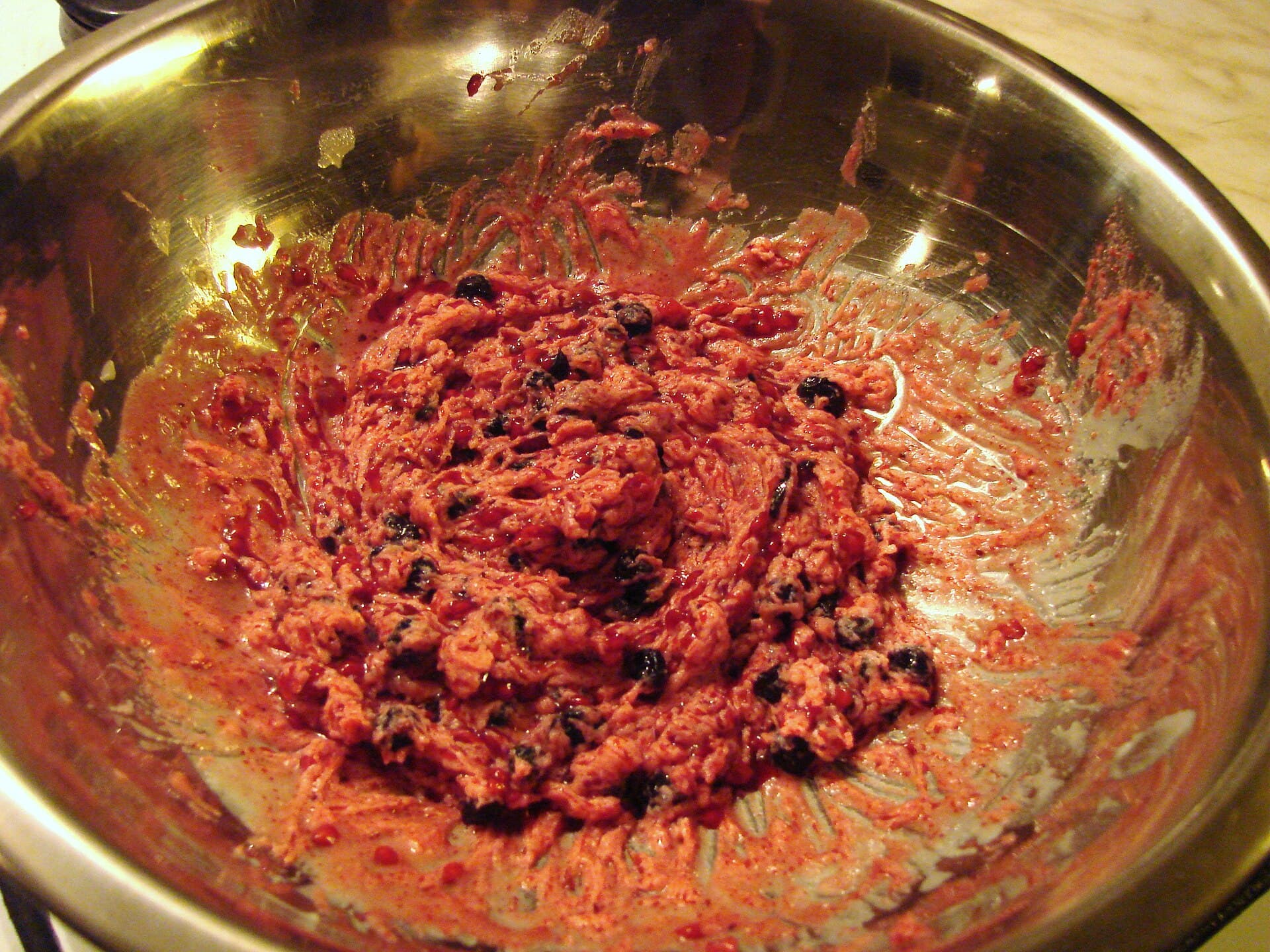
precontact-present
A researched archive entry for akutaq, a family- and region-specific Alaska Native mixed fat-and-berry dish often translated as Alaska Native ice cream.
America's Melting Pot
Alaska Grilled Whale Steak photo coming soon
precontact-present
This archive entry records grilled whale steak as part of Alaska Native subsistence food history, with a clear note that lawful access is governed by cultural rights, conservation rules, and marine mammal law.
America's Melting Pot
Bison Stew photo coming soon
precontact-present
Bison stew can be a modern way to honor older Indigenous food relationships when it is framed carefully. Bison supplied meat, fat, hides, tools, and ceremony for many Plains nations; corn, beans, and squash add a broader Native agricultural foundation.
Same region
America's Melting Pot
Biscuits with Salt Pork Gravy photo coming soon
1861-1900
Before sausage gravy became the default, cooks could make a filling breakfast from salt pork, flour, and milk. The method fits chuckwagon, farm, and 19th-century working kitchens where cured pork traveled well and every bit of fat mattered.
America's Melting Pot
Bison Stew photo coming soon
precontact-present
Bison stew can be a modern way to honor older Indigenous food relationships when it is framed carefully. Bison supplied meat, fat, hides, tools, and ceremony for many Plains nations; corn, beans, and squash add a broader Native agricultural foundation.
America's Melting Pot
Sand Plum Jelly photo coming soon
1700s-present
Sand Plum Jelly is a preserve with real American table personality: Great Plains and Oklahoma/Texas tradition. It brings flavor from Texas and the Southwest to cookouts, counters, lunch plates, potlucks, and weeknight suppers.
Same table
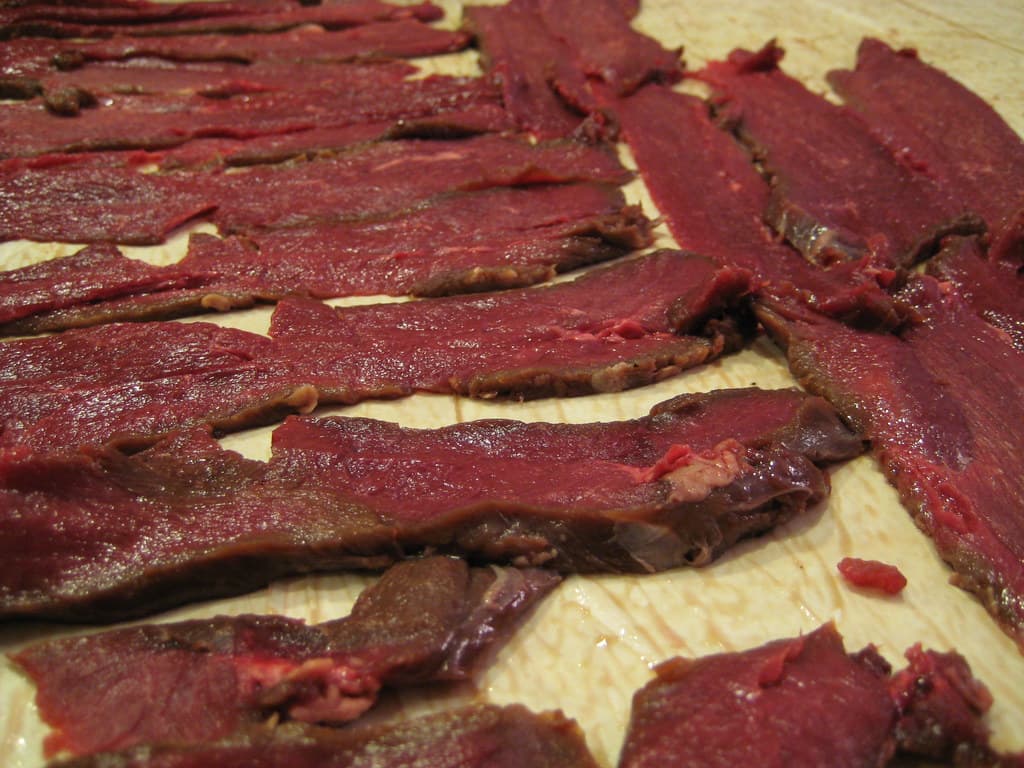
pre-1776-present
A dried meat snack made from thinly sliced venison seasoned and dehydrated. Jerky is a long-standing preservation method used by hunters and outdoor communities to carry protein-rich food into the wilderness.
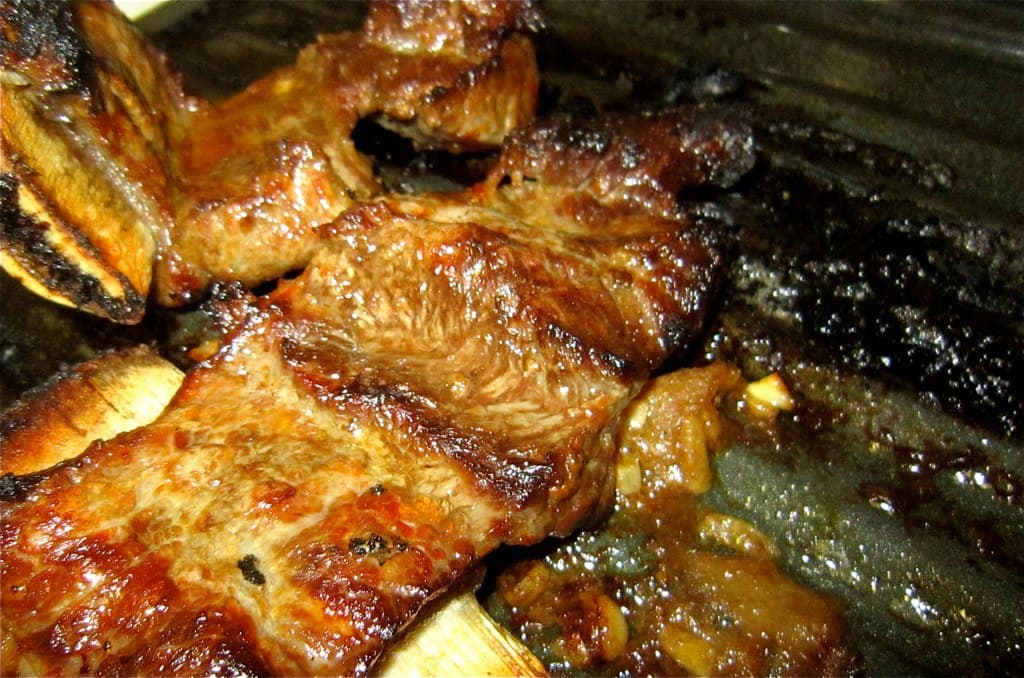
1970s-present
Korean BBQ short ribs, known as galbi, have been adapted into American barbecue culture particularly in suburban areas from the 1990s onward. Marinated in a flavorful blend of soy sauce, garlic, sugar, and sesame oil, these ribs bring a global fusion touch to backyard grills and are featured prominently at gatherings and sports events.
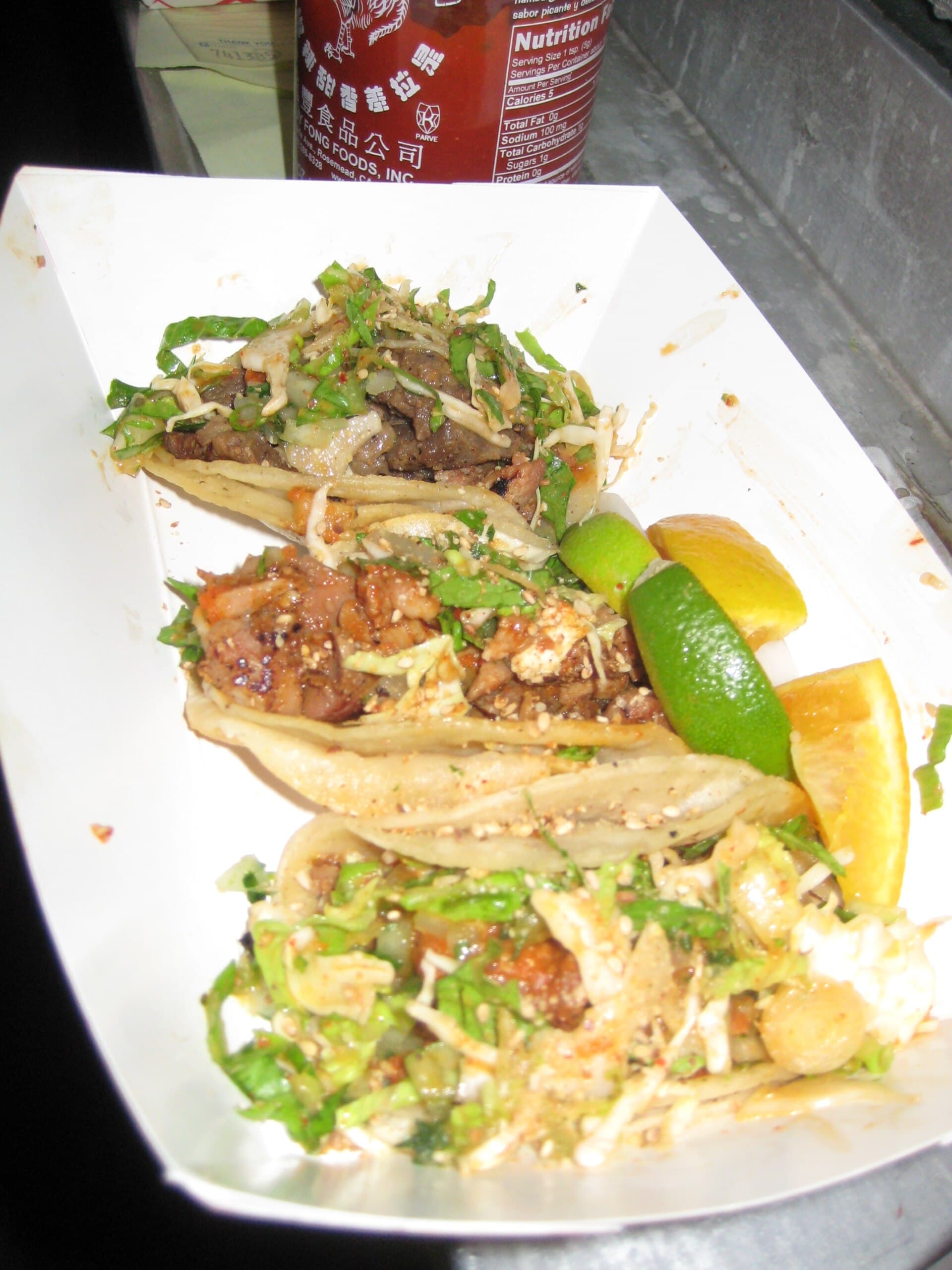
2010-2026
Korean BBQ tacos originated as a culinary fusion in the 2010s blending Korean marinated meats with traditional Mexican taco elements. Popularized in food trucks and markets, these tacos feature grilled Korean-style beef or pork topped with fresh slaw, kimchi, and spicy sauces, reflecting dynamic cultural intersections in American street food.