
Recipe archive
Loading
Setting the table...
Fetching the latest recipes from the archive.
Loading
Fetching the latest recipes from the archive.
Recipe archive
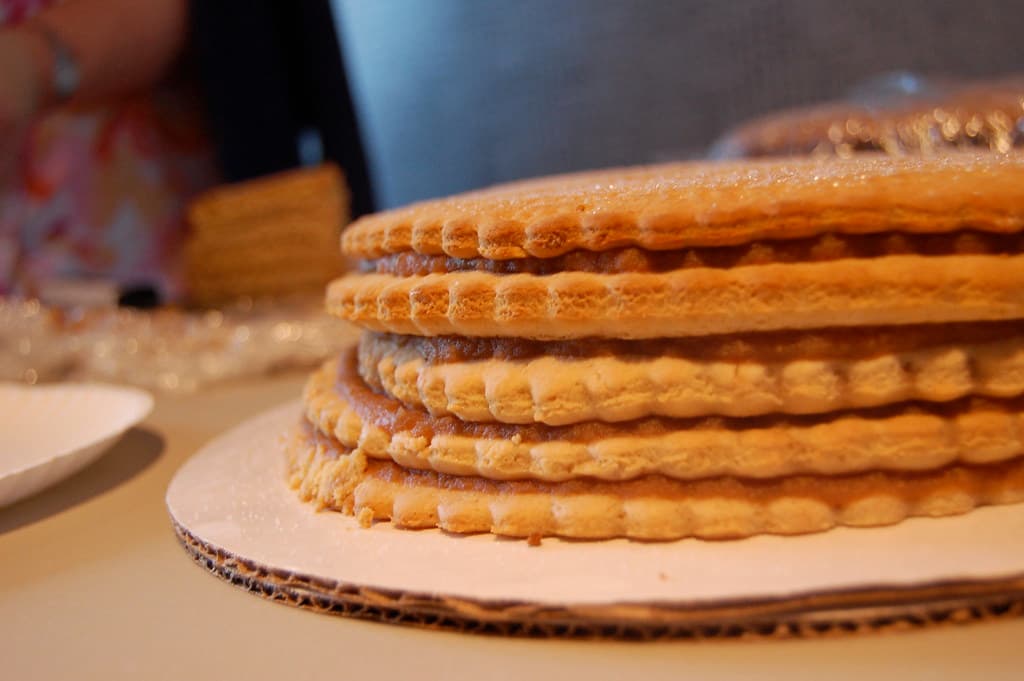
1930-1945 - Appalachian home cooks during the Dust Bowl and Depression periods.
The dried apple stack cake is a layered cake made with dried apple filling between thin cakes, originating in Appalachia during the Dust Bowl and Depression era. It was a practical dessert using dried fruit, emblematic of resourceful farm survival cooking.
Community-powered photos. Reviewers can upload dish photos, and the highest-rated community image may be featured here.
Difficulty
Medium
Prep time
30 minutes
Cook time
20 minutes (per cake layer)
Total time
1 hour 30 minutes
Servings
8
Region
Appalachia
Era introduced
1930-1945
Introduced by
Appalachian home cooks during the Dust Bowl and Depression periods.
Recipe tools
Log in to save this recipe to a collection.
During the Depression and Dust Bowl years, Appalachian families relied heavily on dried fruit and practical recipes to stretch limited resources. The dried apple stack cake layered thin cake rounds with spiced dried apple filling, producing a moist and flavorful dessert that could be made with pantry staples. This cake symbolizes Appalachian resilience and culinary adaptation to challenging economic conditions.
Share family changes, regional twists, or pantry-friendly adaptations as full community recipes.
Log in to submit a community recipe.
No community recipes yet. Submitted recipes are published right away.
Rate this recipe and share how it worked at your table.
Log in to review this recipe.
No reviews yet. Be the first to rate this recipe.
Recipes matched by era, region, occasion, ingredients, and cultural roots from the archive.
Same era
America's Melting Pot
Army Chili photo coming soon
1930-1945
A practical ground-beef chili with beans, tomatoes, onion, chili powder, cumin, and paprika, adapted from Armed Forces chili con carne formulas for a family pot.
America's Melting Pot
Chicken Noodle Soup photo coming soon
1934-present
Chicken Noodle Soup is a comforting one-pot dish made by simmering chicken, vegetables, broth, and egg noodles into a nourishing soup. A staple across American kitchens for generations, it highlights simplicity, warmth, and adaptability in soups and stews throughout the country's culinary evolution.
America's Melting Pot
Chocolate Cake for a Crowd photo coming soon
1930s-1945
Chocolate Cake for a Crowd is a dessert designed to serve many people economically during the Depression and World War II eras (1930-1945). This cake reflects military and mess hall kitchens' need for practical, filling, and easily produced sweets using limited ingredients. Its simple yet rich chocolate flavor made it a favorite for community events, schools, and military gatherings where feeding large numbers was essential.
Same region
America's Melting Pot
Cornbread and Milk photo coming soon
1800-1860
Cornbread and milk represent a modest, nourishing staple from Appalachian frontier kitchens between 1800 and 1860. This pairing reflects the daily diets of settlers who relied on readily available cornmeal and dairy.
America's Melting Pot
Cornmeal Mush photo coming soon
1800-1860
Cornmeal mush is a soft, cooked porridge made from cornmeal boiled in water or milk, often served sliced and fried or with syrup, common in Appalachian diets before and through the Civil War.
America's Melting Pot
Country Sausage photo coming soon
1800-1860
A simple, flavorful country-style pork sausage widely made in Appalachian and frontier communities during the early 19th century. This sausage uses traditional seasoning and curing techniques for a hearty, rustic sausage link.
Same table
America's Melting Pot
Dried Apple Pie photo coming soon
1800s-present
Dried apple pie became common during the Civil War and Reconstruction periods when fresh fruit was scarce, utilizing dried apples to preserve seasonal flavor in a sweet, spiced pie. It exemplifies military and pioneer adaptations in American desserts.
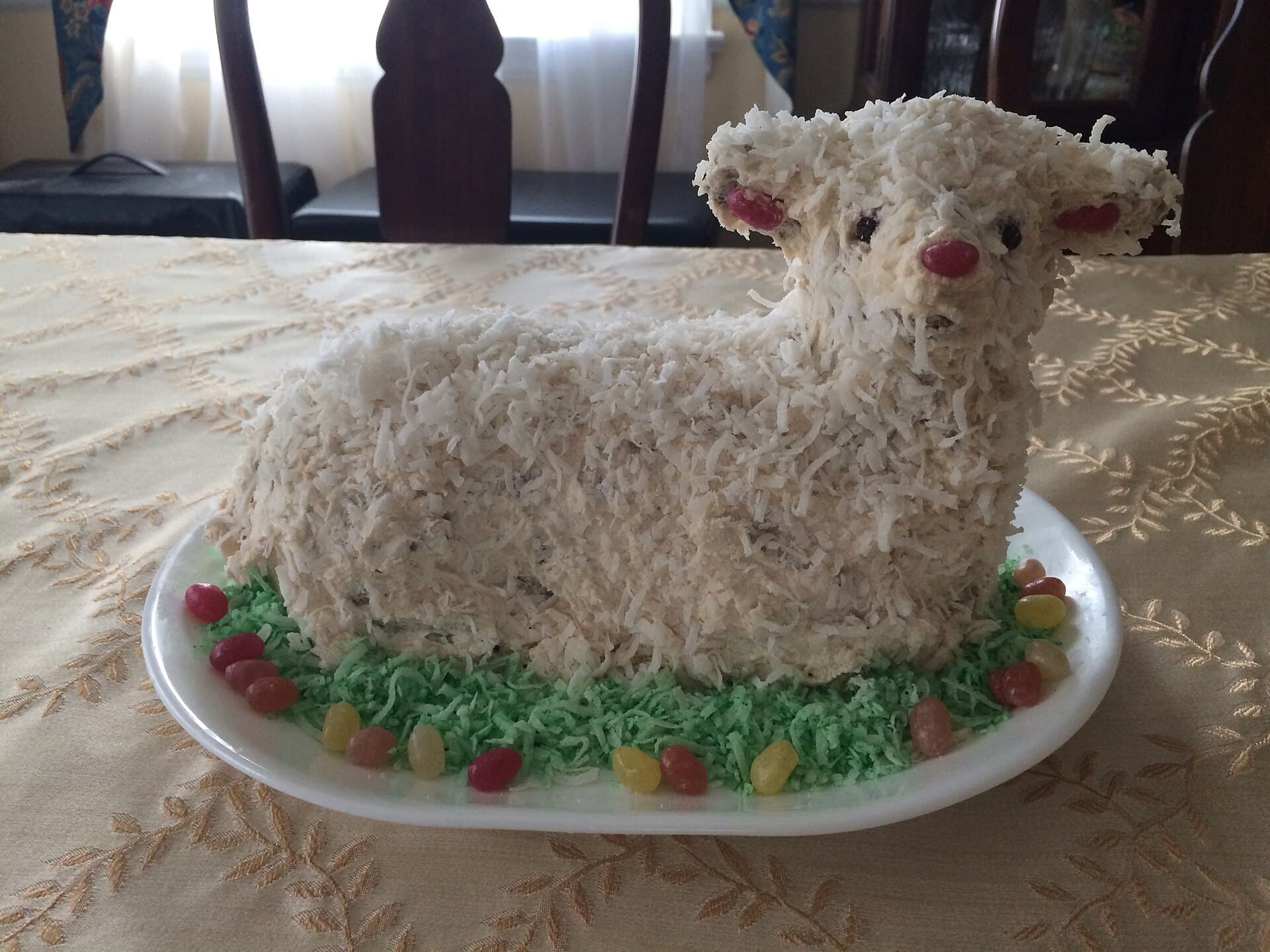
1900s-present
Lamb cake is a dessert shaped into a lamb, traditionally served at Easter celebrations in various American communities. The cake symbolizes purity and resurrection, often made using a molded pan and decorated with frosting to resemble wool. Its cross-era presence illustrates the blending of European Easter customs with American holiday traditions.
America's Melting Pot
Lane Cake photo coming soon
1800-1860
Lane cake is a traditional Southern dessert featuring layered cake filled with custard, raisins, coconut, and sometimes a hint of whiskey. Established in the 19th century South, it became a celebratory dish for holidays and special gatherings, representing Southern hospitality and culinary ingenuity with pantry staples.