
Recipe archive
Loading
Setting the table...
Fetching the latest recipes from the archive.
Loading
Fetching the latest recipes from the archive.
Recipe archive
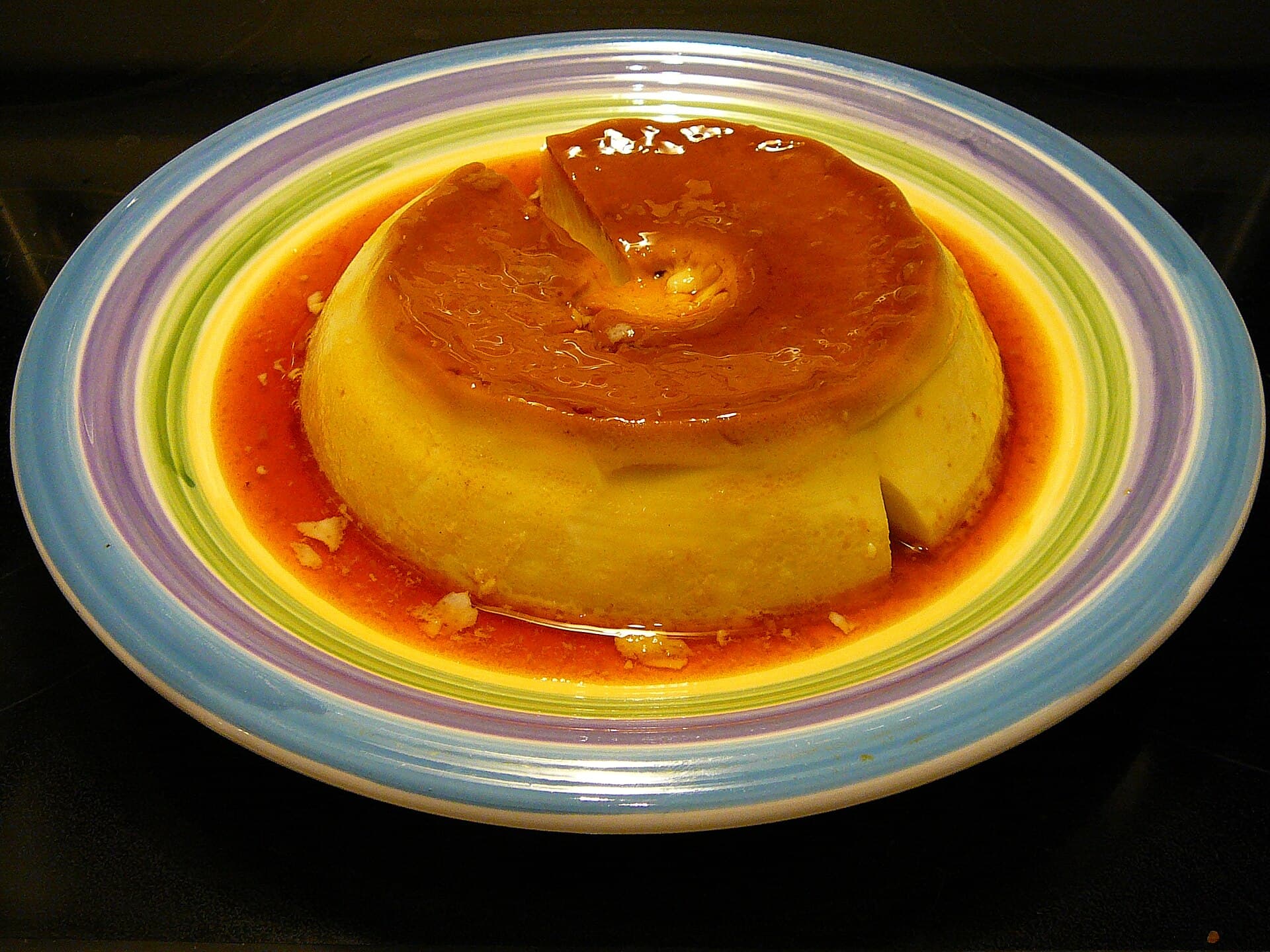
Before 1776 - Puerto Rican, Chamorro, Filipino-American, and Virgin Islander communities.
Flan is a smooth baked custard dessert topped with a layer of soft caramel. Popular in Puerto Rico, the Philippines, Guam, and Virgin Islands, it reflects colonial and cultural exchange blending Spanish dessert traditions with local ingredients.
Community-powered photos. Reviewers can upload dish photos, and the highest-rated community image may be featured here.
Difficulty
Medium
Prep time
20 minutes
Cook time
50 minutes
Total time
1 hour 10 minutes
Servings
6 servings
Region
Puerto Rico and Spanish Caribbean American kitchens
Era introduced
Before 1776
Introduced by
Puerto Rican, Chamorro, Filipino-American, and Virgin Islander communities.
Recipe tools
Log in to save this recipe to a collection.
Flan arrived in islands and U.S. territories through Spanish colonial influence and was adapted by local communities such as Puerto Rican, Chamorro, and Filipino-American households. The dessert combines simple pantry staples-eggs, milk, sugar-with a distinctive caramel topping, reflecting both European culinary heritage and tropical ingredient availability. As a communal and festive dessert, flan continues to hold cultural significance across island America, bridging indigenous and immigrant food traditions.
Share family changes, regional twists, or pantry-friendly adaptations as full community recipes.
Log in to submit a community recipe.
No community recipes yet. Submitted recipes are published right away.
Rate this recipe and share how it worked at your table.
Log in to review this recipe.
No reviews yet. Be the first to rate this recipe.
Recipes matched by era, region, occasion, ingredients, and cultural roots from the archive.
Same era
1500s-present
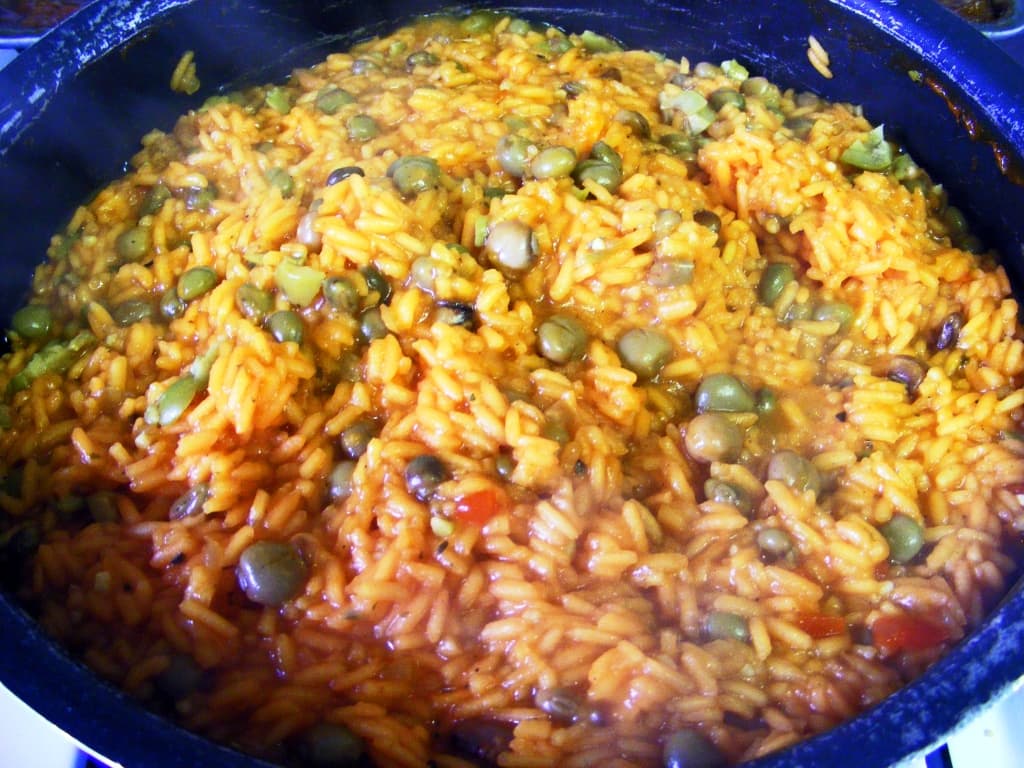
A Puerto Rican arroz con gandules made in one pot with medium-grain rice, pigeon peas, sofrito, sazon, pork, olives, and a patient steam for fluffy grains and coveted pegao.
America's Melting Pot
Chokecherry Sauce photo coming soon
pre-1776-present
Chokecherry Sauce is a tart and flavorful condiment made from the chokecherry fruit, historically prepared by Indigenous American peoples across the United States from the early 19th century. This sauce functions as an accompaniment to game meats and poultry, showcasing native foraging and preservation techniques during the Expansion and Young Republic period. It exemplifies Indigenous foodways adapted to settler tables while maintaining cultural culinary heritage.
pre-1776-present
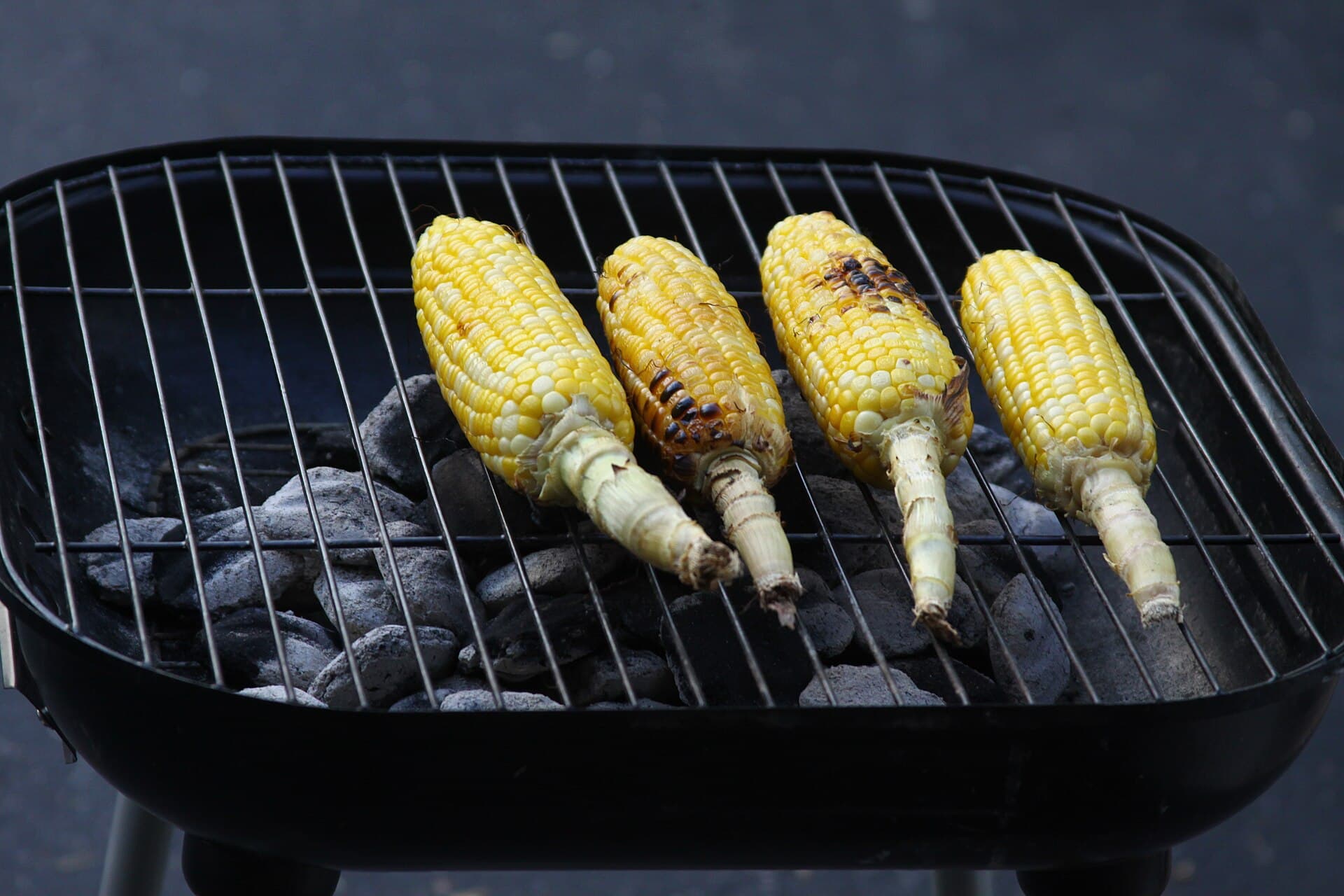
Corn on the cob is a simple, beloved summer side dish traditionally enjoyed at Fourth of July celebrations and backyard cookouts across the United States. Boiled or grilled fresh corn with butter and salt has long been a staple of American holiday tables.
Same region
1500s-present
A Puerto Rican arroz con gandules made in one pot with medium-grain rice, pigeon peas, sofrito, sazon, pork, olives, and a patient steam for fluffy grains and coveted pegao.
1500s/1859 print-present
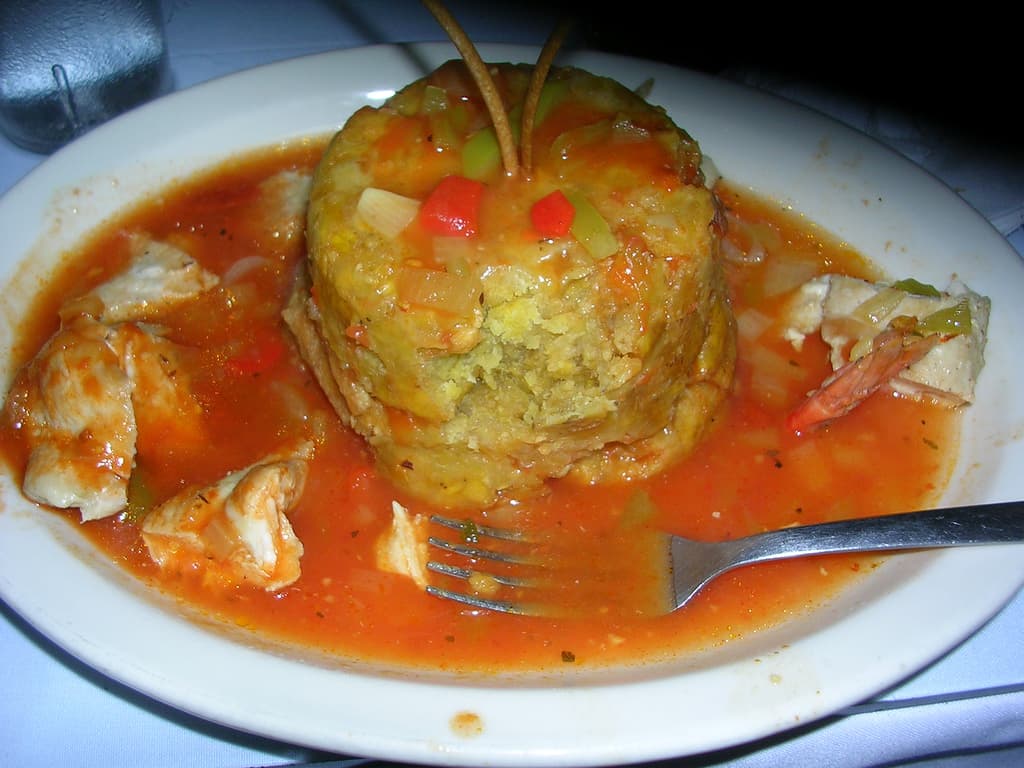
Mofongo is a traditional dish of mashed fried plantains combined with garlic, olive oil, and pork cracklings, originating from Puerto Rican and other Caribbean island communities. It holds a cross-era place in Territories and Island America foodways, blending African, Spanish, and indigenous influences. Mofongo is a staple in Puerto Rican, Chamorro, Filipino-American, and Virgin Islands kitchens, embodying diverse island cultural heritage.
America's Melting Pot
Pasteles photo coming soon
pre-1843/20th century holiday staple-present
Pasteles are savory Puerto Rican and island-style tamale-like parcels made with green banana dough filled with seasoned meats and wrapped in banana leaves, then boiled. A cultural staple in island communities and diaspora celebrations.
Same table
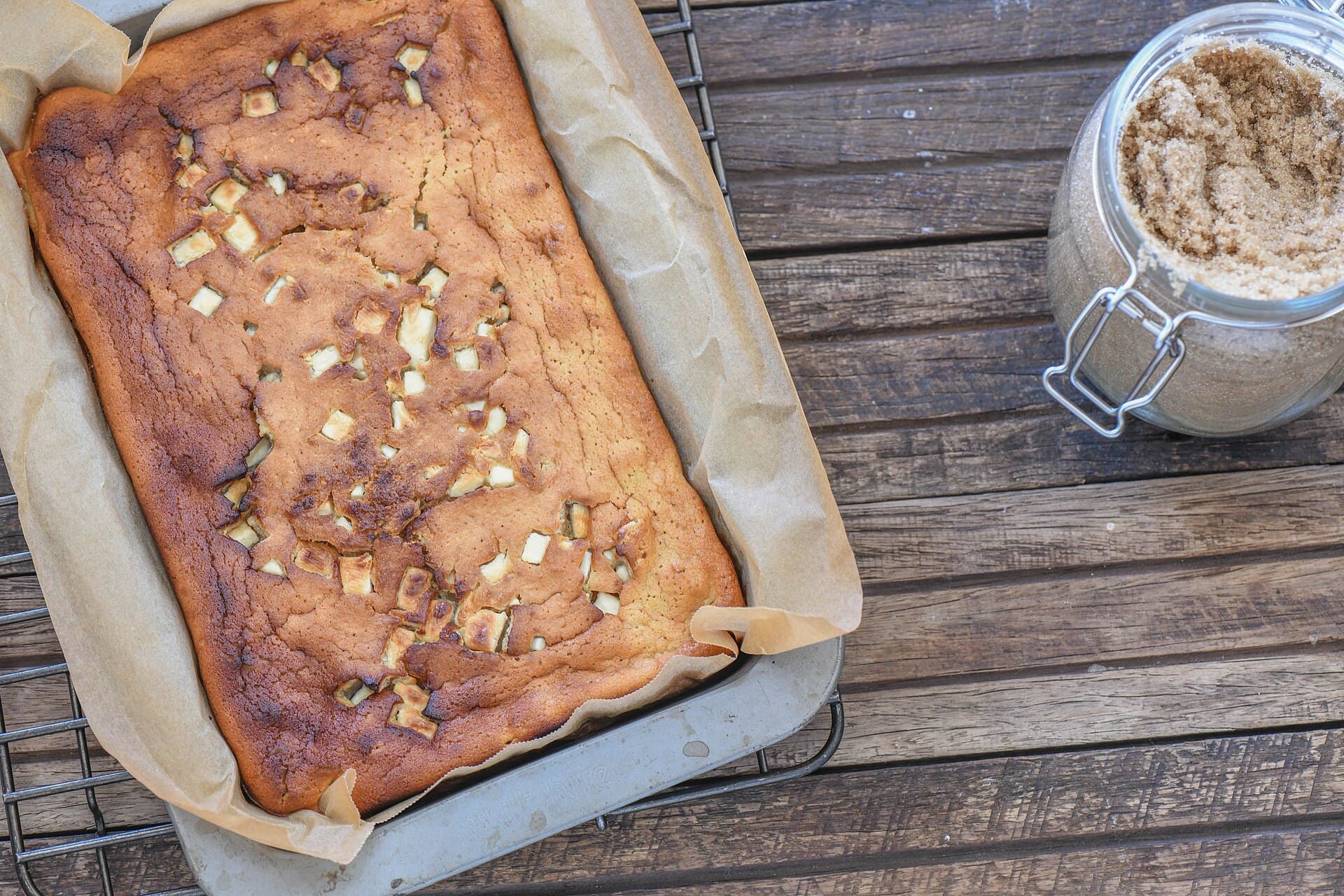
1900s-present
Blondies are American bar cookies built on brown sugar, butter, eggs, and flour. They preserve an older non-chocolate brownie lineage while becoming a lunchbox, bake-sale, and weeknight dessert standard.
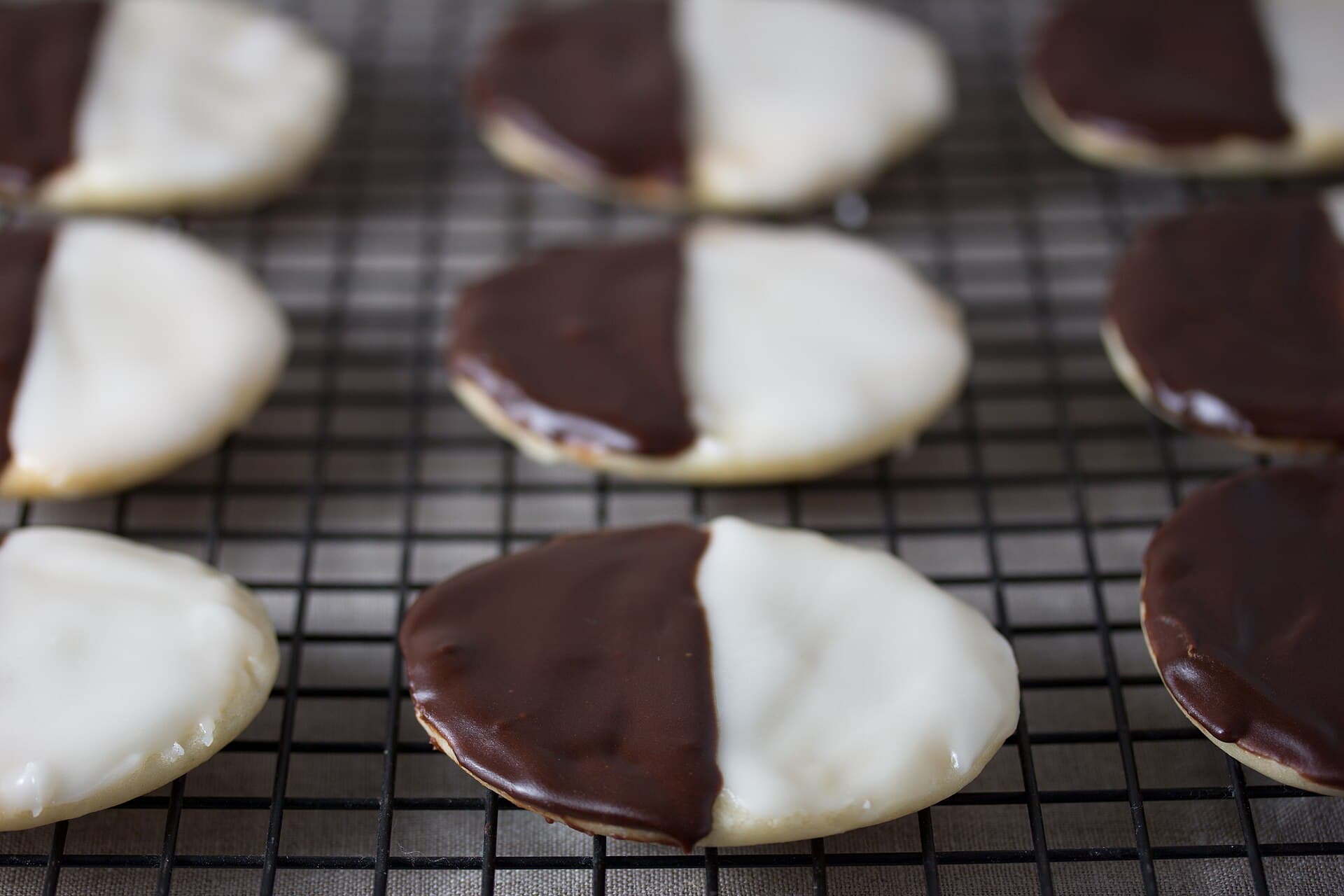
1900-2026
Black and white cookies are New York bakery icons, commonly linked to Glaser Bake Shop in Yorkville and to German Jewish bakery traditions. Their half-vanilla, half-chocolate tops made them instantly recognizable on deli and bakery counters.
America's Melting Pot
Black and White Malt photo coming soon
1880s-1920s
Black and White Malt pours old-school malt-shop cheer into a cold glass: Vanilla malt with chocolate syrup.