
Recipe archive
Loading
Setting the table...
Fetching the latest recipes from the archive.
Loading
Fetching the latest recipes from the archive.
Recipe archive
America's Melting Pot
Fourth of July Burger Bar hero image coming soon
1990-2009 - Food trucks, farmers market vendors, and home grillers in contemporary American celebrations.
The Fourth of July burger bar features grilled beef or plant-based burgers with a variety of toppings and condiments arranged for guests to assemble their own sandwiches. It reflects contemporary American celebration food trends prioritizing customization and casual outdoor dining.
No featured photo yet. Upload a photo with your review. The highest-rated community photo may become this recipe's hero image.
Difficulty
Medium
Prep time
30 minutes
Cook time
15 minutes
Total time
45 minutes
Servings
6 servings
Region
American casual-restaurant, supermarket, diner, and weeknight convenience kitchens
Era introduced
1990-2009
Introduced by
Food trucks, farmers market vendors, and home grillers in contemporary American celebrations.
Recipe tools
Log in to save this recipe to a collection.
Emerging in the 21st century alongside the rise of food trucks, farmers markets, and viral social media food trends, the Fourth of July burger bar epitomizes modern American festive food. By offering a variety of toppings and patties for guests to personalize, it celebrates inclusivity and creativity while maintaining the patriotic spirit of the Independence Day holiday. This flexible format suits outdoor gatherings and reflects the evolving American barbecue culture.
Share family changes, regional twists, or pantry-friendly adaptations as full community recipes.
Log in to submit a community recipe.
No community recipes yet. Submitted recipes are published right away.
Rate this recipe and share how it worked at your table.
Log in to review this recipe.
No reviews yet. Be the first to rate this recipe.
Recipes matched by era, region, occasion, ingredients, and cultural roots from the archive.
Same era
America's Melting Pot
Acai Smoothie photo coming soon
1990s-present
Acai Smoothie brings juice-bar color and American smoothie-counter energy to the glass: Brazilian-rooted ingredient adapted by U.S. smoothie bars.
America's Melting Pot
Apple Spinach Smoothie photo coming soon
1990s-present
Apple Spinach Smoothie brings juice-bar color and American smoothie-counter energy to the glass: Green juice/smoothie crossover.
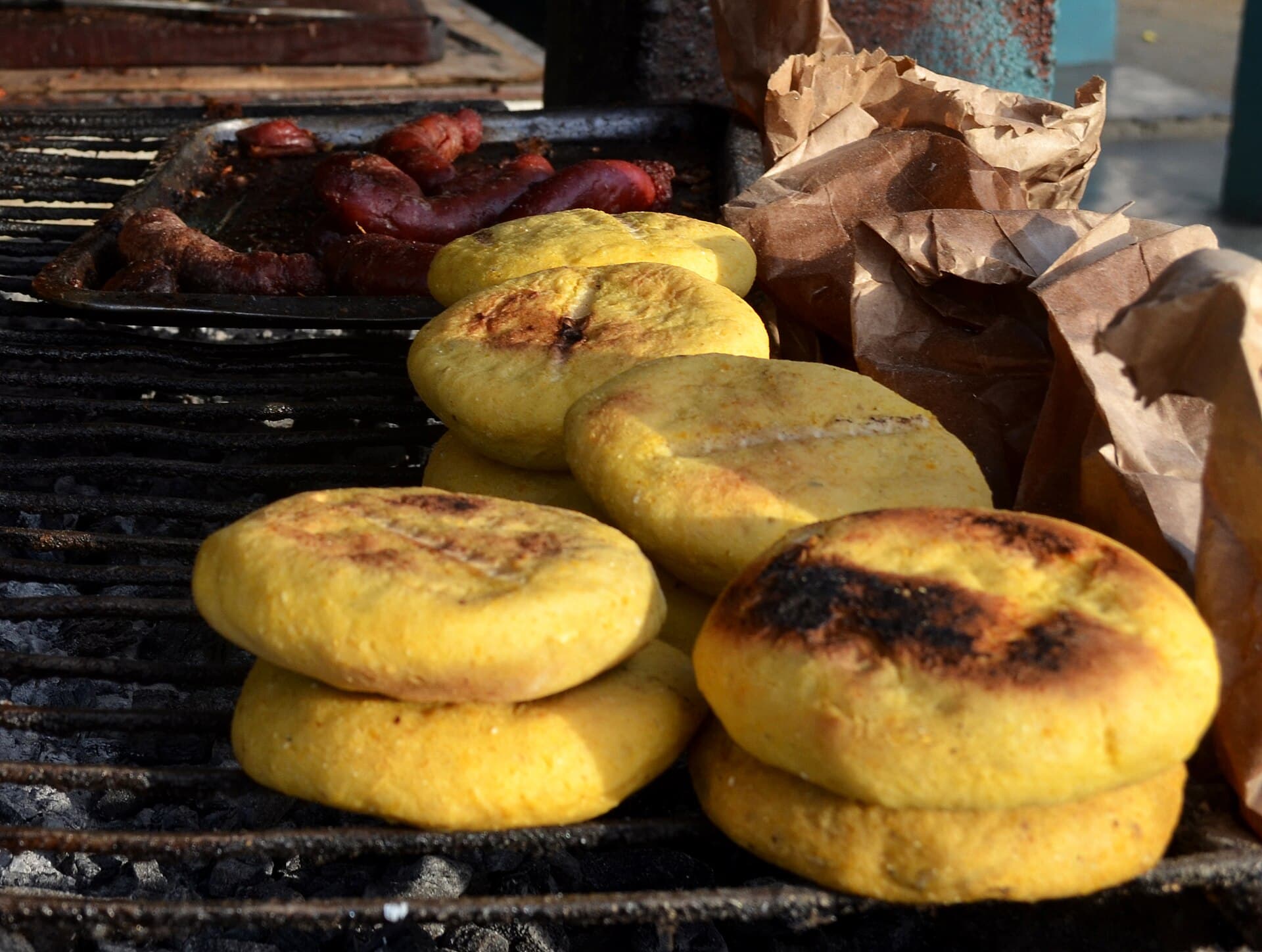
1990-2009
A basic arepa recipe made with masarepa, water, salt, and a hot skillet, ready to eat plain, buttered, cheesed, or split for fillings.
Same region
America's Melting Pot
Gourmet Grilled Cheese photo coming soon
1990s-present
Gourmet grilled cheese sandwiches feature high-quality bread and a blend of specialty cheeses, often including extras like caramelized onions, tomatoes, or herbs. Emerging in the 2010s food truck and artisanal sandwich movements, this upgrade on a classic comfort food presents creative variations that emphasize texture and flavor balance.
America's Melting Pot
Grilled Chicken Salad photo coming soon
1990s-present
Grilled Chicken Salad became popular in American suburbs and coffee shops during the 1990s-2000s as a health-oriented dish. Featuring marinated grilled chicken over mixed greens with fresh vegetables and vinaigrette, it is common at Super Bowl gatherings and casual dining venues.
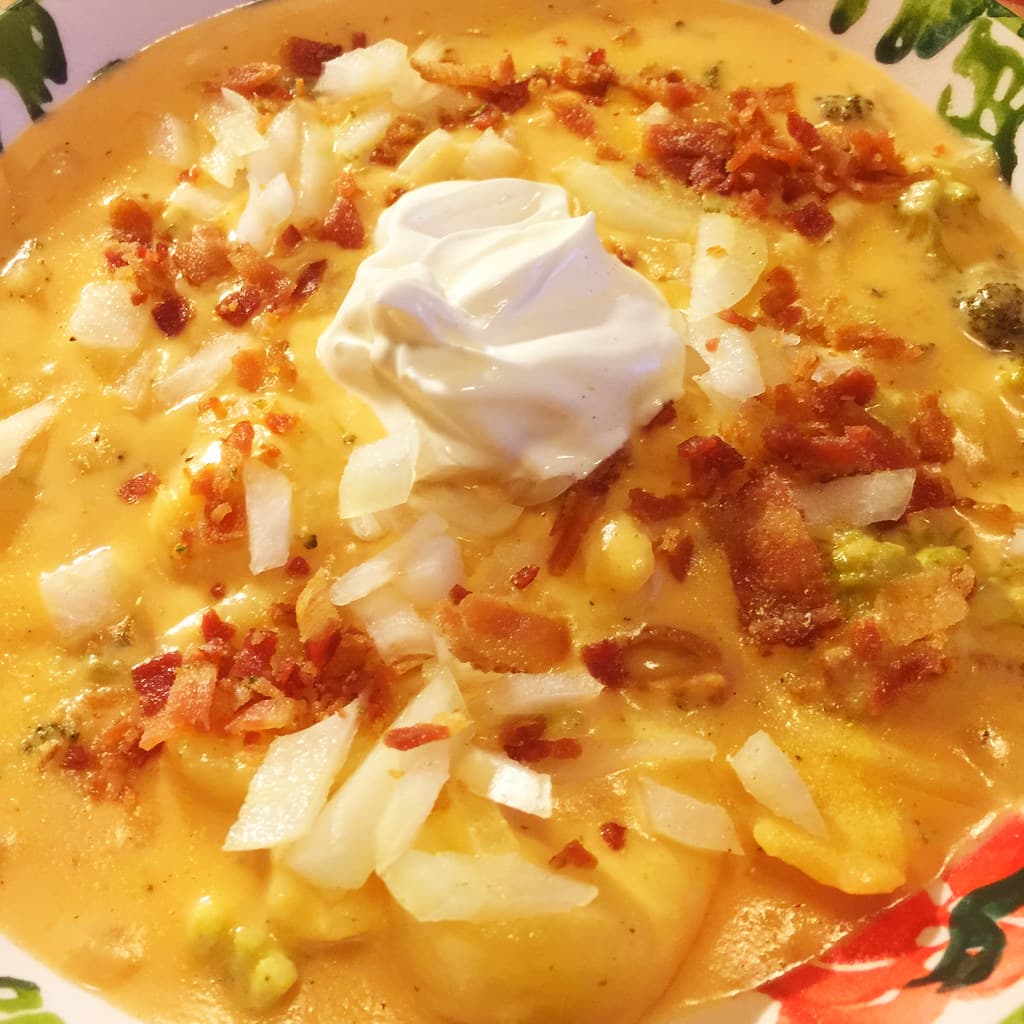
1990s-present
Loaded baked potato soup is a creamy and hearty soup featuring potatoes, cheese, bacon, and green onions, inspired by the flavors of the loaded baked potato. It grew in popularity in family restaurants and casual eateries across the U.S. during the 1990s and 2000s.
Same table
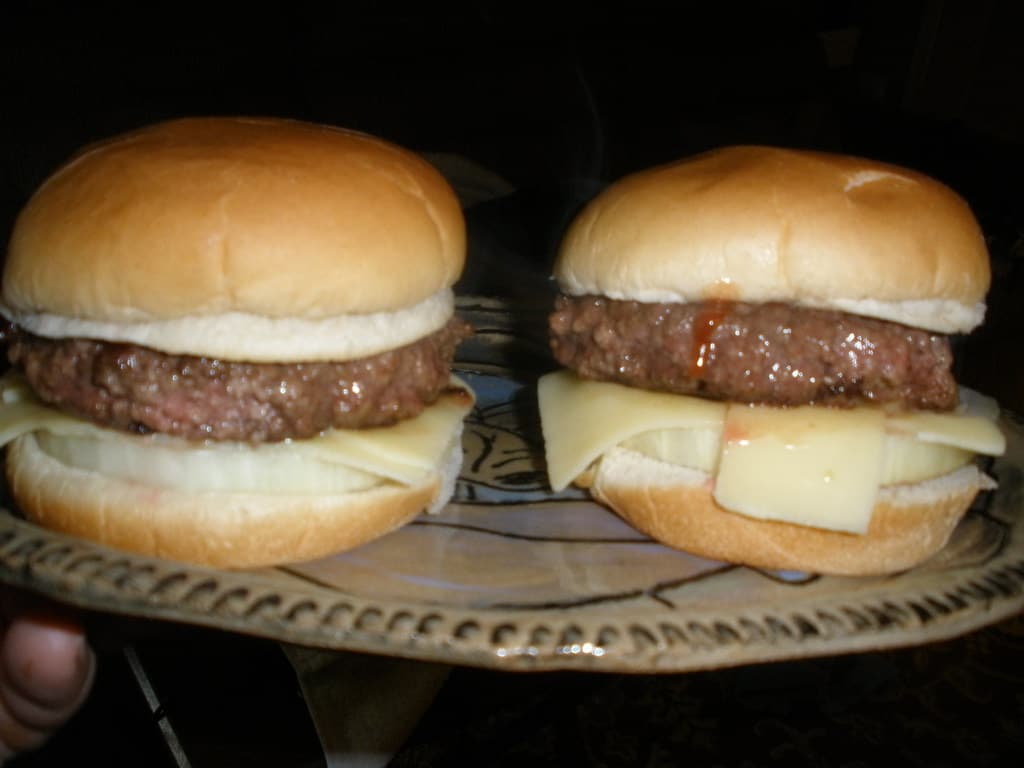
1890s-1900s
The hamburger is a ground beef patty cooked and served inside a split bun or roll, often garnished with condiments and vegetables. Emerging in early 20th-century America, hamburgers became an iconic and enduring symbol of American fast and casual dining.
America's Melting Pot
Congealed Salad photo coming soon
1897-present
Congealed salad is a cold dish featuring gelatin with mixed ingredients such as fruit, vegetables, mayo, or cottage cheese, molded into decorative shapes. Popular in American homes and potlucks from 1946 to 1969, it reflects mid-century fascination with convenience foods and playful presentation. Though less common today, it remains a nostalgic symbol of postwar suburban family menus and holiday tables.
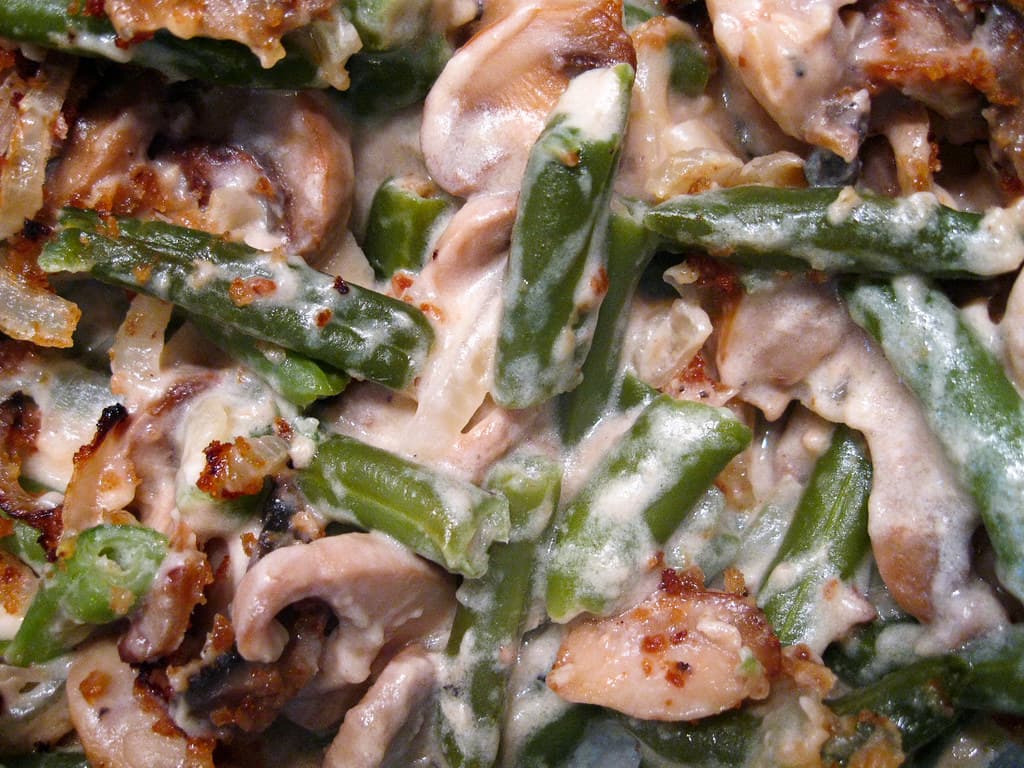
1900-1929
Green Bean Casserole is a staple side dish in Midwestern American holiday tables, church suppers, and school gatherings. Combining green beans, cream of mushroom soup, and crispy fried onions, it became widely popular in the early 20th century and remains a comforting, familiar casserole.