
Recipe archive
Loading
Setting the table...
Fetching the latest recipes from the archive.
Loading
Fetching the latest recipes from the archive.
Recipe archive
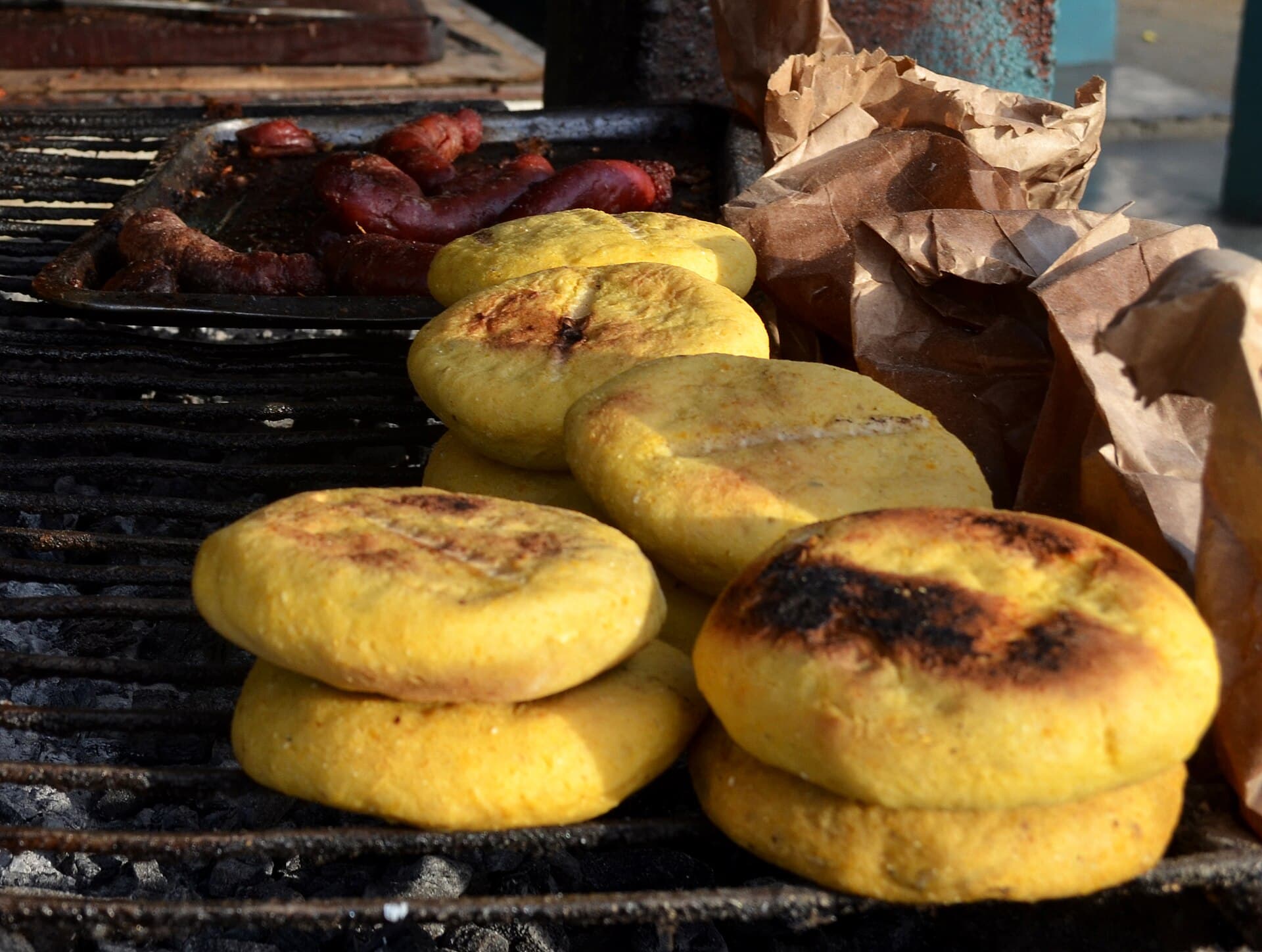
1990-2009 - Venezuelan and Colombian immigrants
A basic arepa recipe made with masarepa, water, salt, and a hot skillet, ready to eat plain, buttered, cheesed, or split for fillings.
Community-powered photos. Reviewers can upload dish photos, and the highest-rated community image may be featured here.
Difficulty
Easy
Prep time
10 minutes
Cook time
20 minutes
Total time
30 minutes
Servings
6 arepas
Region
Venezuelan and Colombian American kitchens
Era introduced
1990-2009
Introduced by
Venezuelan and Colombian immigrants
Recipe tools
Log in to save this recipe to a collection.
Arepas are much older than their recent American restaurant popularity. They come from northern South American maize traditions and are central to both Venezuelan and Colombian cooking, with different regional styles, fillings, and serving customs. In U.S. suburbs and cities, bags of masarepa made the dish approachable for home cooks, while restaurants and food trucks introduced many Americans to crisp griddled arepas served plain, buttered, with cheese, or split and filled.
Share family changes, regional twists, or pantry-friendly adaptations as full community recipes.
Log in to submit a community recipe.
No community recipes yet. Submitted recipes are published right away.
Rate this recipe and share how it worked at your table.
Log in to review this recipe.
No reviews yet. Be the first to rate this recipe.
Recipes matched by era, region, occasion, ingredients, and cultural roots from the archive.
Same era
America's Melting Pot
Acai Smoothie photo coming soon
1990s-present
Acai Smoothie brings juice-bar color and American smoothie-counter energy to the glass: Brazilian-rooted ingredient adapted by U.S. smoothie bars.
America's Melting Pot
Apple Spinach Smoothie photo coming soon
1990s-present
Apple Spinach Smoothie brings juice-bar color and American smoothie-counter energy to the glass: Green juice/smoothie crossover.
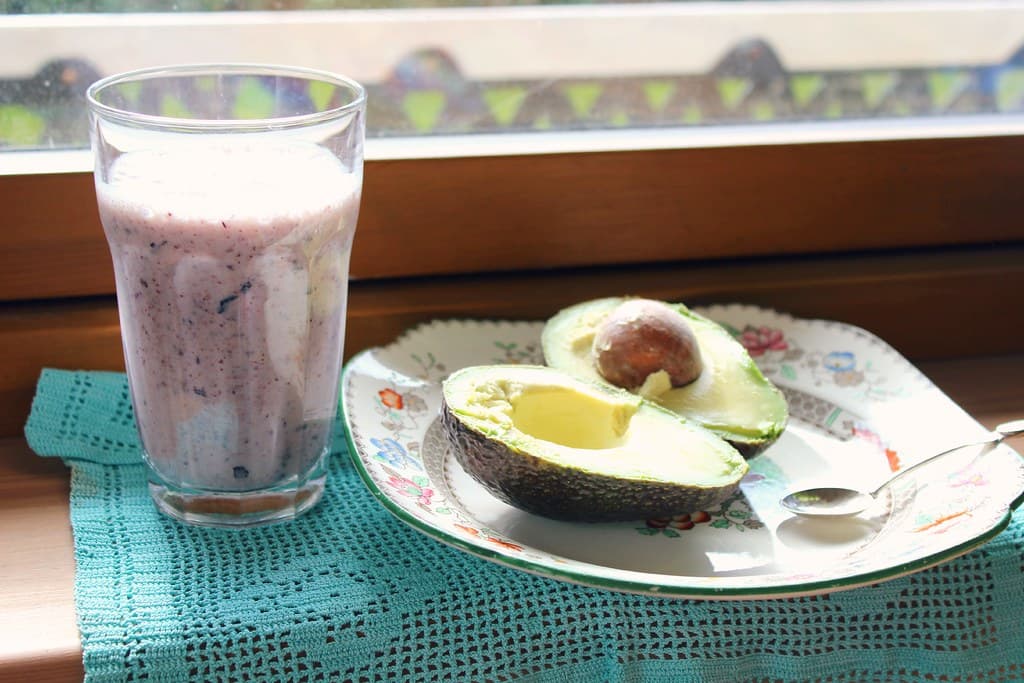
1990s-present
Avocado Smoothie brings juice-bar color and American smoothie-counter energy to the glass: American health-food version, with global roots.
Same region
America's Melting Pot
Arepa Sandwiches photo coming soon
2010-2026
A street-food arepa sandwich filled with avocado chicken salad, black beans, cheese, and bright lime, built for the American food-truck table while respecting its Venezuelan and Colombian roots.
America's Melting Pot
Acorn Bread photo coming soon
1800-1860
A nutty, lightly sweet quick bread made with properly leached acorn flour, cornmeal, and wheat flour.
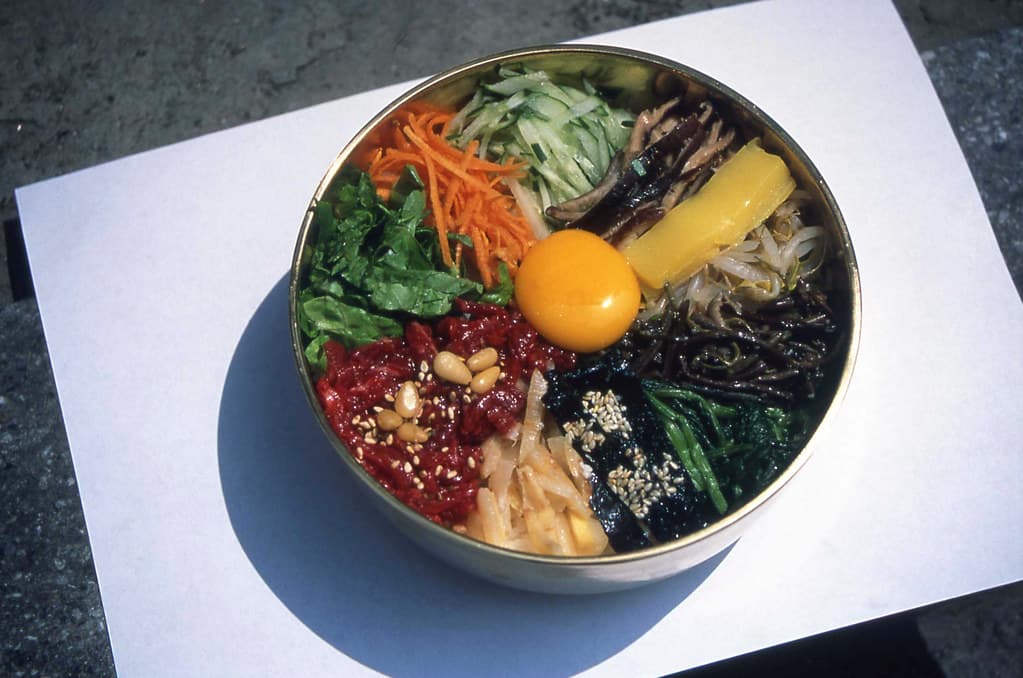
1960-2026
Bibimbap is a Korean classic with several origin stories, from palace meals to farmers mixing available vegetables. In the United States it became a Korean American restaurant and home-cooking staple because the format is flexible, colorful, and practical.
Same table
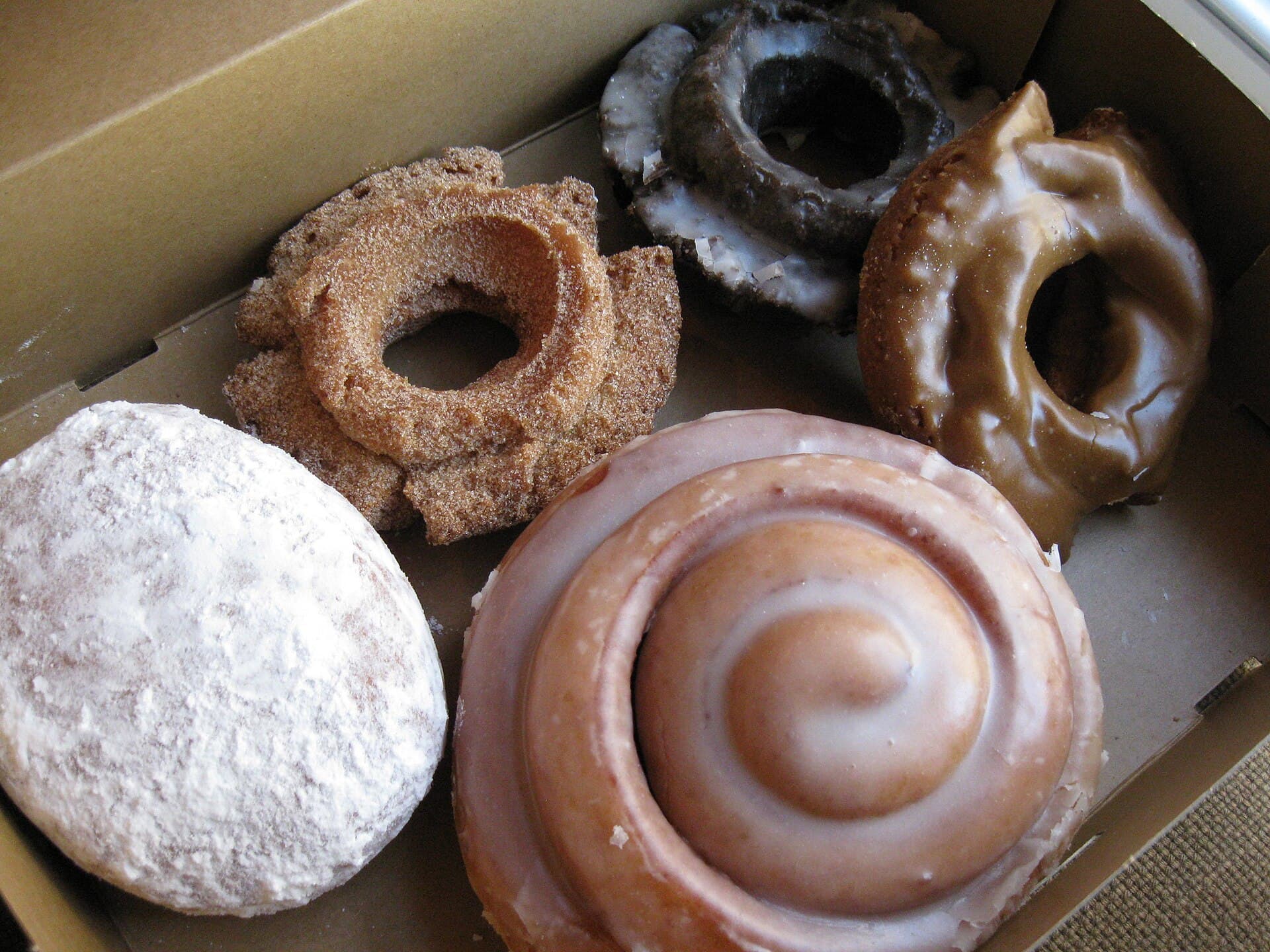
1700s-1800s
Doughnuts are a beloved American breakfast and snack originating from various immigrant influences, consisting of fried dough rings or balls coated in sugar or glaze. The recipe has evolved over centuries and become a cross-era staple with numerous regional variations.
America's Melting Pot
Boardwalk Fries photo coming soon
1920-2026
Boardwalk fries are beach food stripped to essentials: fresh-cut potatoes, hot oil, salt, and vinegar. Ocean City made the style famous through Thrasher fries, opened in 1929, where ketchup is famously beside the point.
America's Melting Pot
ABC Juice photo coming soon
1970s-present
ABC Juice brings juice-bar color and American smoothie-counter energy to the glass: Apple, beet, carrot.