
Recipe archive
Loading
Setting the table...
Fetching the latest recipes from the archive.
Loading
Fetching the latest recipes from the archive.
Recipe archive
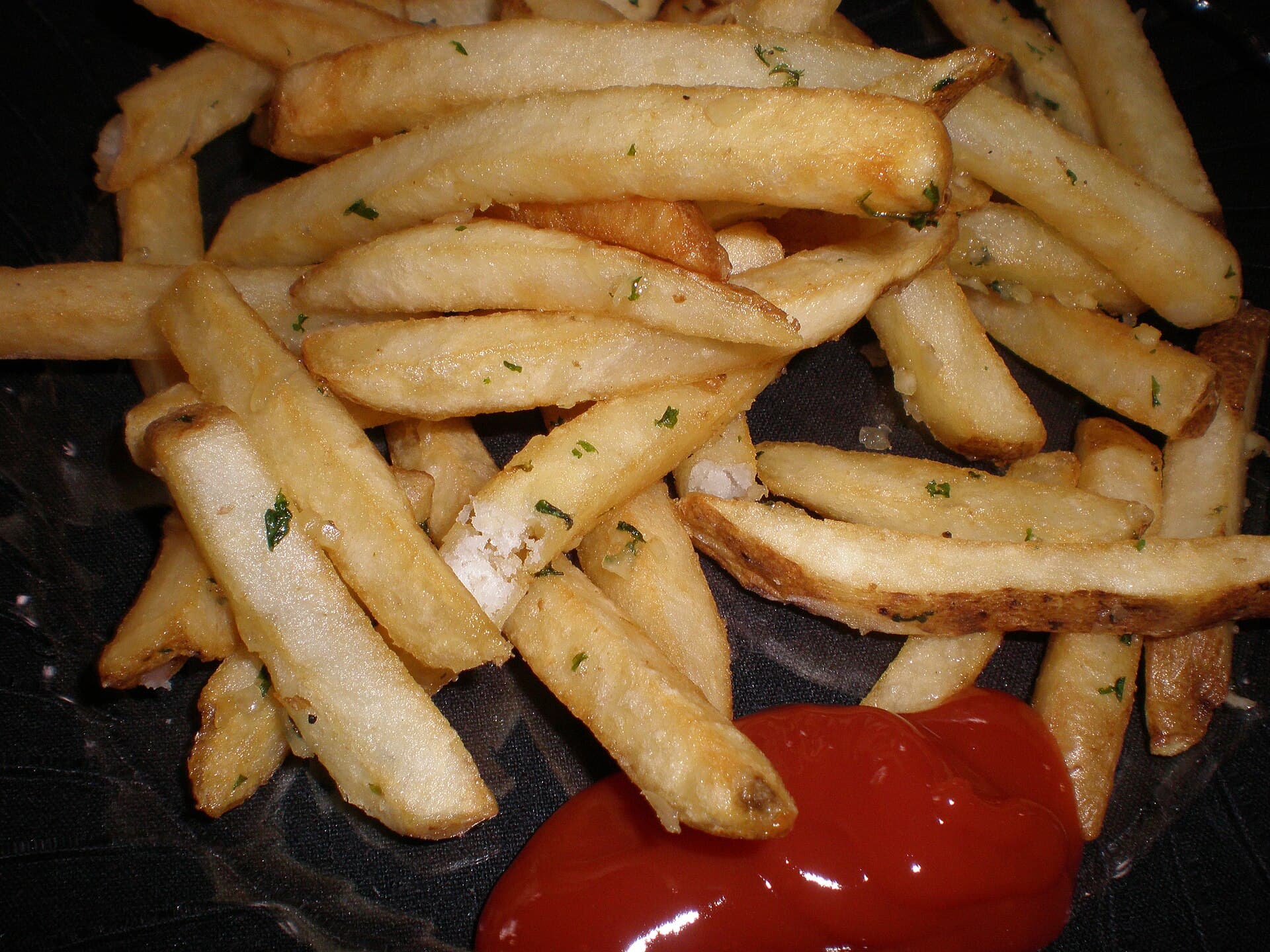
1945-2000 - West Coast casual dining restaurants and sports venues
Garlic fries are a popular West Coast side dish featuring golden French fries tossed with minced garlic, parsley, and Parmesan cheese. This simple yet flavorful treat is commonly served in casual dining establishments and sports venues, celebrated for its bold garlic flavor enhancing classic fried potatoes.
Community-powered photos. Reviewers can upload dish photos, and the highest-rated community image may be featured here.
Difficulty
Easy
Prep time
10 minutes
Cook time
20 minutes
Total time
30 minutes
Servings
4 servings
Region
San Jose and San Francisco, California
Era introduced
1945-2000
Introduced by
West Coast casual dining restaurants and sports venues
Recipe tools
Log in to save this recipe to a collection.
Garlic fries have become a beloved snack along the West Coast United States, especially in California. Though fries are a universal favorite, the addition of fresh garlic, finely chopped parsley, and a dusting of Parmesan cheese elevates the simple French fry into a flavorful indulgence. Commonly found in sports arenas and casual eateries, garlic fries reflect the region's love of bold flavors and inventive comfort foods.
Share family changes, regional twists, or pantry-friendly adaptations as full community recipes.
Log in to submit a community recipe.
No community recipes yet. Submitted recipes are published right away.
Rate this recipe and share how it worked at your table.
Log in to review this recipe.
No reviews yet. Be the first to rate this recipe.
Recipes matched by era, region, occasion, ingredients, and cultural roots from the archive.
Same era
America's Melting Pot
Coffee Shop Scones photo coming soon
1980s-present
Coffee shop scones are tender, buttery pastries with a crisp exterior and soft crumb, popular in Pacific Northwest cafes. Typically served with coffee, these scones reflect regional preferences and European pastry influences adapted to local tastes across eras.
America's Melting Pot
Farmers Market Salad photo coming soon
1977/1980s-present
Farmers Market Salad highlights fresh, seasonal vegetables often available at local markets on the West Coast. This salad emphasizes simplicity and freshness, popular as a healthy side dish that showcases regionally grown produce across eras.
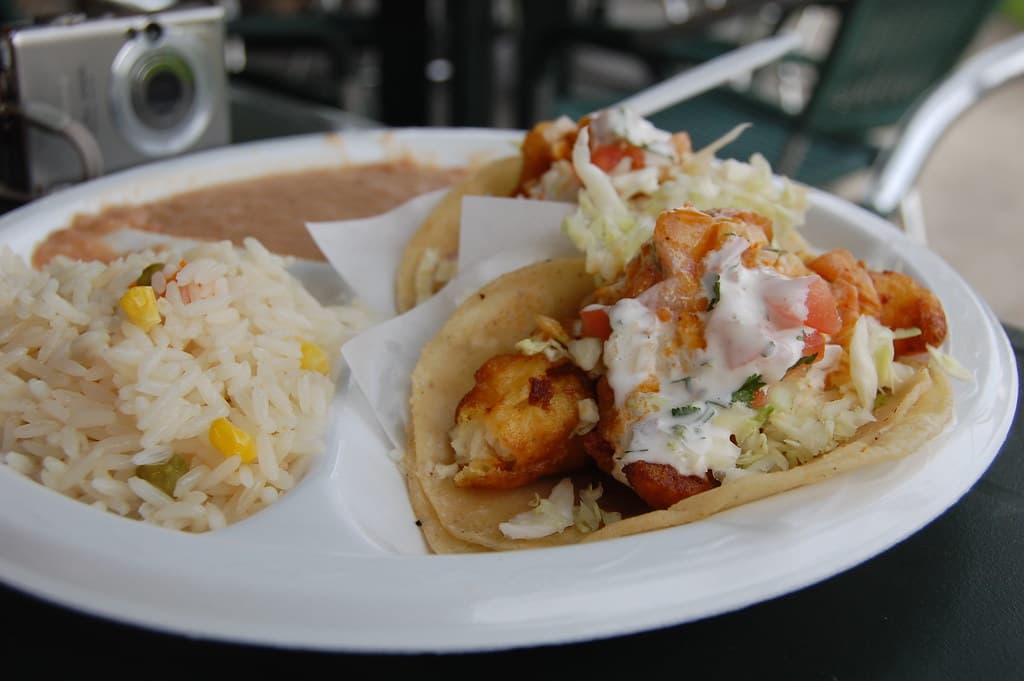
1983 U.S. popularization
Fish tacos combine crispy fried or grilled fish with fresh toppings wrapped in a warm corn tortilla. Originating in Baja California and popularized on the U.S. West Coast, they exemplify Mexican-American culinary adaptation featuring bright flavors and easy assembly.
Same region
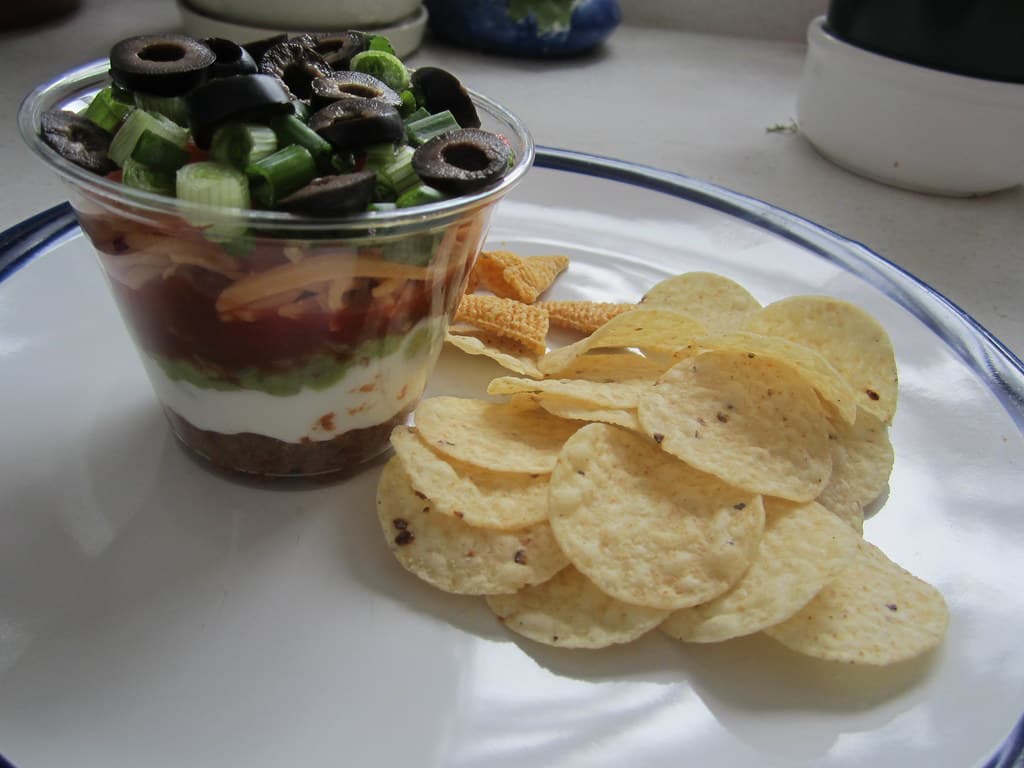
1900s-present
7-Layer Dip is a party dip with real American table personality: Tex-Mex party dish. It brings flavor from Texas and the Southwest to cookouts, counters, lunch plates, potlucks, and weeknight suppers.
America's Melting Pot
ABC Juice photo coming soon
1970s-present
ABC Juice brings juice-bar color and American smoothie-counter energy to the glass: Apple, beet, carrot.
America's Melting Pot
Acai Bowl Smoothie Base photo coming soon
1970s-present
Acai Bowl Smoothie Base brings juice-bar color and American smoothie-counter energy to the glass: California/Hawaii/fitness culture.
Same table
America's Melting Pot
Auntie Anne's-Style Pretzel Bites photo coming soon
1970-1989
A homemade mall-style pretzel bite recipe with yeast dough, a baking-soda dip, coarse salt, and a generous butter finish.
America's Melting Pot
Egg White Garlic Bread Bites photo coming soon
2026-present
Egg whites, garlic powder, and mozzarella turn into light, savory bread bites for the high-protein, low-carb snack era.
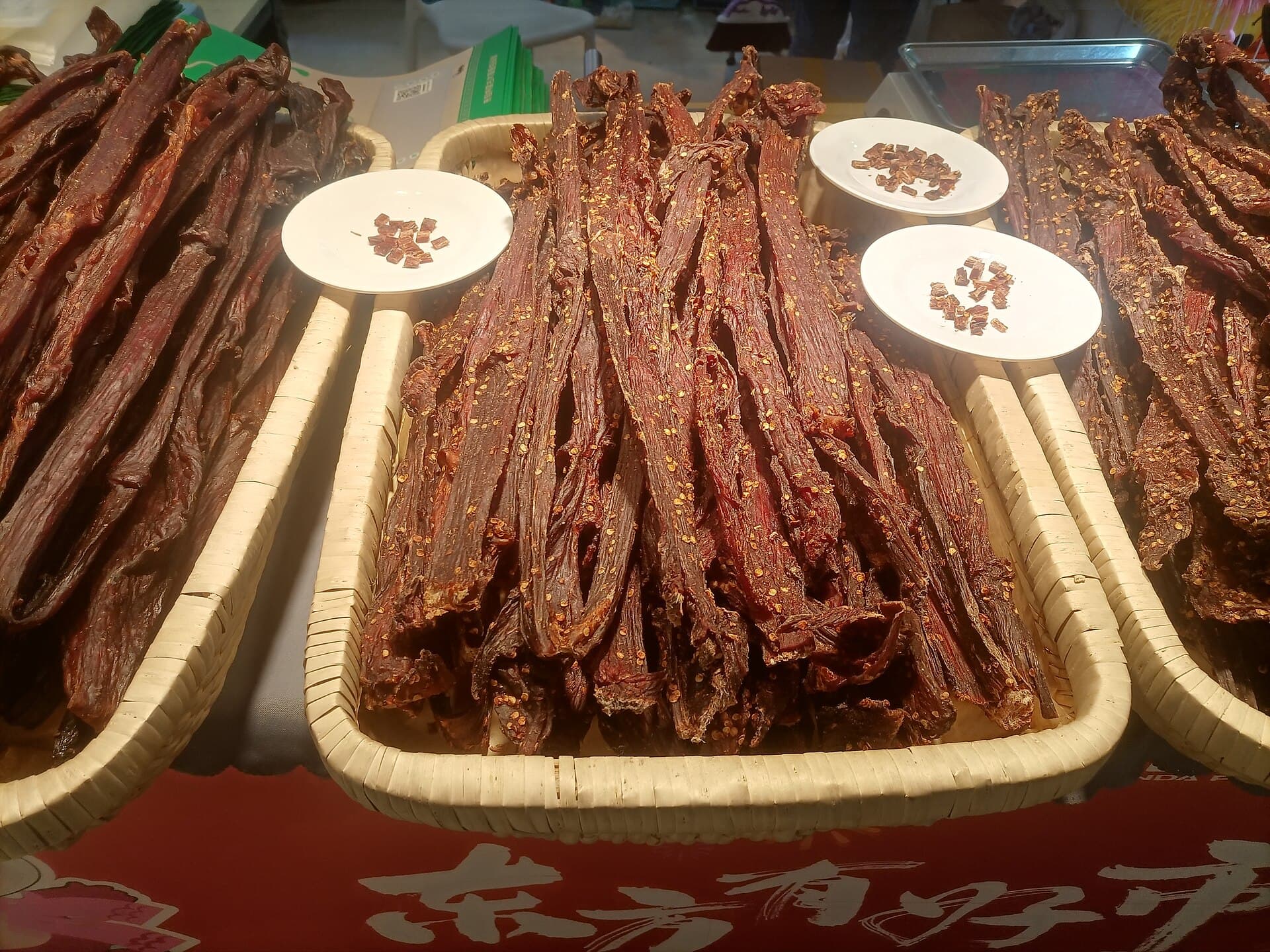
precontact-present
Jerky is preservation food before it is snack food. Indigenous drying traditions, pemmican, pioneer travel, soldiers, cowboys, and later road-trip convenience all helped make dried meat part of American food culture.