
Recipe archive
Loading
Setting the table...
Fetching the latest recipes from the archive.
Loading
Fetching the latest recipes from the archive.
Recipe archive
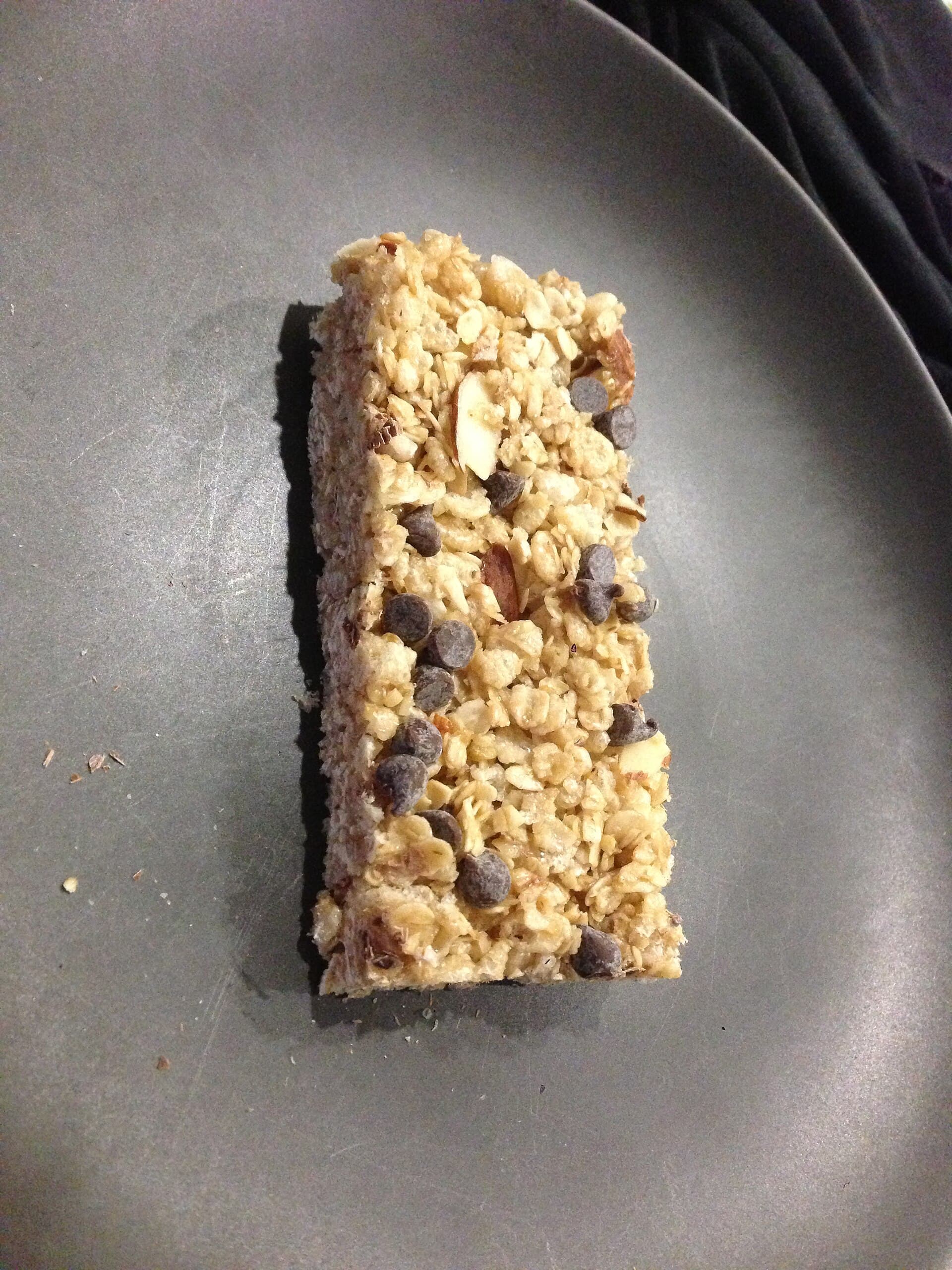
1861-1900 - American coffee shops and home cooks
Granola bars are compact, baked or no-bake snack bars made of oats, nuts, dried fruit, and sweeteners. Popularized in late 20th-century American coffee shops and convenience foods, granola bars offer a convenient energy source fitting modern on-the-go lifestyles and sporty snack needs.
Community-powered photos. Reviewers can upload dish photos, and the highest-rated community image may be featured here.
Difficulty
Easy
Prep time
15 minutes
Cook time
20 minutes
Total time
35 minutes
Servings
12 bars
Region
Dansville, New York health reform kitchens
Era introduced
1861-1900
Introduced by
American coffee shops and home cooks
Recipe tools
Log in to save this recipe to a collection.
Self-contained granola bars took hold in American eating habits during the 1990s as part of expanding coffee shop menus, sports nutrition, and convenience food options. They combine whole grains, nuts, and sweeteners into a portable form that caters to active lifestyles. While inspired by traditional granola, the bars emphasize portability and shelf stability, becoming popular snack staples nationwide in the early 21st century.
Share family changes, regional twists, or pantry-friendly adaptations as full community recipes.
Log in to submit a community recipe.
No community recipes yet. Submitted recipes are published right away.
Rate this recipe and share how it worked at your table.
Log in to review this recipe.
No reviews yet. Be the first to rate this recipe.
Recipes matched by era, region, occasion, ingredients, and cultural roots from the archive.
Same era
America's Melting Pot
Army Bean Soup photo coming soon
1861-1900
A hearty military-style bean soup built on navy beans, smoked ham hock, onion, celery, carrot, and bay leaf, adapted for a home pot from large-batch service traditions.

1861-1900
A basic homemade bagel recipe using high-protein flour, malt or brown sugar, a short boil, and a hot bake for chewy New York-style results.
America's Melting Pot
Bagels with Schmear photo coming soon
1861-1900
A deli-style bagel with a thick schmear of plain or scallion cream cheese, with optional onion, capers, tomato, and cucumber.
Same region
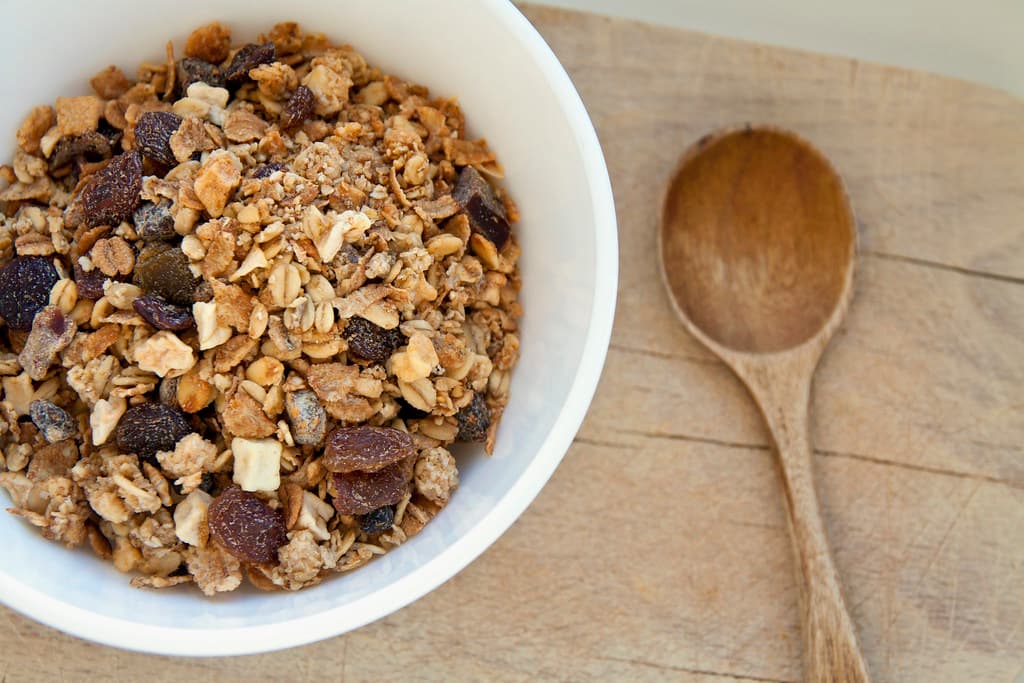
1863-present
Granola is a baked cereal consisting of rolled oats, nuts, sweeteners, and sometimes dried fruit, widely popular as a health food snack or breakfast item. Modern granola recipes developed in late 20th-century America, growing from health food movements blending traditional concepts with new ingredient combinations.
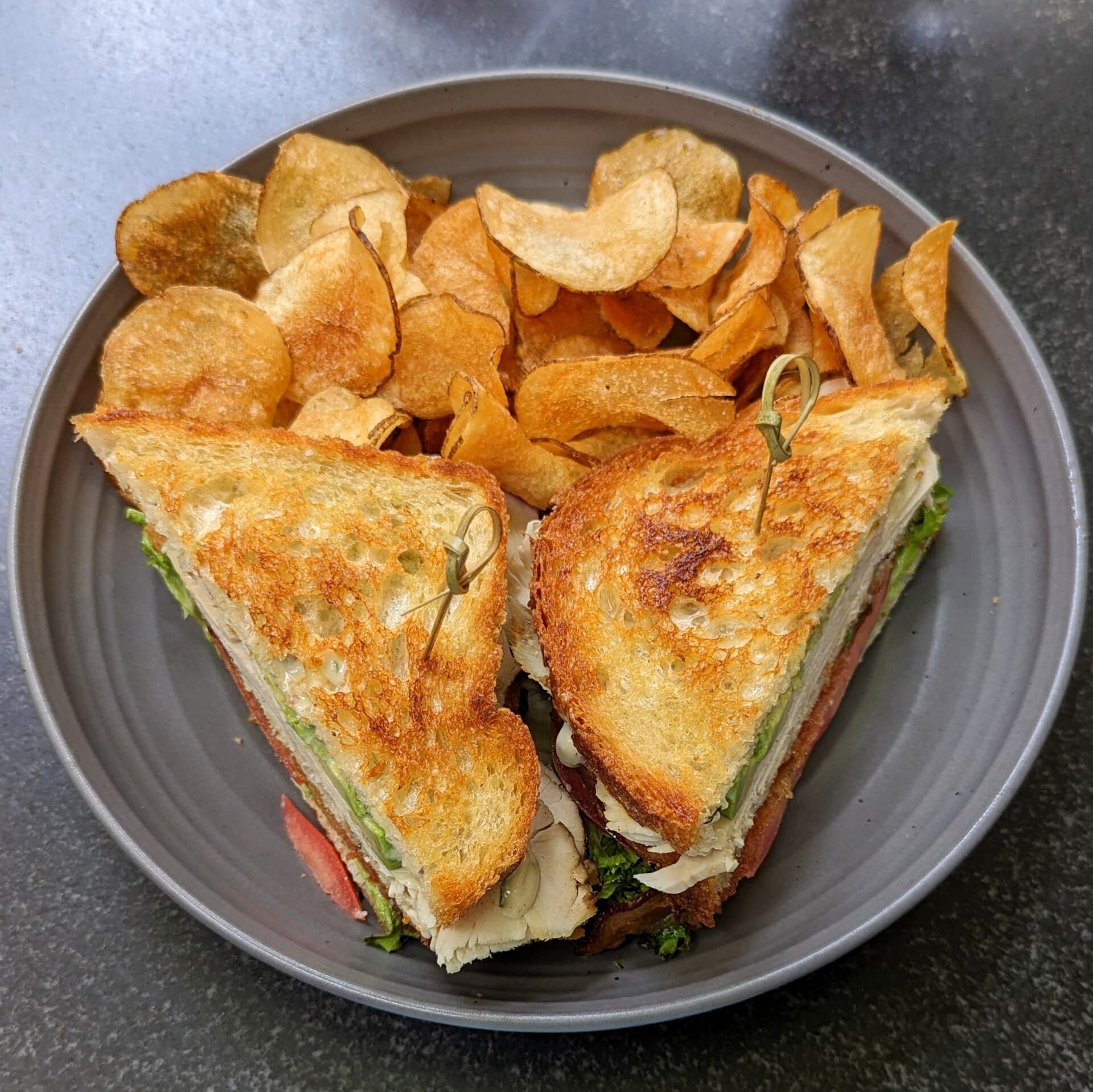
1894-present
The Club Sandwich is a layered triple-decker sandwich featuring sliced turkey or chicken, crispy bacon, lettuce, tomato, and mayonnaise on toasted bread. It first appeared in American diners and lunch counters during the early 20th century and quickly became popular as a convenient, filling meal. The Club reflects immigrant dining hall influences and the rise of urban lunch culture, notably served at state fairs and public eateries.
America's Melting Pot
Coleslaw photo coming soon
1600s-present
Coleslaw is a popular American salad made from shredded cabbage and carrots tossed in a creamy mayonnaise-based dressing. It became widespread in the postwar period as a favorite side for barbecues, picnics, and holidays such as the Fourth of July. Refreshing and versatile, coleslaw complements grilled meats and sandwiches in American backyard dining traditions.
Same table
1863-present
Granola is a baked cereal consisting of rolled oats, nuts, sweeteners, and sometimes dried fruit, widely popular as a health food snack or breakfast item. Modern granola recipes developed in late 20th-century America, growing from health food movements blending traditional concepts with new ingredient combinations.
America's Melting Pot
Giant Cookies photo coming soon
1990s-present
Giant cookies are oversized versions of classic cookies, popularized in American coffee shops during the 1990s and early 2000s. Featuring a variety of flavors from chocolate chip to oatmeal raisin, these cookies offer a shareable dessert experience characterized by a soft, chewy texture and crisp edges.
America's Melting Pot
Oatmeal Cream Pies photo coming soon
1935-present
Oatmeal Cream Pies are soft, sandwich-style cookies filled with creamy vanilla filling. Popularized in mid-20th century America, especially postwar suburbs, these treats combined convenience with nostalgic comfort, becoming a lunchbox and snack staple representative of American childhood.