
Recipe archive
Loading
Setting the table...
Fetching the latest recipes from the archive.
Loading
Fetching the latest recipes from the archive.
Recipe archive
America's Melting Pot
Giant Cookies hero image coming soon
1990-2009 - American coffee shops and bakeries of the 1990s and 2000s
Giant cookies are oversized versions of classic cookies, popularized in American coffee shops during the 1990s and early 2000s. Featuring a variety of flavors from chocolate chip to oatmeal raisin, these cookies offer a shareable dessert experience characterized by a soft, chewy texture and crisp edges.
No featured photo yet. Upload a photo with your review. The highest-rated community photo may become this recipe's hero image.
Difficulty
Medium
Prep time
20 minutes
Cook time
15 minutes
Total time
35 minutes
Servings
6 large cookies
Region
American test-kitchen, bakery-chain, and social-media home-baking kitchens
Era introduced
1990-2009
Introduced by
American coffee shops and bakeries of the 1990s and 2000s
Recipe tools
Log in to save this recipe to a collection.
The giant cookie gained popularity in the United States during the 1990s as cafe culture and coffee shops became central gathering spaces nationwide. Larger-than-usual cookies provided a visually appealing, shareable treat that complemented the coffee experience. Variations in flavor and mix-ins like chocolate chips, nuts, and candies allowed customization and wide appeal. These cookies became a standard item in many bakeries and coffee shops, aligning with trends emphasizing indulgence and casual social eating.
Share family changes, regional twists, or pantry-friendly adaptations as full community recipes.
Log in to submit a community recipe.
No community recipes yet. Submitted recipes are published right away.
Rate this recipe and share how it worked at your table.
Log in to review this recipe.
No reviews yet. Be the first to rate this recipe.
Recipes matched by era, region, occasion, ingredients, and cultural roots from the archive.
Same era
America's Melting Pot
Acai Smoothie photo coming soon
1990s-present
Acai Smoothie brings juice-bar color and American smoothie-counter energy to the glass: Brazilian-rooted ingredient adapted by U.S. smoothie bars.
America's Melting Pot
Apple Spinach Smoothie photo coming soon
1990s-present
Apple Spinach Smoothie brings juice-bar color and American smoothie-counter energy to the glass: Green juice/smoothie crossover.
1990-2009
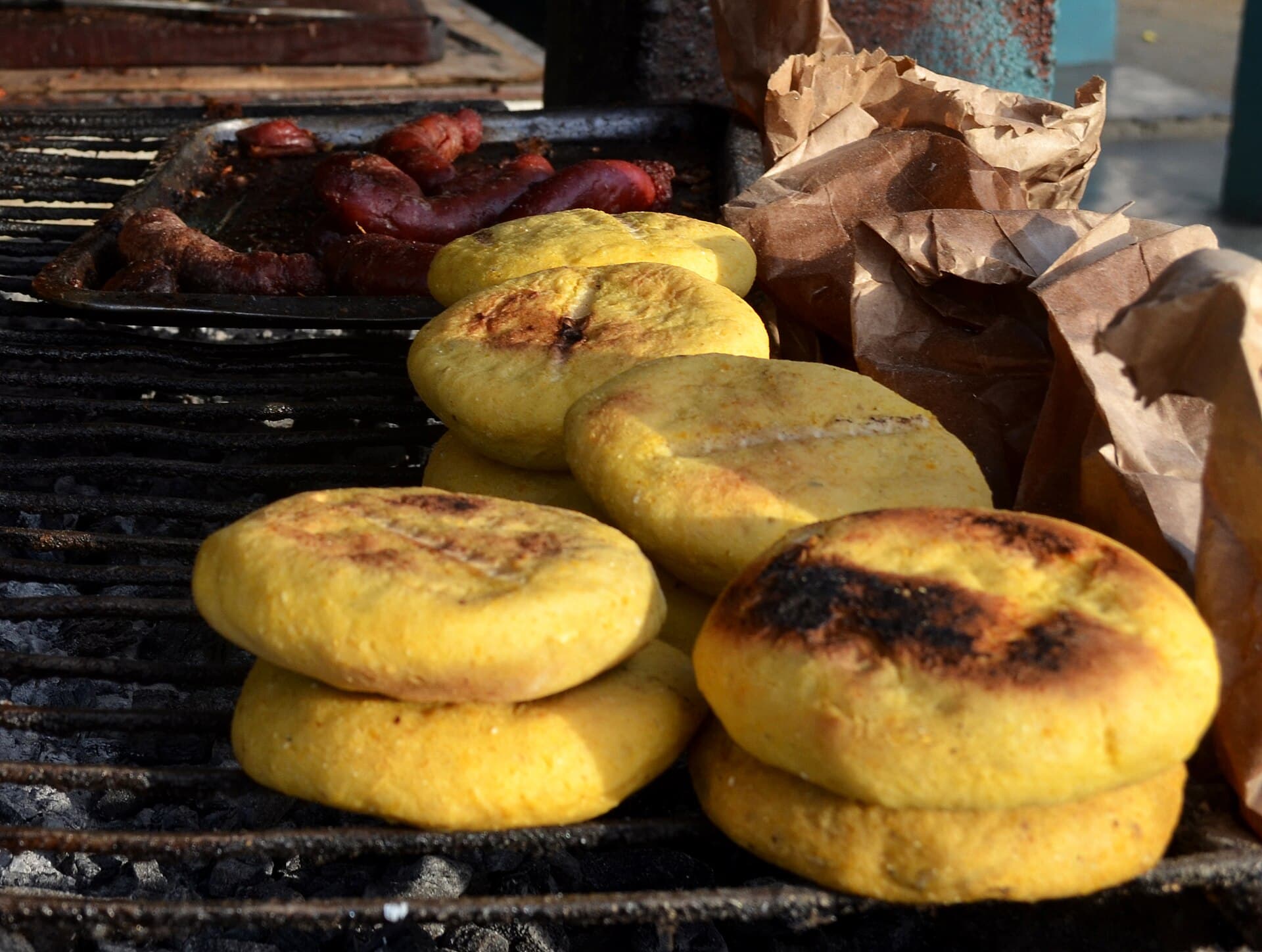
A basic arepa recipe made with masarepa, water, salt, and a hot skillet, ready to eat plain, buttered, cheesed, or split for fillings.
Same region
1990s-present
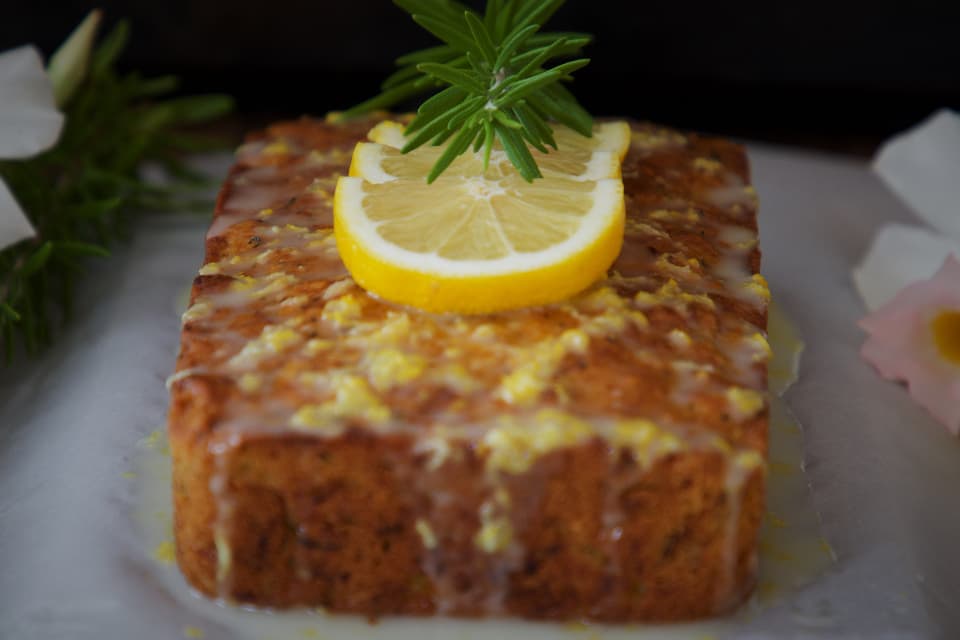
Lemon loaf is a soft, moist quick bread flavored with lemon zest and juice, topped with a sweet lemon glaze. It gained popularity in American coffee shops and bakeries in the 1990s and 2000s as a bright, fresh counterpart to traditional morning breads and snack cakes.
America's Melting Pot
Potluck Brownies photo coming soon
1990s-present
Potluck Brownies are a nostalgic dessert commonly shared at school events, church gatherings, and community potlucks in immigrant cities and diners across the United States during the early 1900s. These chocolatey squares symbolize affordable, crowd-pleasing treats made for sharing and celebration.
America's Melting Pot
Skillet Cookie photo coming soon
1990s-present
Skillet Cookie is a large, thick cookie baked in a cast-iron or oven-safe skillet, served warm and often topped with ice cream. It gained popularity in family restaurants and chain eateries during the 1990s and early 2000s.
Same table
1990s-present
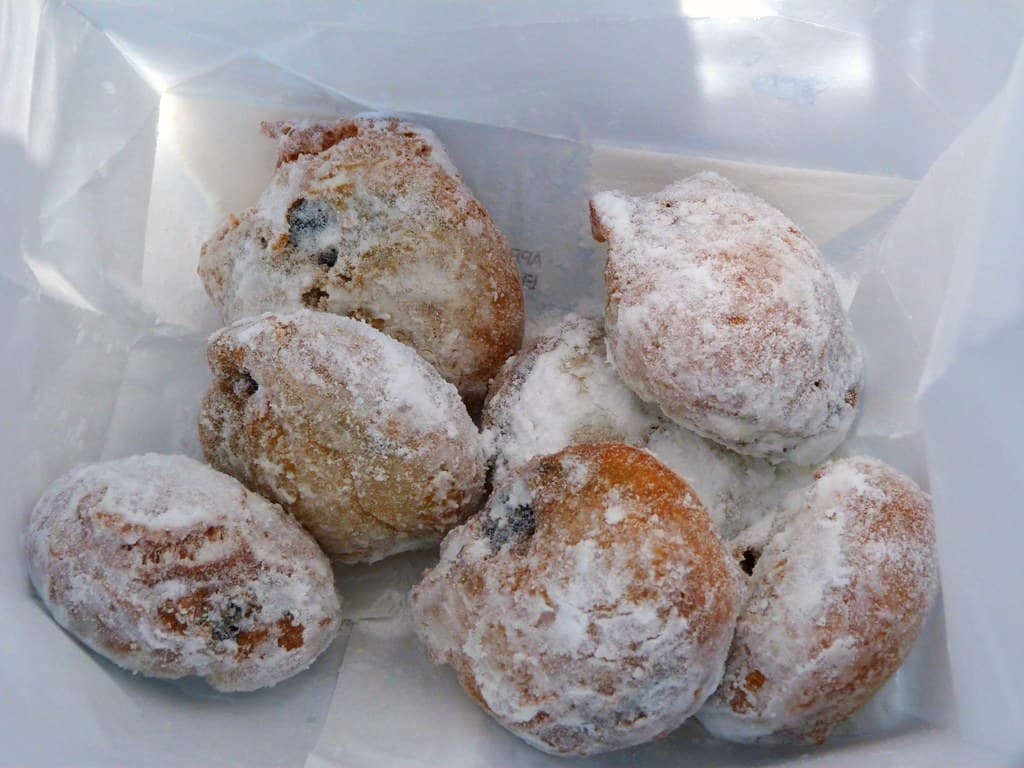
Fried Oreos feature Oreo cookies dipped in batter and deep fried, creating a warm, crispy, and gooey sweet treat. Popularized at American fairs and carnivals in the early 20th century, they blend convenience baking with indulgent frying.
1990s-present
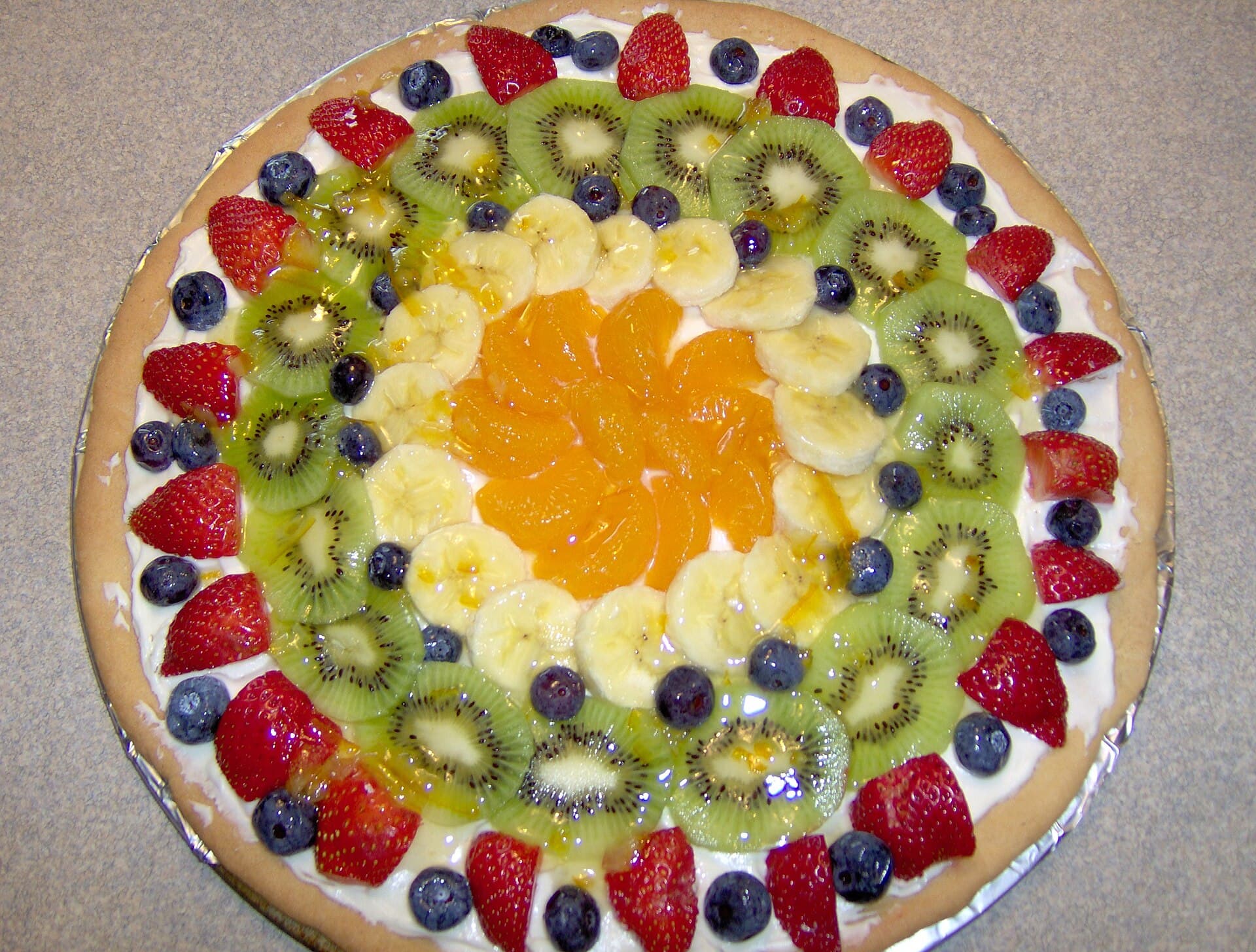
Fruit pizza is a sweet dessert featuring a cookie or sugar cookie crust topped with a layer of cream cheese icing and fresh fruit. Born from Italian-American culinary creativity, this versatile treat combines the fun of pizza presentation with fresh and colorful fruits, perfect for celebrations and summer gatherings.
1990s-present
Lemon loaf is a soft, moist quick bread flavored with lemon zest and juice, topped with a sweet lemon glaze. It gained popularity in American coffee shops and bakeries in the 1990s and 2000s as a bright, fresh counterpart to traditional morning breads and snack cakes.