
Recipe archive
Loading
Setting the table...
Fetching the latest recipes from the archive.
Loading
Fetching the latest recipes from the archive.
Recipe archive
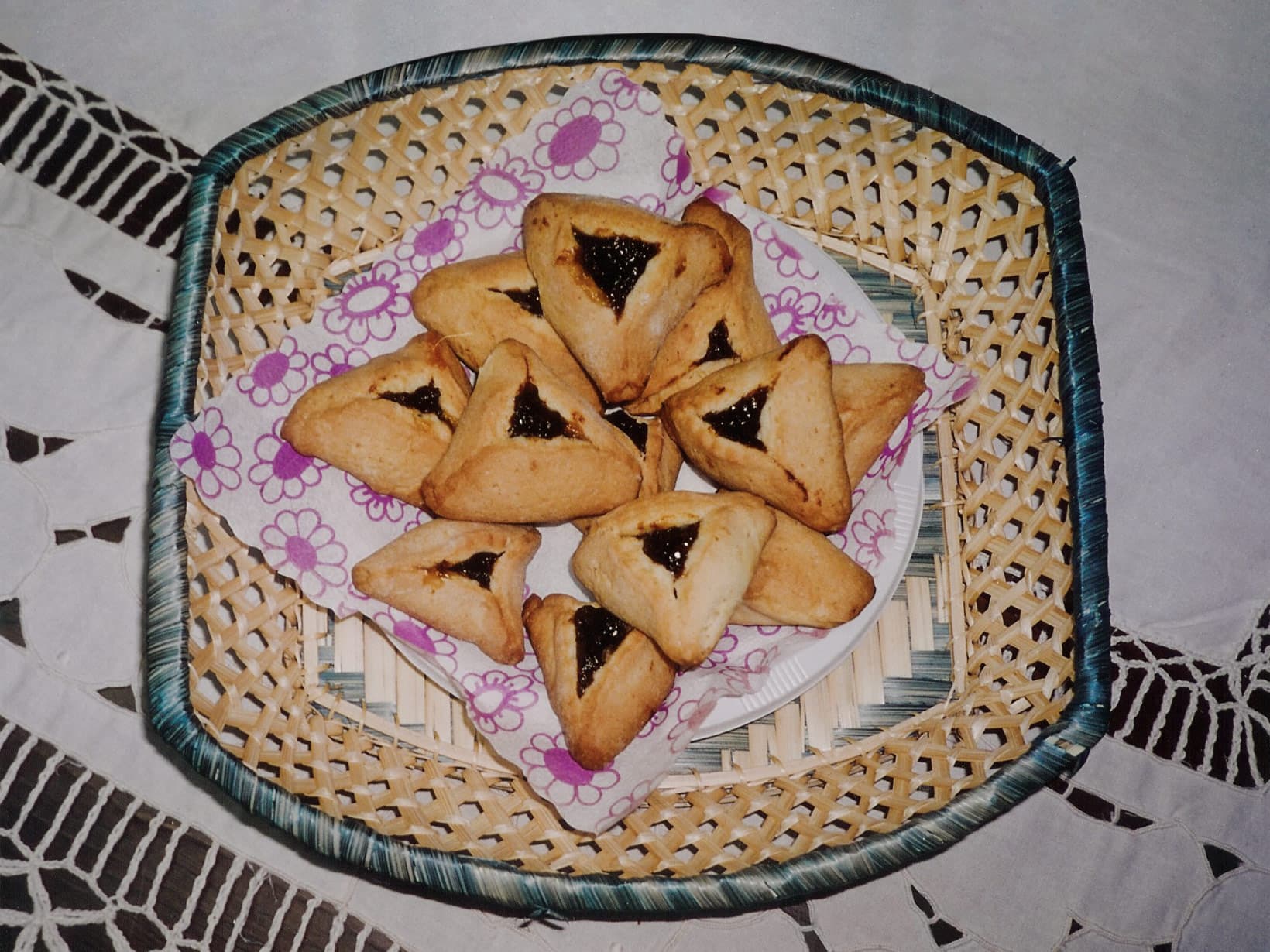
1861-1900 - Jewish-American communities celebrating Purim.
Hamantaschen are triangular filled pastries traditionally made for the Jewish holiday of Purim. Brought by Jewish-American communities in the 19th century, these pastries feature a variety of fillings and shapes symbolizing folklore tied to the festival.
Community-powered photos. Reviewers can upload dish photos, and the highest-rated community image may be featured here.
Difficulty
Medium
Prep time
30 minutes
Cook time
20 minutes
Total time
50 minutes
Servings
24 pastries
Region
New York City Lower East Side Jewish immigrant kitchens
Era introduced
1861-1900
Introduced by
Jewish-American communities celebrating Purim.
Recipe tools
Log in to save this recipe to a collection.
Hamantaschen became a hallmark dessert among Jewish-American communities during and following the Civil War period. These triangular pastries traditionally commemorate the Purim story, symbolizing the villain Haman. Fillings often include poppy seeds, prunes, and jams, reflecting Eastern European heritage adapted to local American ingredients. The recipe represents continuity of cultural identity through festive baking within immigrant Jewish populations.
Share family changes, regional twists, or pantry-friendly adaptations as full community recipes.
Log in to submit a community recipe.
No community recipes yet. Submitted recipes are published right away.
Rate this recipe and share how it worked at your table.
Log in to review this recipe.
No reviews yet. Be the first to rate this recipe.
Recipes matched by era, region, occasion, ingredients, and cultural roots from the archive.
Same era
America's Melting Pot
Army Bean Soup photo coming soon
1861-1900
A hearty military-style bean soup built on navy beans, smoked ham hock, onion, celery, carrot, and bay leaf, adapted for a home pot from large-batch service traditions.
1861-1900
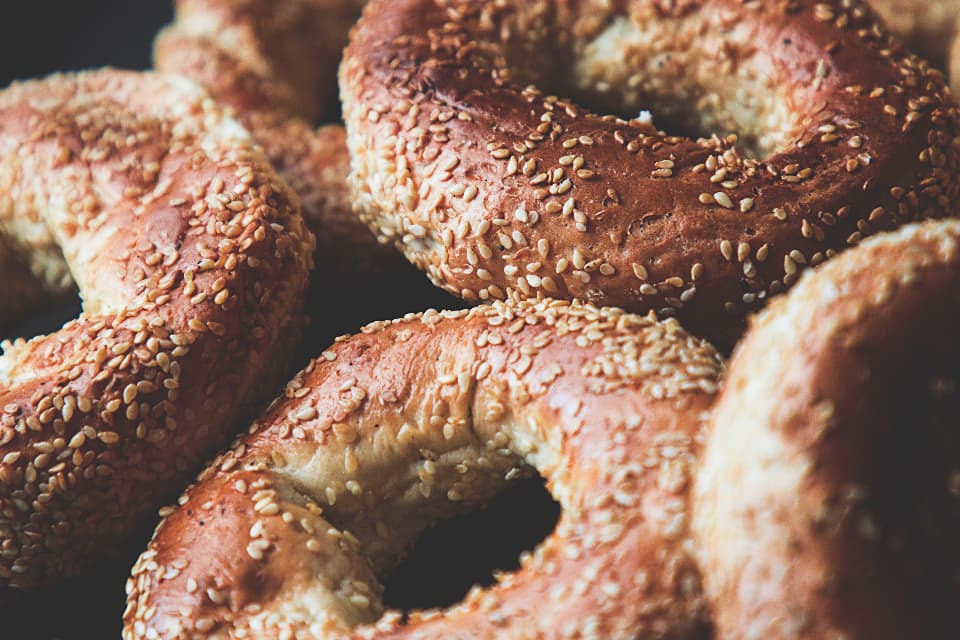
A basic homemade bagel recipe using high-protein flour, malt or brown sugar, a short boil, and a hot bake for chewy New York-style results.
America's Melting Pot
Bagels with Schmear photo coming soon
1861-1900
A deli-style bagel with a thick schmear of plain or scallion cream cheese, with optional onion, capers, tomato, and cucumber.
Same region
1880s-present
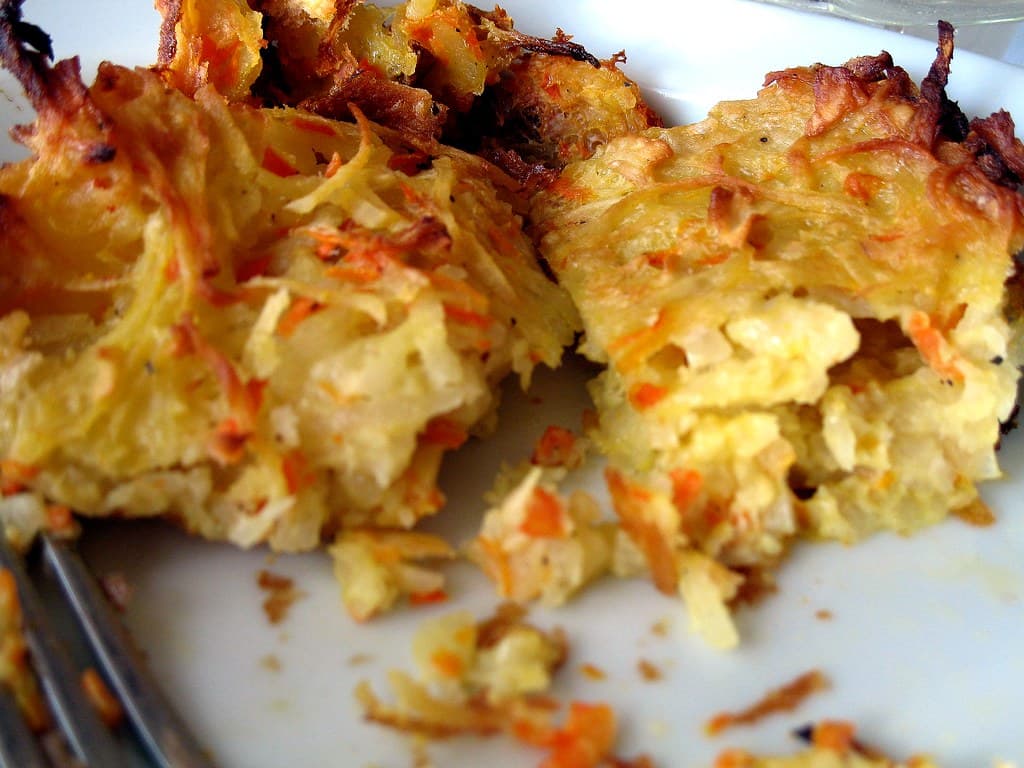
Kugel is a traditional Jewish casserole dish made with noodles or potatoes, baked with eggs and seasonings. It was brought to the United States by Jewish immigrants during the Civil War and Reconstruction era and became a staple at holiday meals and Shabbat dinners, showcasing Ashkenazi culinary heritage adapted to American ingredients.
1880s-present
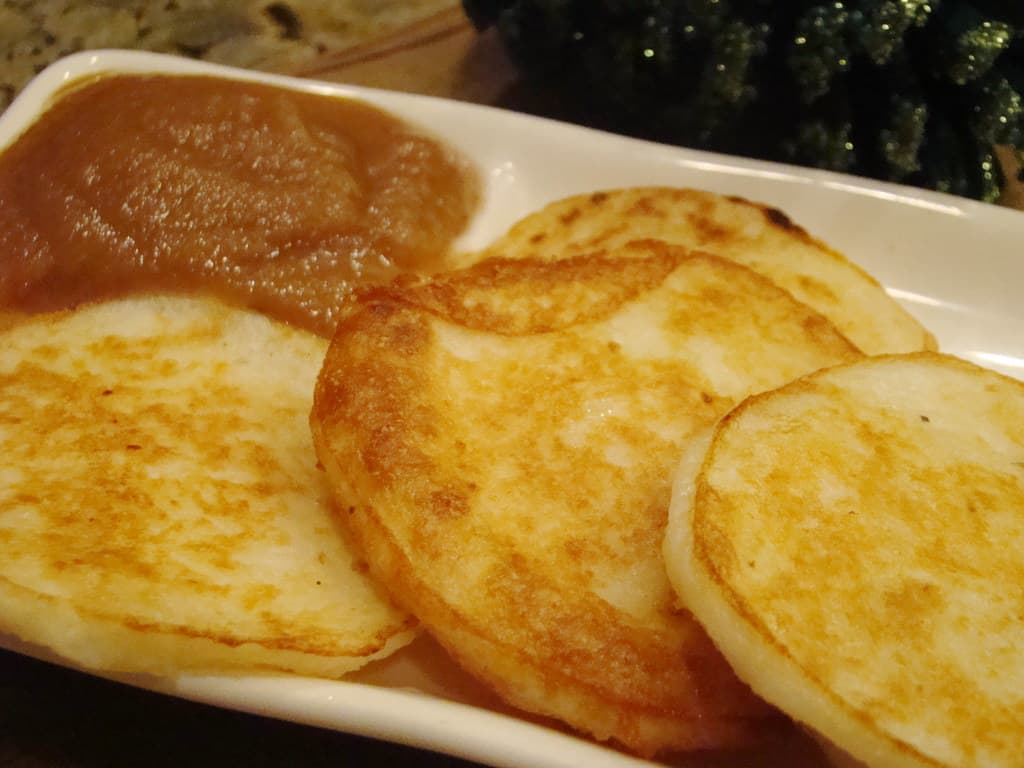
Latkes are fried potato pancakes traditionally served during Hanukkah, tracing back to Jewish communities of Eastern Europe. Brought to America by Jewish immigrants in the late 19th century, latkes symbolize cultural resilience and holiday observance, made from grated potatoes, onions, and eggs, fried to golden crispness and served with applesauce or sour cream.
America's Melting Pot
Matzo Ball Soup photo coming soon
1880s-present
A traditional Jewish-American soup featuring flavorful chicken broth and light matzo ball dumplings. This dish became an integral part of Jewish communities in the United States from the late 19th century onward.
Same table
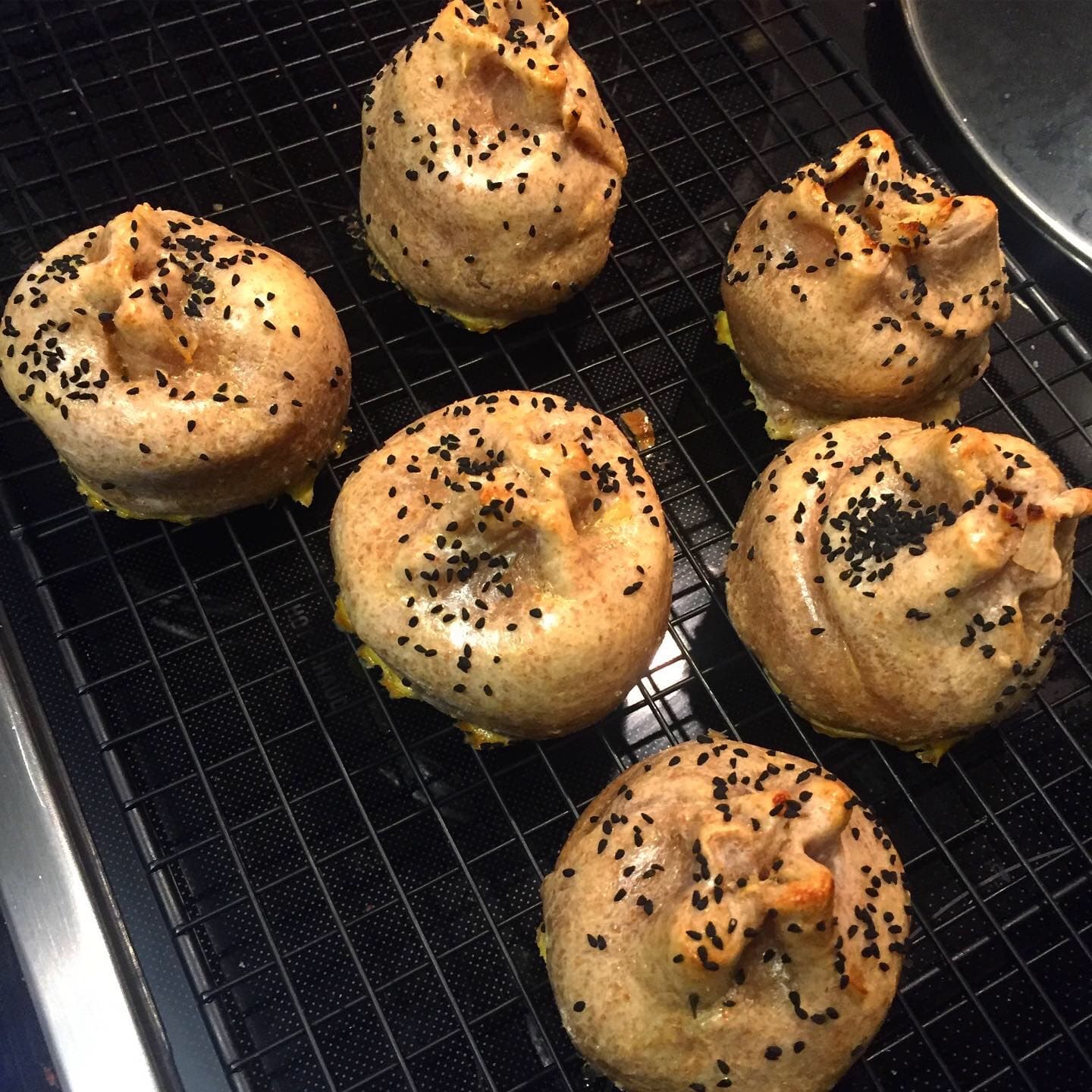
1861-1900
Knishes are baked or fried dough pockets traditionally filled with mashed potatoes, meat, or kasha, brought to America by Eastern European Jewish immigrants during the late 19th century. These portable snacks became popular in urban centers, symbolizing cultural heritage and adaptation in new environments.
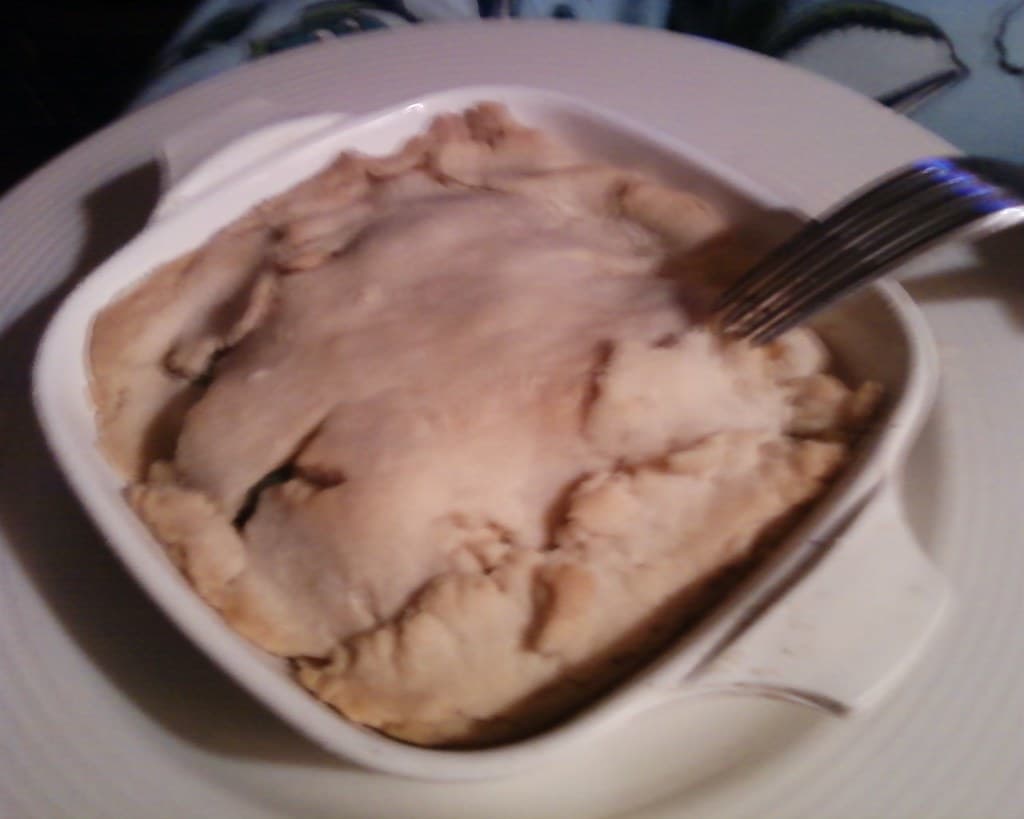
1700s-1800s
Chicken Pie is a hearty savory pie made with cooked chicken, vegetables, and a flaky pastry crust. Rooted in mid to late 19th-century railroad and boardinghouse cooking, it offered a portable, filling meal for workers and travelers during the Civil War and Reconstruction period, blending practicality with comforting flavors.
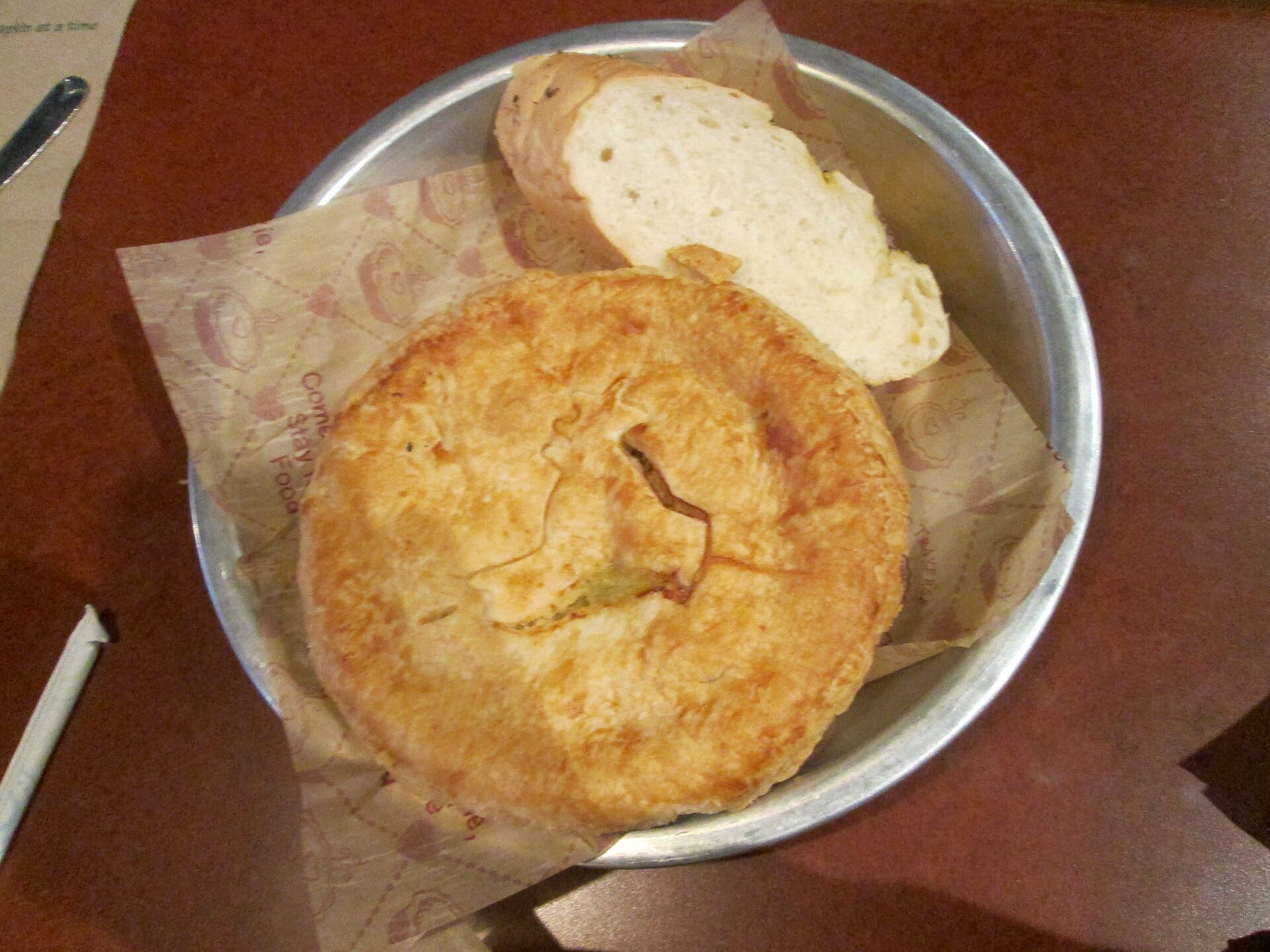
1800-1860
Chicken Pot Pie is a savory dish of chicken and vegetables enveloped in a flaky pastry crust. Emerging in New England and the Mid-Atlantic between 1800 and 1860, it provided a filling meal emphasizing local ingredients and baking traditions, symbolizing comfort food during early American settlement and immigration periods.