
Recipe archive
Loading
Setting the table...
Fetching the latest recipes from the archive.
Loading
Fetching the latest recipes from the archive.
Recipe archive
America's Melting Pot
Hoover Stew hero image coming soon
1930-1945 - Home cooks and community kitchens during the Great Depression in the United States.
Hoover Stew emerged during the Great Depression as a simple, affordable, and nourishing meal using available pantry staples. Named (sometimes colloquially) after President Hoover, it typifies Depression-era cooking that utilized minimal ingredients stretched for multiple servings. The stew often combines canned goods and inexpensive proteins to create a filling dish suited to hard times.
No featured photo yet. Upload a photo with your review. The highest-rated community photo may become this recipe's hero image.
Difficulty
Easy
Prep time
10 minutes
Cook time
30 minutes
Total time
40 minutes
Servings
6
Region
New York and Chicago Depression relief kitchens and Hooverville camp cooking
Era introduced
1930-1945
Introduced by
Home cooks and community kitchens during the Great Depression in the United States.
Recipe tools
Log in to save this recipe to a collection.
Hoover Stew gained recognition as a frugal yet satisfying stew during the economic hardship of the 1930s Great Depression. Households relied on canned goods like tomatoes, beans, and inexpensive meats to prepare meals that nourished despite scarce resources. The dish reflects ingenuity in American home cooking, making the most of limited ingredients while feeding families. Recipes for Hoover Stew circulated in community cookbooks and wartime kitchens from roughly 1930 to 1945.
Share family changes, regional twists, or pantry-friendly adaptations as full community recipes.
Log in to submit a community recipe.
No community recipes yet. Submitted recipes are published right away.
Rate this recipe and share how it worked at your table.
Log in to review this recipe.
No reviews yet. Be the first to rate this recipe.
Recipes matched by era, region, occasion, ingredients, and cultural roots from the archive.
Same era
America's Melting Pot
Army Chili photo coming soon
1930-1945
A practical ground-beef chili with beans, tomatoes, onion, chili powder, cumin, and paprika, adapted from Armed Forces chili con carne formulas for a family pot.
America's Melting Pot
Chicken Noodle Soup photo coming soon
1934-present
Chicken Noodle Soup is a comforting one-pot dish made by simmering chicken, vegetables, broth, and egg noodles into a nourishing soup. A staple across American kitchens for generations, it highlights simplicity, warmth, and adaptability in soups and stews throughout the country's culinary evolution.
America's Melting Pot
Chocolate Cake for a Crowd photo coming soon
1930s-1945
Chocolate Cake for a Crowd is a dessert designed to serve many people economically during the Depression and World War II eras (1930-1945). This cake reflects military and mess hall kitchens' need for practical, filling, and easily produced sweets using limited ingredients. Its simple yet rich chocolate flavor made it a favorite for community events, schools, and military gatherings where feeding large numbers was essential.
Same region
America's Melting Pot
Depression Soup photo coming soon
1929-1939
Depression soup is a simple, hearty soup made from inexpensive vegetables, beans, and pantry staples to stretch limited resources. Rooted in 1930s and 1940s home cooking, it embodies the resourcefulness of families coping with economic hardship.
America's Melting Pot
Grilled Chicken Salad photo coming soon
1990s-present
Grilled Chicken Salad became popular in American suburbs and coffee shops during the 1990s-2000s as a health-oriented dish. Featuring marinated grilled chicken over mixed greens with fresh vegetables and vinaigrette, it is common at Super Bowl gatherings and casual dining venues.
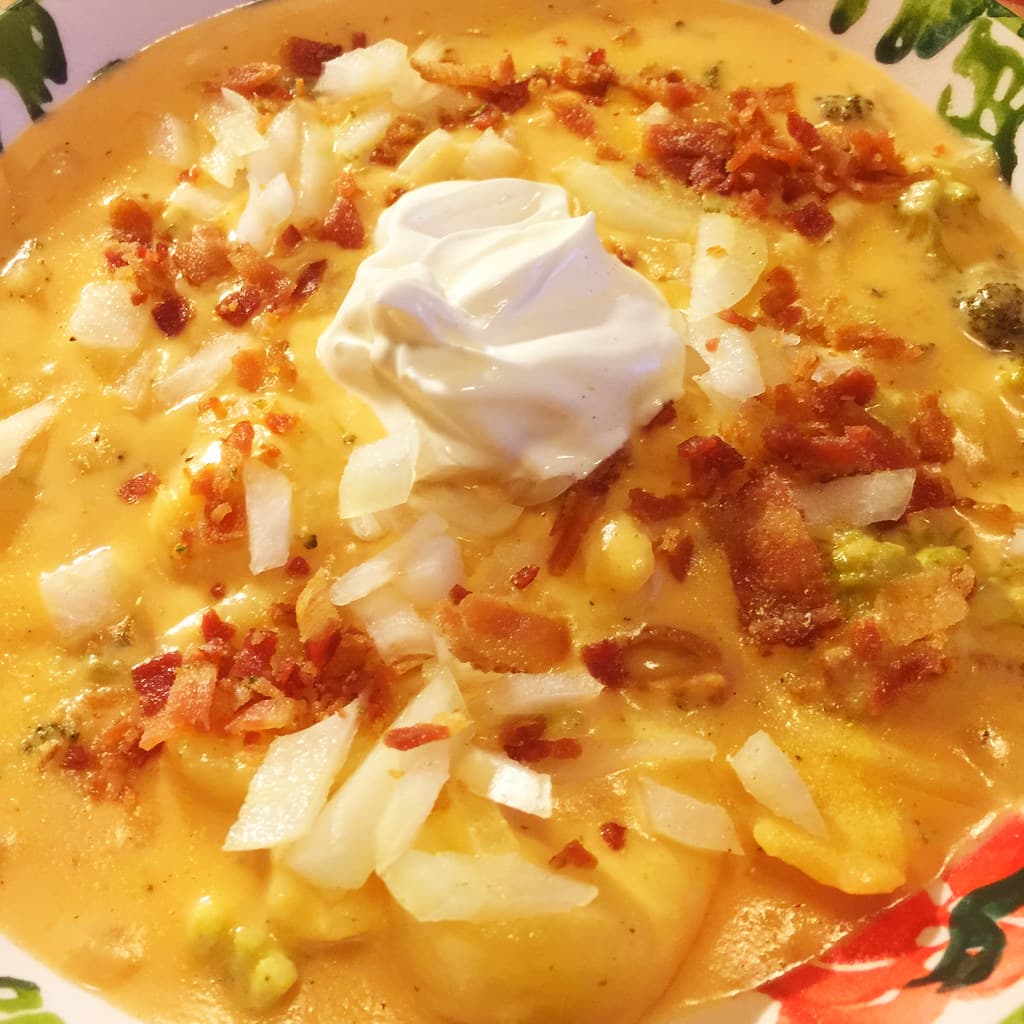
1990s-present
Loaded baked potato soup is a creamy and hearty soup featuring potatoes, cheese, bacon, and green onions, inspired by the flavors of the loaded baked potato. It grew in popularity in family restaurants and casual eateries across the U.S. during the 1990s and 2000s.
Same table
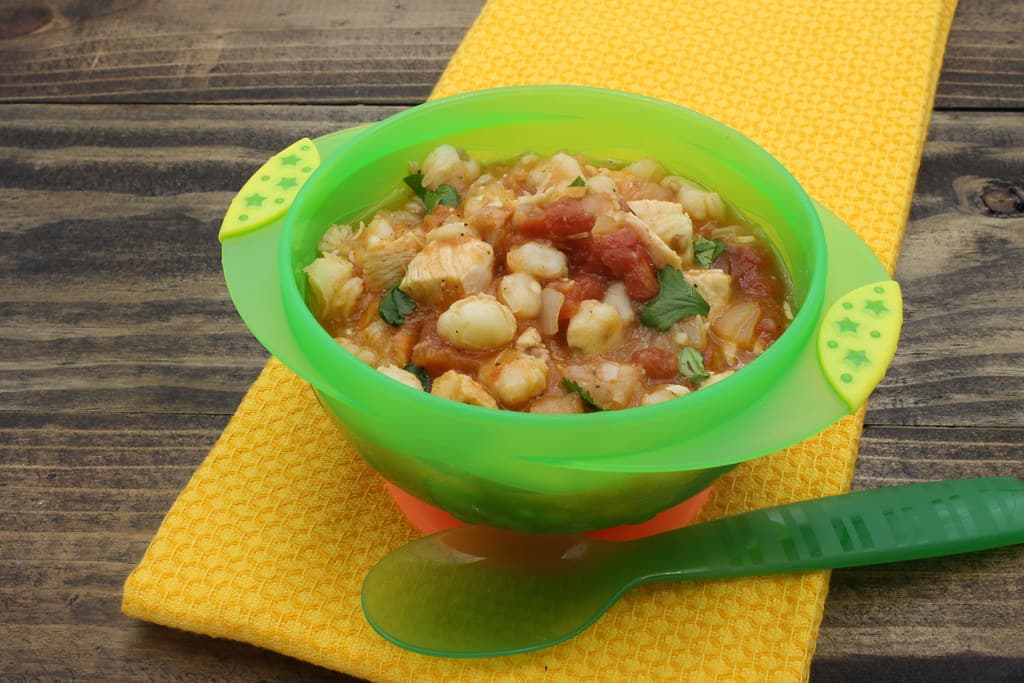
pre-1776-present
Hominy stew is a traditional Indigenous American dish combining hominy with meat and vegetables to create a hearty, nourishing meal. This recipe reflects how Indigenous foodways influenced American cooking during the 1800-1860 period, using local ingredients and slow cooking methods.
America's Melting Pot
Hotdish photo coming soon
1900-1929
Hotdish is a type of casserole popular in the American Midwest, especially associated with community gatherings, church suppers, and state fairs during the early 20th century. Combining a starch, protein (often ground meat or tuna), canned soup, and vegetables, it exemplifies economical, filling cuisine typical of immigrant and rural communities from 1900 to 1929.
America's Melting Pot
Pepper Pot Soup photo coming soon
1800-1860
Pepper Pot Soup is a thick, flavorful stew with a peppery kick, traditionally made with beef tripe or other meats, vegetables, and spices. Popular in New England and the Mid-Atlantic during the early 19th century, it reflects immigrant and regional culinary influences.