
Recipe archive
Loading
Setting the table...
Fetching the latest recipes from the archive.
Loading
Fetching the latest recipes from the archive.
Recipe archive
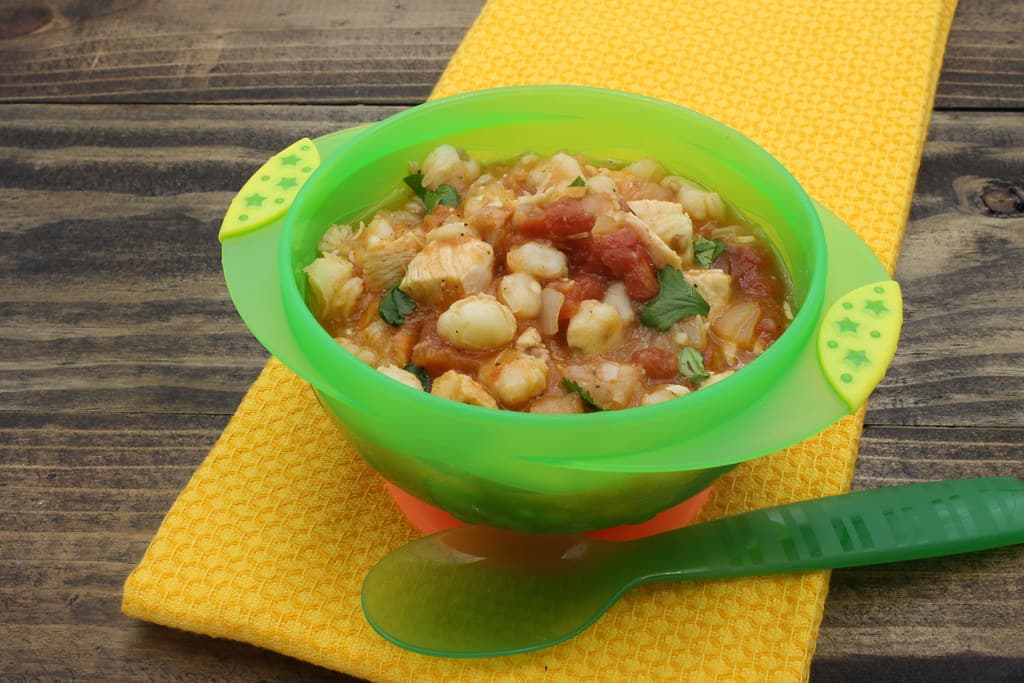
Before 1776 - Indigenous American communities and regional home cooks adapting traditional ingredients.
Hominy stew is a traditional Indigenous American dish combining hominy with meat and vegetables to create a hearty, nourishing meal. This recipe reflects how Indigenous foodways influenced American cooking during the 1800-1860 period, using local ingredients and slow cooking methods.
Community-powered photos. Reviewers can upload dish photos, and the highest-rated community image may be featured here.
Difficulty
Medium
Prep time
25 minutes
Cook time
2 hours
Total time
2 hours 25 minutes
Servings
6
Region
Eastern Woodlands Native and Southern Appalachian hominy kitchens
Era introduced
Before 1776
Introduced by
Indigenous American communities and regional home cooks adapting traditional ingredients.
Recipe tools
Log in to save this recipe to a collection.
Hominy stew combines the staple of processed corn kernels with locally available meats and vegetables to create a filling soup or stew signature to Indigenous American cuisine and early American frontier cooking. Its hearty nature made it ideal for sustenance across seasons. The recipe demonstrates the blending of Indigenous tradition with settler adaptations during the period of 1800 to 1860.
Share family changes, regional twists, or pantry-friendly adaptations as full community recipes.
Log in to submit a community recipe.
No community recipes yet. Submitted recipes are published right away.
Rate this recipe and share how it worked at your table.
Log in to review this recipe.
No reviews yet. Be the first to rate this recipe.
Recipes matched by era, region, occasion, ingredients, and cultural roots from the archive.
Same era
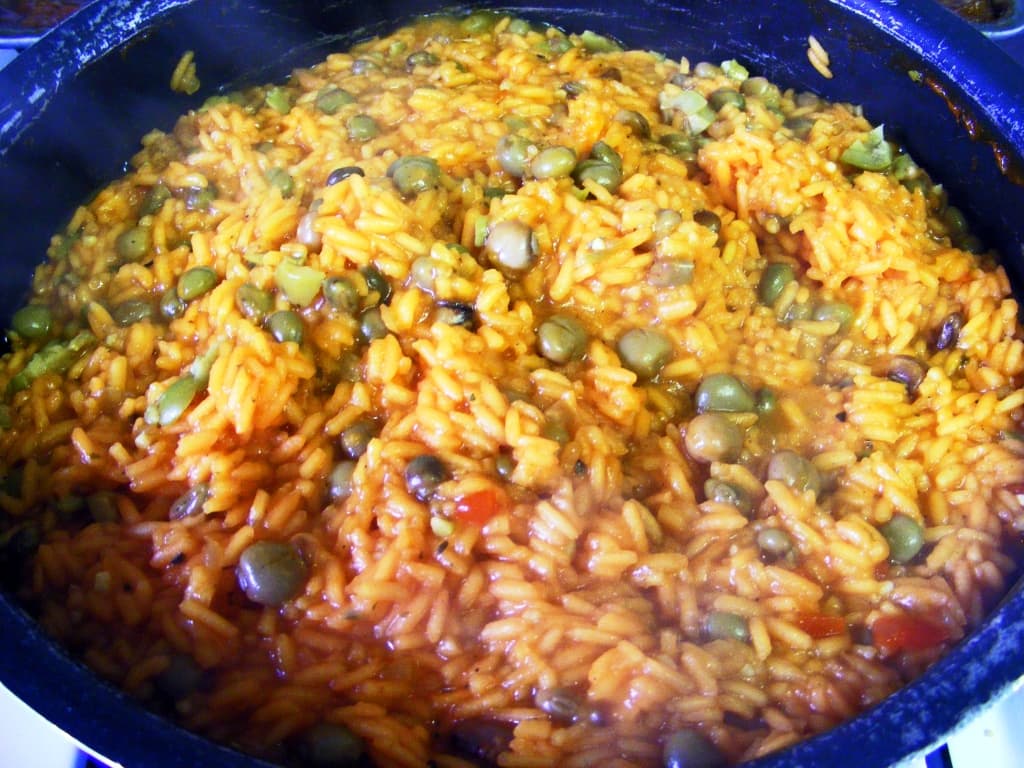
1500s-present
A Puerto Rican arroz con gandules made in one pot with medium-grain rice, pigeon peas, sofrito, sazon, pork, olives, and a patient steam for fluffy grains and coveted pegao.
America's Melting Pot
Chokecherry Sauce photo coming soon
pre-1776-present
Chokecherry Sauce is a tart and flavorful condiment made from the chokecherry fruit, historically prepared by Indigenous American peoples across the United States from the early 19th century. This sauce functions as an accompaniment to game meats and poultry, showcasing native foraging and preservation techniques during the Expansion and Young Republic period. It exemplifies Indigenous foodways adapted to settler tables while maintaining cultural culinary heritage.
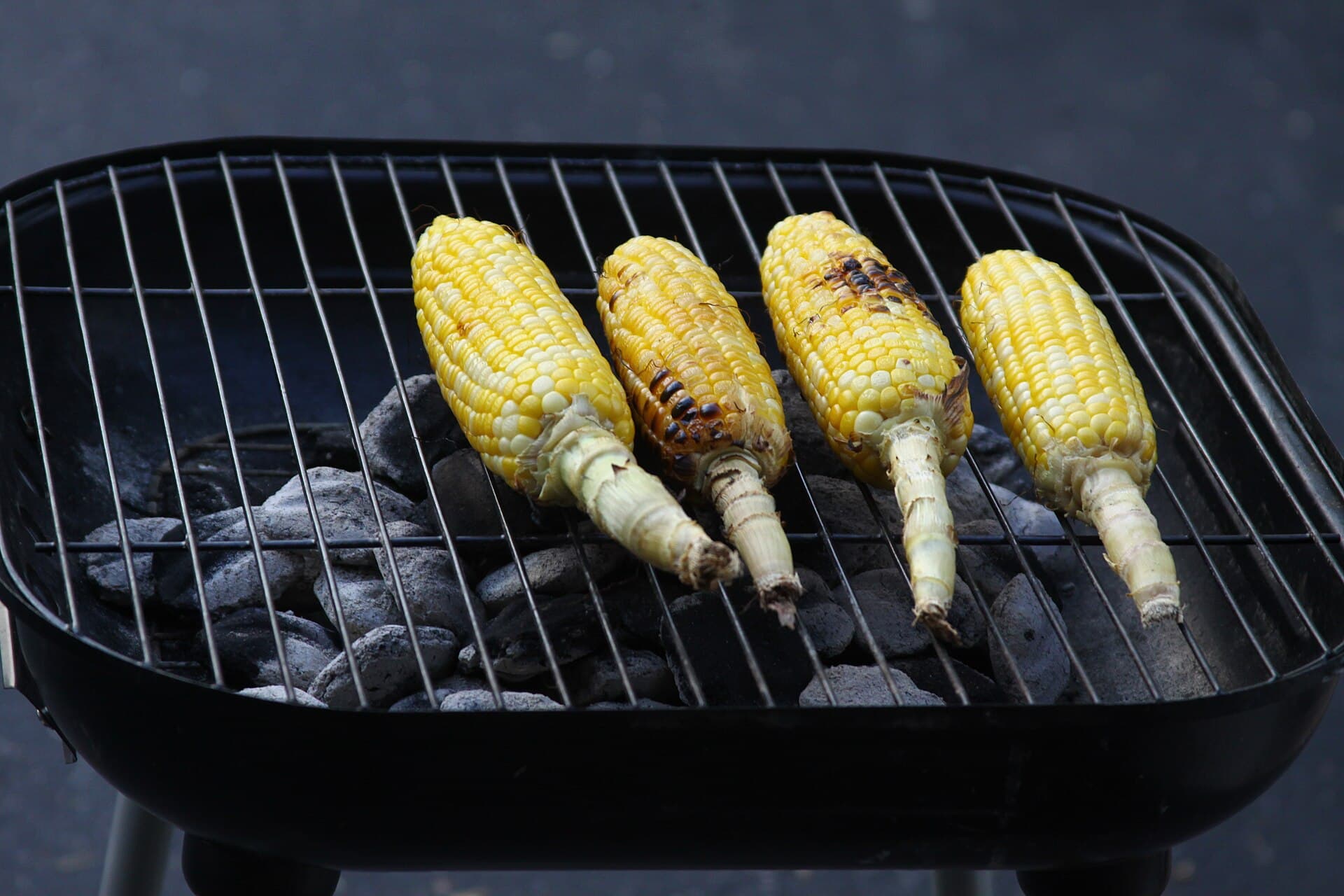
pre-1776-present
Corn on the cob is a simple, beloved summer side dish traditionally enjoyed at Fourth of July celebrations and backyard cookouts across the United States. Boiled or grilled fresh corn with butter and salt has long been a staple of American holiday tables.
Same region
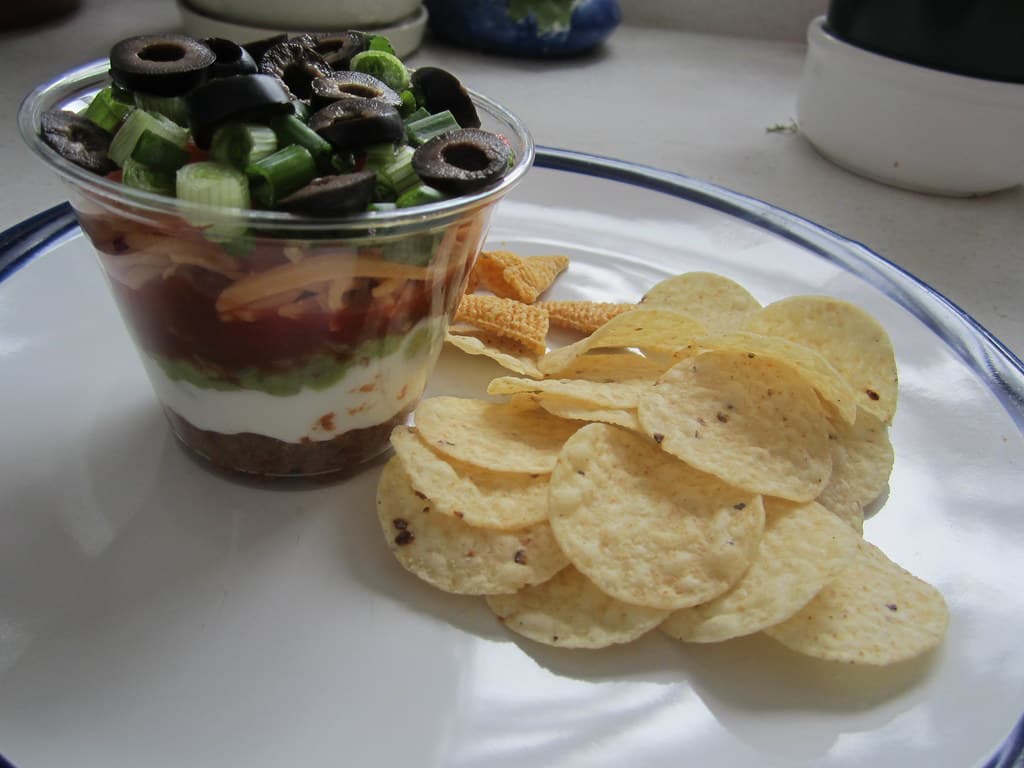
1900s-present
7-Layer Dip is a party dip with real American table personality: Tex-Mex party dish. It brings flavor from Texas and the Southwest to cookouts, counters, lunch plates, potlucks, and weeknight suppers.
America's Melting Pot
Air Fryer Pickles photo coming soon
2010-2026
Dill pickle chips breaded with seasoned panko and air-fried into a tangy, crunchy snack.
America's Melting Pot
Alabama White Sauce photo coming soon
1700s-present
Alabama White Sauce is a barbecue sauce with real American table personality: Mayonnaise-based sauce strongly associated with Big Bob Gibson Bar-B-Q and northern Alabama chicken barbecue. It brings flavor from the American South to cookouts, counters, lunch plates, potlucks, and weeknight suppers.
Same table
America's Melting Pot
Hoover Stew photo coming soon
1929-1939
Hoover Stew emerged during the Great Depression as a simple, affordable, and nourishing meal using available pantry staples. Named (sometimes colloquially) after President Hoover, it typifies Depression-era cooking that utilized minimal ingredients stretched for multiple servings. The stew often combines canned goods and inexpensive proteins to create a filling dish suited to hard times.
America's Melting Pot
Hominy photo coming soon
1776-1800
Hominy is dried maize kernels treated with an alkali to remove the hull and germ, a process known as nixtamalization. It has been a staple food for Indigenous peoples in North America and later incorporated widely into American cooking. This versatile ingredient appears in many traditional dishes across different regions, valued for its unique texture and nutritional content.
America's Melting Pot
Frogmore Stew photo coming soon
1970-1989
Frogmore Stew is a one-pot Southern boil including shrimp, sausage, corn, and potatoes simmered with spices. Popular since the 1970s as a casual regional meal for gatherings and tailgates.