
Recipe archive
Loading
Setting the table...
Fetching the latest recipes from the archive.
Loading
Fetching the latest recipes from the archive.
Recipe archive
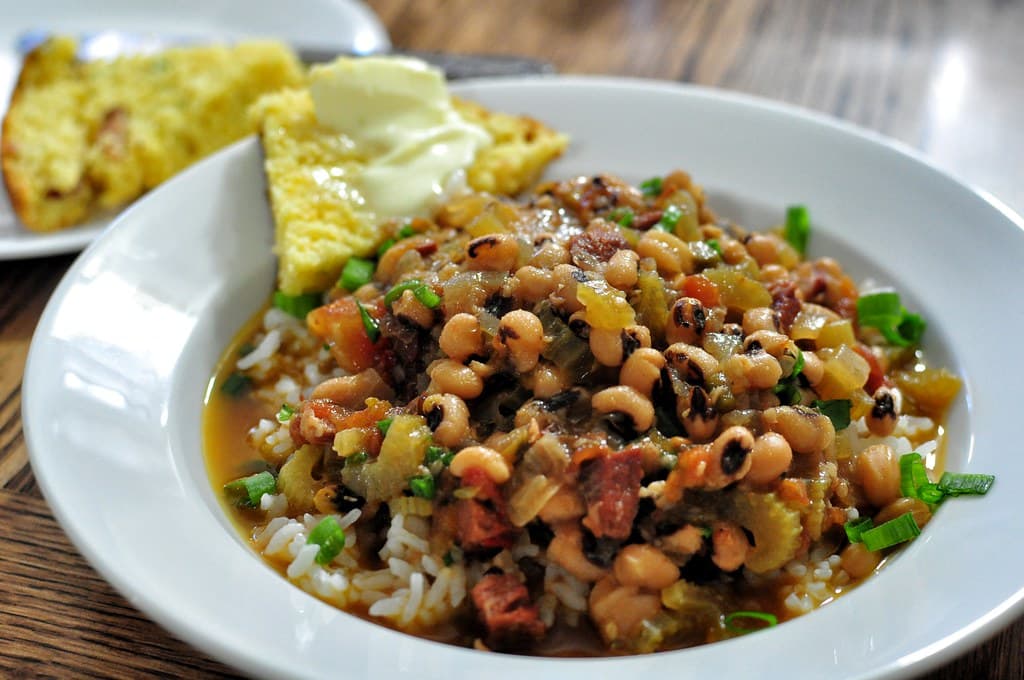
Founding Era - Enslaved West Africans and Lowcountry rice cooks
A Lowcountry rice and black-eyed pea dish tied to Southern New Year tables, pork seasoning, and African-influenced foodways.
Community-powered photos. Reviewers can upload dish photos, and the highest-rated community image may be featured here.
Difficulty
Moderate
Prep time
20 minutes plus soaking
Cook time
1 hour 30 minutes
Total time
About 2 hours plus soaking
Servings
6
Region
Lowcountry and the American South
Era introduced
Founding Era
Introduced by
Enslaved West Africans and Lowcountry rice cooks
Recipe tools
Log in to save this recipe to a collection.
Hoppin' John reflects the braided foodways of the South: rice agriculture, African culinary knowledge, pork seasoning, and New Year's symbolism. It is humble, celebratory, and enduring.
Share family changes, regional twists, or pantry-friendly adaptations as full community recipes.
Log in to submit a community recipe.
No community recipes yet. Submitted recipes are published right away.
Rate this recipe and share how it worked at your table.
Log in to review this recipe.
No reviews yet. Be the first to rate this recipe.
Recipes matched by era, region, occasion, ingredients, and cultural roots from the archive.
Same era
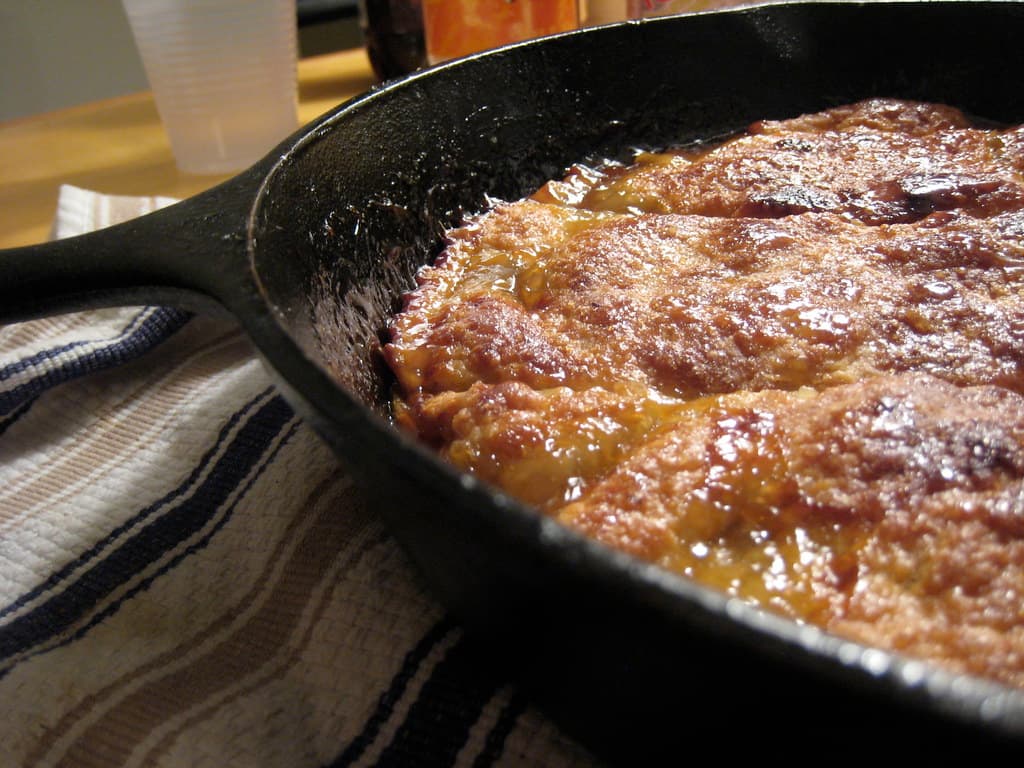
1700s-present
Sliced apples baked under a pastry or biscuit crust that is broken into the juices as it bakes.
America's Melting Pot
Chokecherry Jelly photo coming soon
1600s-present
Chokecherry Jelly is a preserve with real American table personality: Plains, Mountain West, and Indigenous/settler preserving tradition. It brings flavor from coast-to-coast American tables to cookouts, counters, lunch plates, potlucks, and weeknight suppers.
America's Melting Pot
Cranberry Orange Relish photo coming soon
1600s-present
Cranberry Orange Relish is a preserve with real American table personality: Holiday table condiment. It brings flavor from New England to cookouts, counters, lunch plates, potlucks, and weeknight suppers.
Same region
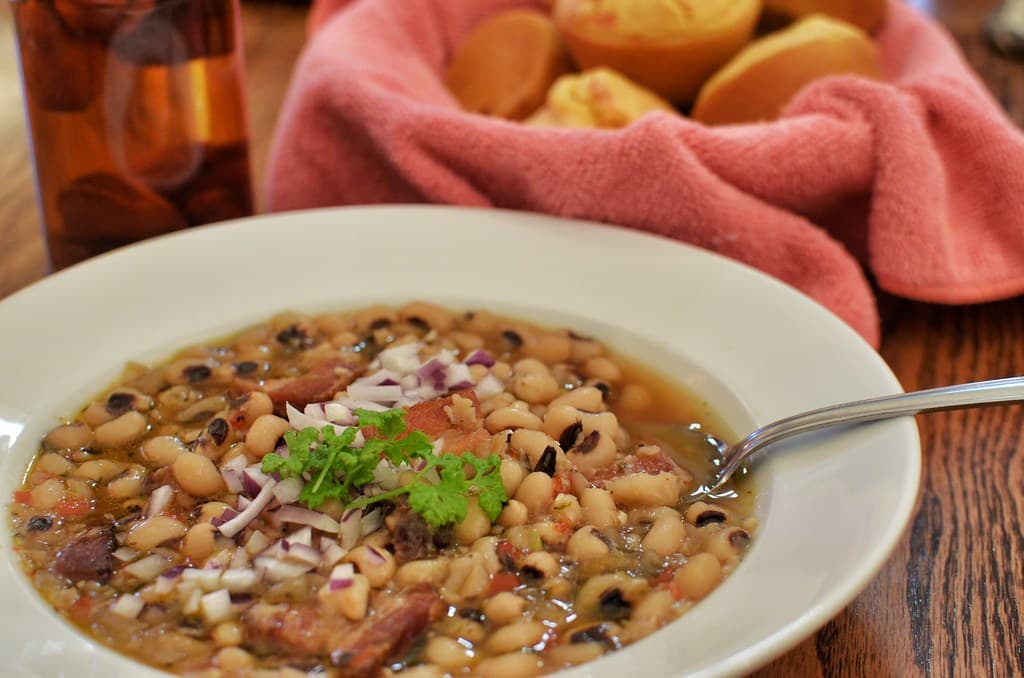
1700-2026
Black-eyed peas carry West African, Southern, and Gullah Geechee food history. They became a New Year good-luck dish across the South, especially when served with greens, cornbread, or rice as Hoppin John.
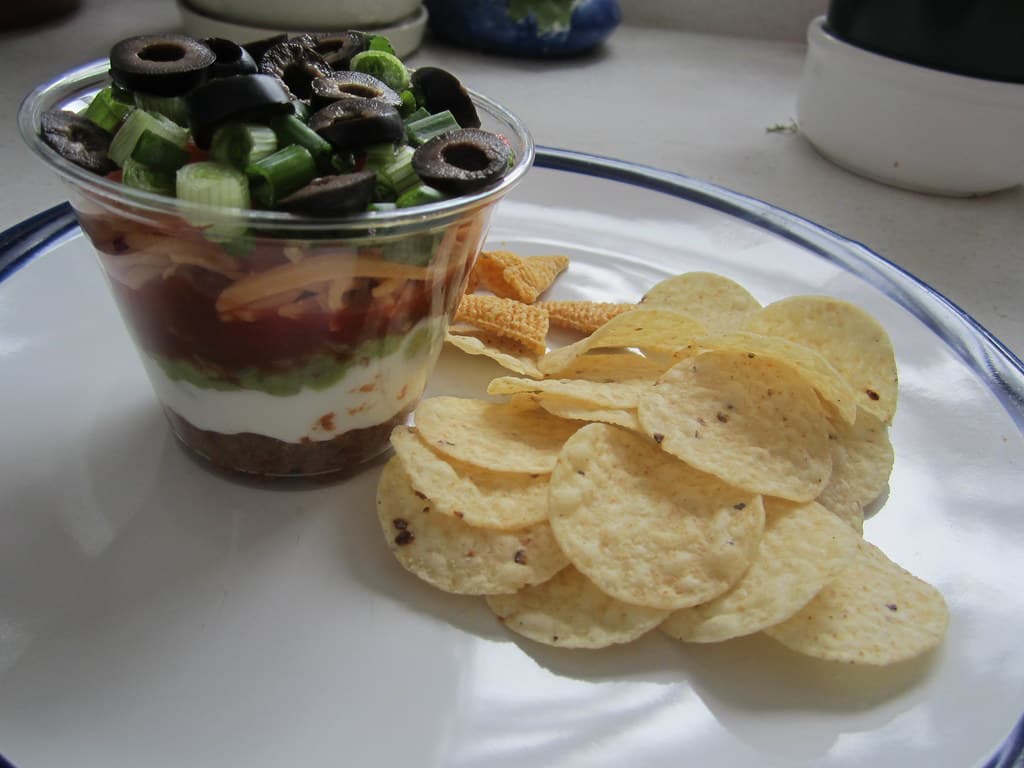
1900s-present
7-Layer Dip is a party dip with real American table personality: Tex-Mex party dish. It brings flavor from Texas and the Southwest to cookouts, counters, lunch plates, potlucks, and weeknight suppers.
America's Melting Pot
Acorn Bread photo coming soon
1800-1860
A nutty, lightly sweet quick bread made with properly leached acorn flour, cornmeal, and wheat flour.
Same table
1700-2026
Black-eyed peas carry West African, Southern, and Gullah Geechee food history. They became a New Year good-luck dish across the South, especially when served with greens, cornbread, or rice as Hoppin John.
America's Melting Pot
Boardinghouse Meatloaf photo coming soon
1861-1900
Boardinghouse meatloaf fits kitchens that had to feed many people from affordable ingredients. Ground meat, binders, vegetables, and a sweet-tangy glaze made a loaf that sliced neatly, stretched well, and reheated for leftovers.
America's Melting Pot
Beef and Noodles photo coming soon
1861-1900
Beef and noodles is plainspoken comfort food: slow-cooked beef, rich broth, and egg noodles served as a main dish or over mashed potatoes. It fits the railroad, boardinghouse, and settlement table because it stretches a roast into a filling meal and reflects German and Amish noodle traditions carried into the Midwest and Great Plains.