
Recipe archive
Loading
Setting the table...
Fetching the latest recipes from the archive.
Loading
Fetching the latest recipes from the archive.
Recipe archive
America's Melting Pot
Acorn Bread hero image coming soon
1800-1860 - Indigenous American acorn-processing communities
A nutty, lightly sweet quick bread made with properly leached acorn flour, cornmeal, and wheat flour.
No featured photo yet. Upload a photo with your review. The highest-rated community photo may become this recipe's hero image.
Difficulty
Moderate
Prep time
25 minutes, plus acorn flour leaching if making from whole acorns
Cook time
35 minutes
Total time
1 hour, plus leaching time
Servings
8 slices
Region
Oak-growing regions of North America
Era introduced
1800-1860
Introduced by
Indigenous American acorn-processing communities
Recipe tools
Log in to save this recipe to a collection.
Acorns fed Indigenous communities across many oak-growing parts of North America long before the United States existed. The key work is not the baking but the preparation: acorns must be shelled, ground, and leached until their bitter tannins are removed. This archive version is a modern quick bread, not a claim to one tribal recipe. It uses prepared acorn flour with cornmeal and wheat flour so home cooks can taste the earthy, chestnut-like flavor while treating the ingredient with care.
Share family changes, regional twists, or pantry-friendly adaptations as full community recipes.
Log in to submit a community recipe.
No community recipes yet. Submitted recipes are published right away.
Rate this recipe and share how it worked at your table.
Log in to review this recipe.
No reviews yet. Be the first to rate this recipe.
Recipes matched by era, region, occasion, ingredients, and cultural roots from the archive.
Same era
1800-1860
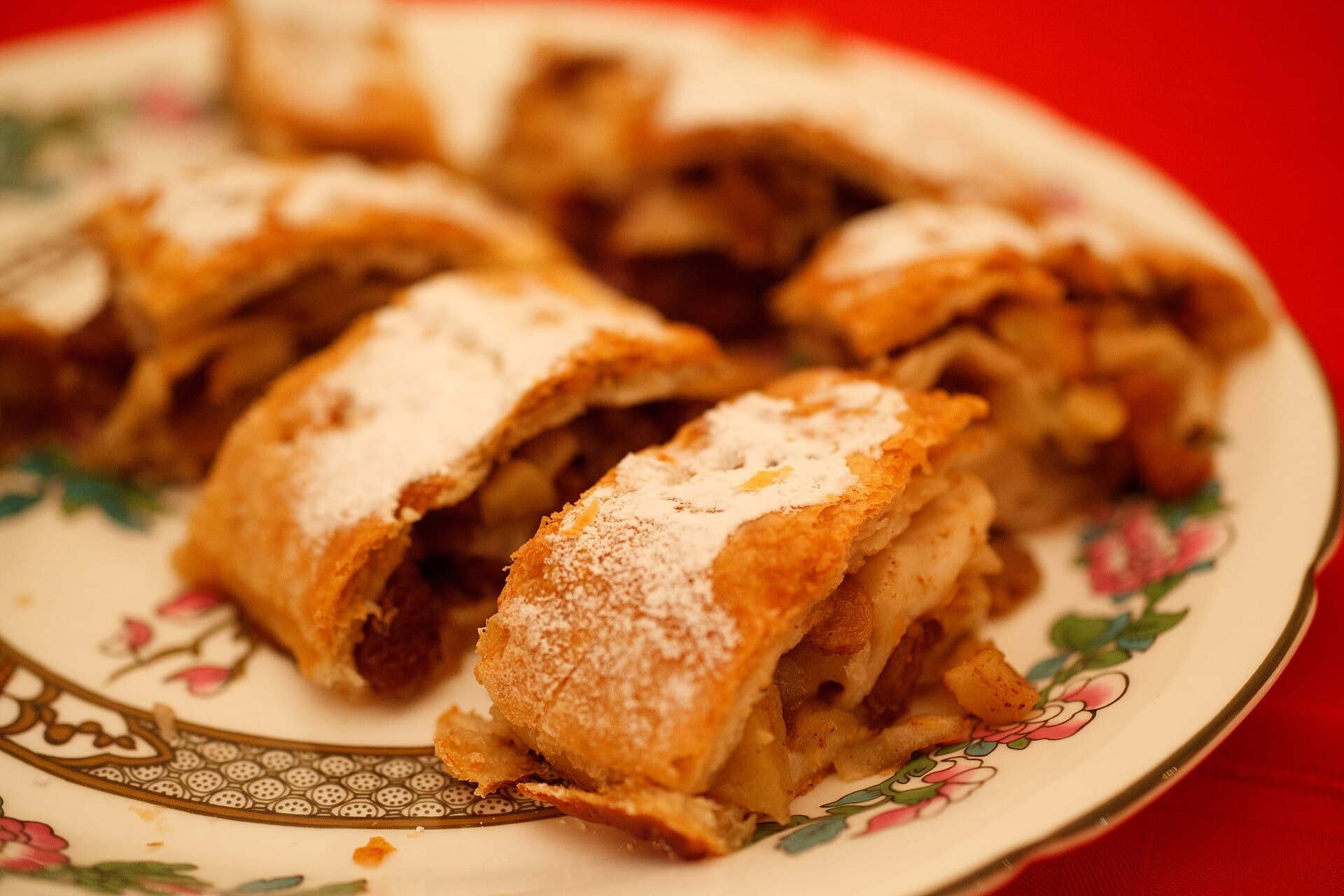
A German-American apple strudel made with crisp apples, raisins, cinnamon, buttered crumbs, and flaky phyllo for a practical home version of a Central European pastry.
America's Melting Pot
Asparagus photo coming soon
1800s/early 1900s-present
A bright American Easter asparagus side, quickly cooked and dressed with lemon butter, herbs, and hard-cooked egg in the spirit of old spring-table recipes.
1800s-present
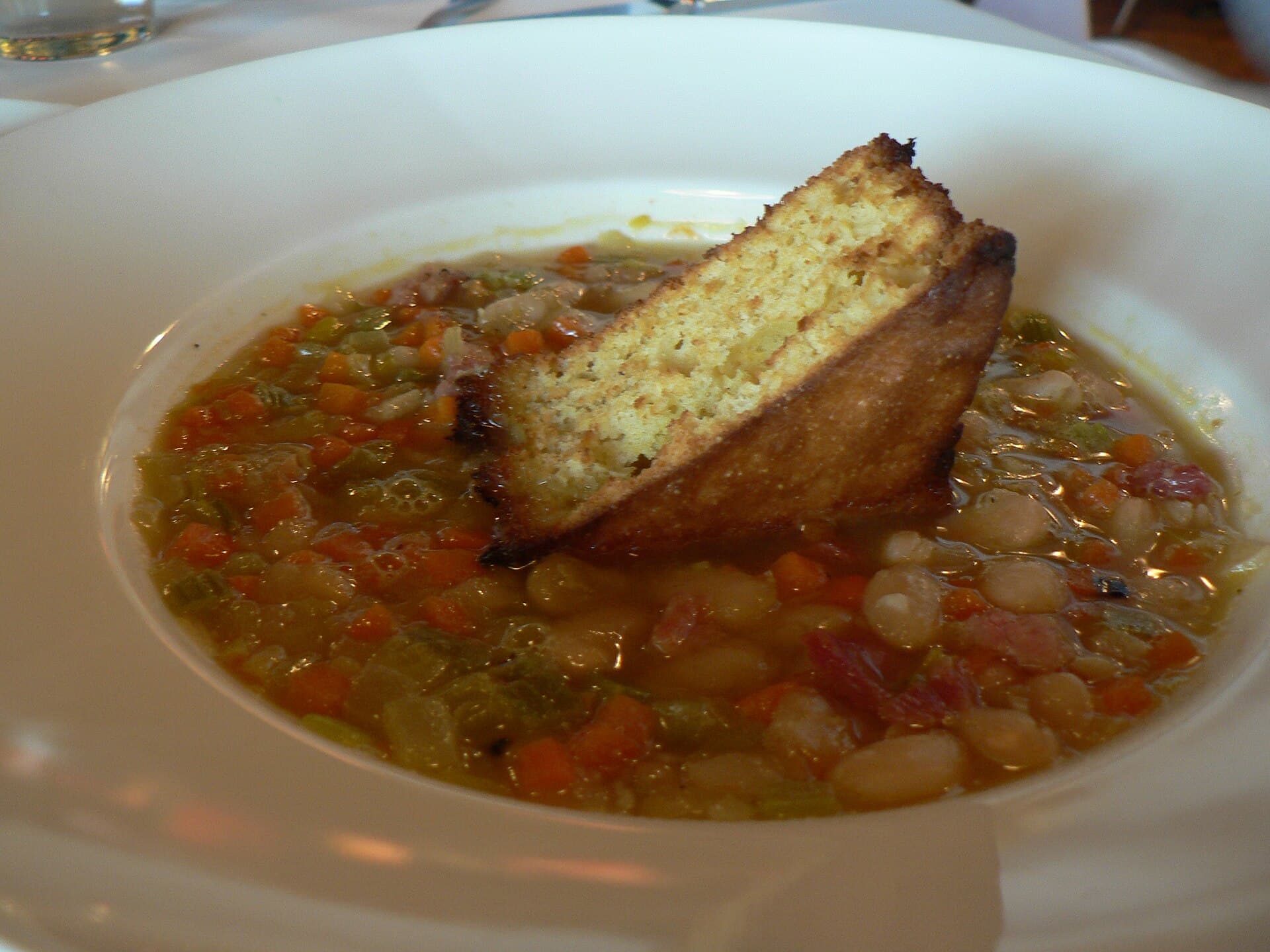
Bean soup is a humble American constant: inexpensive dried beans, water or stock, onion, and a ham bone when one was available. During hard times, that kind of pot could stretch flavor and protein across several meals. The U.S. Senate version made navy bean soup famous, but home kitchens kept it practical.
Same region
America's Melting Pot
Canned Oyster Stew photo coming soon
1860-2026
Oyster stew has long been part of American coastal, holiday, and Lenten cooking. Canned oysters made the dish possible far from oyster beds and useful for military, railroad, boardinghouse, and pantry meals.
1700-2026
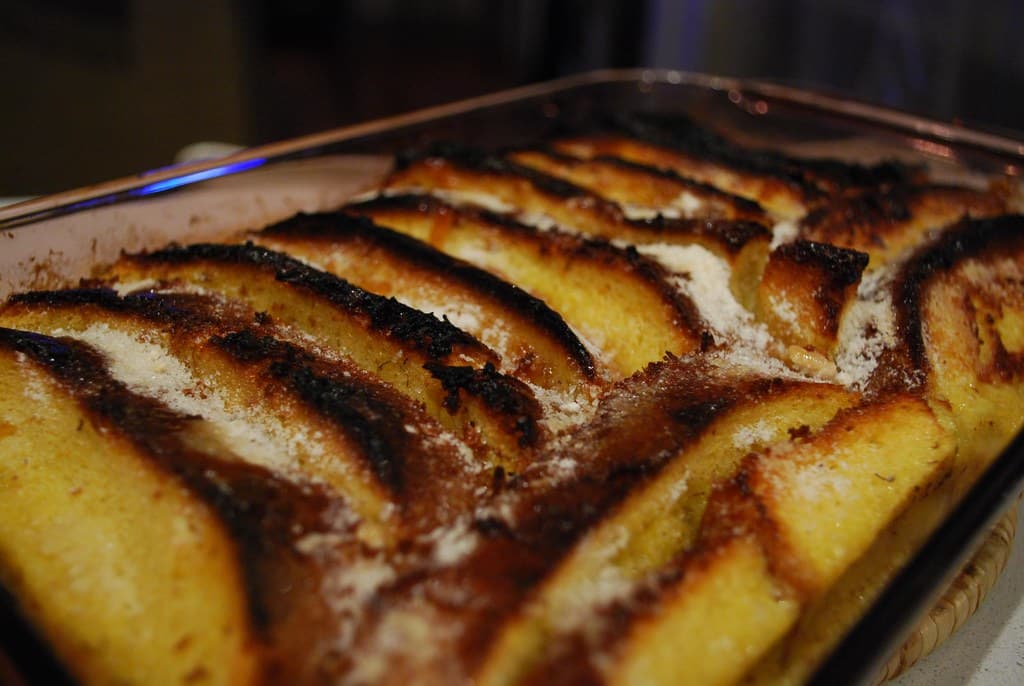
Bread pudding is one of the clearest examples of kitchen thrift becoming comfort food. English colonists brought bread-and-custard pudding habits to America, where cooks used stale bread, milk, eggs, sugar, and spices to make a dessert from leftovers.
1700-2026
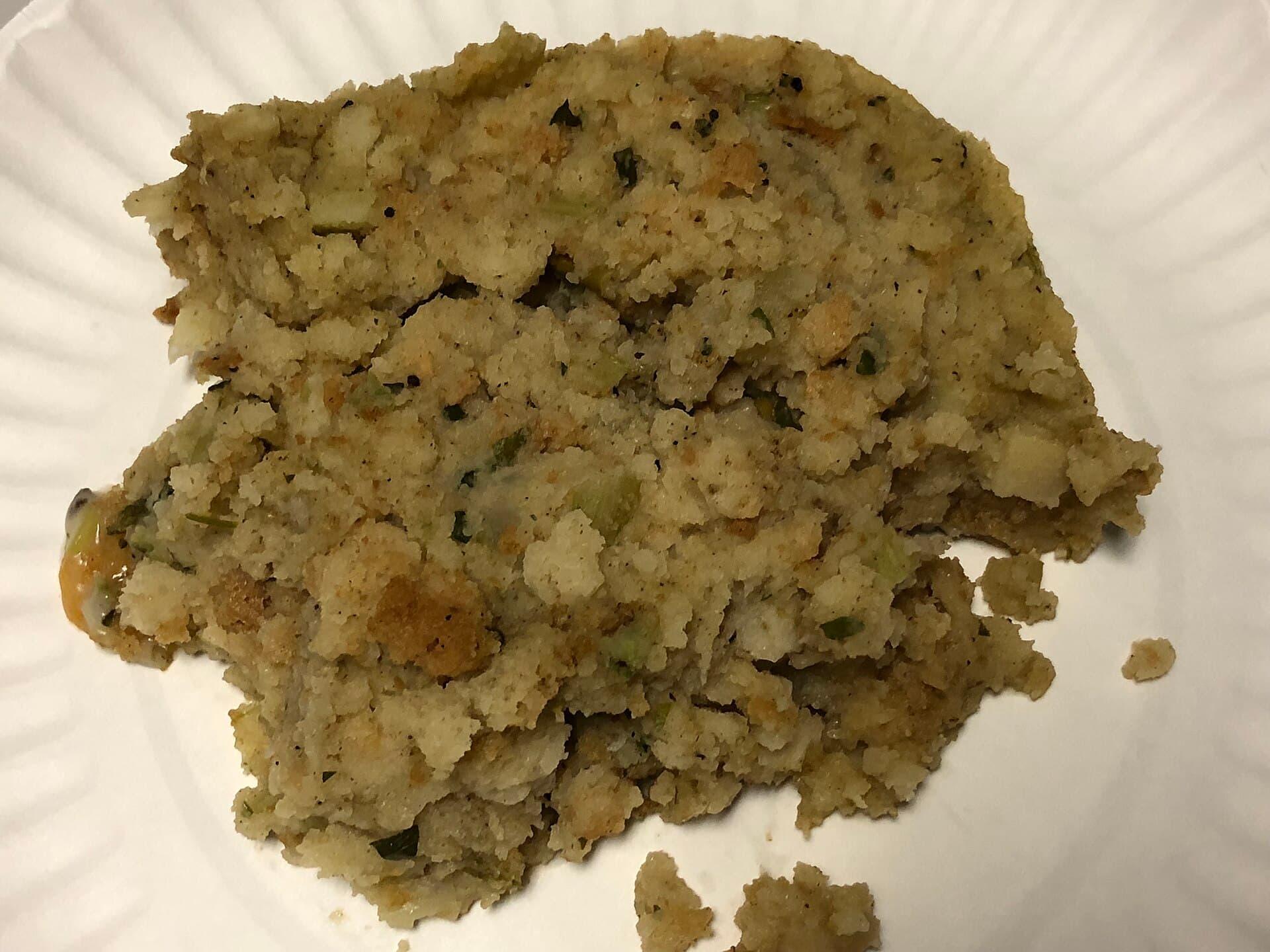
Bread stuffing is the Thanksgiving workhorse that turns stale bread into the part of the plate many people reach for first. Whether cooked inside the bird or baked separately as dressing, the core American formula is bread, aromatics, poultry herbs, and rich stock.
Same table
America's Melting Pot
Boston Brown Bread photo coming soon
1700-2026
Boston brown bread is the dark, tender partner to baked beans. Colonial New England cooks used mixed grains, cornmeal, and molasses, then steamed the batter because the bread had little gluten and home ovens were not always reliable.
America's Melting Pot
Brown Bread photo coming soon
1800-2026
Irish brown bread is a daily table bread rather than a sweet holiday loaf. Irish immigrants and Irish American families carried versions of wholemeal soda bread into American kitchens, where buttermilk and baking soda made a quick, sturdy loaf possible without yeast.
America's Melting Pot
Confederate Cornbread photo coming soon
1861-1900
Confederate cornbread is a straightforward Southern cornmeal bread commonly prepared during the Civil War period, using simple pantry ingredients and often cooked in a cast-iron skillet over open flames. This cornbread reflects the resourcefulness and culinary adaptation of Southern households during wartime, forming an iconic accompaniment to meals in 19th-century America.