
Recipe archive
Loading
Setting the table...
Fetching the latest recipes from the archive.
Loading
Fetching the latest recipes from the archive.
Recipe archive
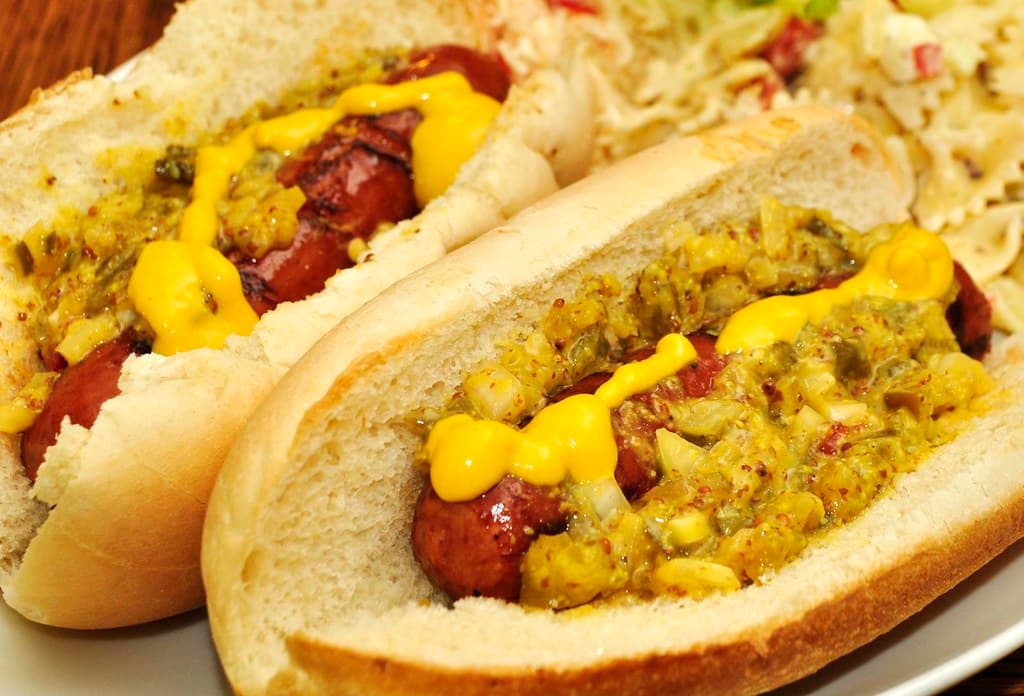
1861-1900 - American suburban families and backyard grill enthusiasts from 1946 to 1969.
Hot dogs are grilled or boiled sausages served in a sliced bun, a quintessential American backyard and tailgate food. Their widespread popularity in postwar America coincided with suburban expansion, backyard grills, and convenient frozen foods from 1946 to 1969. Often associated with holidays like the Fourth of July, hot dogs remain an iconic symbol of casual American dining.
Community-powered photos. Reviewers can upload dish photos, and the highest-rated community image may be featured here.
Difficulty
Easy
Prep time
5 minutes
Cook time
10 minutes
Total time
15 minutes
Servings
6
Region
Coney Island, Brooklyn, New York
Era introduced
1861-1900
Introduced by
American suburban families and backyard grill enthusiasts from 1946 to 1969.
Recipe tools
Log in to save this recipe to a collection.
Hot dogs grew in popularity in postwar America due to increased suburban living, the rise of backyard grills, and the availability of frozen and packaged foods. Their simplicity and convenience made them a favorite at family gatherings, sports events, and patriotic holidays. Hot dogs exemplify the era's fast, casual dining culture and remain a staple American comfort food and social staple from 1946 through the late 1960s and beyond.
Share family changes, regional twists, or pantry-friendly adaptations as full community recipes.
Log in to submit a community recipe.
No community recipes yet. Submitted recipes are published right away.
Rate this recipe and share how it worked at your table.
Log in to review this recipe.
No reviews yet. Be the first to rate this recipe.
Recipes matched by era, region, occasion, ingredients, and cultural roots from the archive.
Same era
America's Melting Pot
Army Bean Soup photo coming soon
1861-1900
A hearty military-style bean soup built on navy beans, smoked ham hock, onion, celery, carrot, and bay leaf, adapted for a home pot from large-batch service traditions.
1861-1900
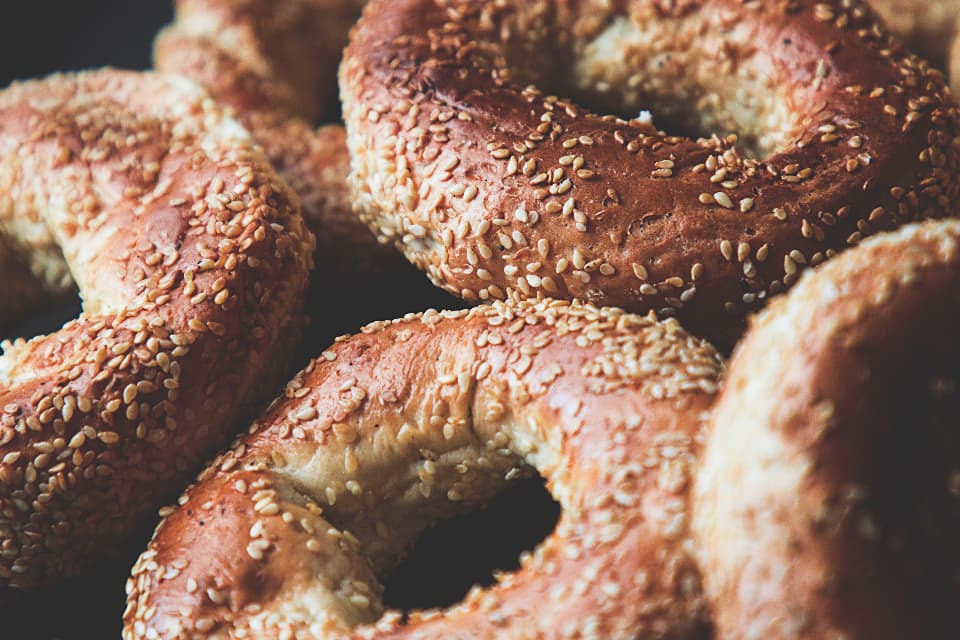
A basic homemade bagel recipe using high-protein flour, malt or brown sugar, a short boil, and a hot bake for chewy New York-style results.
America's Melting Pot
Bagels with Schmear photo coming soon
1861-1900
A deli-style bagel with a thick schmear of plain or scallion cream cheese, with optional onion, capers, tomato, and cucumber.
Same region
America's Melting Pot
Concession Stand Hot Dogs photo coming soon
1867-present
Concession stand hot dogs are simple, affordable sandwiches featuring cooked frankfurter sausages in a soft bun, often topped with mustard, ketchup, onions, or relish. They have been a ubiquitous American food at schools, sports events, and fairs across multiple eras. These hot dogs reflect practical street and event food culture, offering quick nourishment and familiar flavors to all ages.
1894-present
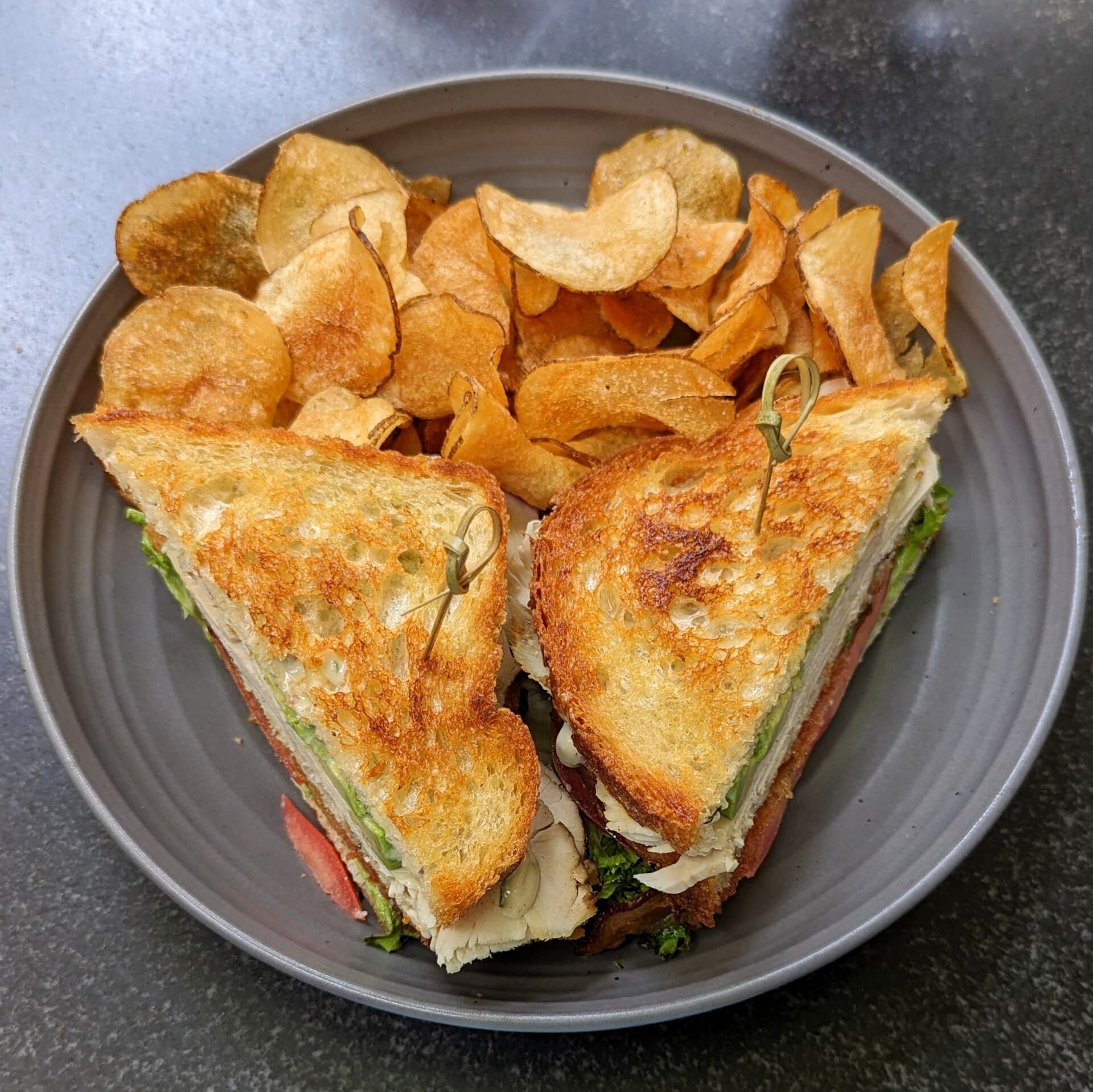
The Club Sandwich is a layered triple-decker sandwich featuring sliced turkey or chicken, crispy bacon, lettuce, tomato, and mayonnaise on toasted bread. It first appeared in American diners and lunch counters during the early 20th century and quickly became popular as a convenient, filling meal. The Club reflects immigrant dining hall influences and the rise of urban lunch culture, notably served at state fairs and public eateries.
America's Melting Pot
Coleslaw photo coming soon
1600s-present
Coleslaw is a popular American salad made from shredded cabbage and carrots tossed in a creamy mayonnaise-based dressing. It became widespread in the postwar period as a favorite side for barbecues, picnics, and holidays such as the Fourth of July. Refreshing and versatile, coleslaw complements grilled meats and sandwiches in American backyard dining traditions.
Same table
1890s-1900s
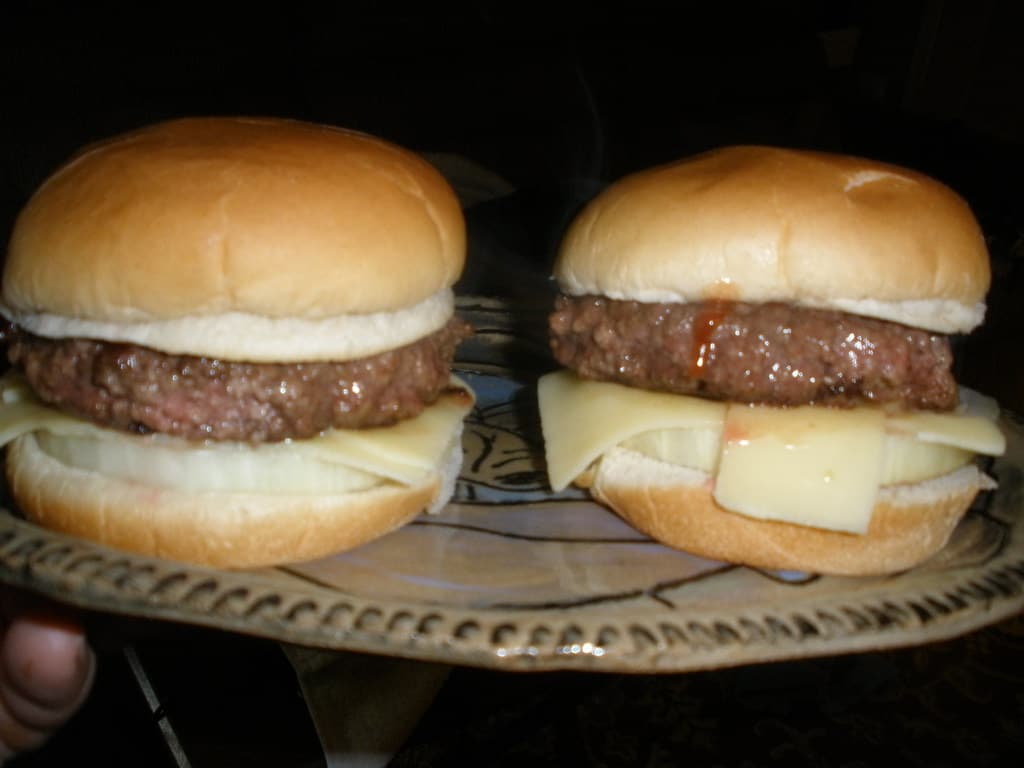
The hamburger is a ground beef patty cooked and served inside a split bun or roll, often garnished with condiments and vegetables. Emerging in early 20th-century America, hamburgers became an iconic and enduring symbol of American fast and casual dining.
1985-present
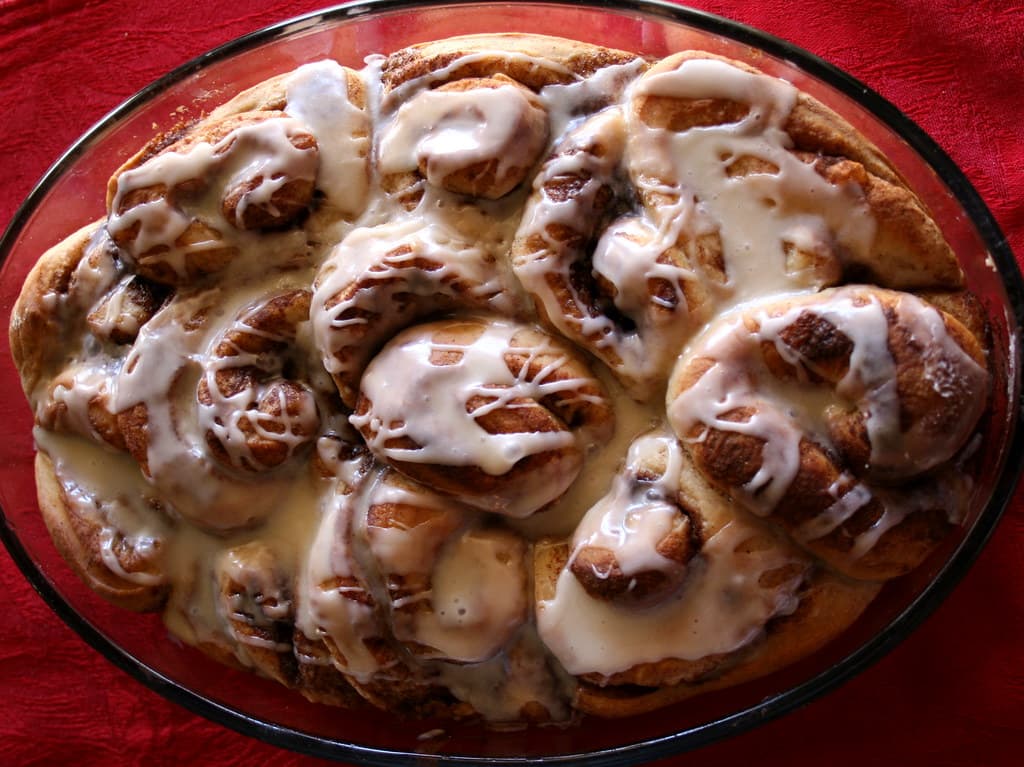
Classic American breakfast sweet rolls featuring a soft, fluffy dough swirled with cinnamon sugar and topped with a sweet glaze. Cinnamon rolls became popular as convenient and comforting treats at tailgate parties, booster clubs, and concession stands in late 20th-century America, especially from the 1970s through the 1980s. Their warm spices and sweetness mark them as a festive favorite around Christmas and other cold-weather celebrations.
America's Melting Pot
Coleslaw photo coming soon
1600s-present
Coleslaw is a popular American salad made from shredded cabbage and carrots tossed in a creamy mayonnaise-based dressing. It became widespread in the postwar period as a favorite side for barbecues, picnics, and holidays such as the Fourth of July. Refreshing and versatile, coleslaw complements grilled meats and sandwiches in American backyard dining traditions.