
Recipe archive
Loading
Setting the table...
Fetching the latest recipes from the archive.
Loading
Fetching the latest recipes from the archive.
Recipe archive
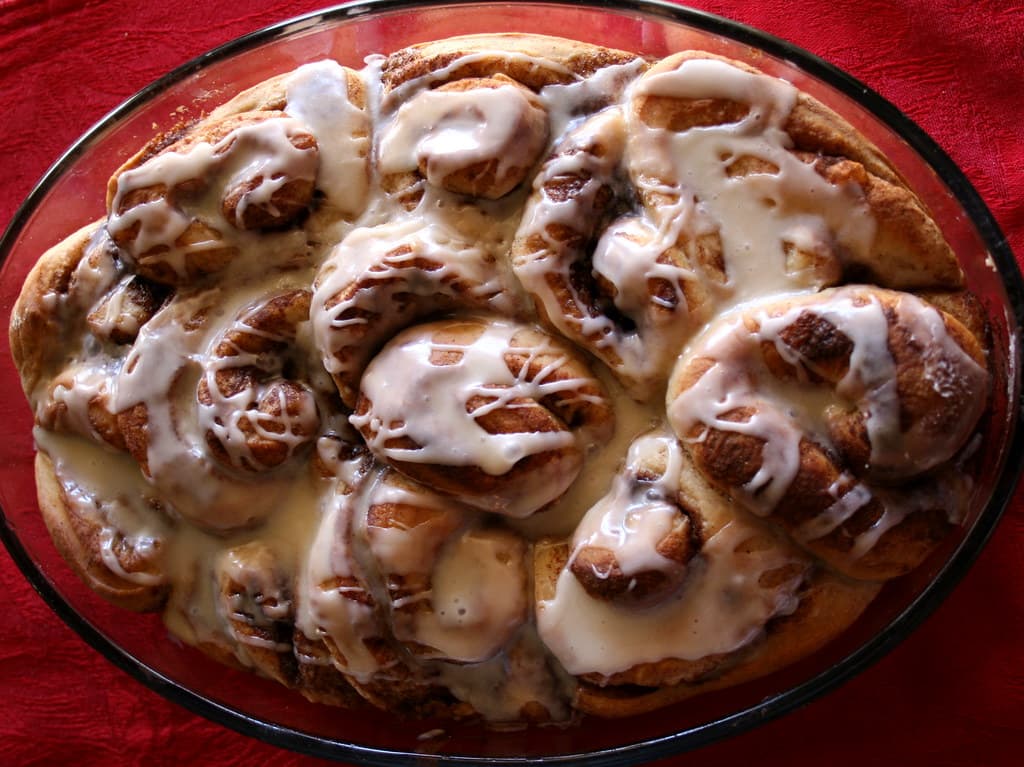
1970-1989 - American home cooks and concession stand vendors during late 20th century
Classic American breakfast sweet rolls featuring a soft, fluffy dough swirled with cinnamon sugar and topped with a sweet glaze. Cinnamon rolls became popular as convenient and comforting treats at tailgate parties, booster clubs, and concession stands in late 20th-century America, especially from the 1970s through the 1980s. Their warm spices and sweetness mark them as a festive favorite around Christmas and other cold-weather celebrations.
Community-powered photos. Reviewers can upload dish photos, and the highest-rated community image may be featured here.
Difficulty
Medium
Prep time
30 minutes
Cook time
20 minutes
Total time
50 minutes
Servings
8 rolls
Region
Seattle mall bakeries and Upper Midwest Scandinavian/German home baking
Era introduced
1970-1989
Introduced by
American home cooks and concession stand vendors during late 20th century
Recipe tools
Log in to save this recipe to a collection.
Cinnamon rolls gained widespread popularity in the United States during the late 20th century as convenient sweet breakfast and snack items, especially enjoyed at communal gatherings such as tailgates and booster club events. They epitomize comfort food with their enriched, yeast-leavened dough and warm cinnamon filling, often topped with sugary glaze. Their role in holiday traditions, particularly Christmas, underscores their place in American seasonal cuisine. While associated broadly with convenience and fast food, cinnamon rolls remain a beloved fusion of European baking origins and American snack culture.
Share family changes, regional twists, or pantry-friendly adaptations as full community recipes.
Log in to submit a community recipe.
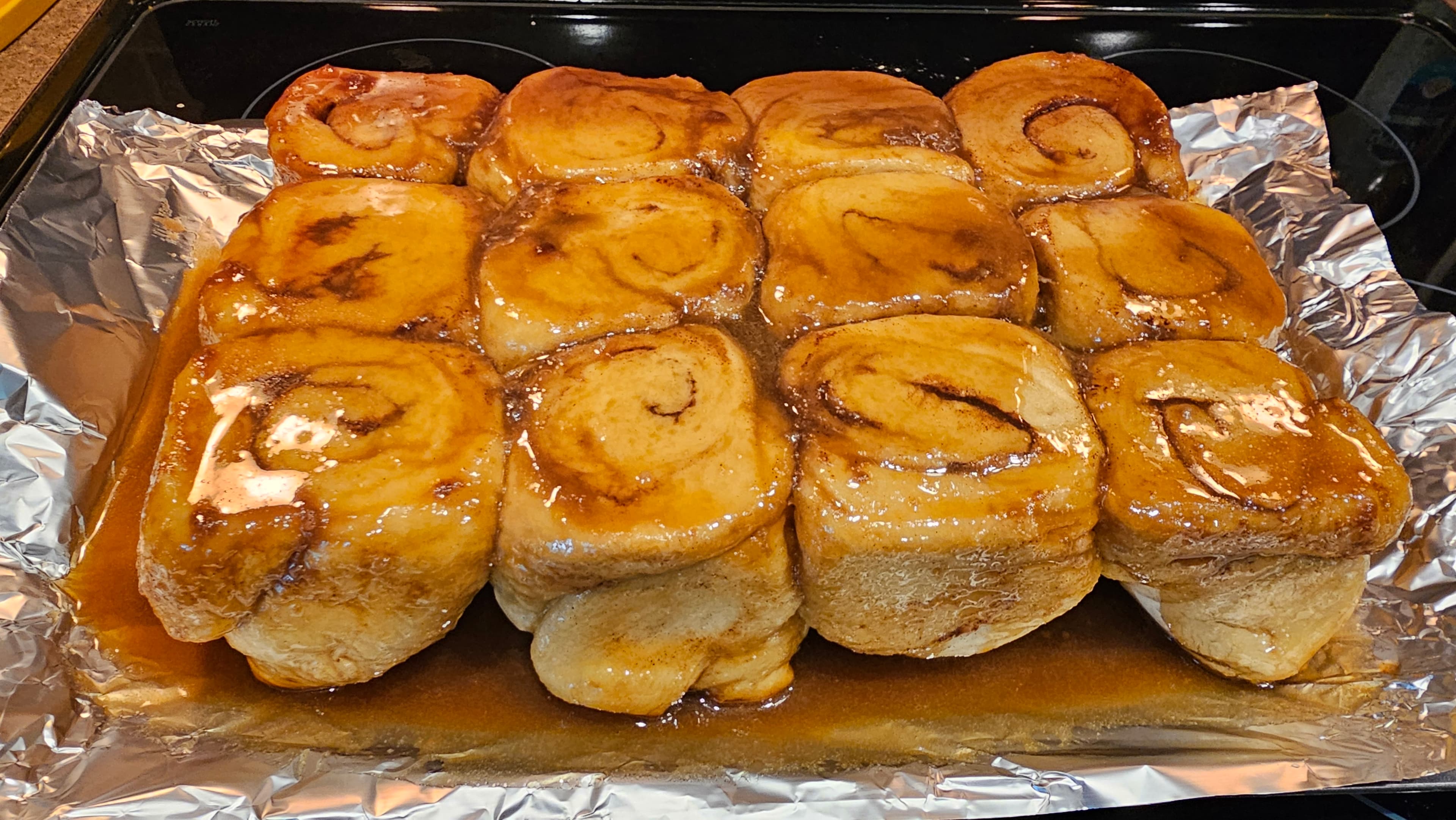
Midwest & Great Lakes - Submitted by UHSpartan
These rolls are similar to the ones my mom used to make. I could not remember the recipe, so I started with the ingredients I could remember and ended up with this simple, gooey version.
Rate this recipe and share how it worked at your table.
Log in to review this recipe.
No reviews yet. Be the first to rate this recipe.
Recipes matched by era, region, occasion, ingredients, and cultural roots from the archive.
Same era
America's Melting Pot
ABC Juice photo coming soon
1970s-present
ABC Juice brings juice-bar color and American smoothie-counter energy to the glass: Apple, beet, carrot.
America's Melting Pot
Auntie Anne's-Style Pretzel Bites photo coming soon
1970-1989
A homemade mall-style pretzel bite recipe with yeast dough, a baking-soda dip, coarse salt, and a generous butter finish.
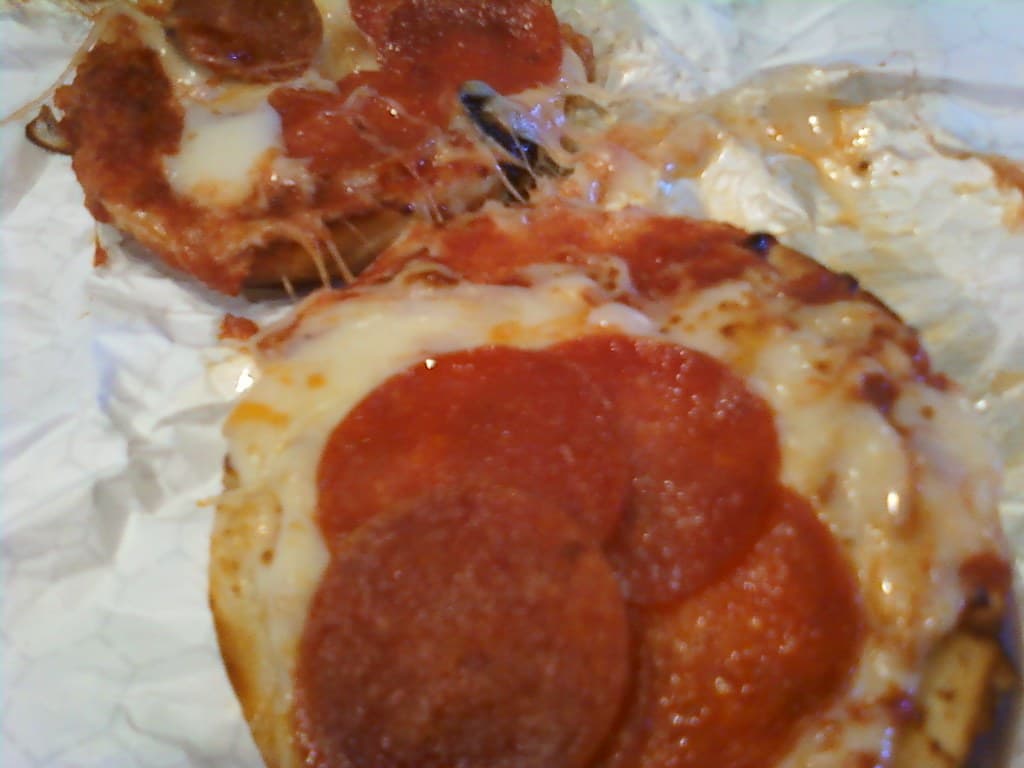
1970-1989
Split bagels topped with tomato sauce, mozzarella, oregano, and pepperoni or vegetables, baked until bubbly for a lunchbox and after-school classic.
Same region
America's Melting Pot
Cherry Barbecue Sauce photo coming soon
1980s-present
Cherry Barbecue Sauce is a barbecue sauce with real American table personality: Michigan, Pacific Northwest, and modern smoked-meat applications. It brings flavor from the Midwest and Great Lakes to cookouts, counters, lunch plates, potlucks, and weeknight suppers.
America's Melting Pot
Smoked Salmon Spread photo coming soon
1900s-present
Smoked Salmon Spread is a seafood sauce with real American table personality: Alaska, Pacific Northwest, Great Lakes. It brings flavor from the Midwest and Great Lakes to cookouts, counters, lunch plates, potlucks, and weeknight suppers.
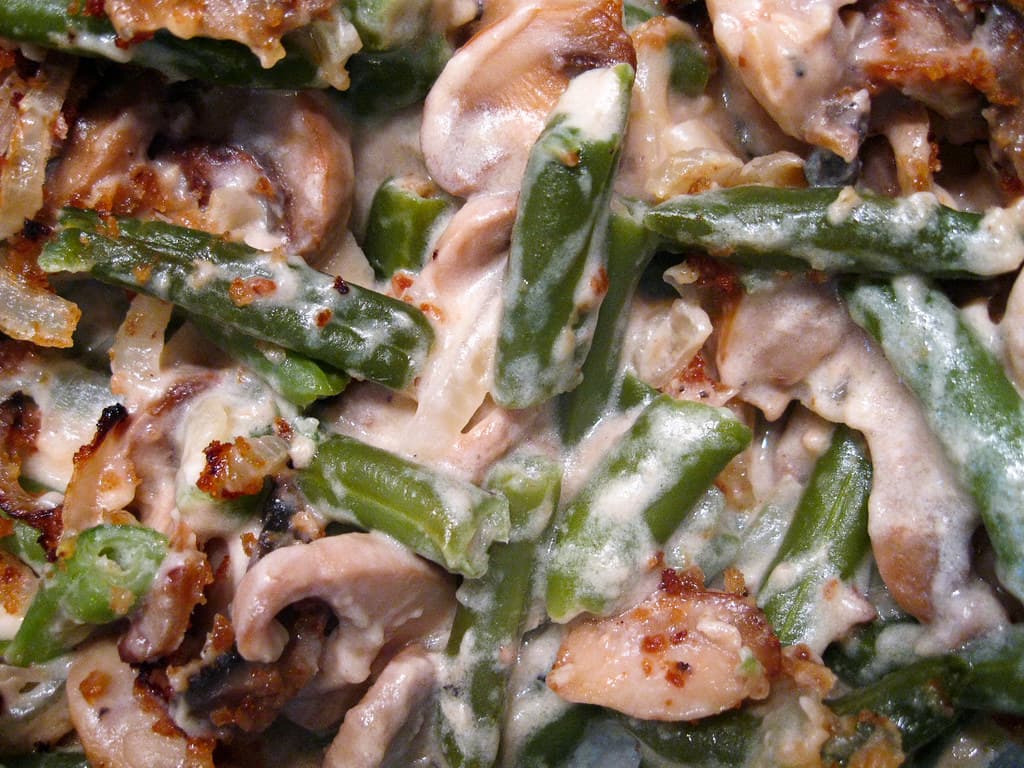
1900-1929
Green Bean Casserole is a staple side dish in Midwestern American holiday tables, church suppers, and school gatherings. Combining green beans, cream of mushroom soup, and crispy fried onions, it became widely popular in the early 20th century and remains a comforting, familiar casserole.
Same table
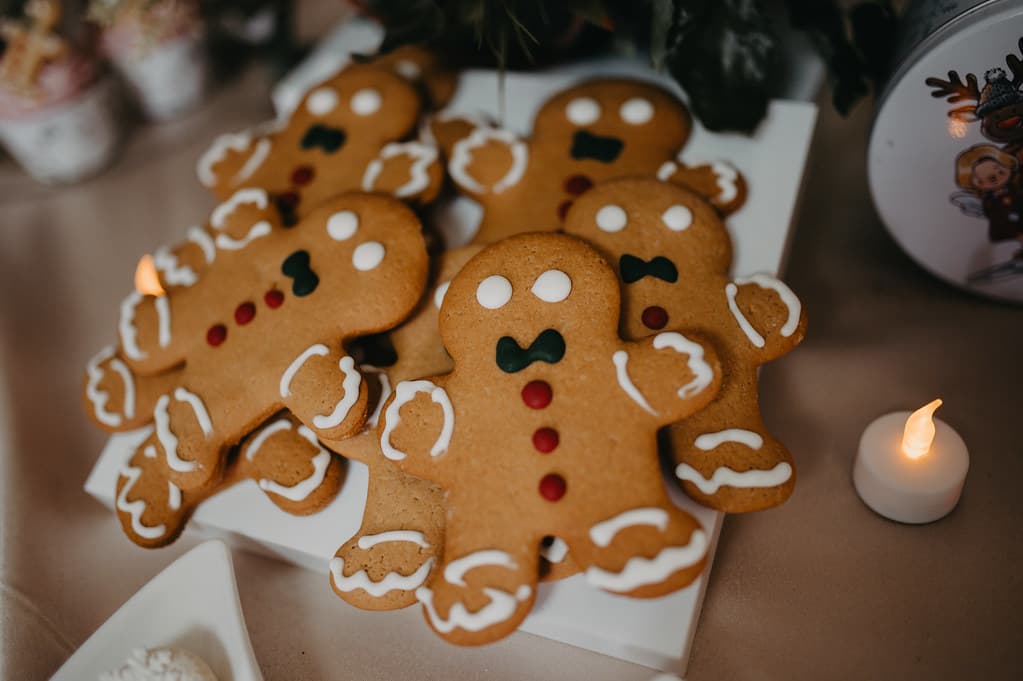
1700s-present
Gingerbread is a spiced baked good flavored with ginger, molasses, and warming spices such as cinnamon and cloves. Commonly prepared as cookies or moist cake, gingerbread became a favored holiday treat in America during the late 18th century, embodying the festive flavors associated with Christmas traditions.
America's Melting Pot
Kringla photo coming soon
1861-1900
Kringla is a lightly sweet, buttery Scandinavian cookie shaped like a pretzel, traditionally associated with church and holiday celebrations in the Midwest. Norwegian immigrants brought this recipe during the 19th century, where it became part of Christmas and Easter gatherings, symbolizing cultural continuity in immigrant farming communities.
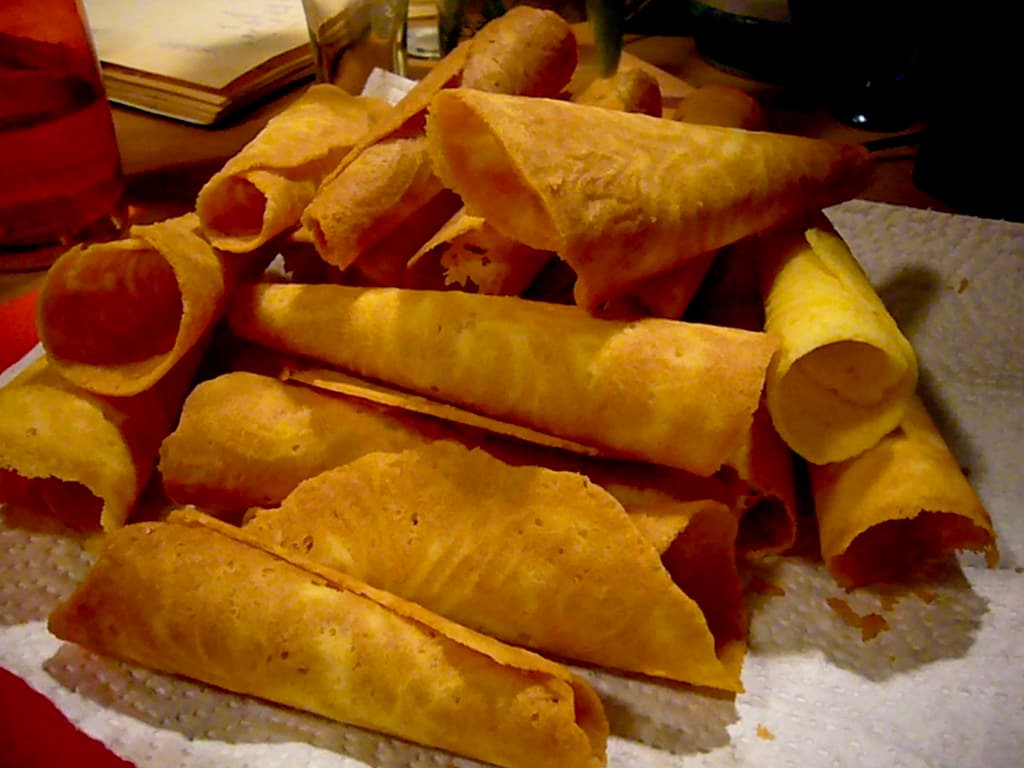
1861-1900
Krumkake are thin, crisp Norwegian waffle cookies rolled into cones, often filled with whipped cream or preserved fruit. Introduced by Scandinavian settlers to the Midwest in the late 19th century, krumkake became holiday staples for Christmas and family celebrations, highlighting continuity of heritage and festive customs.