
Recipe archive
Loading
Setting the table...
Fetching the latest recipes from the archive.
Loading
Fetching the latest recipes from the archive.
Recipe archive

1930-1945 - Mid-century American suburban home cooks
Icebox pies emerged as easy-to-make desserts suited for the freezer and backyard grills of postwar American suburbs (1946-1969). These no-bake pies leveraged refrigeration technology and convenience food trends, becoming iconic in family and social outdoor gatherings.
Community-powered photos. Reviewers can upload dish photos, and the highest-rated community image may be featured here.
Difficulty
Medium
Prep time
20 minutes
Cook time
0 minutes
Total time
4 hours (including chilling)
Servings
8 servings
Region
Southern refrigerator-era icebox-pie kitchens
Era introduced
1930-1945
Introduced by
Mid-century American suburban home cooks
Recipe tools
Log in to save this recipe to a collection.
The icebox pie reflects the post-World War II American suburban lifestyle, flourishing from 1946 to 1969. As refrigerators and freezers became standard household appliances, home cooks embraced easy, cold desserts requiring no baking. Icebox pies typically combine creamy fillings with crumb crusts and require chilling for set texture. These pies became a backyard favorite for barbecues and family gatherings, fitting the convenience-driven and social spirit of the era's suburban culture.
Share family changes, regional twists, or pantry-friendly adaptations as full community recipes.
Log in to submit a community recipe.
No community recipes yet. Submitted recipes are published right away.
Rate this recipe and share how it worked at your table.
Log in to review this recipe.
No reviews yet. Be the first to rate this recipe.
Recipes matched by era, region, occasion, ingredients, and cultural roots from the archive.
Same era
America's Melting Pot
Army Chili photo coming soon
1930-1945
A practical ground-beef chili with beans, tomatoes, onion, chili powder, cumin, and paprika, adapted from Armed Forces chili con carne formulas for a family pot.
America's Melting Pot
Chicken Noodle Soup photo coming soon
1934-present
Chicken Noodle Soup is a comforting one-pot dish made by simmering chicken, vegetables, broth, and egg noodles into a nourishing soup. A staple across American kitchens for generations, it highlights simplicity, warmth, and adaptability in soups and stews throughout the country's culinary evolution.
America's Melting Pot
Chocolate Cake for a Crowd photo coming soon
1930s-1945
Chocolate Cake for a Crowd is a dessert designed to serve many people economically during the Depression and World War II eras (1930-1945). This cake reflects military and mess hall kitchens' need for practical, filling, and easily produced sweets using limited ingredients. Its simple yet rich chocolate flavor made it a favorite for community events, schools, and military gatherings where feeding large numbers was essential.
Same region
America's Melting Pot
Canned Oyster Stew photo coming soon
1860-2026
Oyster stew has long been part of American coastal, holiday, and Lenten cooking. Canned oysters made the dish possible far from oyster beds and useful for military, railroad, boardinghouse, and pantry meals.
America's Melting Pot
Chicken and Dumplings, Early Style photo coming soon
1776-1800
A historic-style chicken broth with simple flour dumplings, inspired by early American meat-dumpling and pottage traditions.
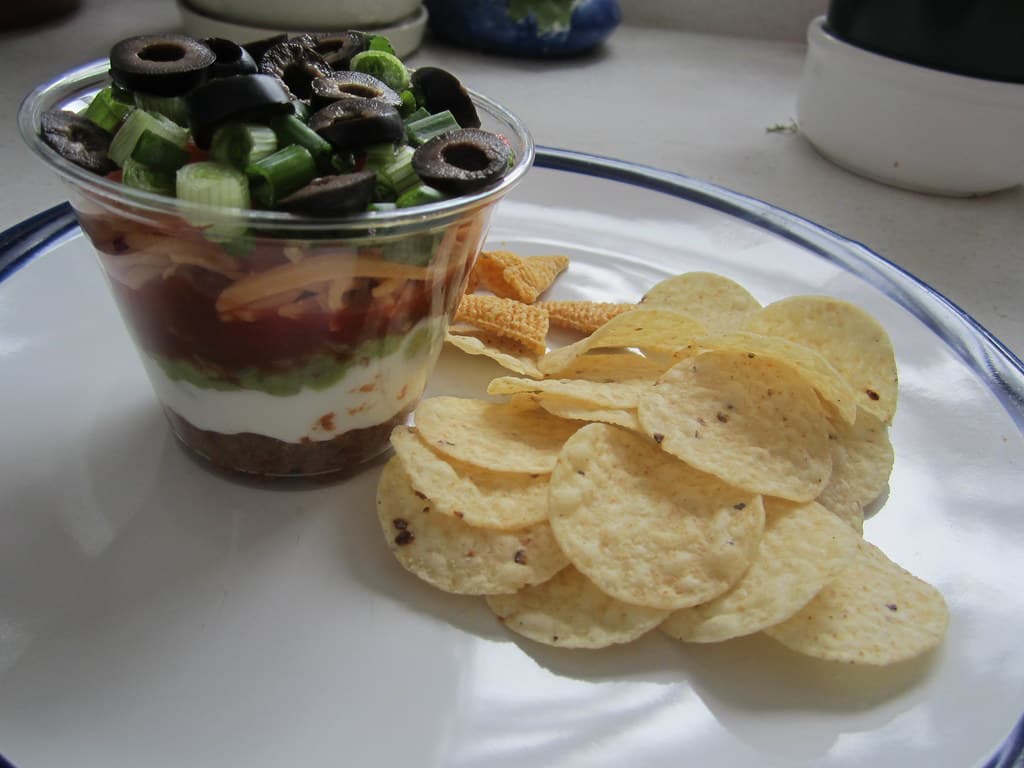
1900s-present
7-Layer Dip is a party dip with real American table personality: Tex-Mex party dish. It brings flavor from Texas and the Southwest to cookouts, counters, lunch plates, potlucks, and weeknight suppers.
Same table
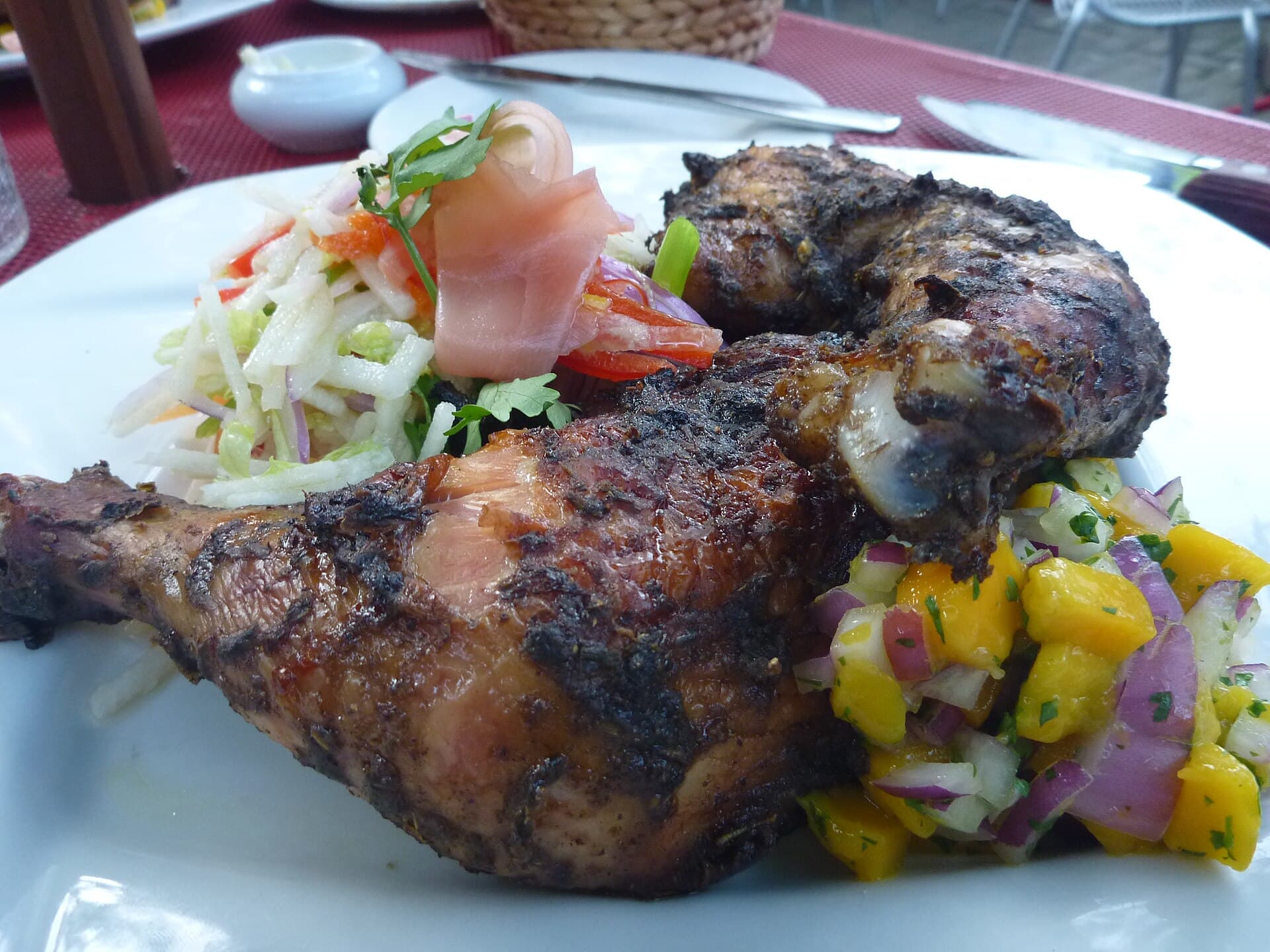
1970s-present
Jerk chicken is a spicy grilled poultry dish originating from Jamaica, adapted into suburban American cooking in the 1990s and 2000s. It features chicken marinated in a blend of Scotch bonnet peppers, allspice, thyme, and other herbs, bringing Caribbean flavors to American backyards and supermarkets.
America's Melting Pot
Cottage Cheese Ice Cream photo coming soon
2020s-present
Cottage cheese ice cream is a contemporary, protein-rich twist on classic frozen desserts. Popularized in food trucks and farmers markets during the 2010s, it blends creamy cottage cheese with traditional ice cream ingredients for a unique texture and tangy flavor.
America's Melting Pot
Cotton Candy photo coming soon
1897-present
Cotton candy is a spun sugar candy synonymous with American state fairs and carnivals in the early 20th century. Known for its fluffy texture and bright colors, it was a novelty sweet made possible by mechanized candy-spinning machines introduced around 1900.