
Recipe archive
Loading
Setting the table...
Fetching the latest recipes from the archive.
Loading
Fetching the latest recipes from the archive.
Recipe archive
America's Melting Pot
Lefse with Butter and Sugar hero image coming soon
1970-1989 - Norwegian-American communities in the Midwest embracing convenience and tailgate culture.
Lefse with butter and sugar is a simple preparation of traditional Norwegian flatbread spread with butter and sprinkled with sugar, rolled and sliced. Popular in Midwestern tailgate and fast food culture from the 1970s-1980s, it offers a quick, sweet snack reflecting immigrant roots adapted to convenience foods and regional pride.
No featured photo yet. Upload a photo with your review. The highest-rated community photo may become this recipe's hero image.
Difficulty
Easy
Prep time
10 minutes
Cook time
0 minutes
Total time
10 minutes
Servings
6 servings
Region
Midwest
Era introduced
1970-1989
Introduced by
Norwegian-American communities in the Midwest embracing convenience and tailgate culture.
Recipe tools
Log in to save this recipe to a collection.
During the convenience-food boom of the late 20th century, Norwegian-American communities in the Midwest popularized lefse with butter and sugar as a quick, portable snack. It became associated with tailgate parties and fast food culture, symbolizing regional pride and immigrant heritage in accessible formats suitable for gatherings and celebrations.
Share family changes, regional twists, or pantry-friendly adaptations as full community recipes.
Log in to submit a community recipe.
No community recipes yet. Submitted recipes are published right away.
Rate this recipe and share how it worked at your table.
Log in to review this recipe.
No reviews yet. Be the first to rate this recipe.
Recipes matched by era, region, occasion, ingredients, and cultural roots from the archive.
Same era
America's Melting Pot
ABC Juice photo coming soon
1970s-present
ABC Juice brings juice-bar color and American smoothie-counter energy to the glass: Apple, beet, carrot.
America's Melting Pot
Auntie Anne's-Style Pretzel Bites photo coming soon
1970-1989
A homemade mall-style pretzel bite recipe with yeast dough, a baking-soda dip, coarse salt, and a generous butter finish.
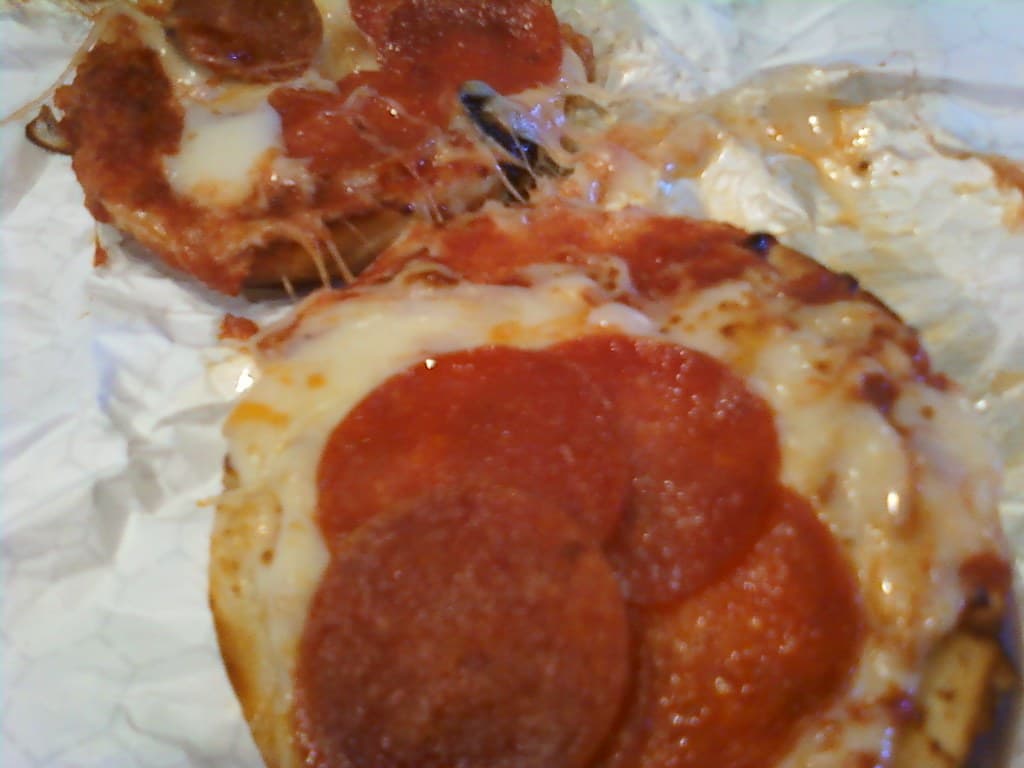
1970-1989
Split bagels topped with tomato sauce, mozzarella, oregano, and pepperoni or vegetables, baked until bubbly for a lunchbox and after-school classic.
Same region
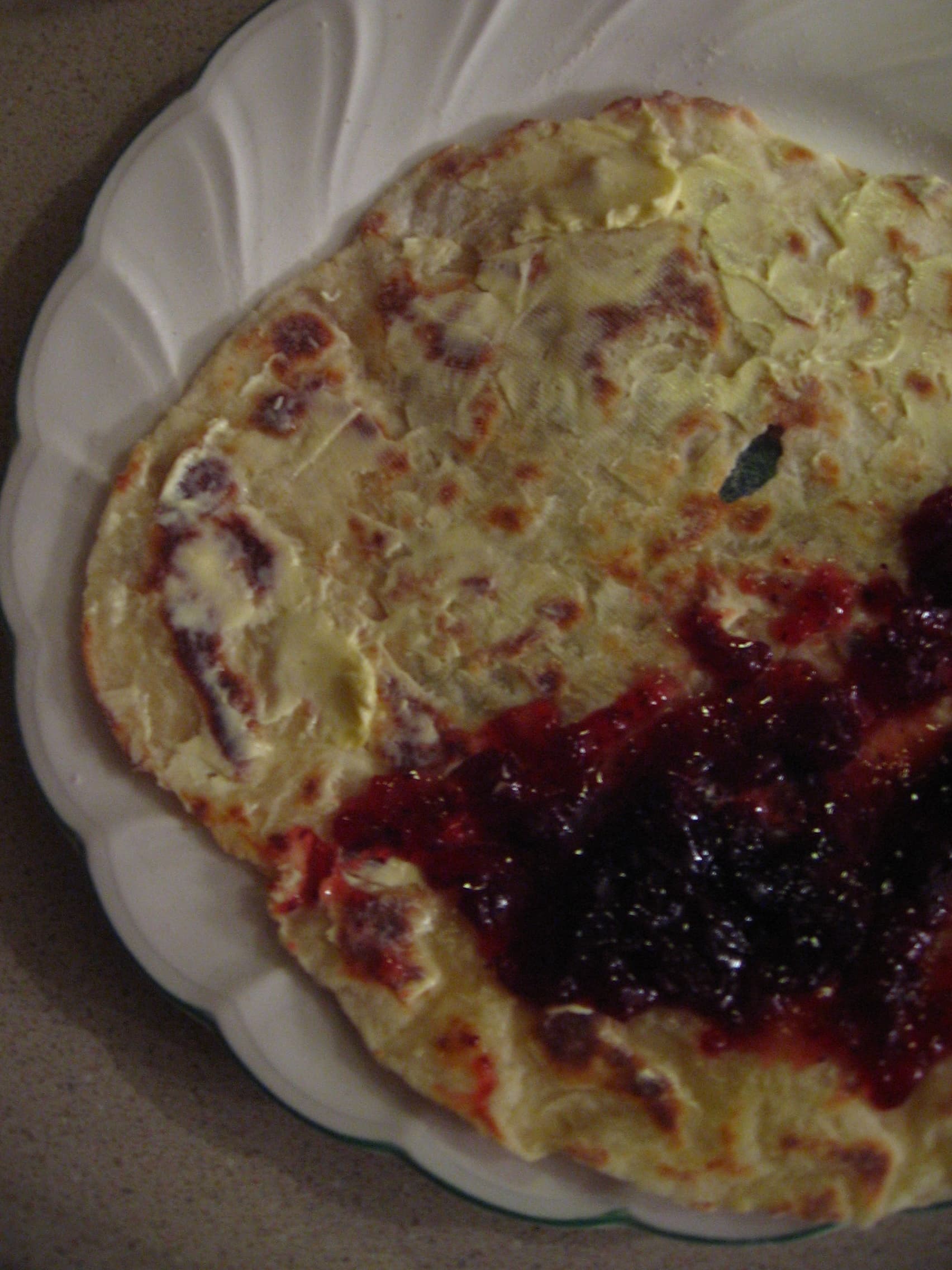
1861-1900
Lefse is a soft, thin flatbread made from potatoes, flour, and cream, traditionally cooked on a griddle. Norwegian immigrants brought lefse to the American Midwest in the late 19th century, where it became a festive and everyday staple enjoyed with butter, sugar, or savory fillings during holiday and church celebrations.
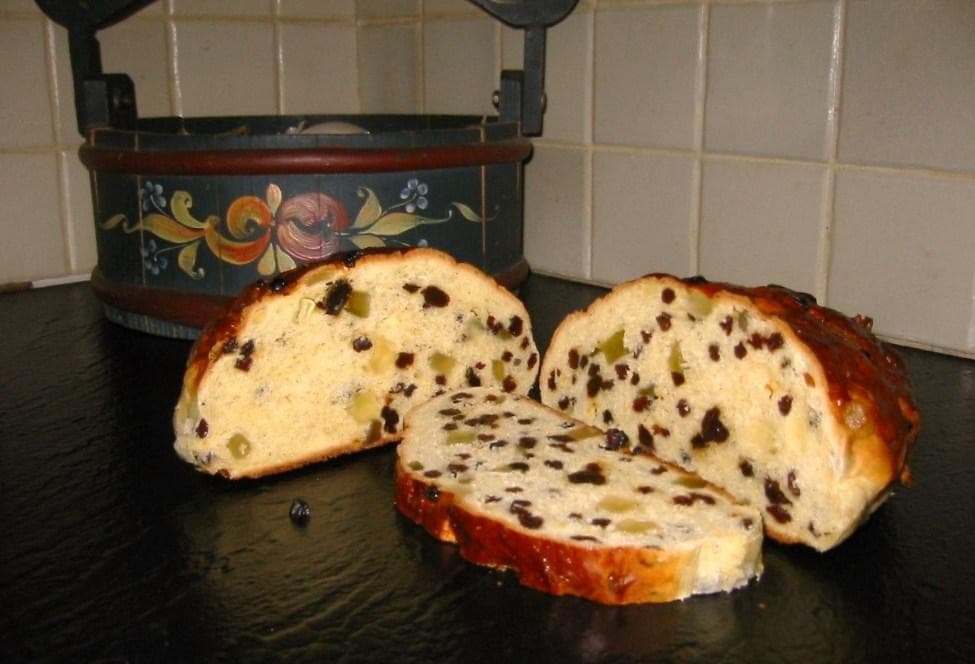
1861-1900
Julekake is a traditional Norwegian Christmas bread flavored with cardamom, studded with raisins, candied citrus peel, and sometimes almonds. Brought to the American Midwest by Scandinavian immigrants between 1861 and 1900, it remains a festive bread symbolizing heritage and holiday celebration.
America's Melting Pot
Kringla photo coming soon
1861-1900
Kringla is a lightly sweet, buttery Scandinavian cookie shaped like a pretzel, traditionally associated with church and holiday celebrations in the Midwest. Norwegian immigrants brought this recipe during the 19th century, where it became part of Christmas and Easter gatherings, symbolizing cultural continuity in immigrant farming communities.
Same table
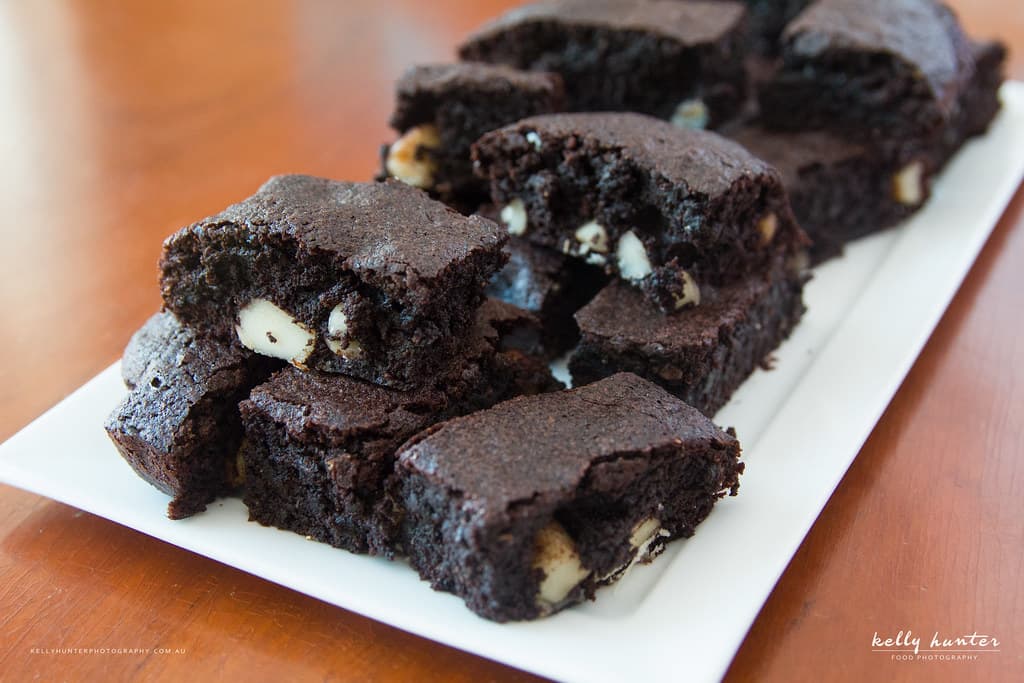
1893-2026
Brownies became an American classic at the meeting point of hotel pastry, home economics, and community baking. Chicago's Palmer House is tied to an early chocolate brownie in 1893, and Fannie Farmer helped standardize brownie recipes for home cooks soon after.
America's Melting Pot
Booster Club Brats photo coming soon
1970-2026
Brats are Midwestern event food: easy to scale, easy to hold warm, and strongly tied to Wisconsin football and German American sausage culture. Booster clubs and tailgaters use beer, onions, and grills to feed a crowd without much fuss.
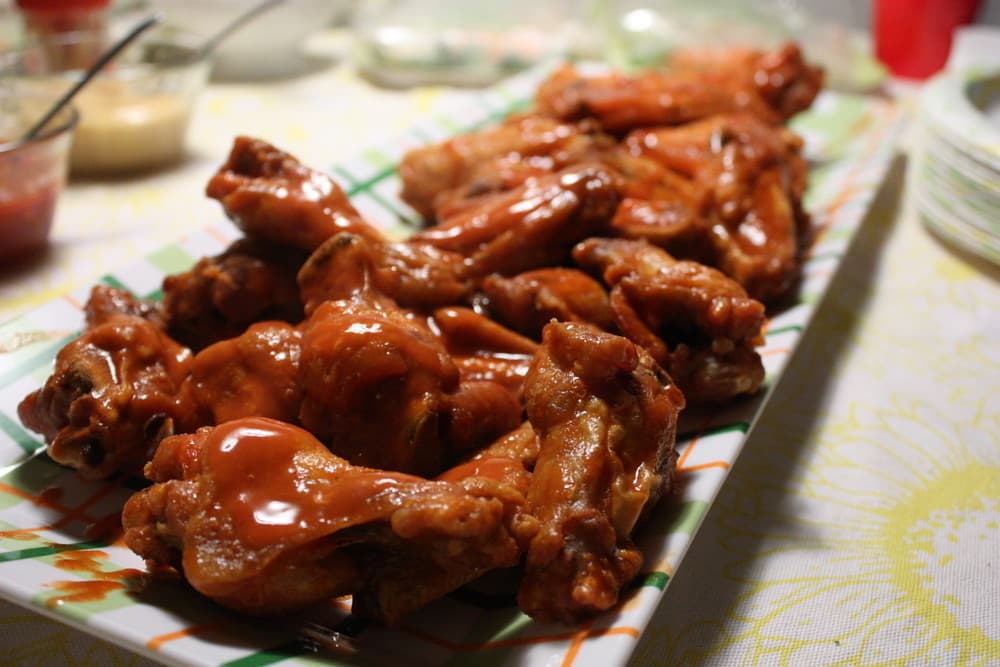
1964-2026
Buffalo wings became a national American bar-food icon after their rise in Buffalo, New York, especially through Anchor Bar lore around Teressa Bellissimo in 1964. Other Buffalo cooks also shaped local wing culture, but the hot-sauce-and-butter wing became the template.