
Recipe archive
Loading
Setting the table...
Fetching the latest recipes from the archive.
Loading
Fetching the latest recipes from the archive.
Recipe archive
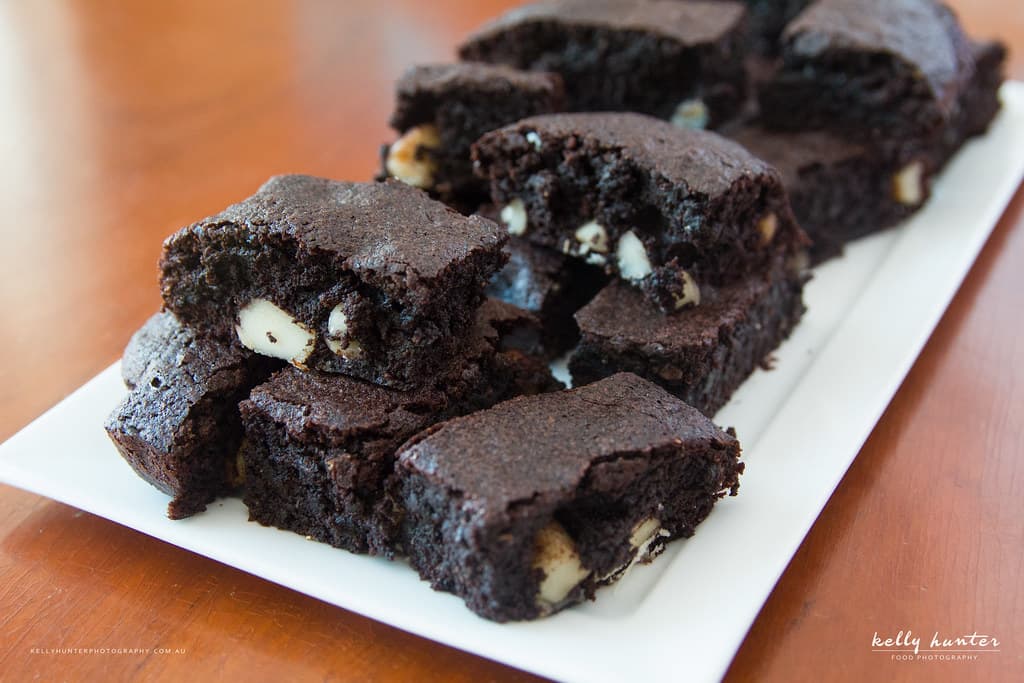
1890s-present - Palmer House pastry cooks, Fannie Farmer, and American home bakers
Brownies became an American classic at the meeting point of hotel pastry, home economics, and community baking. Chicago's Palmer House is tied to an early chocolate brownie in 1893, and Fannie Farmer helped standardize brownie recipes for home cooks soon after.
Community-powered photos. Reviewers can upload dish photos, and the highest-rated community image may be featured here.
Difficulty
Easy
Prep time
15 minutes
Cook time
30 minutes
Total time
45 minutes
Servings
16 brownies
Region
United States bake sales and home kitchens
Era introduced
1890s-present
Introduced by
Palmer House pastry cooks, Fannie Farmer, and American home bakers
Recipe tools
Log in to save this recipe to a collection.
Brownies are portable like cookies but rich like cake, which is exactly why origin stories often connect them to boxed lunches and refined hotel sweets. Over time, the American home version became simpler: melt butter with chocolate or cocoa, whisk in sugar and eggs, add flour, and bake in a square pan. This version lands in the classic middle ground: fudgy, sliceable, and sturdy enough for a picnic table.
Share family changes, regional twists, or pantry-friendly adaptations as full community recipes.
Log in to submit a community recipe.
No community recipes yet. Submitted recipes are published right away.
Rate this recipe and share how it worked at your table.
Log in to review this recipe.
No reviews yet. Be the first to rate this recipe.
Recipes matched by era, region, occasion, ingredients, and cultural roots from the archive.
Same era
America's Melting Pot
Chicken a la King photo coming soon
1890-2026
Tender chicken and mushrooms in a rich cream sauce with pimentos and sherry, served over toast, pastry shells, rice, or biscuits.
1900s-present
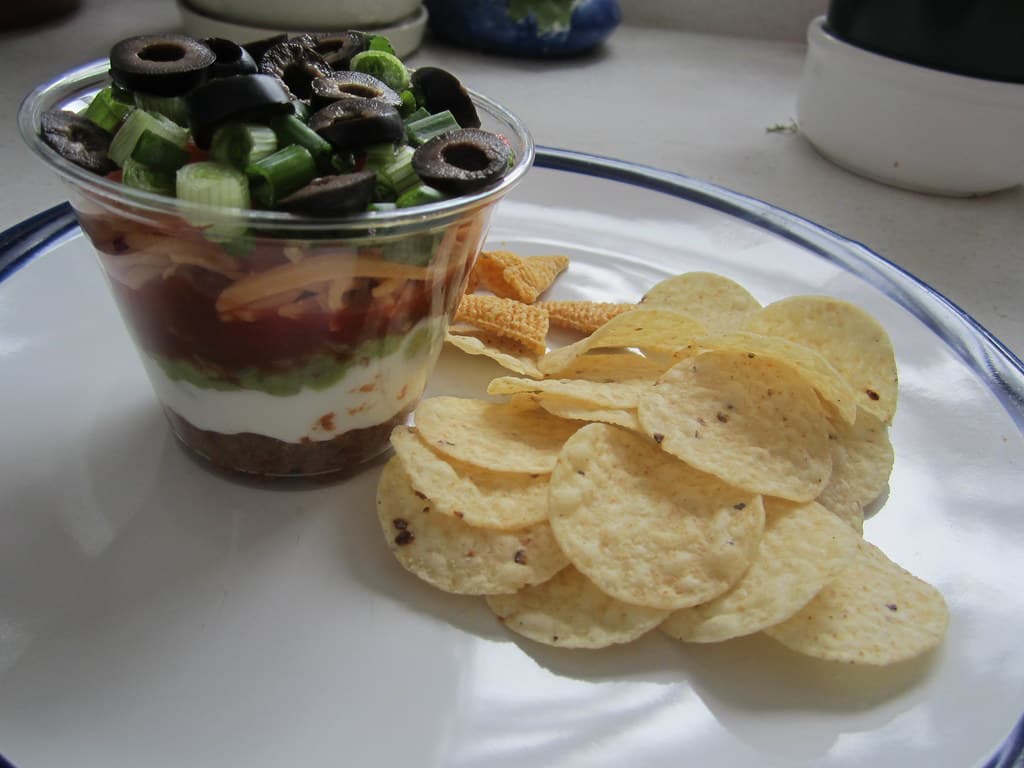
7-Layer Dip is a party dip with real American table personality: Tex-Mex party dish. It brings flavor from Texas and the Southwest to cookouts, counters, lunch plates, potlucks, and weeknight suppers.
America's Melting Pot
Alabama White Sauce Chicken photo coming soon
1920s-present
Grilled or smoked chicken served with Alabama white barbecue sauce, a mayonnaise-and-vinegar sauce associated with Big Bob Gibson Bar-B-Q in Decatur.
Same region
America's Melting Pot
Apple Cake photo coming soon
1800s-present
A tender apple-studded cake with cinnamon, butter, and a simple crumb topping.
America's Melting Pot
Avgolemono Soup photo coming soon
1900-1929
A silky Greek-American chicken, rice, egg, and lemon soup made by tempering eggs into hot broth for a creamy dairy-free finish.
1900-2026
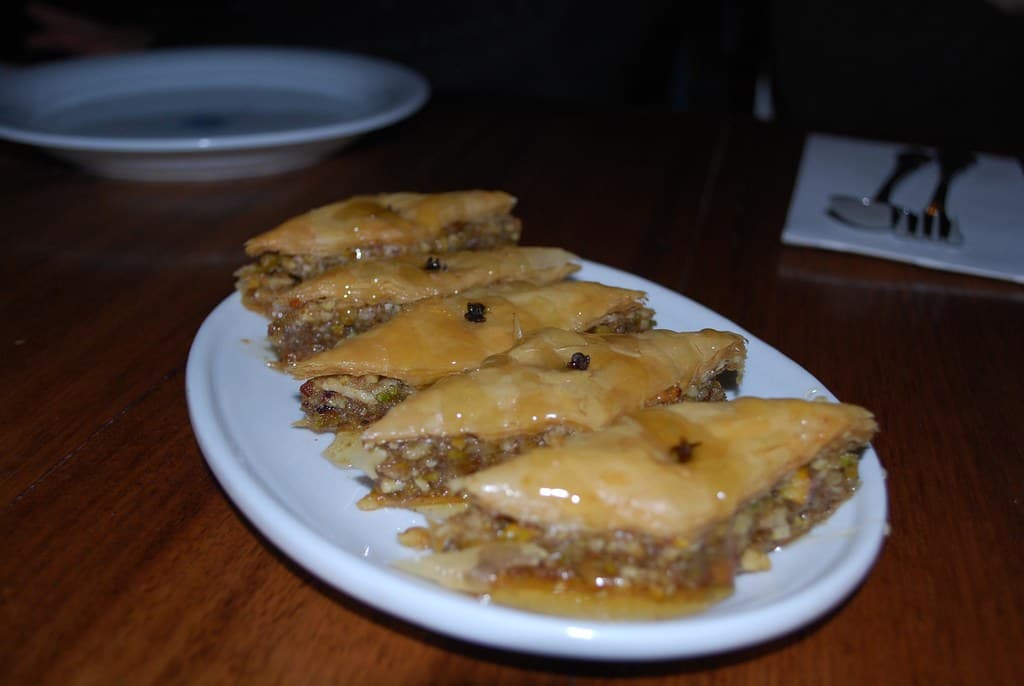
A Greek American-style baklava made with buttered phyllo, walnuts and pistachios, cinnamon, honey syrup, and lemon.
Same table
America's Melting Pot
Caramel Rolls photo coming soon
1920-2026
Caramel rolls are a beloved North Dakota and Upper Midwest bakery, church, and cafe treat. They resemble cinnamon rolls or sticky buns, but the defining feature is a generous caramel sauce that bakes under the rolls and becomes the top after turning out.
1800-2026
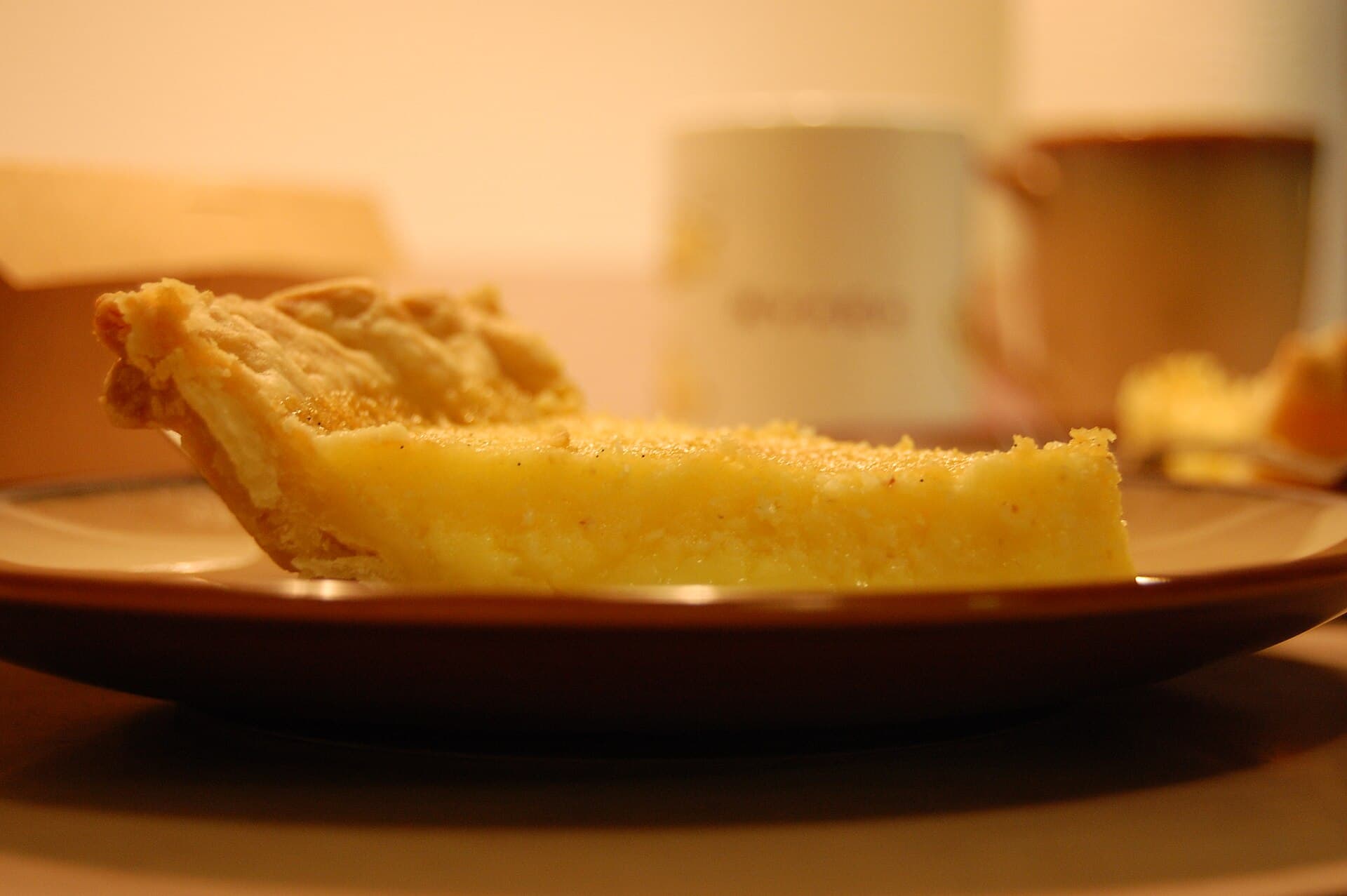
A classic Southern pantry pie with a buttery sugar filling, cornmeal texture, and a bright touch of vinegar or lemon.
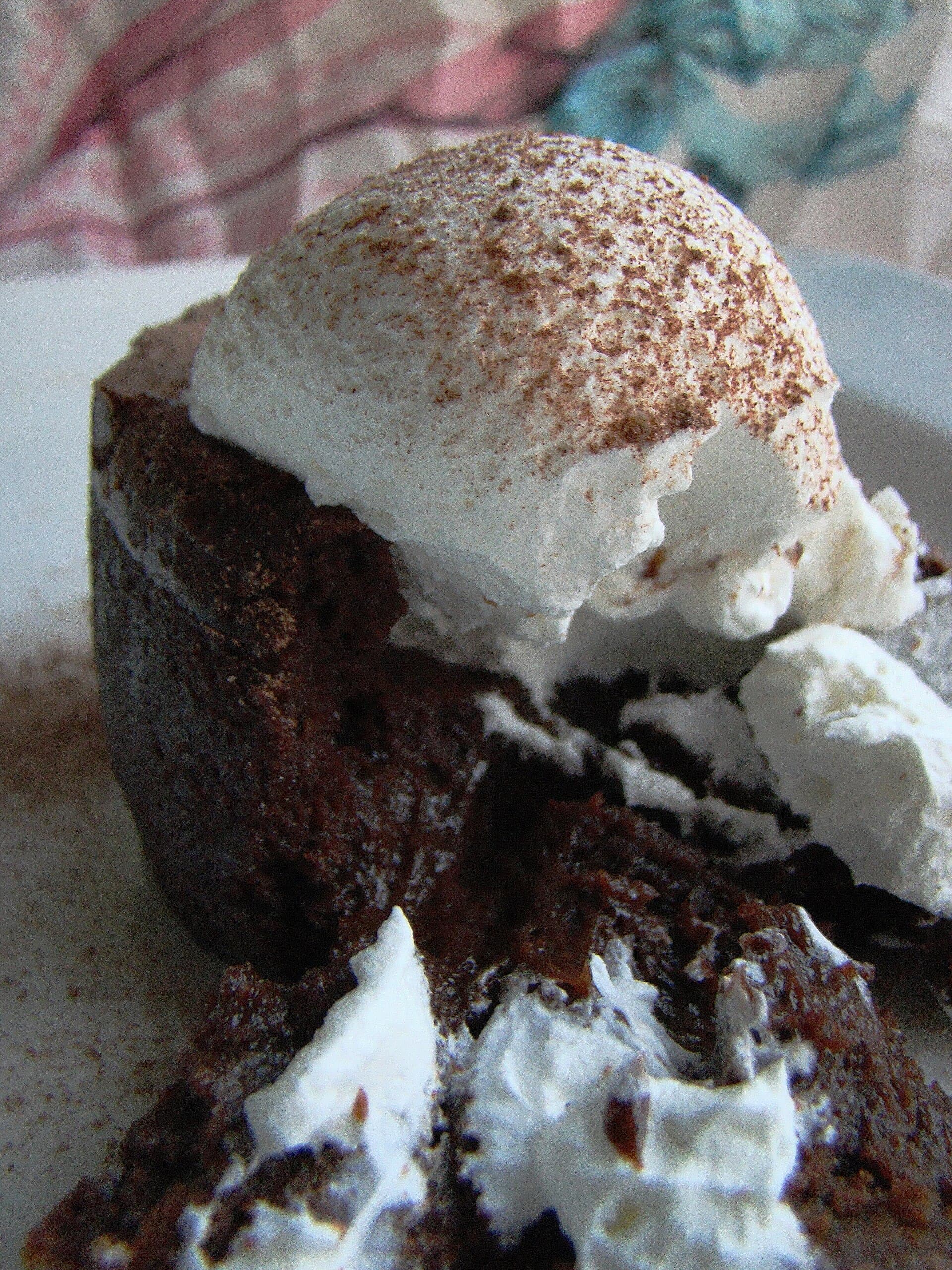
1987-present
Lava cake is a rich dessert featuring individual chocolate cakes with a gooey molten center. Popularized in American family restaurants and chains from the 1990s onward, it uses minimal ingredients to create a dramatic dessert that combines chocolate cake and fondant-like filling, appealing broadly across age groups and occasions.