
Recipe archive
Loading
Setting the table...
Fetching the latest recipes from the archive.
Loading
Fetching the latest recipes from the archive.
Recipe archive
America's Melting Pot
Low-Fat Muffins hero image coming soon
1970-1989 - American coffee shop bakers and health-conscious home cooks
Low-fat muffins are moist quick breads with reduced fat content, often made with fruit or whole grain ingredients. They became popular in American coffee shops and health food circles during the 1990s and 2000s as people sought healthier breakfast and snack options.
No featured photo yet. Upload a photo with your review. The highest-rated community photo may become this recipe's hero image.
Difficulty
Medium
Prep time
15 minutes
Cook time
20 minutes
Total time
35 minutes
Servings
12 muffins
Region
American coffee-shop and supermarket bakery kitchens
Era introduced
1970-1989
Introduced by
American coffee shop bakers and health-conscious home cooks
Recipe tools
Log in to save this recipe to a collection.
In response to growing health awareness in the late 20th century, low-fat muffins emerged as a popular breakfast and snack item in American coffee shops and home kitchens. By reducing butter or oil and adding fruits or whole grains, these muffins balanced indulgence with nutrition. Their rise aligns with food network influences and consumer demand for better-for-you baked goods.
Share family changes, regional twists, or pantry-friendly adaptations as full community recipes.
Log in to submit a community recipe.
No community recipes yet. Submitted recipes are published right away.
Rate this recipe and share how it worked at your table.
Log in to review this recipe.
No reviews yet. Be the first to rate this recipe.
Recipes matched by era, region, occasion, ingredients, and cultural roots from the archive.
Same era
America's Melting Pot
ABC Juice photo coming soon
1970s-present
ABC Juice brings juice-bar color and American smoothie-counter energy to the glass: Apple, beet, carrot.
America's Melting Pot
Auntie Anne's-Style Pretzel Bites photo coming soon
1970-1989
A homemade mall-style pretzel bite recipe with yeast dough, a baking-soda dip, coarse salt, and a generous butter finish.

1970-1989
Split bagels topped with tomato sauce, mozzarella, oregano, and pepperoni or vegetables, baked until bubbly for a lunchbox and after-school classic.
Same region
1970s-present
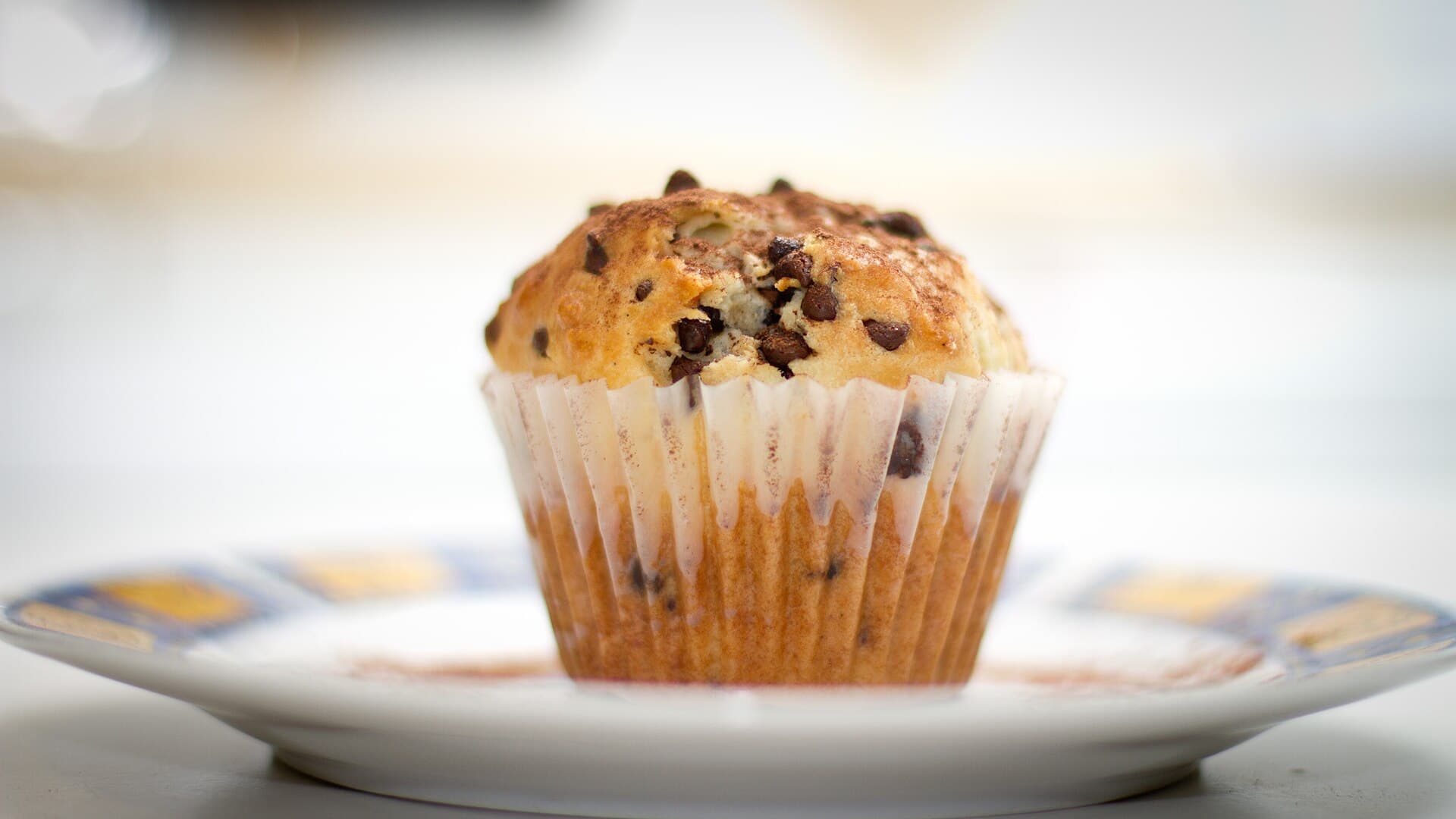
Chocolate Chip Muffins emerged as a popular breakfast and snack item in United States coffee shops and bakeries during the 1990s to 2000s. Favored for convenience and sweet comfort, these muffins combine rich chocolate chips with a tender, moist crumb, reflecting nationwide cafe culture trends and a growing market for portable morning treats including Super Bowl and casual party fare.
America's Melting Pot
Giant Cookies photo coming soon
1990s-present
Giant cookies are oversized versions of classic cookies, popularized in American coffee shops during the 1990s and early 2000s. Featuring a variety of flavors from chocolate chip to oatmeal raisin, these cookies offer a shareable dessert experience characterized by a soft, chewy texture and crisp edges.
America's Melting Pot
Grilled Chicken Salad photo coming soon
1990s-present
Grilled Chicken Salad became popular in American suburbs and coffee shops during the 1990s-2000s as a health-oriented dish. Featuring marinated grilled chicken over mixed greens with fresh vegetables and vinaigrette, it is common at Super Bowl gatherings and casual dining venues.
Same table
1800-1860
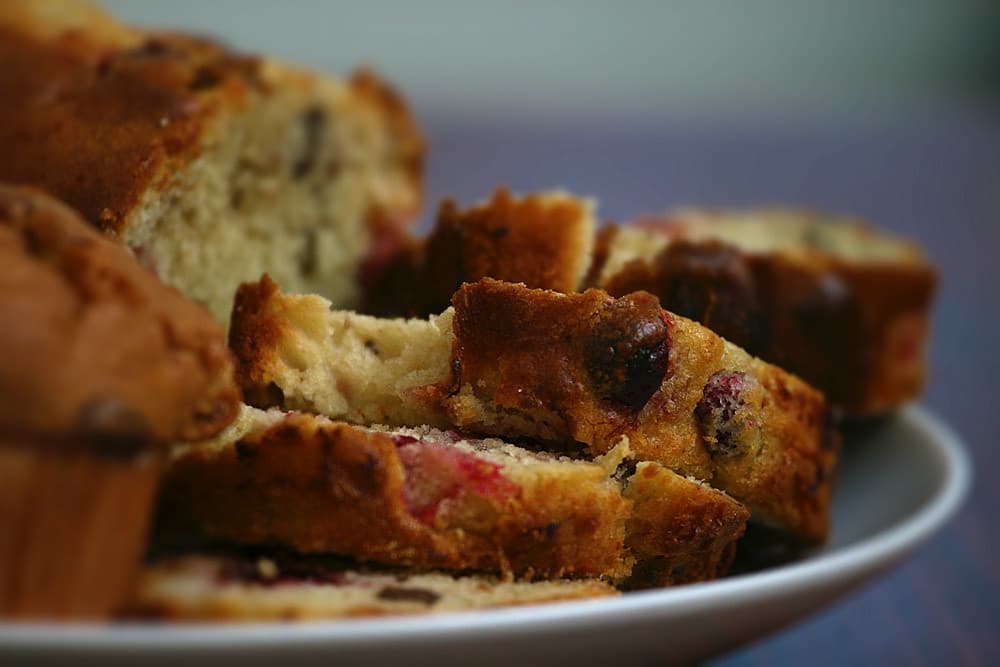
Moist quick bread studded with fresh cranberries, offering a balance of tart and sweet flavors. A traditional New England baked good enjoyed during the fall and winter months.
America's Melting Pot
Acai Bowl Smoothie Base photo coming soon
1970s-present
Acai Bowl Smoothie Base brings juice-bar color and American smoothie-counter energy to the glass: California/Hawaii/fitness culture.
America's Melting Pot
Acai Smoothie photo coming soon
1990s-present
Acai Smoothie brings juice-bar color and American smoothie-counter energy to the glass: Brazilian-rooted ingredient adapted by U.S. smoothie bars.