
Recipe archive
Loading
Setting the table...
Fetching the latest recipes from the archive.
Loading
Fetching the latest recipes from the archive.
Recipe archive
America's Melting Pot
Lunch Pail Pasties hero image coming soon
1861-1900 - Railroad and mining communities in late 19th century America
Lunch Pail Pasties are baked hand pies filled with ground meat, potatoes, and vegetables. Popular among railroad and mining workers in late 19th century America, they were portable, filling meals suited for physically demanding labor.
No featured photo yet. Upload a photo with your review. The highest-rated community photo may become this recipe's hero image.
Difficulty
Medium
Prep time
30 minutes
Cook time
40 minutes
Total time
1 hour 10 minutes
Servings
6 pasties
Region
Cornish American mining lunch pails of Michigan and Wisconsin
Era introduced
1861-1900
Introduced by
Railroad and mining communities in late 19th century America
Recipe tools
Log in to save this recipe to a collection.
Adapted from British Cornish pasties, American lunch pail pasties became important sustenance for railroad and mining workers during the Civil War and Reconstruction eras. Their durable pastry crusts enclosed meat and vegetable fillings, providing a convenient and warm midday meal. This dish embodies immigrant influence and practical food solutions developed in industrializing America.
Share family changes, regional twists, or pantry-friendly adaptations as full community recipes.
Log in to submit a community recipe.
No community recipes yet. Submitted recipes are published right away.
Rate this recipe and share how it worked at your table.
Log in to review this recipe.
No reviews yet. Be the first to rate this recipe.
Recipes matched by era, region, occasion, ingredients, and cultural roots from the archive.
Same era
America's Melting Pot
Army Bean Soup photo coming soon
1861-1900
A hearty military-style bean soup built on navy beans, smoked ham hock, onion, celery, carrot, and bay leaf, adapted for a home pot from large-batch service traditions.

1861-1900
A basic homemade bagel recipe using high-protein flour, malt or brown sugar, a short boil, and a hot bake for chewy New York-style results.
America's Melting Pot
Bagels with Schmear photo coming soon
1861-1900
A deli-style bagel with a thick schmear of plain or scallion cream cheese, with optional onion, capers, tomato, and cucumber.
Same region

1800s-present
A creamy and comforting side dish popular across the United States, especially during Thanksgiving and other holiday meals. Mashed potatoes blend simple ingredients to create a satisfying accompaniment to main courses.

1800s-present
Potato Cakes are a practical, comforting dish made by frying mashed potato patties. Popular during the Depression and Dust Bowl decades, they exemplify resourceful cooking with staple ingredients under economic hardship.

1800s-present
Scalloped Potatoes are thinly sliced potatoes baked in a creamy sauce, often with cheese or onions, making a popular side dish at schools, churches, and state fairs in early 20th century America. Its simple ingredients and hearty texture suited well to communal meals and holiday dinners.
Same table
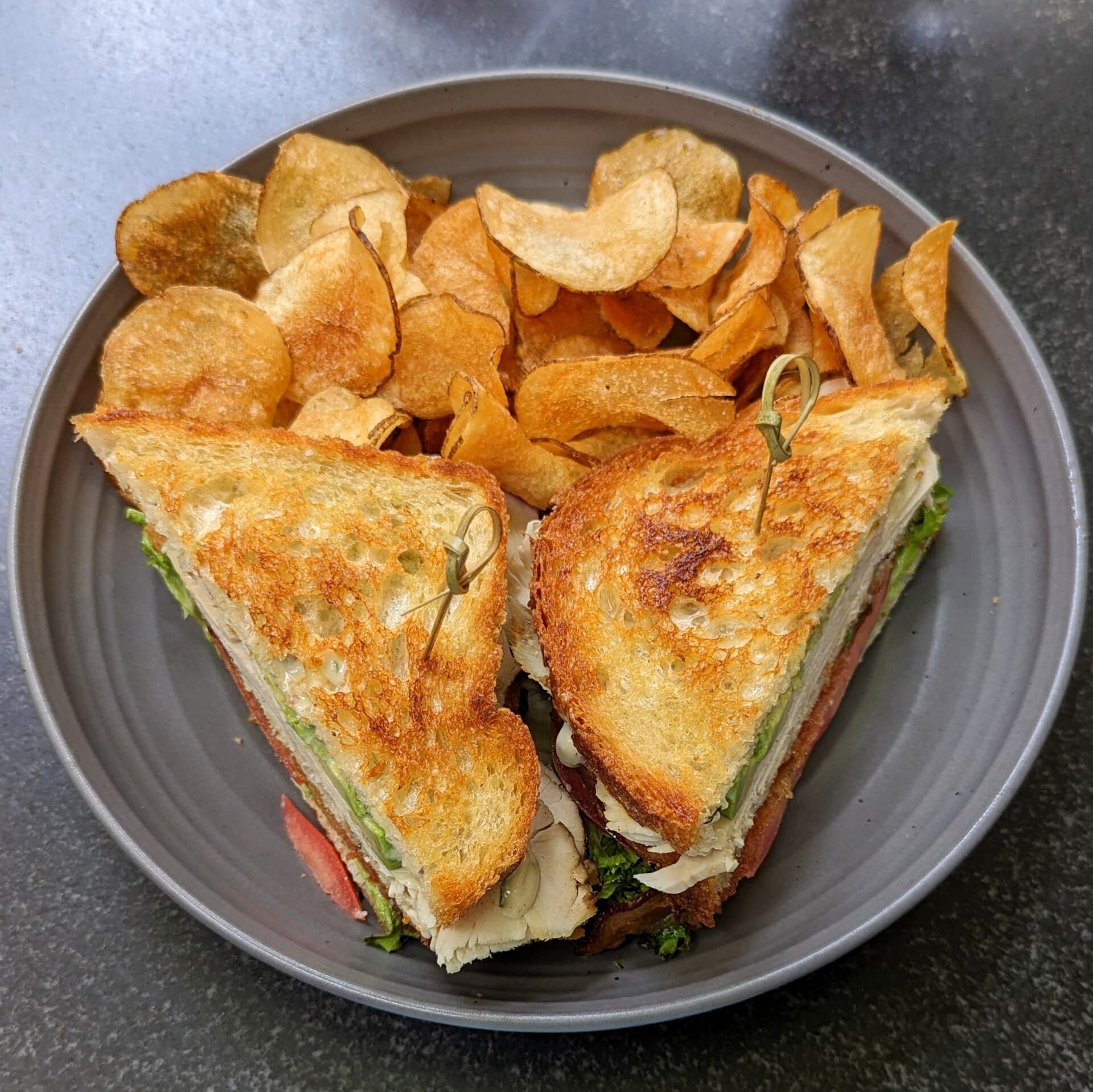
1894-present
The Club Sandwich is a layered triple-decker sandwich featuring sliced turkey or chicken, crispy bacon, lettuce, tomato, and mayonnaise on toasted bread. It first appeared in American diners and lunch counters during the early 20th century and quickly became popular as a convenient, filling meal. The Club reflects immigrant dining hall influences and the rise of urban lunch culture, notably served at state fairs and public eateries.
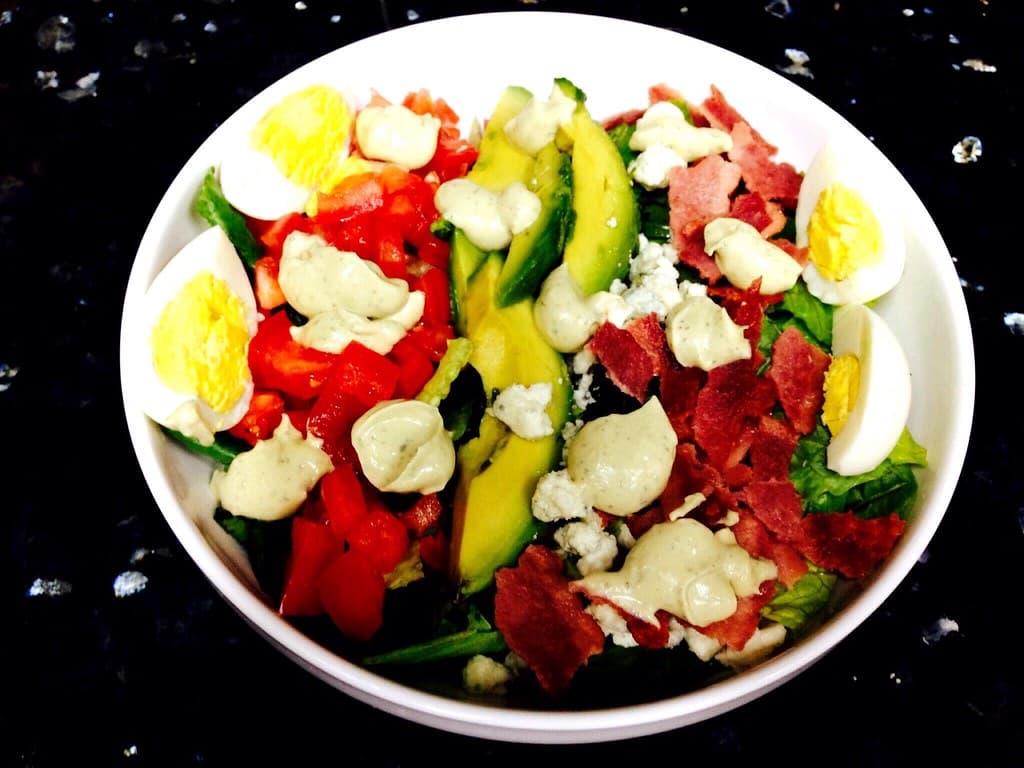
1929/1937-present
Cobb Salad consists of chopped greens, tomatoes, bacon, chicken, hard-boiled eggs, avocado, chives, and blue cheese, often served with red wine vinaigrette. It originated on the West Coast as a restaurant dish and became an iconic American salad celebrated for its variety and nutritional balance. The Cobb exemplifies regional California fresh produce combined with classic American diner influences, beloved for lunch and light dinners.
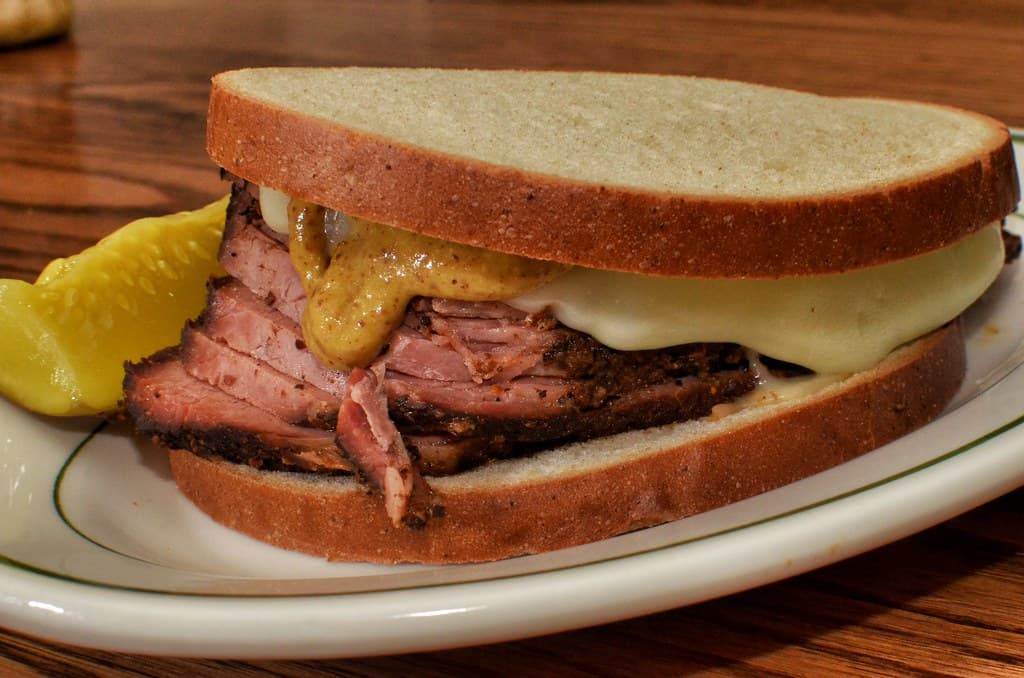
1861-1900
Pastrami on rye is a signature Jewish-American deli sandwich featuring spiced cured pastrami piled on rye bread, often served with mustard. It became emblematic of New York's Mid-Atlantic deli culture during the late 19th century.