
Recipe archive
Loading
Setting the table...
Fetching the latest recipes from the archive.
Loading
Fetching the latest recipes from the archive.
Recipe archive
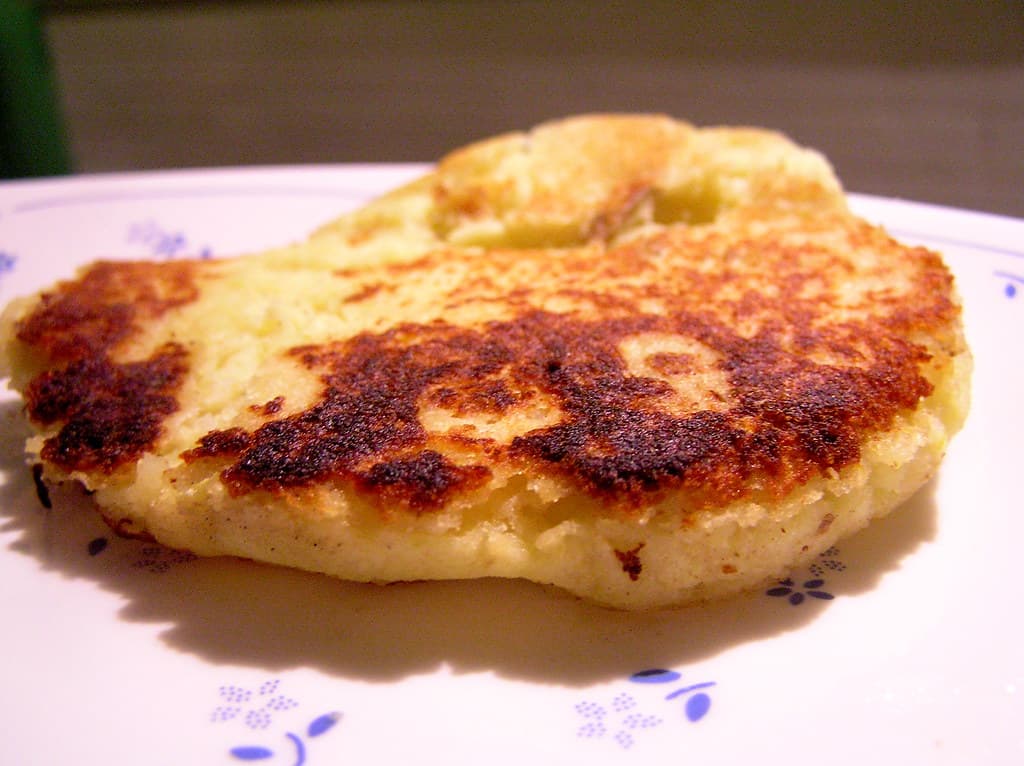
1800-1860 - Depression-era American home cooks and farm families.
Potato Cakes are a practical, comforting dish made by frying mashed potato patties. Popular during the Depression and Dust Bowl decades, they exemplify resourceful cooking with staple ingredients under economic hardship.
Community-powered photos. Reviewers can upload dish photos, and the highest-rated community image may be featured here.
Difficulty
Easy
Prep time
10 minutes
Cook time
10 minutes
Total time
20 minutes
Servings
4
Region
New England, Pennsylvania Dutch, and Great Lakes potato kitchens
Era introduced
1800-1860
Introduced by
Depression-era American home cooks and farm families.
Recipe tools
Log in to save this recipe to a collection.
Potato Cakes emerged as an economical and sustaining food choice during the 1930s and 1940s, when depression-era and Dust Bowl hardships demanded stretching limited food supplies. Often made from leftover mashed potatoes mixed with simple binders, formed into patties and fried until crisp, potato cakes provided warmth and satiety with minimal ingredients and preparation. Though humble, they retain nostalgic value as a symbol of resourcefulness and simple American comfort food.
Share family changes, regional twists, or pantry-friendly adaptations as full community recipes.
Log in to submit a community recipe.
No community recipes yet. Submitted recipes are published right away.
Rate this recipe and share how it worked at your table.
Log in to review this recipe.
No reviews yet. Be the first to rate this recipe.
Recipes matched by era, region, occasion, ingredients, and cultural roots from the archive.
Same era
America's Melting Pot
Acorn Bread photo coming soon
1800-1860
A nutty, lightly sweet quick bread made with properly leached acorn flour, cornmeal, and wheat flour.
1800-1860
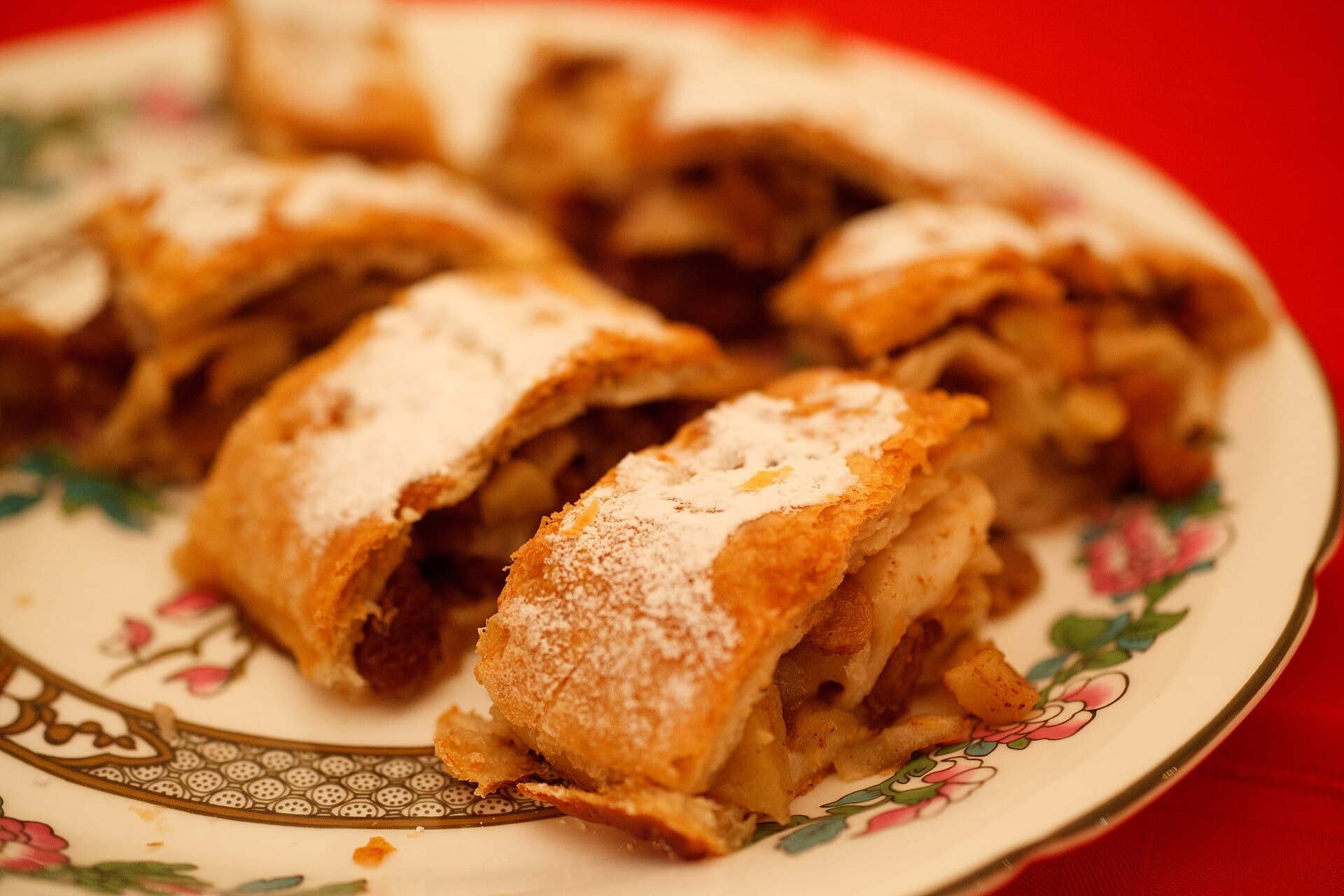
A German-American apple strudel made with crisp apples, raisins, cinnamon, buttered crumbs, and flaky phyllo for a practical home version of a Central European pastry.
America's Melting Pot
Asparagus photo coming soon
1800s/early 1900s-present
A bright American Easter asparagus side, quickly cooked and dressed with lemon butter, herbs, and hard-cooked egg in the spirit of old spring-table recipes.
Same region
1800s-present
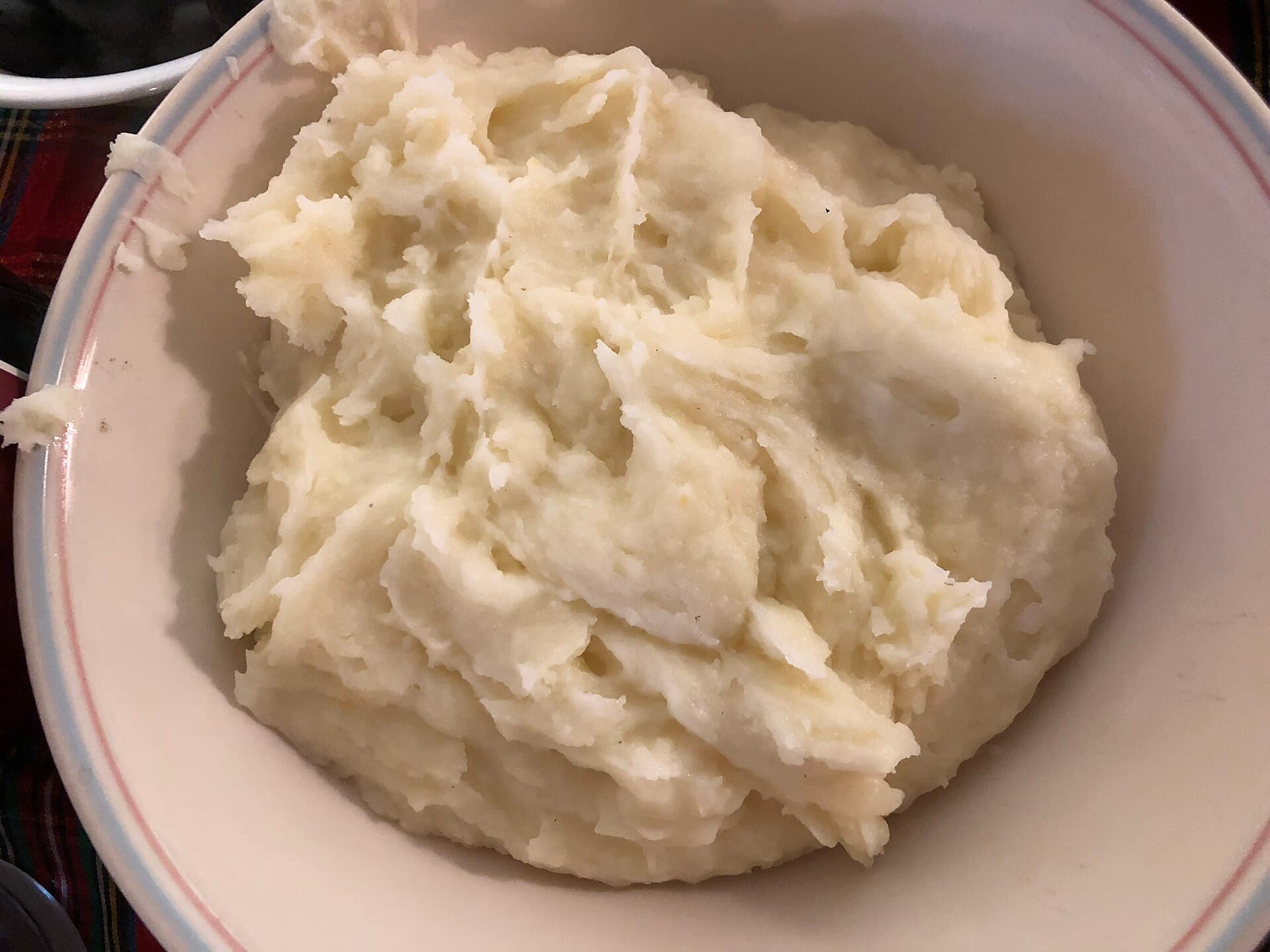
A creamy and comforting side dish popular across the United States, especially during Thanksgiving and other holiday meals. Mashed potatoes blend simple ingredients to create a satisfying accompaniment to main courses.

1800s-present
Scalloped Potatoes are thinly sliced potatoes baked in a creamy sauce, often with cheese or onions, making a popular side dish at schools, churches, and state fairs in early 20th century America. Its simple ingredients and hearty texture suited well to communal meals and holiday dinners.
1700-2026
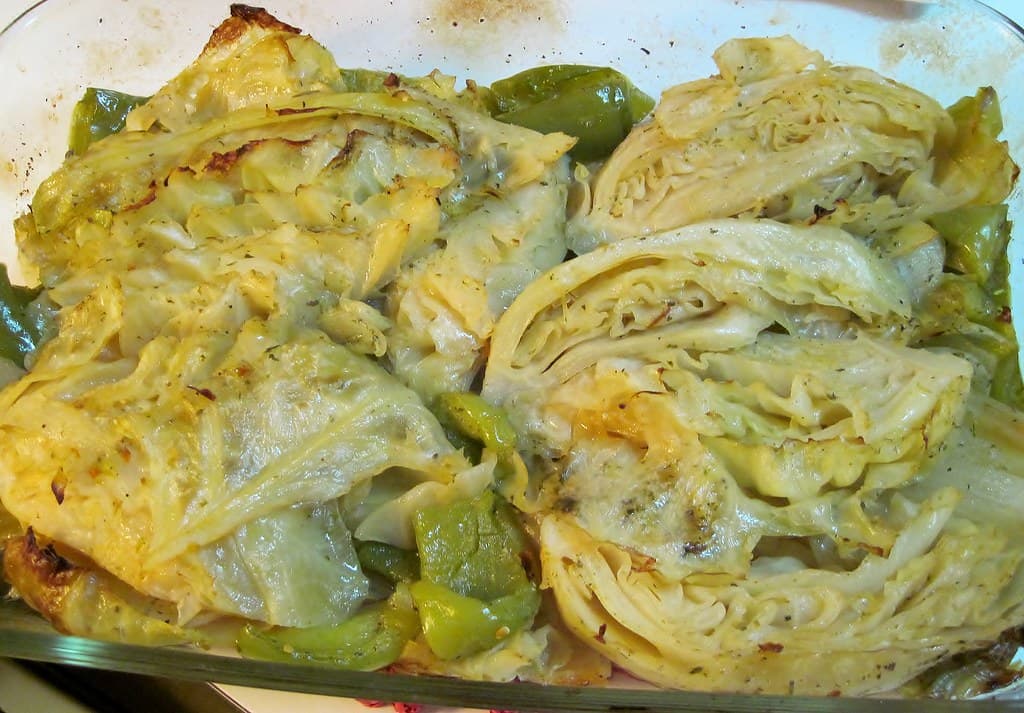
Braised cabbage is an old, practical side dish because cabbage stores well, feeds many, and softens beautifully with slow moist heat. American versions draw from British, German, Irish, and Eastern European cabbage cookery as well as plain farm-table thrift.
Same table
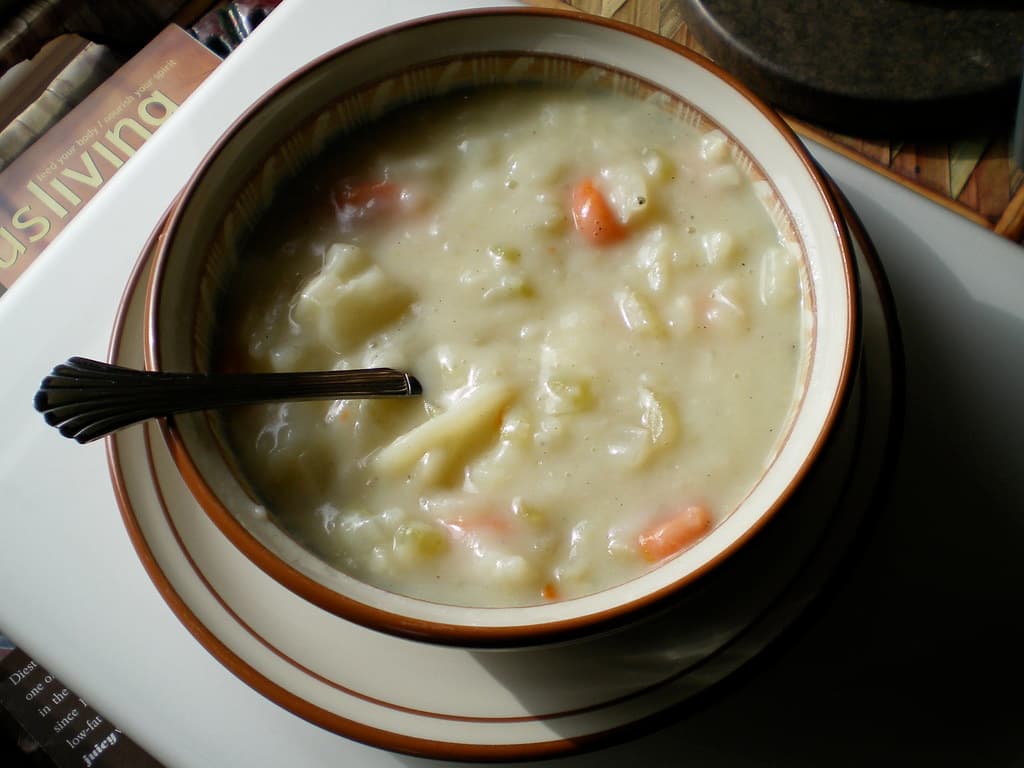
1800-1860
Potato Soup is a simple, hearty soup likely popular among Irish-American families, combining potatoes, onions, and cream or milk to create a warming dish during the expansion and immigration period.
America's Melting Pot
Mayonnaise Cake photo coming soon
1927-present
A simple and moist chocolate cake using mayonnaise as a substitute for eggs and butter. Popular during the Great Depression when traditional baking ingredients were scarce or expensive.
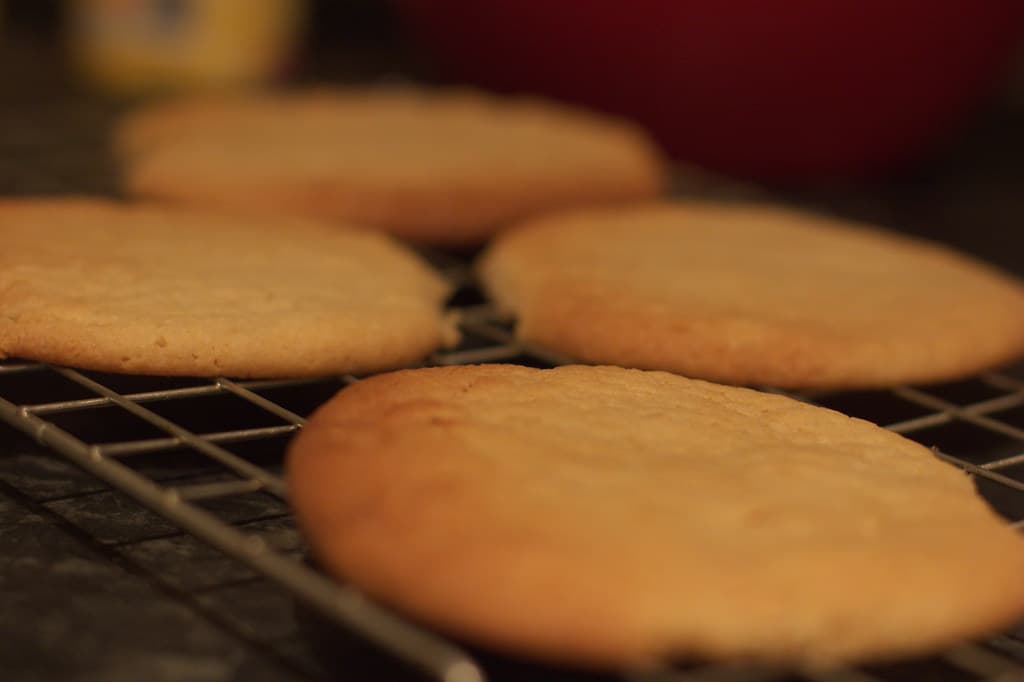
1895-present
Peanut butter cookies became popular during World War II when sugar and butter were rationed. These cookies offer a simple treat using pantry staples, providing comforting sweetness and energy in challenging times.