
Recipe archive
Loading
Setting the table...
Fetching the latest recipes from the archive.
Loading
Fetching the latest recipes from the archive.
Recipe archive
America's Melting Pot
Monte Cristo hero image coming soon
1946-1969 - American family restaurants and diners during postwar prosperity
Monte Cristo is a fried ham and cheese sandwich dipped in egg batter and often served with fruit jam or powdered sugar. Originating in the post-World War II era, it became a diner and family restaurant staple across the United States, blending French croque-monsieur influences with American tastes for indulgent sandwiches and carnival-style foods.
No featured photo yet. Upload a photo with your review. The highest-rated community photo may become this recipe's hero image.
Difficulty
Medium
Prep time
15 minutes
Cook time
10 minutes
Total time
25 minutes
Servings
4 sandwiches
Region
Southern California hotel, diner, and theme-park kitchens
Era introduced
1946-1969
Introduced by
American family restaurants and diners during postwar prosperity
Recipe tools
Log in to save this recipe to a collection.
The Monte Cristo sandwich gained popularity in American diners and family restaurants during the prosperous postwar decades between 1946 and 1969. Drawing inspiration from French croque-monsieur, this sandwich is dipped in egg batter then fried for a rich, crispy exterior and melty interior. Accompanied by powdered sugar and fruit jam, it satisfies American palates with a combination of sweet and savory. The Monte Cristo represents the era's embrace of casual dining and indulgent fusion foods in suburban communities.
Share family changes, regional twists, or pantry-friendly adaptations as full community recipes.
Log in to submit a community recipe.
No community recipes yet. Submitted recipes are published right away.
Rate this recipe and share how it worked at your table.
Log in to review this recipe.
No reviews yet. Be the first to rate this recipe.
Recipes matched by era, region, occasion, ingredients, and cultural roots from the archive.
Same era
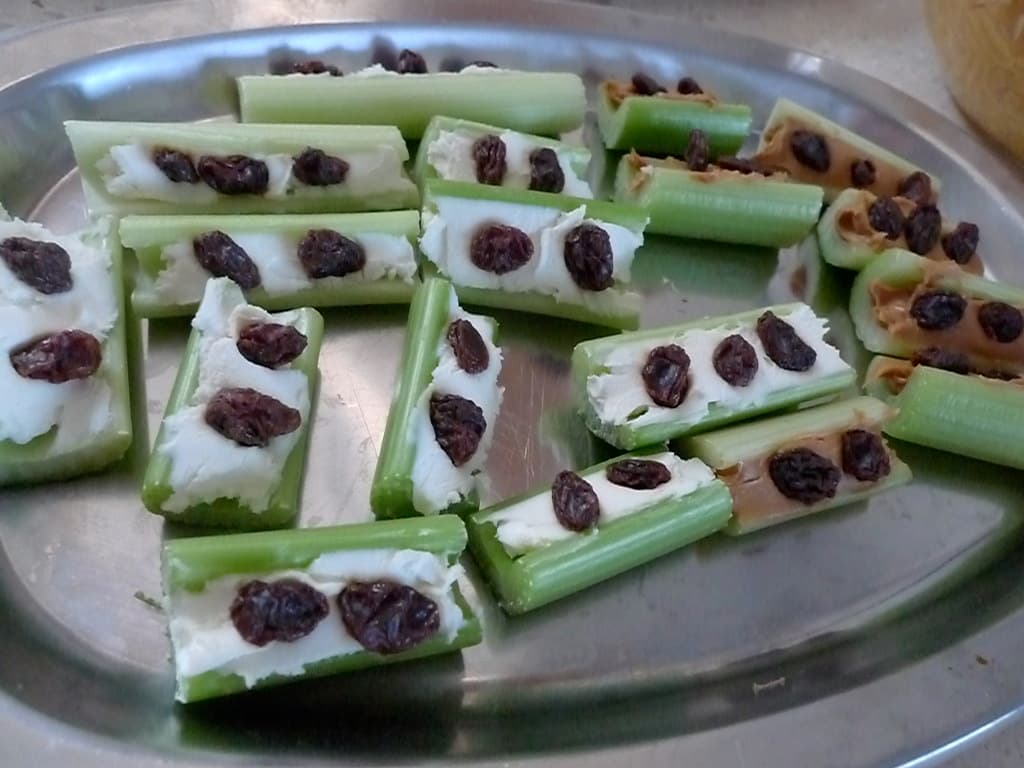
1950s-present
Celery sticks filled with peanut butter and topped with raisins, the classic American kid snack.
America's Melting Pot
Arby's-Style Horsey Sauce photo coming soon
1964-1970s
Arby's-Style Horsey Sauce is a sandwich sauce with real American table personality: Fast-food horseradish mayo tradition. It brings flavor from coast-to-coast American tables to cookouts, counters, lunch plates, potlucks, and weeknight suppers.
America's Melting Pot
Bacon-Wrapped Water Chestnuts photo coming soon
1946-1969
Crunchy water chestnuts wrapped in bacon, baked until crisp, and glazed with a brown sugar, soy, ketchup, and Worcestershire sauce.
Same region
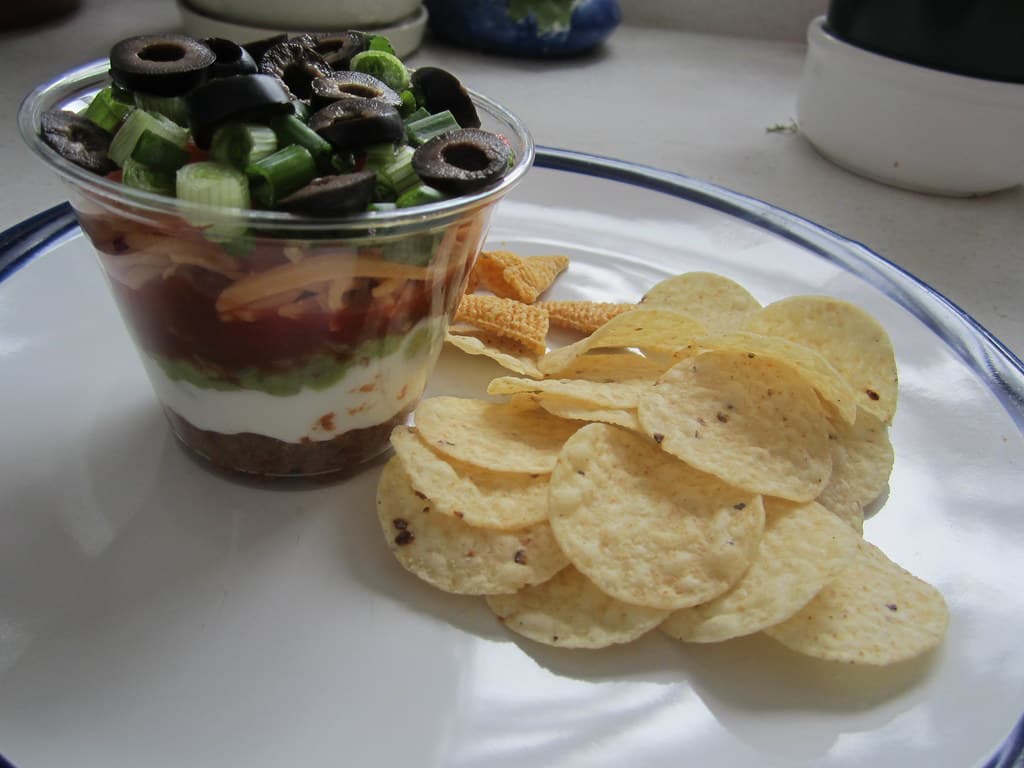
1900s-present
7-Layer Dip is a party dip with real American table personality: Tex-Mex party dish. It brings flavor from Texas and the Southwest to cookouts, counters, lunch plates, potlucks, and weeknight suppers.
America's Melting Pot
ABC Juice photo coming soon
1970s-present
ABC Juice brings juice-bar color and American smoothie-counter energy to the glass: Apple, beet, carrot.
America's Melting Pot
Acai Bowl Smoothie Base photo coming soon
1970s-present
Acai Bowl Smoothie Base brings juice-bar color and American smoothie-counter energy to the glass: California/Hawaii/fitness culture.
Same table
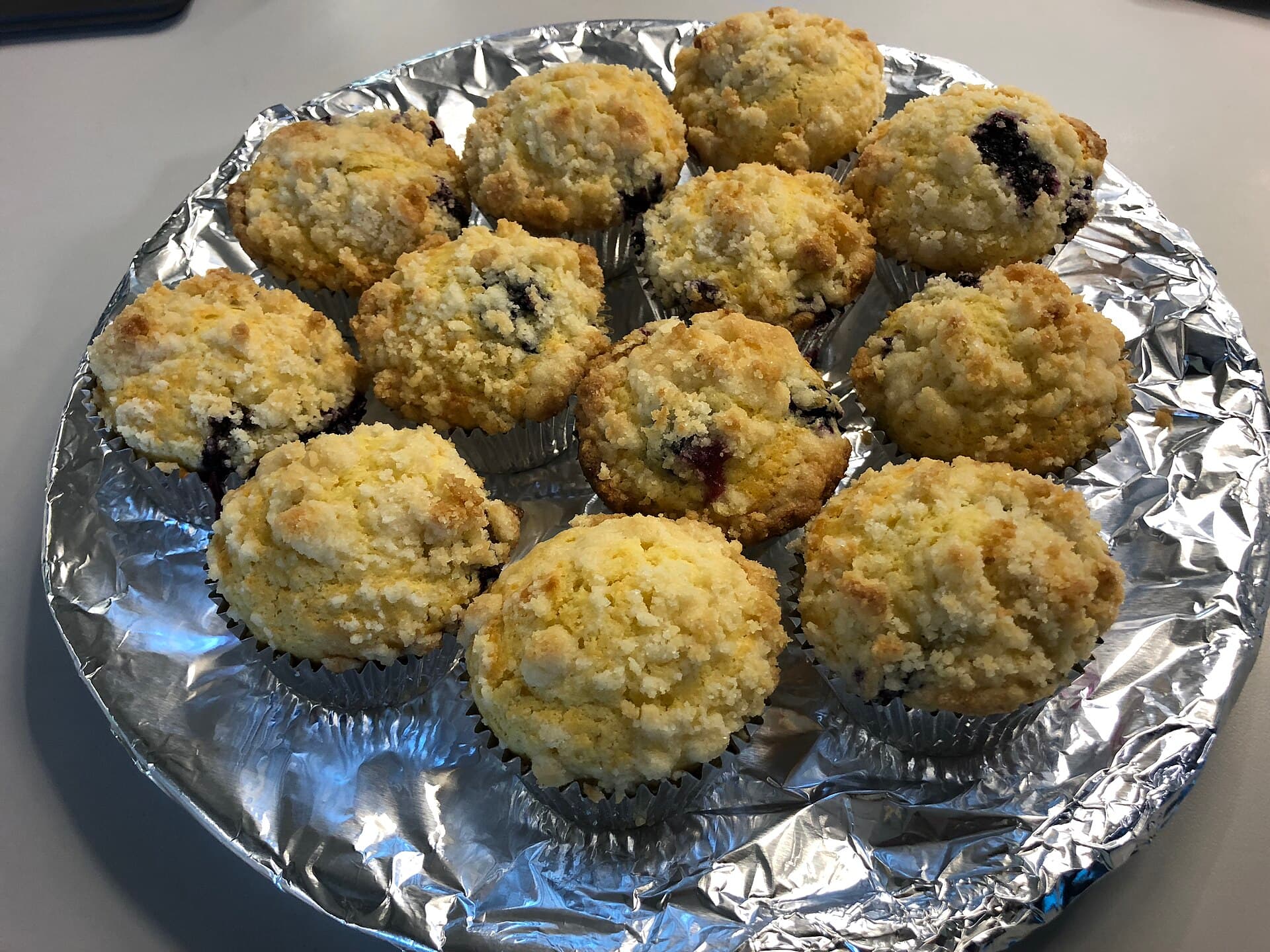
1900-2026
Blueberry muffins are everyday American breakfast baking, but Boston gave them a particular legend through Jordan Marsh department store. The oversized, sugar-topped muffin became a coffee-shop and bakery standard long after the department store disappeared.
America's Melting Pot
Washington Pie photo coming soon
1700s-present
Washington Pie is a layered dessert combining cake and fruit preserves, dating back to late 18th-century America. This simple yet elegant sweet features moist cake layers sandwiched with jam or jelly and optionally dusted with sugar, reflecting colonial baking practices and early American tastes for fruit desserts.
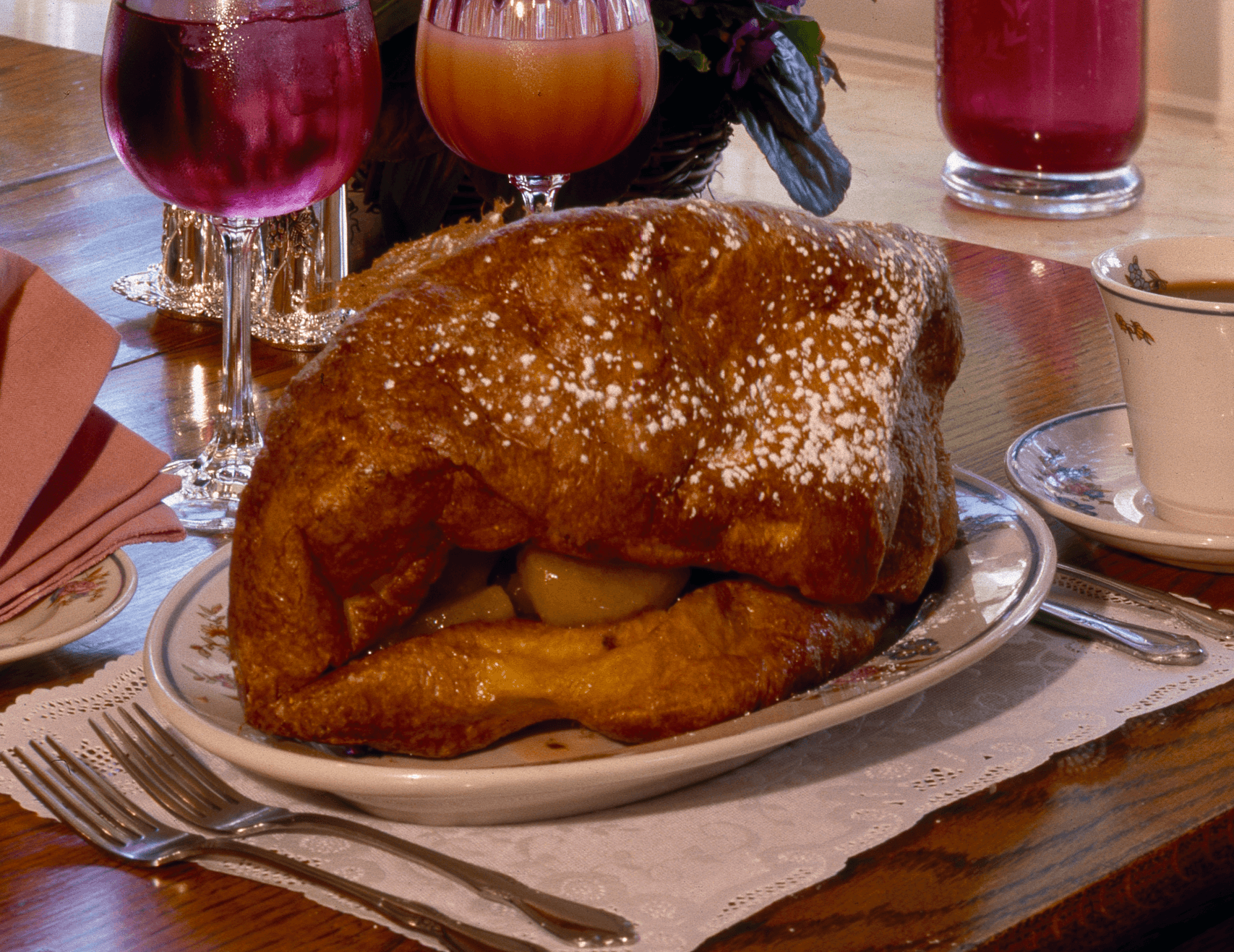
1900s-present
A German-American Dutch baby-style pancake baked over cinnamon apples in a hot skillet.